

Zit scars, also known as acne scars, can be a persistent and frustrating problem. These scars affect confidence and self-esteem, making it essential to understand their causes and explore effective treatments. Your genetics play a significant role in how your skin heals and scars — and understanding your genetic skin profile can help you choose the most effective approach.
What Causes Zit Scars?
Zit scars form when severe acne damages the skin and underlying tissue. The body repairs this damage by producing collagen — too little results in depressed scars, too much in raised scars. Key contributing factors include inflammatory acne that penetrates deep into the skin, picking or squeezing pimples (which increases inflammation and worsens scarring), and genetics (your skin type and genetic predisposition affect how your skin heals).
Types of Zit Scars
- Atrophic scars: Depressed scars below the surrounding skin — including ice pick, boxcar, and rolling scars.
- Hypertrophic scars: Raised scars above the surrounding skin, caused by excess collagen.
- Keloid scars: Larger raised scars that extend beyond the original wound site.
Effective Treatments for Zit Scars
1. Topical Treatments
Retinoids (vitamin A derivatives), alpha hydroxy acids (AHAs), and silicone gels are common first-line treatments for mild to moderate scars.
2. Chemical Peels
A chemical solution exfoliates the skin and reveals smoother skin underneath — effective for both atrophic and hypertrophic scars.
3. Microneedling
Tiny needles create controlled micro-injuries that stimulate collagen production, improving the appearance of depressed scars over multiple sessions.
4. Laser Therapy
Ablative and non-ablative lasers resurface the skin and stimulate collagen remodeling. Particularly effective for rolling and boxcar scars.
5. Dermal Fillers
Temporary fillers can plump depressed scars, improving their appearance immediately. Results last 6–18 months depending on the filler used.
The Genetic Component of Acne Scarring
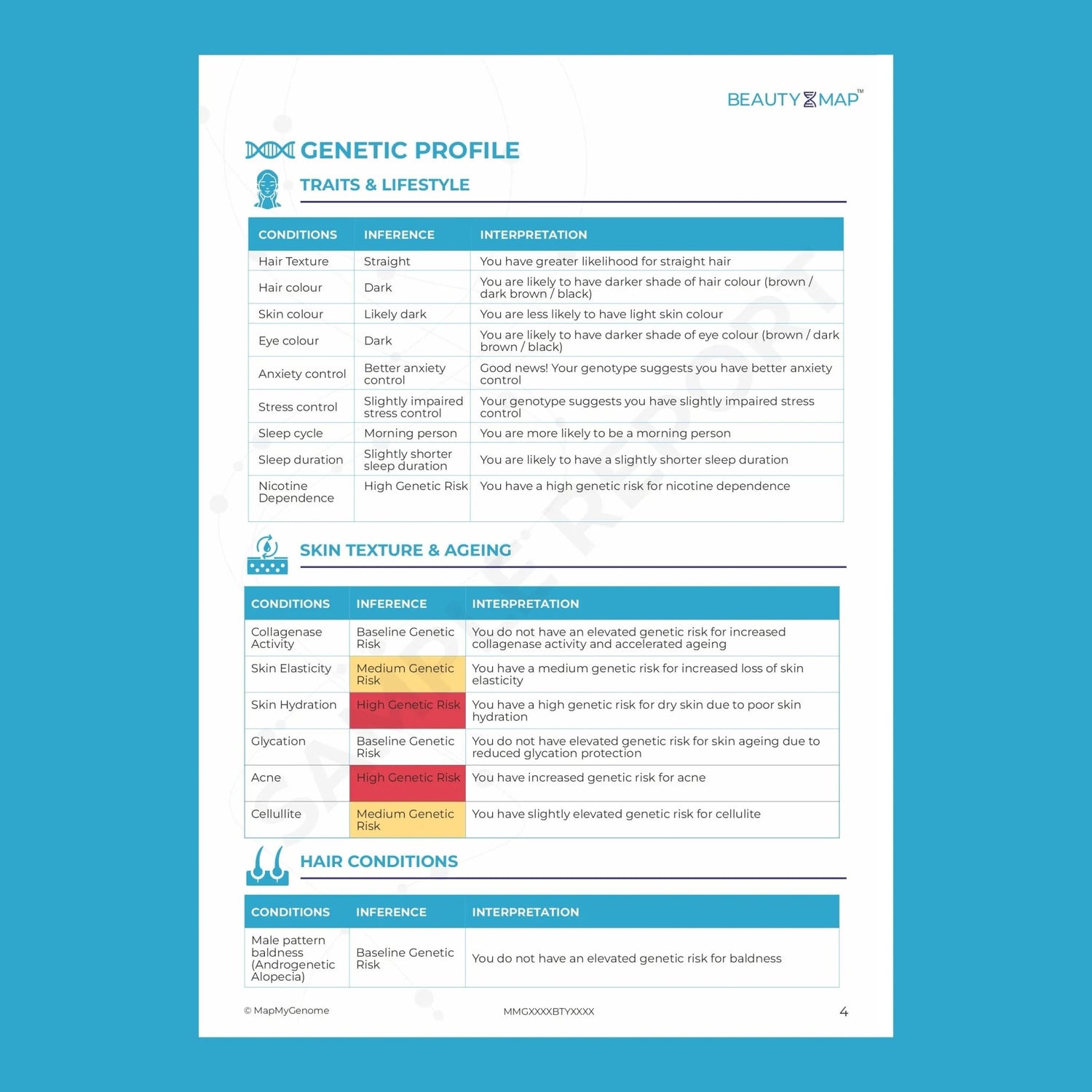
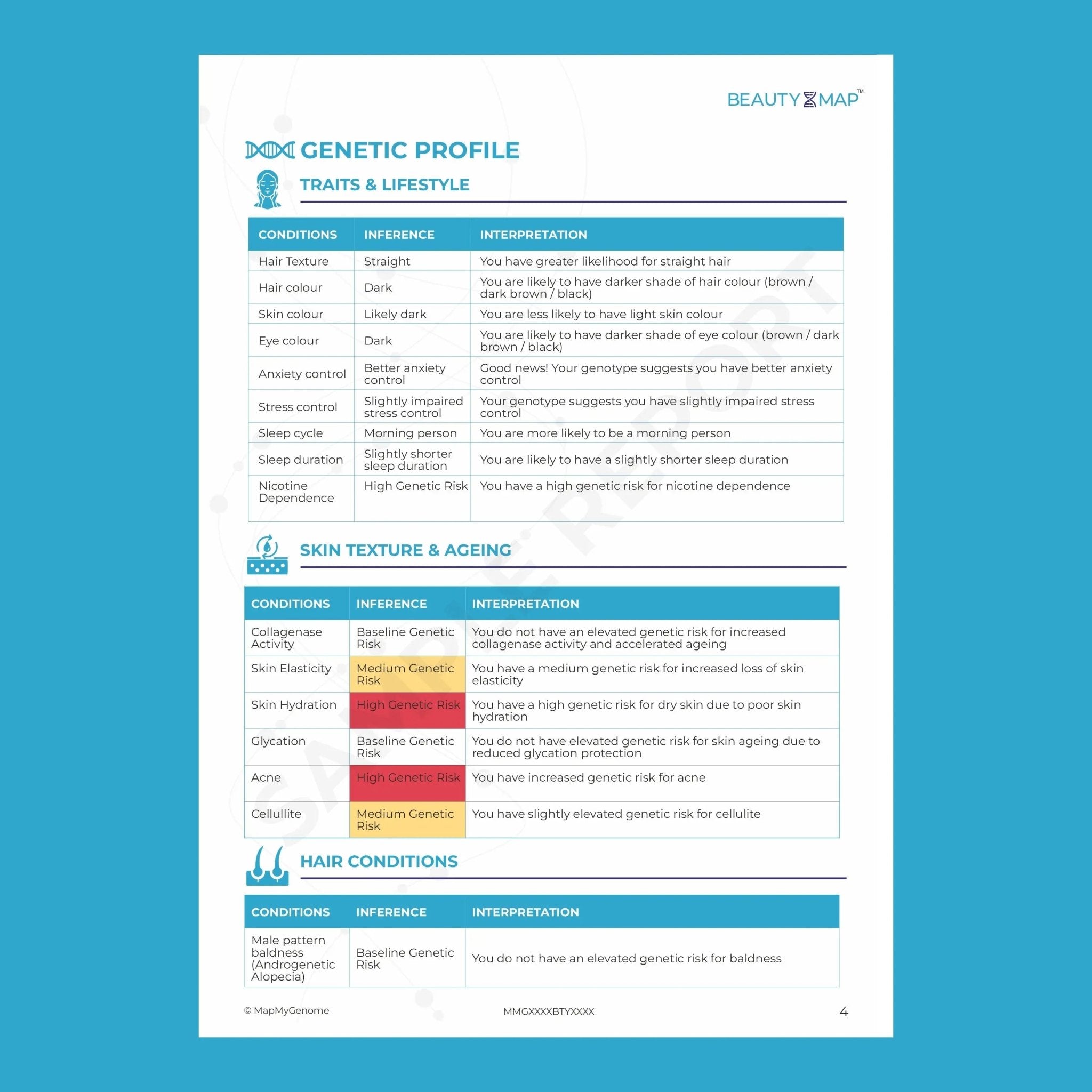
Your genes influence your skin's collagen production, inflammatory response, and healing capacity — all of which determine how severely you scar and which treatments will be most effective. People with genetic variants associated with higher inflammatory responses tend to scar more severely. Understanding your genetic skin profile allows you to choose treatments and preventive strategies tailored to your biology.
FAQs
Can zit scars be completely removed?
Most scars can be significantly improved but not completely eliminated. The best outcomes come from combining multiple treatments tailored to your specific scar type and skin genetics.
How long does scar treatment take?
Most treatments require multiple sessions over 3–6 months to achieve optimal results. Patience and consistency are key.
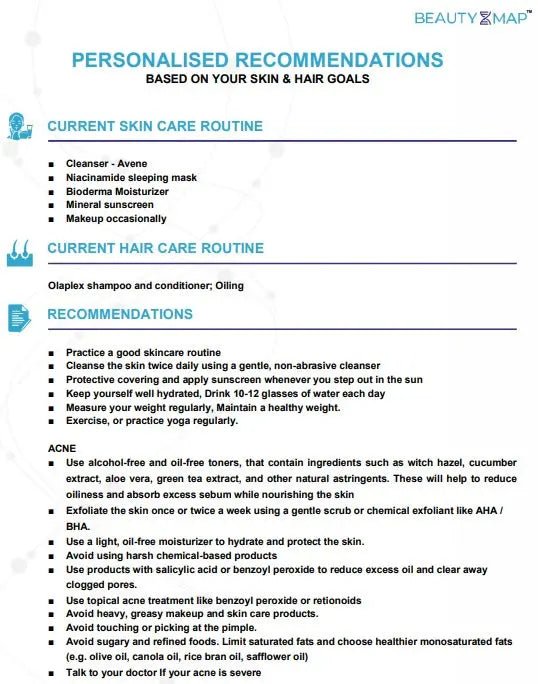
Build a Skincare Routine Based on Your DNA
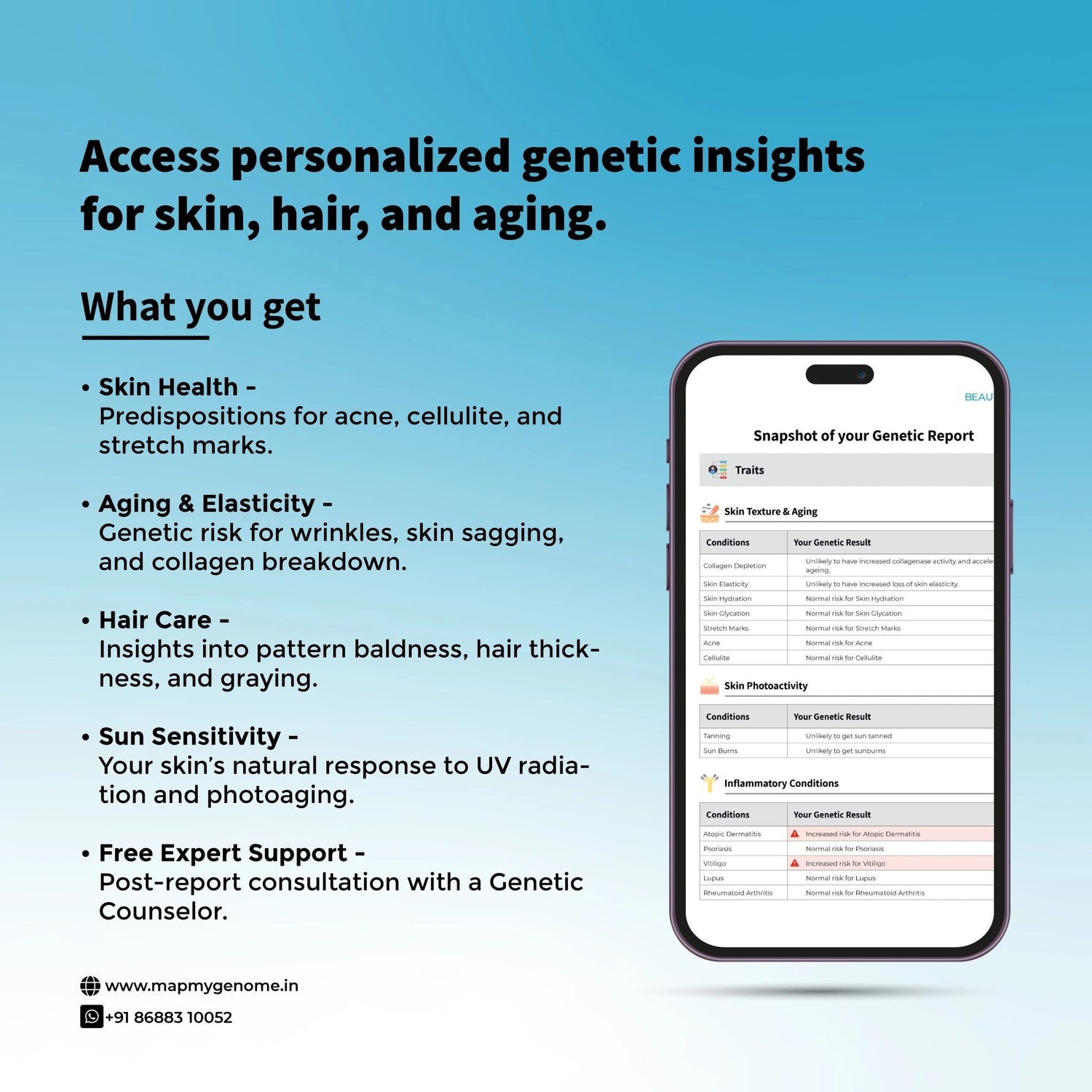
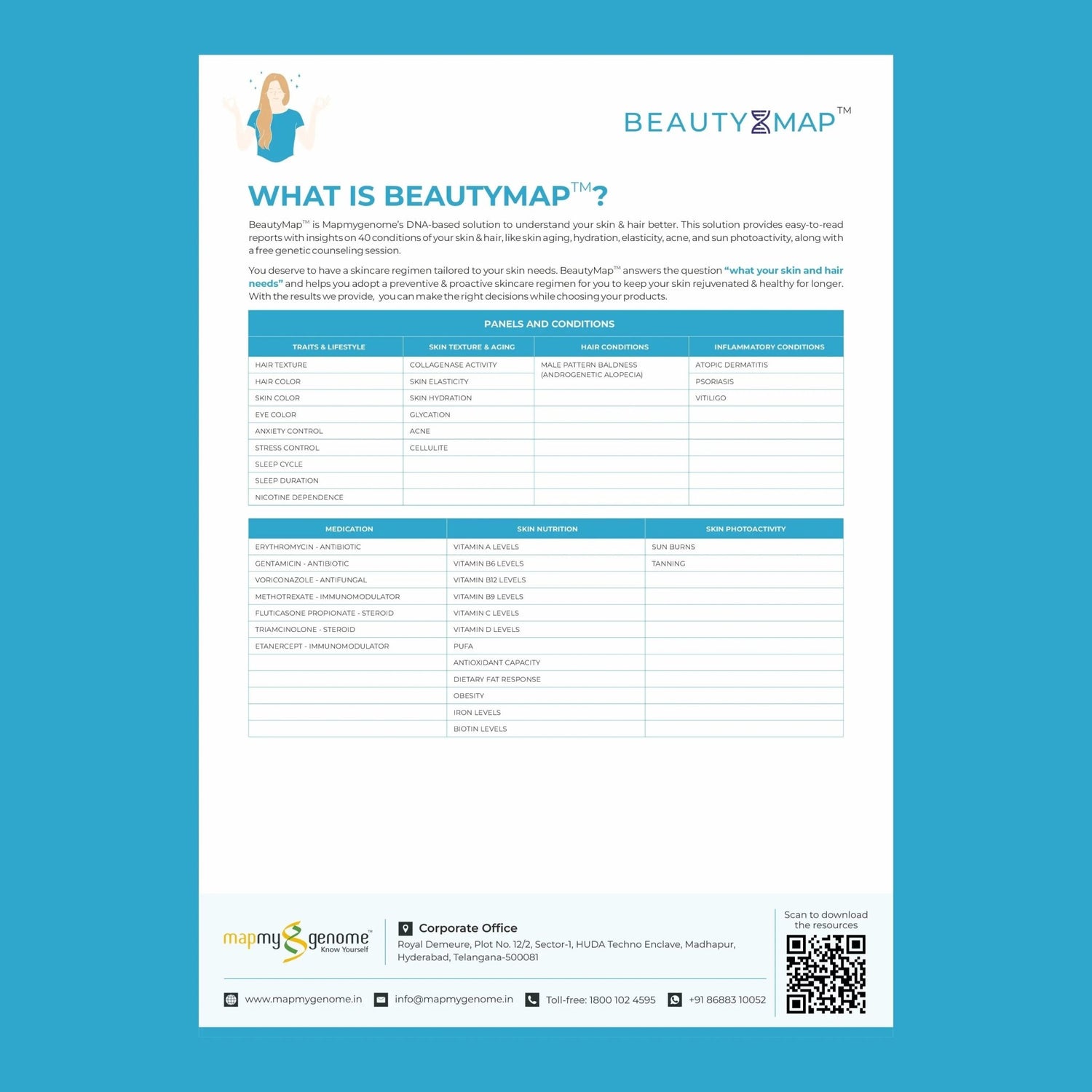
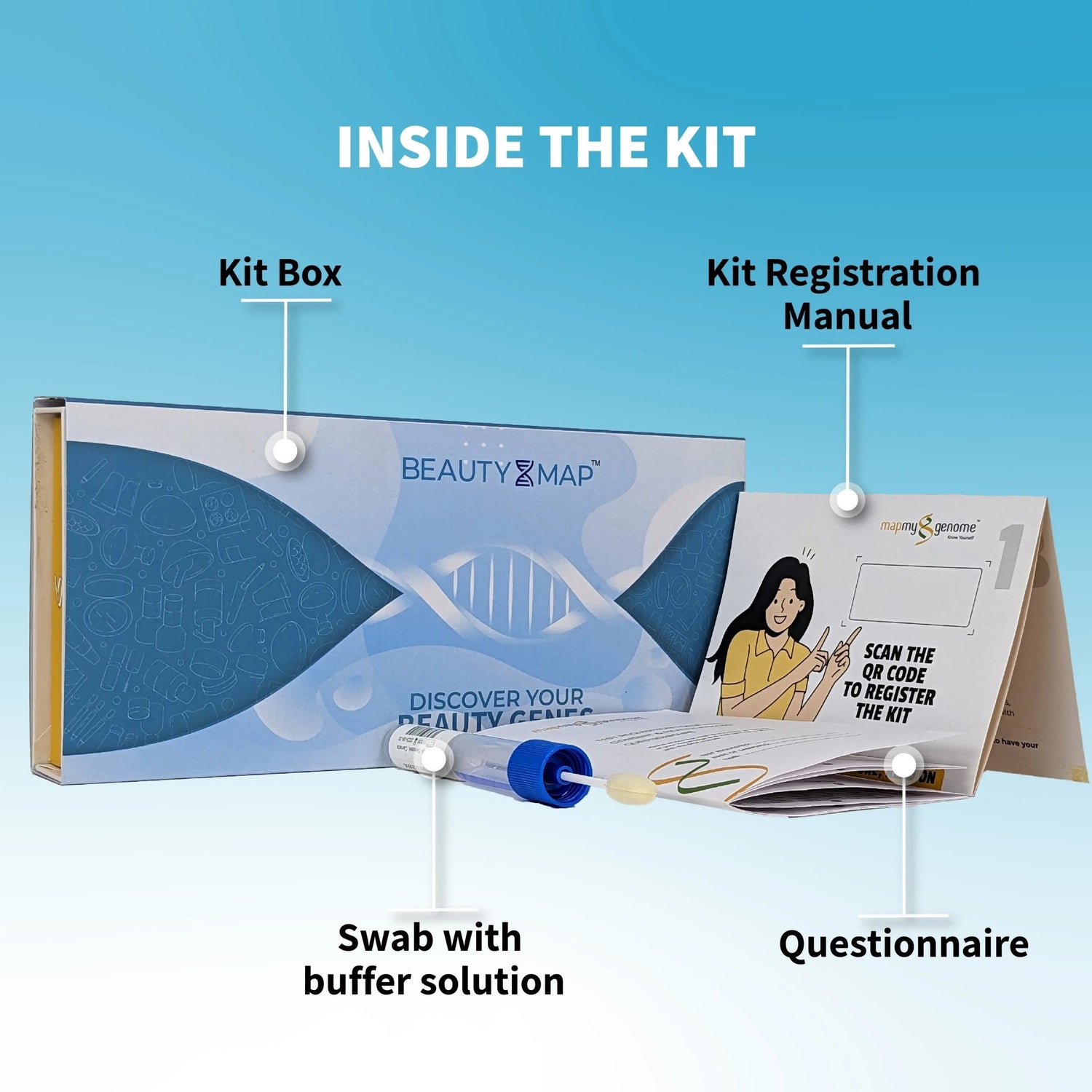
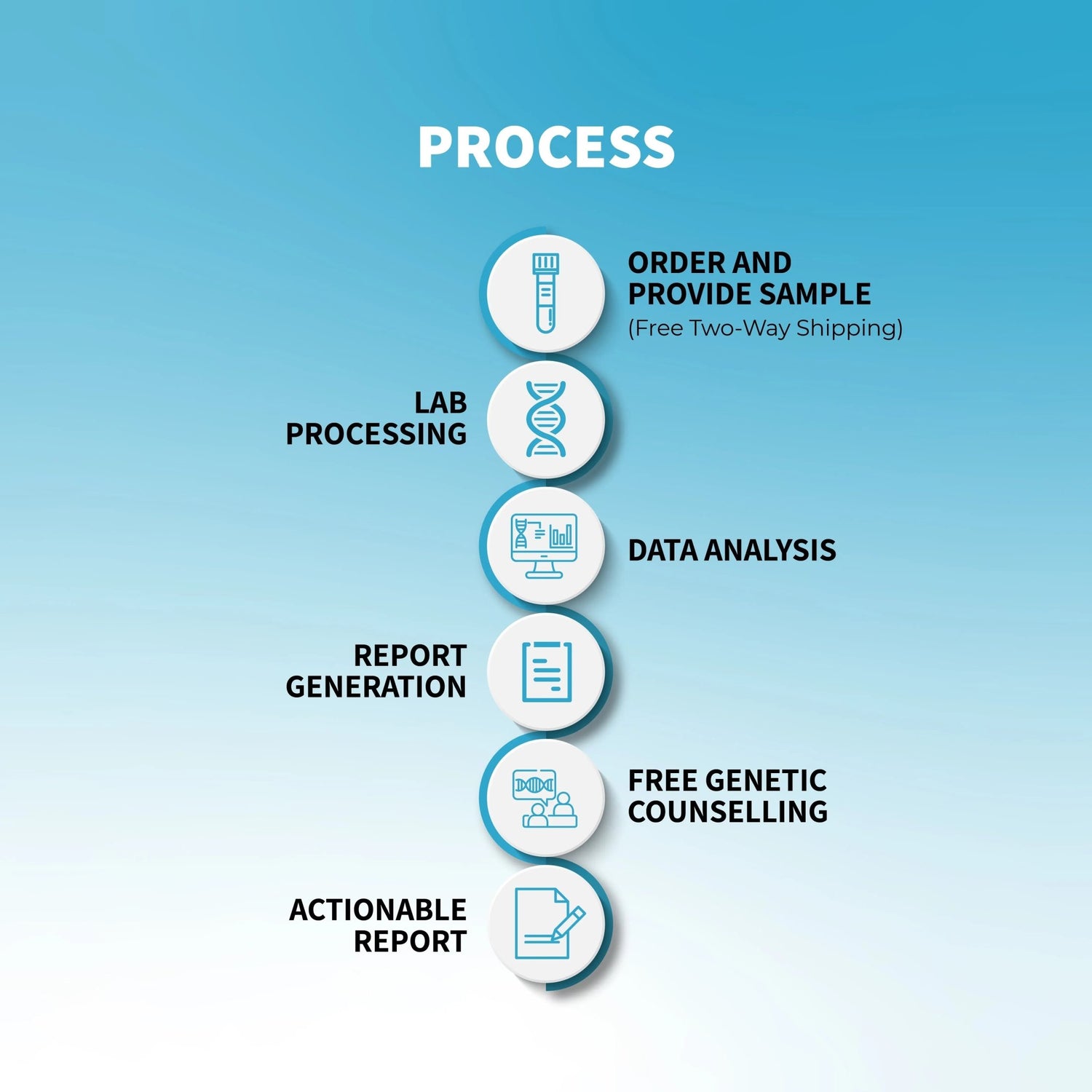
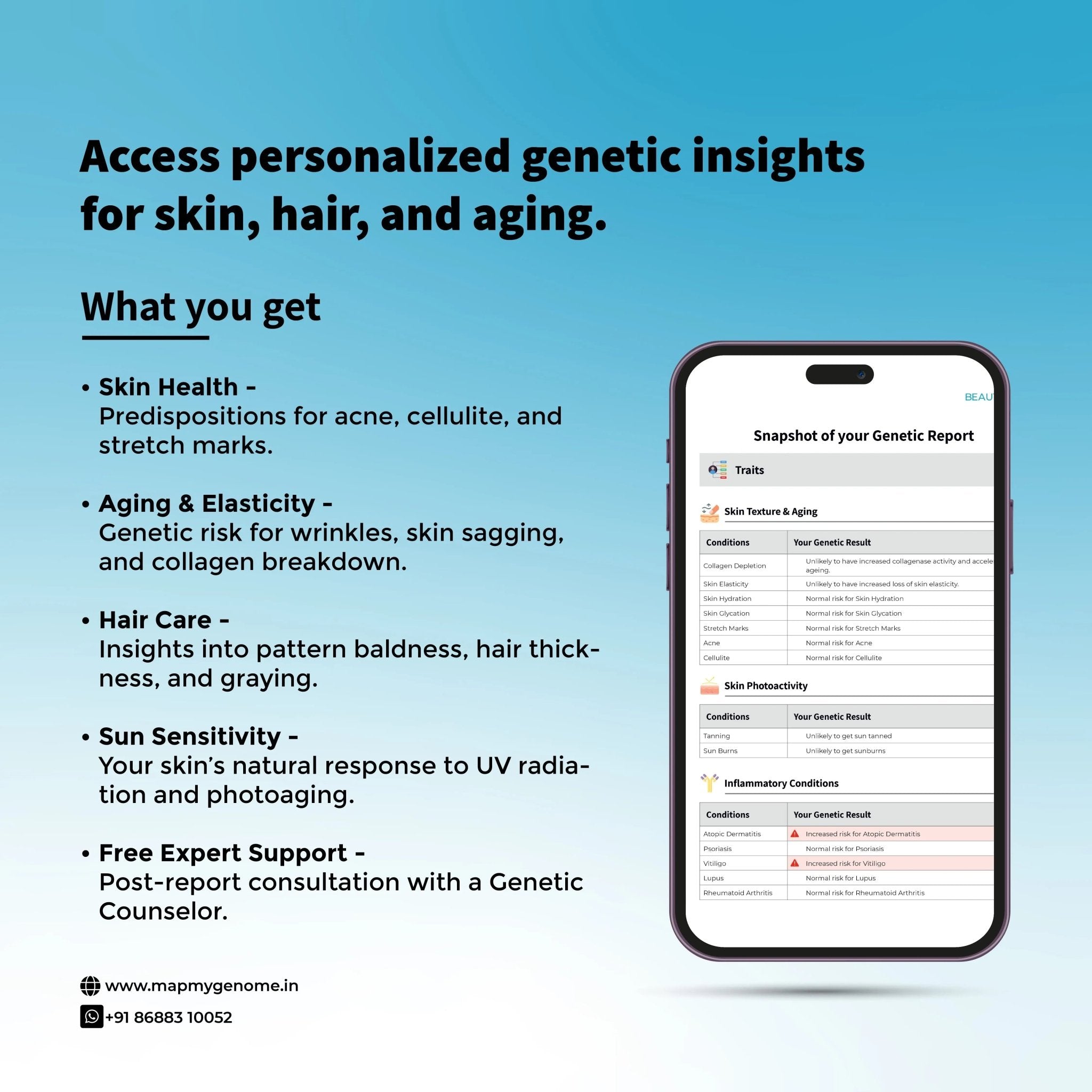
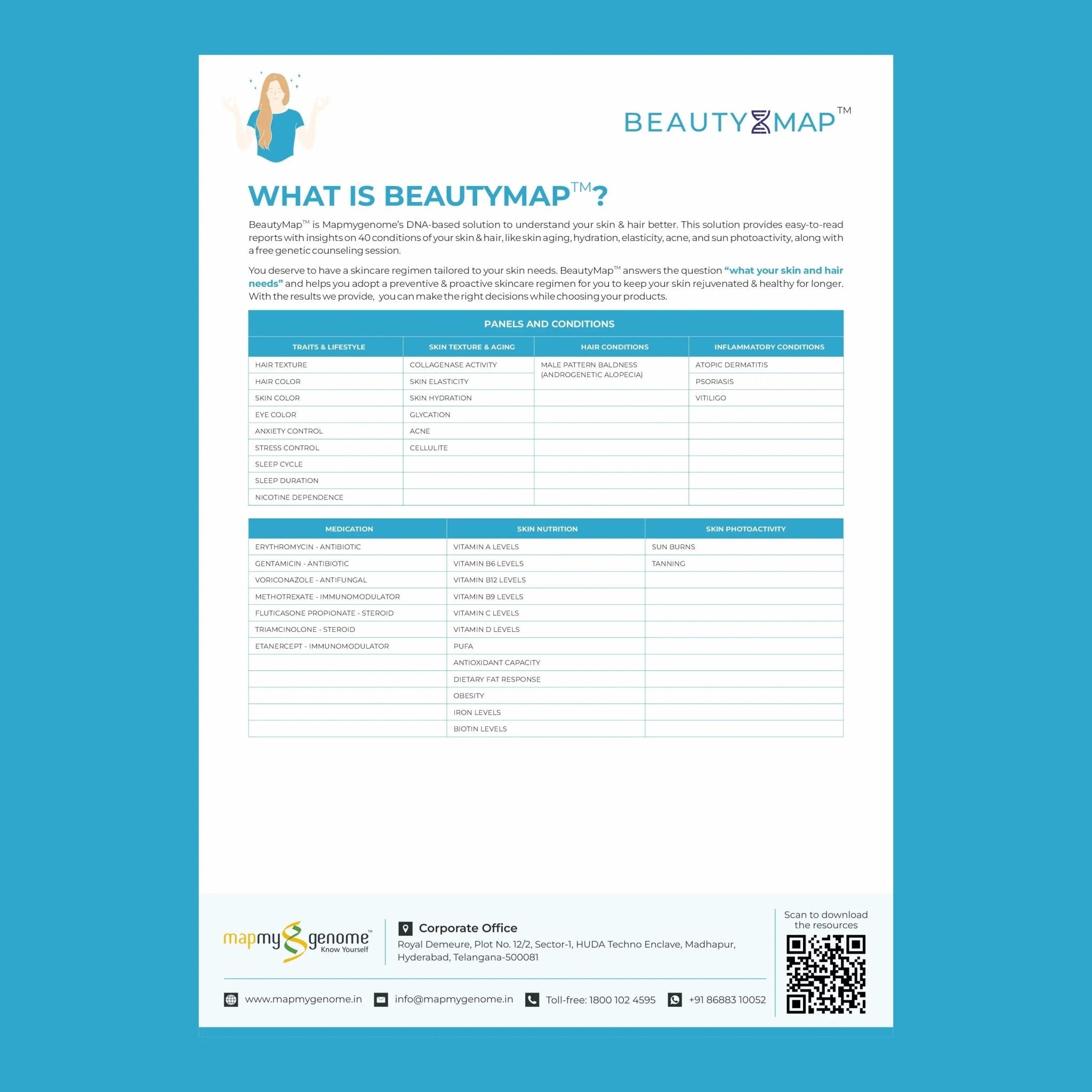
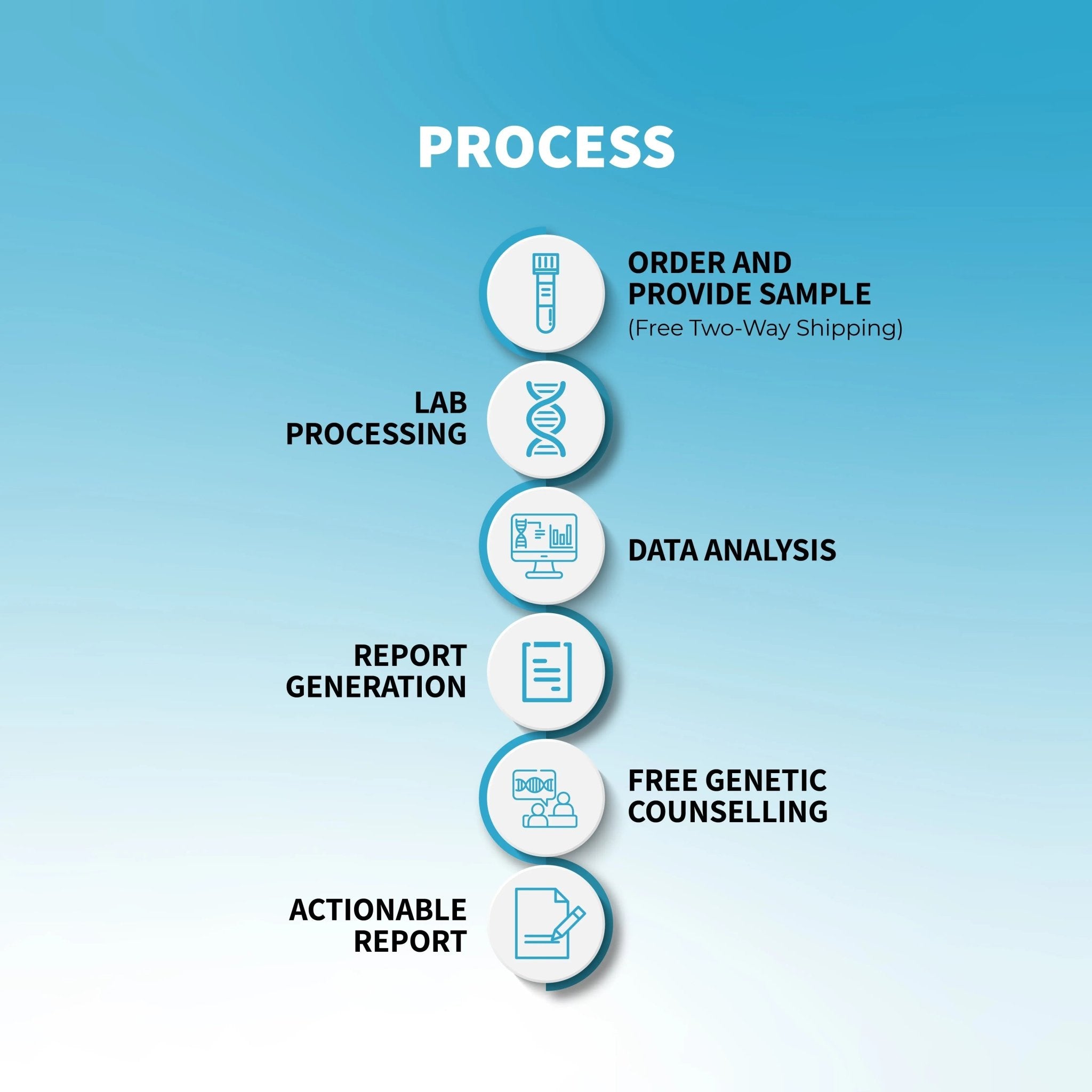
BeautyMap by MapmyGenome analyzes 40+ skin-related genetic traits — including your collagen production, inflammatory response, and healing capacity — giving you a personalized skincare protocol to address scarring and achieve clearer, healthier skin.