

If you've been referred to a gastroenterologist — or are considering seeing one — you might be wondering what they actually assess and how they evaluate your gut health. Understanding the process can help you prepare, ask better questions, and make the most of your consultation.
What Is a Gastroenterologist?
A gastroenterologist is a specialist in the digestive system — covering the esophagus, stomach, small intestine, large intestine (colon), rectum, liver, gallbladder, and pancreas. They diagnose and treat conditions ranging from acid reflux and IBS to inflammatory bowel disease, liver disease, and colorectal cancer.
What a Gastroenterologist Looks For
1. Symptom History
The consultation begins with a detailed symptom history: the nature, duration, and pattern of your symptoms; what makes them better or worse; associated symptoms like weight loss, blood in stool, or fever; and your diet, lifestyle, medication use, and family history of digestive conditions.
2. Physical Examination
A physical exam includes abdominal palpation to check for tenderness, organ enlargement, or masses; assessment of bowel sounds; and examination for signs of systemic conditions that affect the gut (jaundice, skin changes, etc.).
3. Blood Tests
Common blood tests include full blood count (to check for anaemia or infection), liver function tests, inflammatory markers (CRP, ESR), coeliac antibodies, and H. pylori antibody testing.
4. Stool Tests
Stool analysis can detect blood (faecal occult blood test), infection (bacterial, viral, or parasitic), inflammation (faecal calprotectin), and gut microbiome composition (via microbiome testing).
5. Endoscopy and Colonoscopy
Endoscopy (upper GI) and colonoscopy (lower GI) allow direct visual inspection of the gut lining, biopsy of suspicious tissue, and treatment of certain conditions (polyp removal, bleeding control).
6. Imaging
Ultrasound, CT scan, or MRI may be used to assess the liver, gallbladder, pancreas, and surrounding structures.
The Role of Gut Microbiome Testing
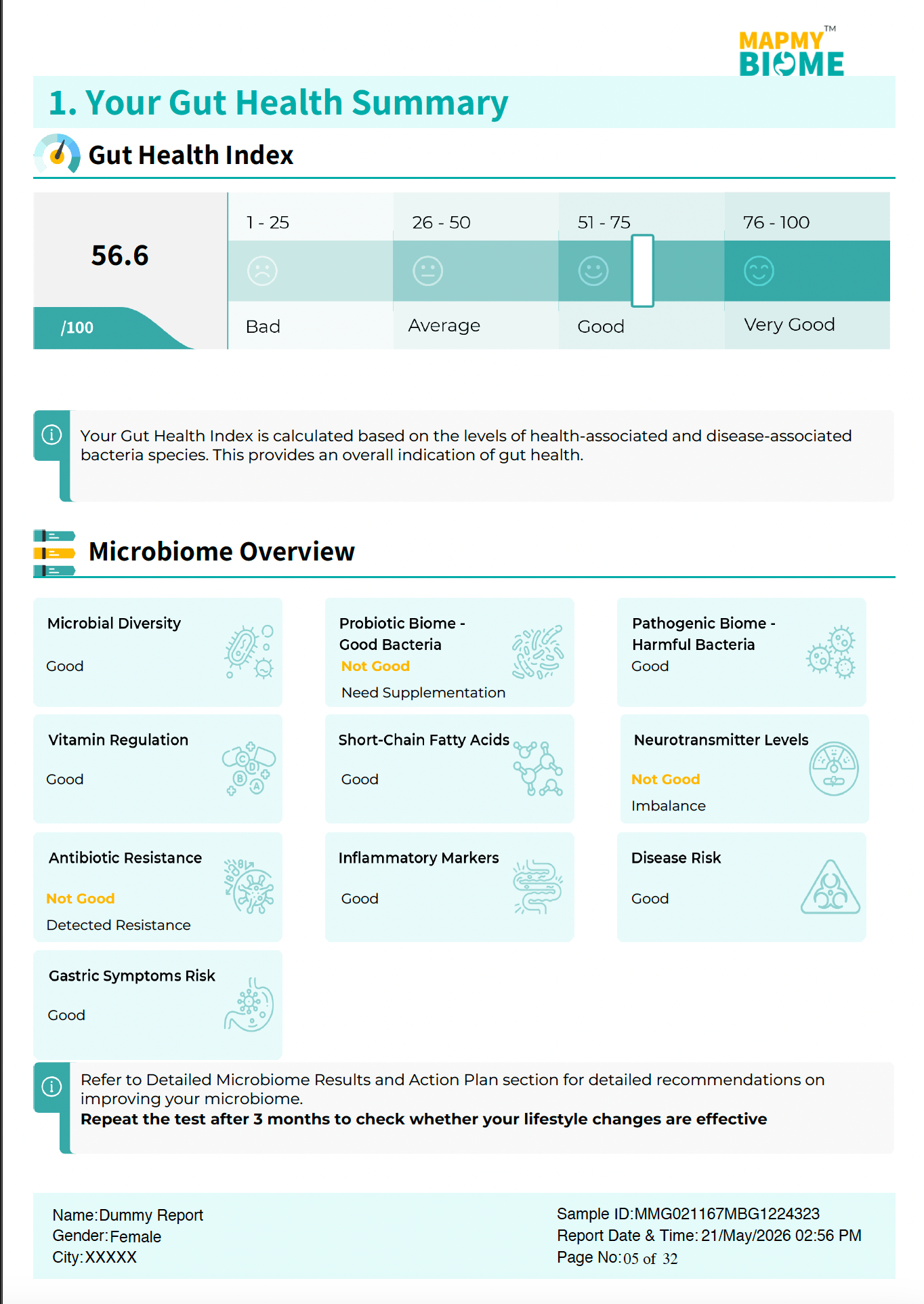
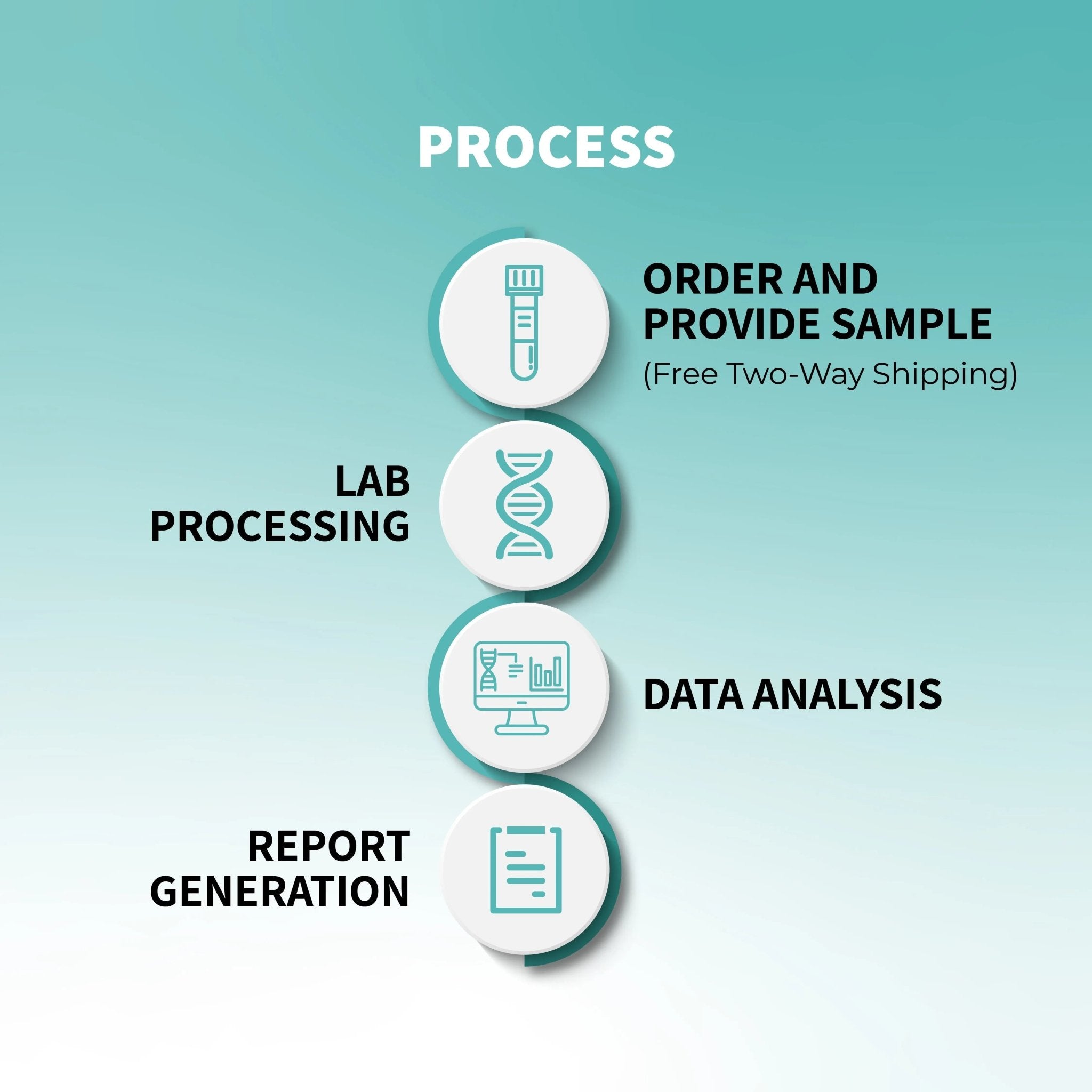
Increasingly, gastroenterologists are incorporating gut microbiome analysis into their assessments. Advanced shotgun metagenomic sequencing — as used in MapmyBiome — provides a detailed map of the bacterial species, functional pathways, and metabolic activity in your gut. This goes far beyond what standard stool tests can reveal, identifying dysbiosis patterns linked to IBS, IBD, metabolic conditions, and more.
FAQs
When should I see a gastroenterologist?
See a gastroenterologist if you have persistent digestive symptoms (more than 4–6 weeks), blood in your stool, unexplained weight loss, difficulty swallowing, or a family history of colorectal cancer or IBD.
Can I prepare for a gastroenterology appointment?
Yes. Keep a symptom diary for 1–2 weeks before your appointment, noting what you eat, when symptoms occur, and their severity. Bring a list of all medications and supplements you take.
Go Beyond Standard Tests — Map Your Gut Microbiome
MapmyBiome uses advanced shotgun sequencing to identify exactly what's living in your gut — with species-level precision and functional insights that standard stool tests can't provide. Share your results with your gastroenterologist for a more complete picture of your digestive health.