

Hair loss is one of the most common concerns affecting both men and women worldwide. The most prevalent form is androgenic alopecia — commonly known as male-pattern or female-pattern baldness. It affects an estimated 50% of men by age 50 and up to 40% of women by menopause. While it is not medically dangerous, androgenic alopecia can significantly impact self-confidence and quality of life.
Understanding the genetic and hormonal mechanisms behind androgenic alopecia is the first step toward managing it effectively.
What Is Androgenic Alopecia?
Androgenic alopecia is a genetically influenced condition in which hair follicles become progressively sensitive to dihydrotestosterone (DHT) — a hormone derived from testosterone. Over time, DHT causes hair follicles to miniaturize: they produce shorter, finer hair strands with each cycle, until eventually the follicle stops producing visible hair altogether.
The condition follows a characteristic pattern: men typically experience a receding hairline and thinning at the crown, while women more often notice diffuse thinning across the top of the scalp without a receding hairline.
Causes of Androgenic Alopecia
1. Genetic Factors
Androgenic alopecia is strongly hereditary. The condition is polygenic — influenced by multiple genes inherited from both parents. Key genes include AR (androgen receptor), which determines follicle sensitivity to DHT, and variants on chromosome 20p11. A family history of hair loss on either side significantly increases your risk.
2. DHT and Hormonal Influence
DHT is the primary driver of follicle miniaturization. Men produce more DHT than women, which is why male-pattern baldness is more common and typically more severe. In women, hormonal changes — particularly the decline in oestrogen during menopause — can shift the androgen-to-oestrogen ratio and trigger or accelerate hair loss.
3. Age
The risk of androgenic alopecia increases with age. Many people notice early signs of thinning in their 20s and 30s, with the condition becoming more pronounced over subsequent decades. Early onset is often associated with more significant eventual hair loss.
Symptoms of Androgenic Alopecia
- Gradual hair thinning — Starting at the temples or crown in men; diffuse thinning along the part line in women
- Receding hairline — The hallmark of male-pattern baldness, typically forming an "M" shape
- Bald spots — Developing at the crown and expanding over time in men
- Diffuse thinning — Women typically experience overall thinning rather than distinct bald patches
- Slower hair growth — Affected follicles produce finer, shorter hair with each cycle
Diagnosing Androgenic Alopecia
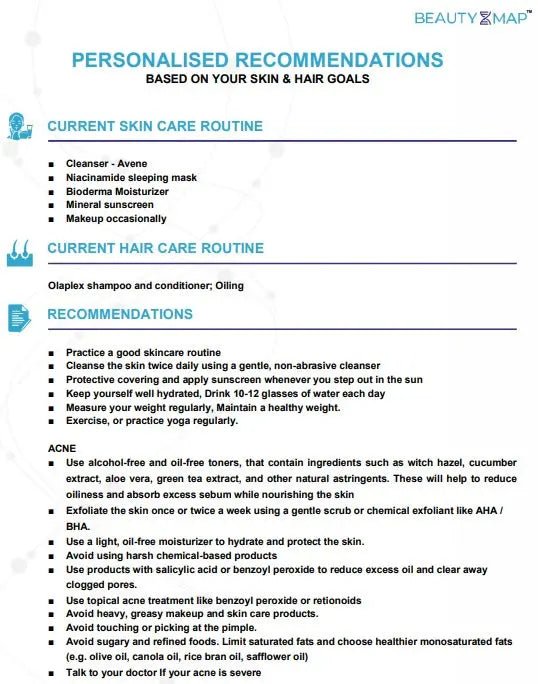
Diagnosis is typically clinical — based on the pattern of hair loss, family history, and physical examination of the scalp. Your doctor may also order blood tests to rule out other causes of hair loss (thyroid disorders, iron deficiency, hormonal imbalances) or perform a scalp biopsy in ambiguous cases. Genetic testing can confirm your predisposition and help guide treatment decisions.
Treatment Options for Androgenic Alopecia
While androgenic alopecia is a permanent condition, several treatments can slow its progression and, in some cases, promote partial regrowth. Effectiveness varies between individuals, so a personalized approach is important.
1. Medications
- Minoxidil (Rogaine) — An over-the-counter topical treatment applied directly to the scalp, FDA-approved for both men and women. Minoxidil prolongs the hair growth phase and can stimulate regrowth. Consistent use over several months is required to see results.
- Finasteride (Propecia) — A prescription oral medication that reduces DHT levels by inhibiting the enzyme 5-alpha reductase. Effective for male-pattern baldness; generally not recommended for women of childbearing age.
- Dutasteride — A more potent DHT inhibitor than finasteride, used off-label for androgenic alopecia in some cases.
2. Hair Transplant Surgery
For those with significant hair loss, hair transplant surgery (FUE or FUT) involves relocating hair follicles from DHT-resistant areas (typically the back of the scalp) to areas affected by miniaturization. Results are typically long-lasting, but the procedure requires careful planning and may need multiple sessions.
3. Low-Level Laser Therapy (LLLT)
LLLT uses red light to stimulate hair follicle activity and improve hair density. Research suggests it can be a useful adjunct to other treatments, particularly for early-stage androgenic alopecia.
4. Platelet-Rich Plasma (PRP) Therapy
PRP involves concentrating growth factors from your own blood and injecting them into the scalp to stimulate follicle activity. Clinical evidence is promising, particularly when combined with other treatments.
5. Lifestyle and Nutritional Support
A diet rich in biotin, zinc, iron, and vitamins D and E supports overall hair health. Reducing chronic stress — which can accelerate hair loss through elevated cortisol — is also important. Yoga, meditation, and regular exercise all help.
6. Genetic Testing for Personalized Management
Understanding your genetic predisposition to androgenic alopecia through genetic testing can provide valuable insights into your risk level, likely progression, and which treatments may be most effective for your specific genetic profile. This enables a more targeted, proactive approach to hair health management.
FAQs About Androgenic Alopecia
Is androgenic alopecia reversible?
The underlying genetic condition is not reversible, but treatments like minoxidil, finasteride, and PRP can slow progression and promote partial regrowth. Hair transplant surgery can restore hair in areas of significant loss.
Does androgenic alopecia affect women differently?
Yes. Women typically experience diffuse thinning rather than a receding hairline, and the condition is often less severe than in men. Hormonal changes (particularly menopause) can trigger or accelerate female-pattern hair loss.
At what age does androgenic alopecia typically start?
It can begin as early as the late teens or early 20s, though it becomes more common and pronounced with age. Earlier onset is often associated with more significant eventual hair loss.
Conclusion
Androgenic alopecia is a common, genetically influenced condition that affects millions of people. While it cannot be cured, understanding its causes — and taking a proactive, personalized approach to management — can significantly slow its progression and improve outcomes. The earlier you act, the more options you have.
🧬 Know Your Hair Loss Risk Before It Progresses
Your genes determine your sensitivity to DHT, your likely pattern of hair loss, and how quickly it may progress. Understanding your genetic profile allows you to take targeted preventive action — before significant loss occurs.
⭐⭐⭐⭐⭐ Rated 4.97/5 by 143+ customers
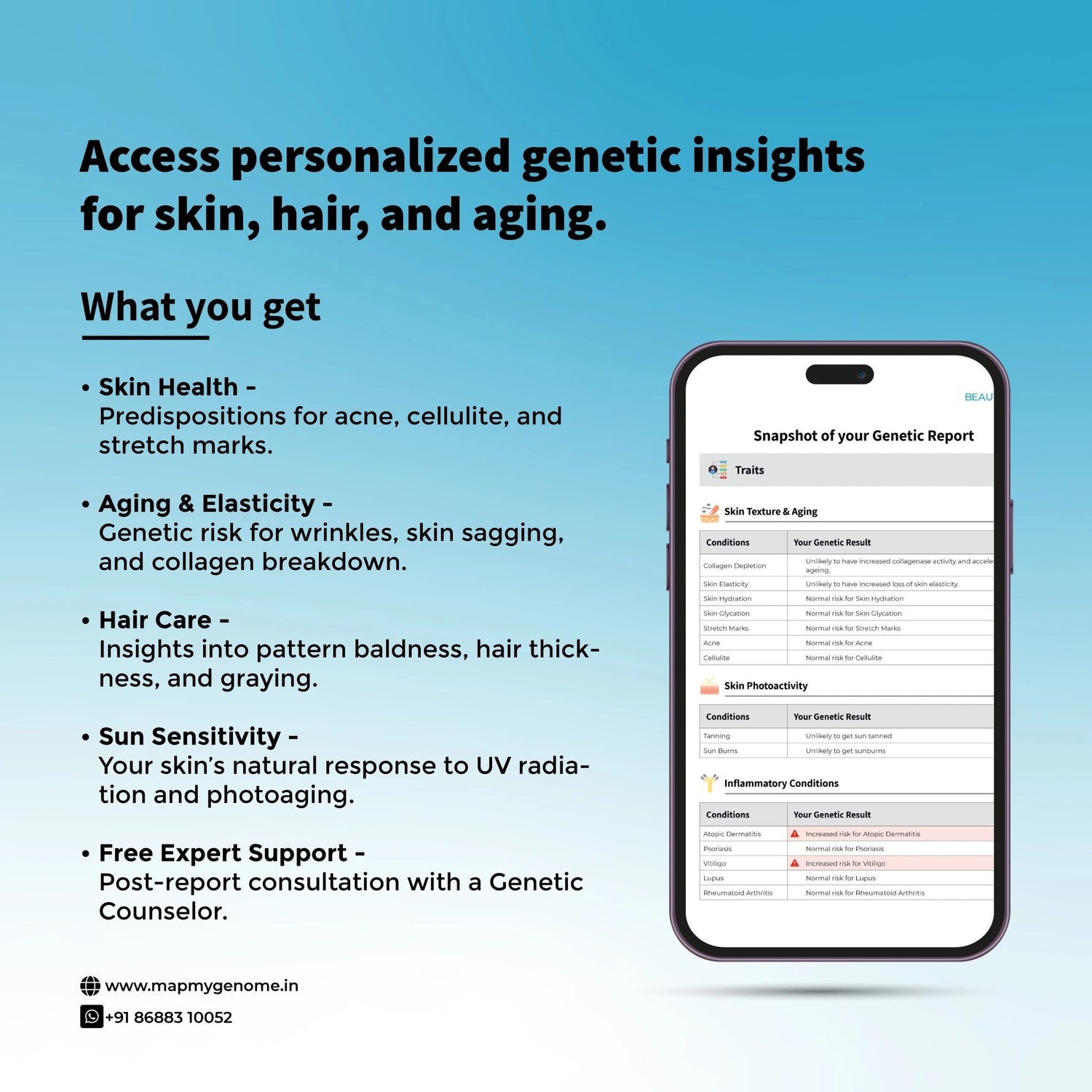
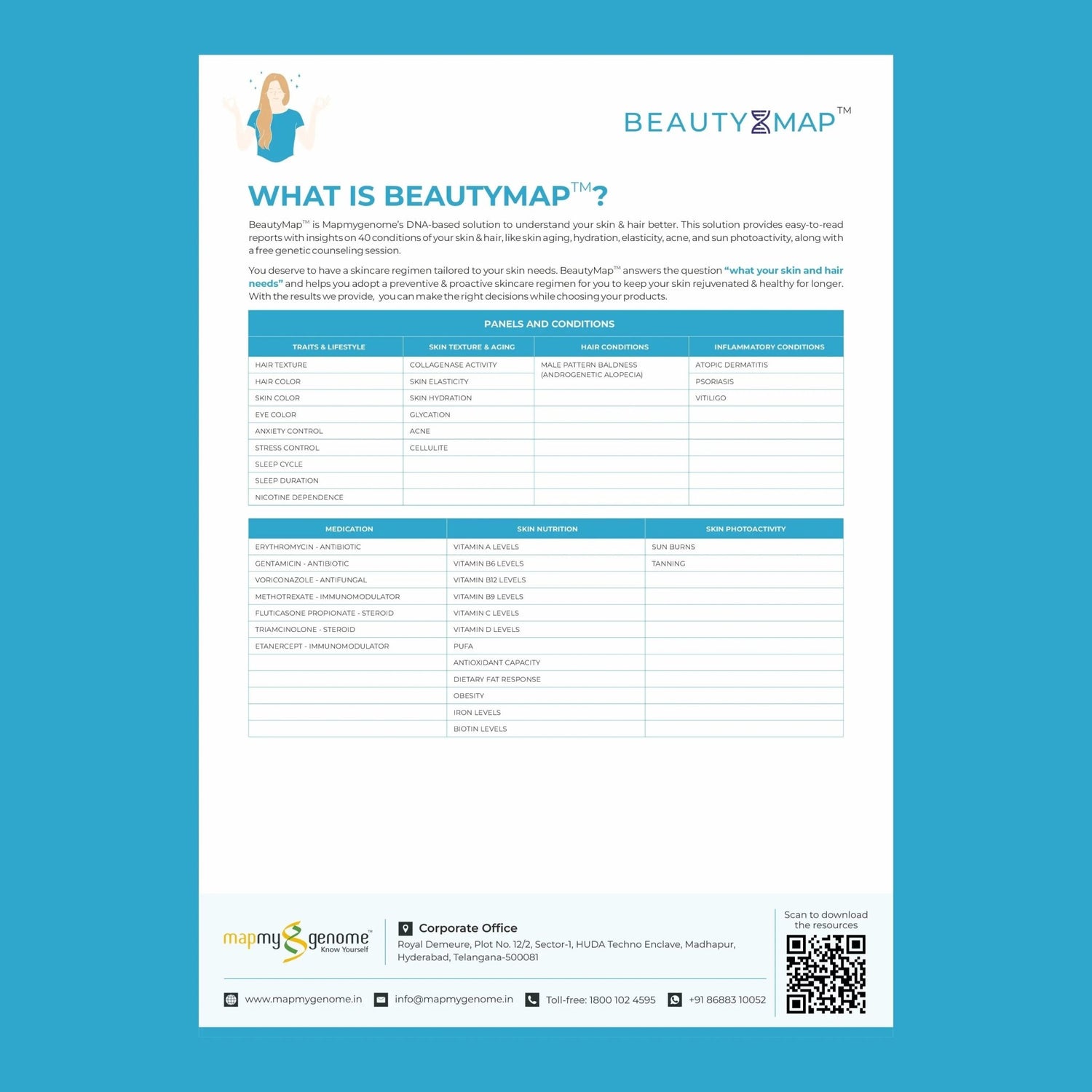
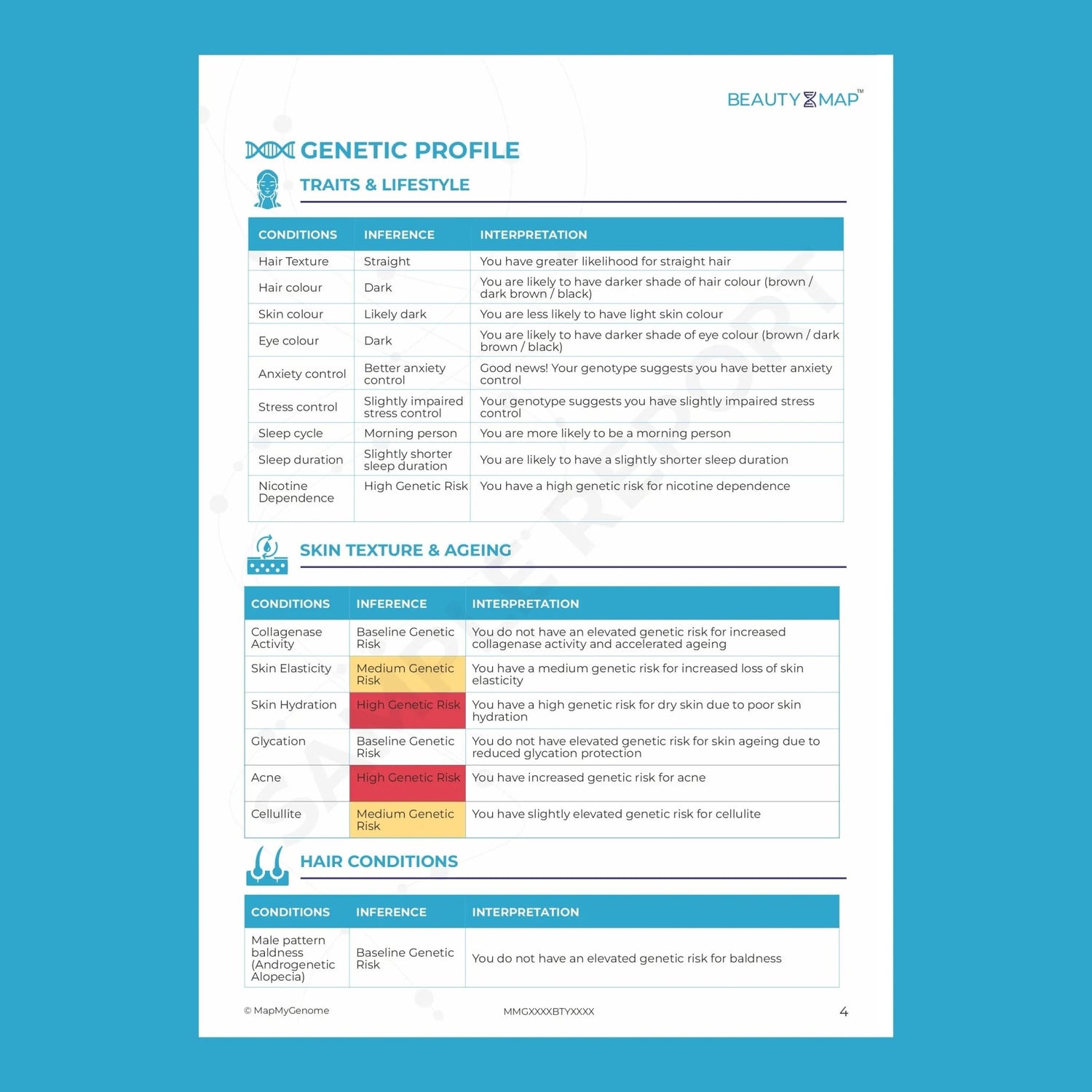
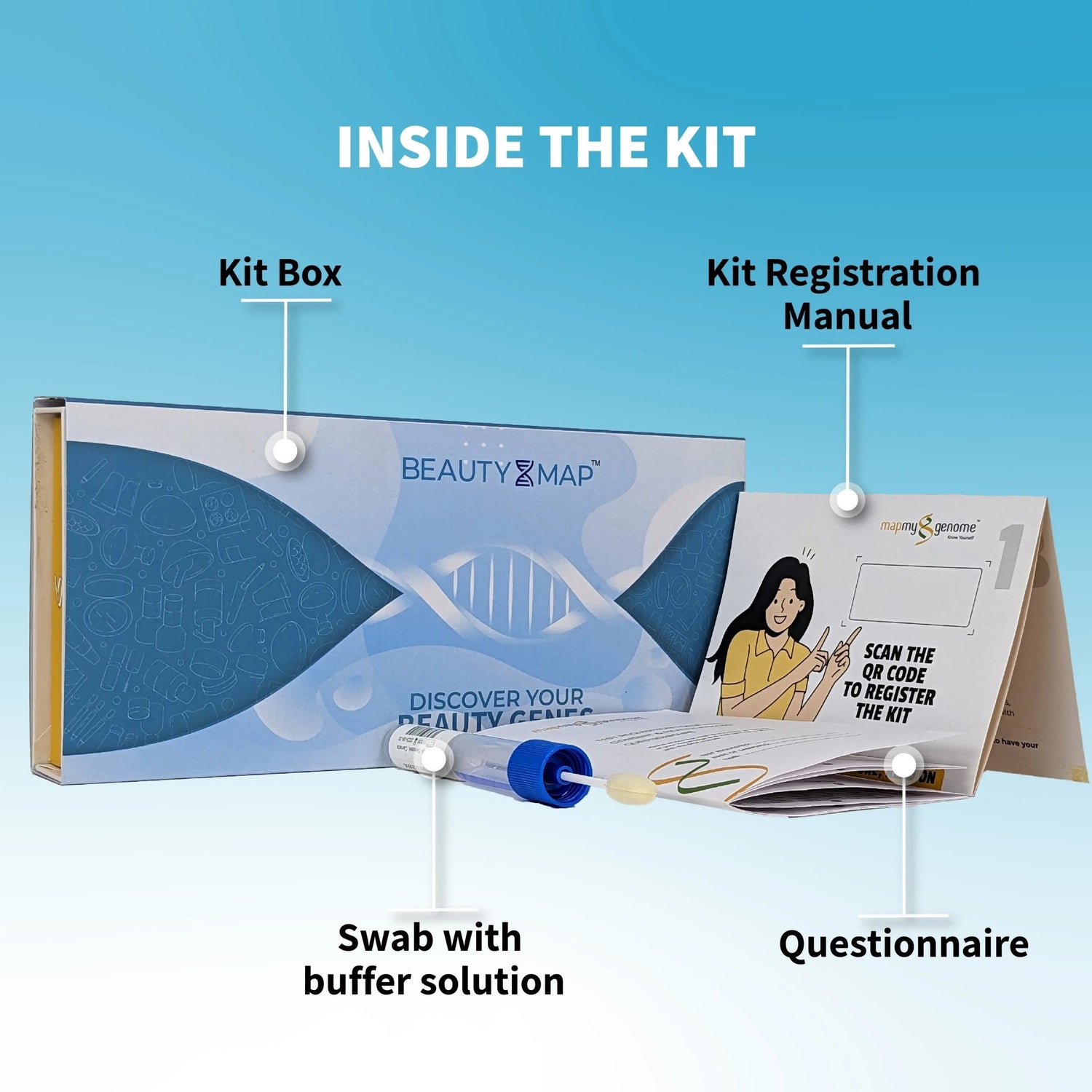
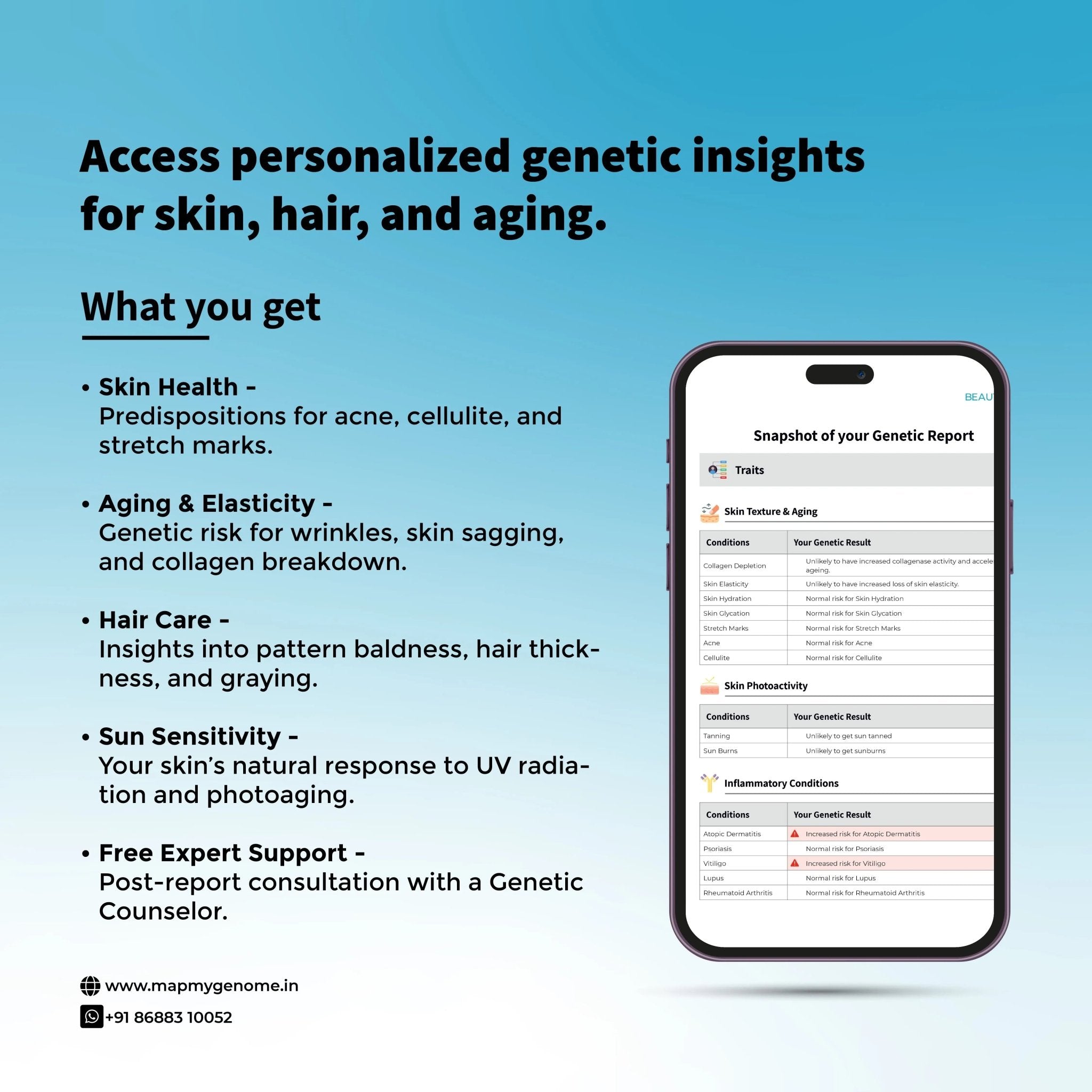
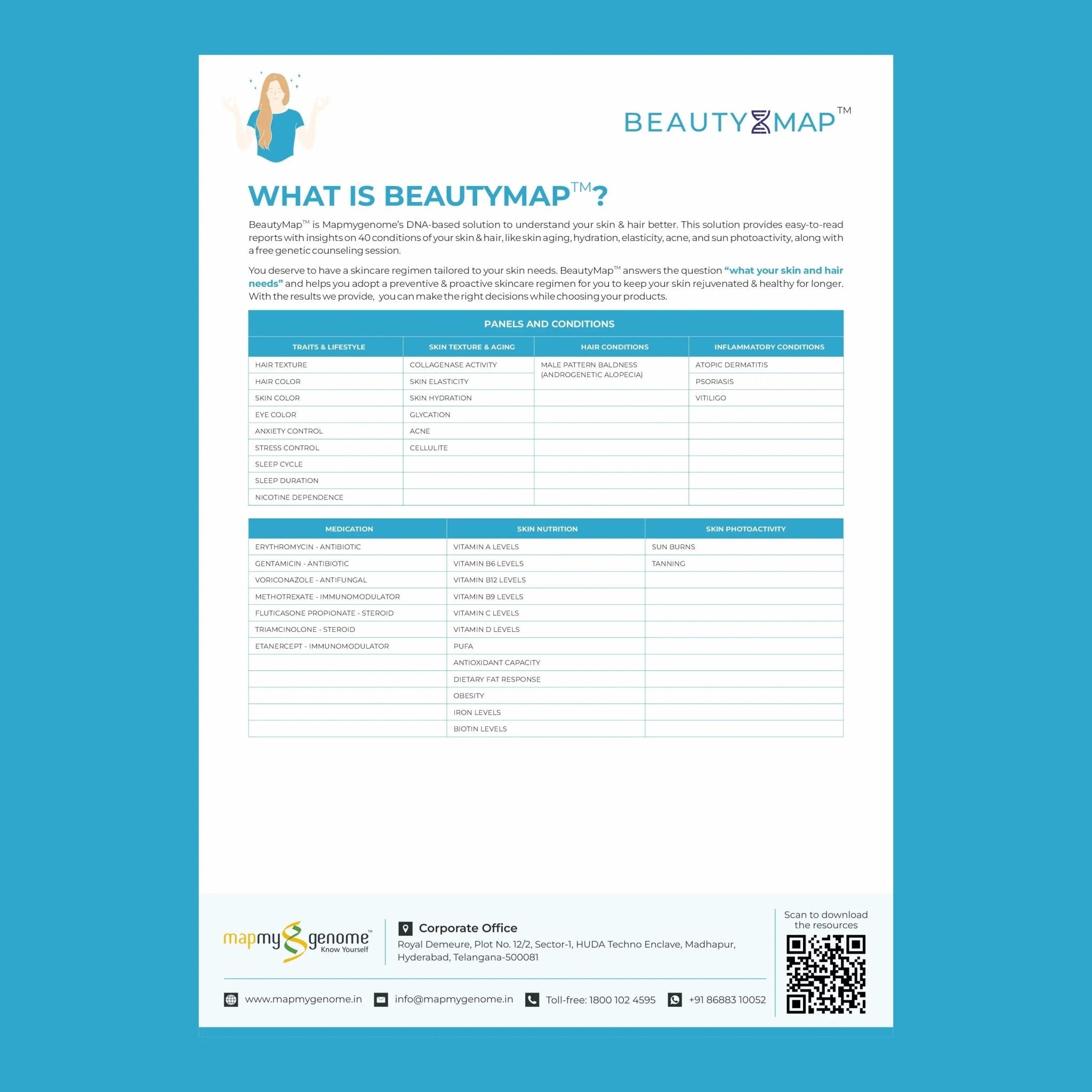
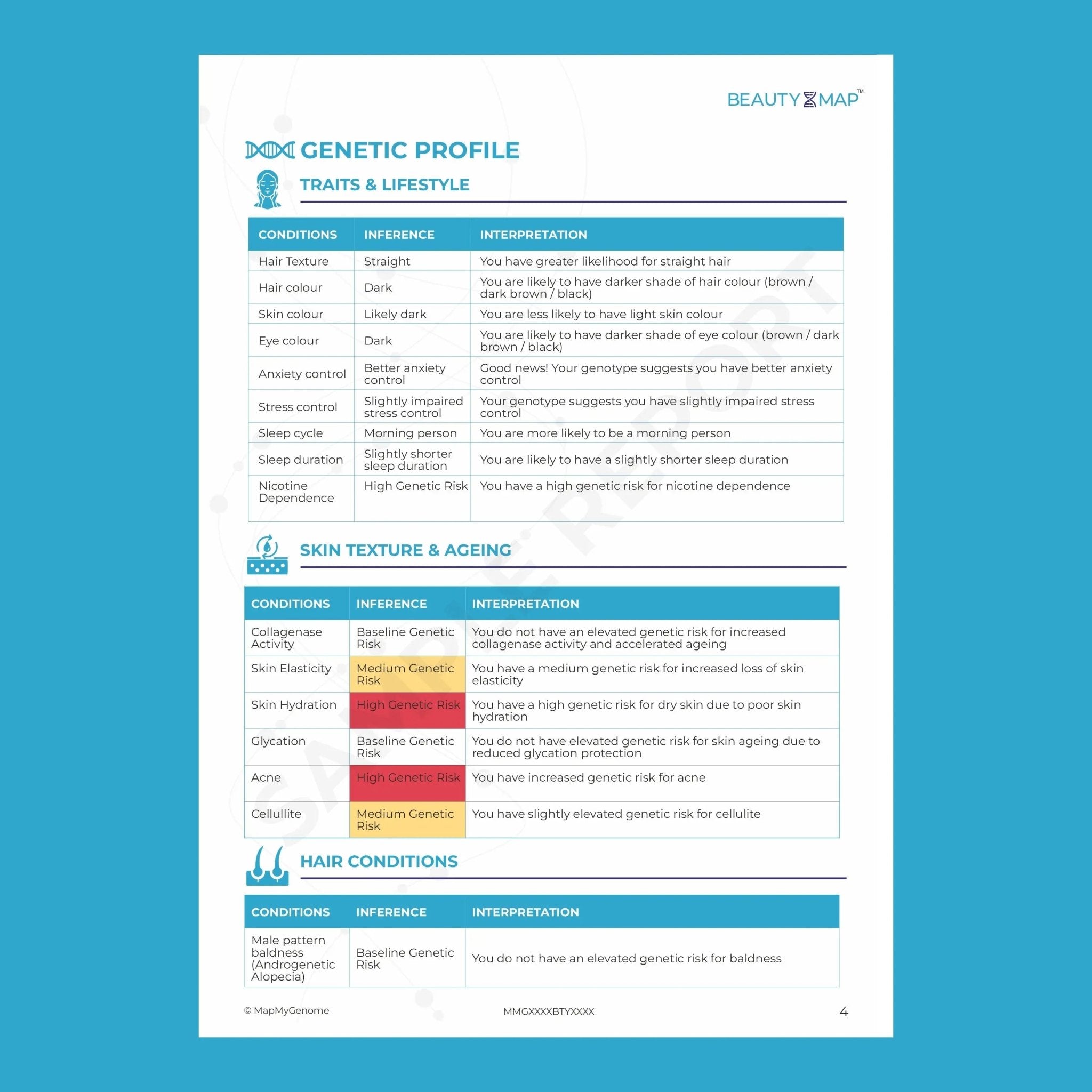
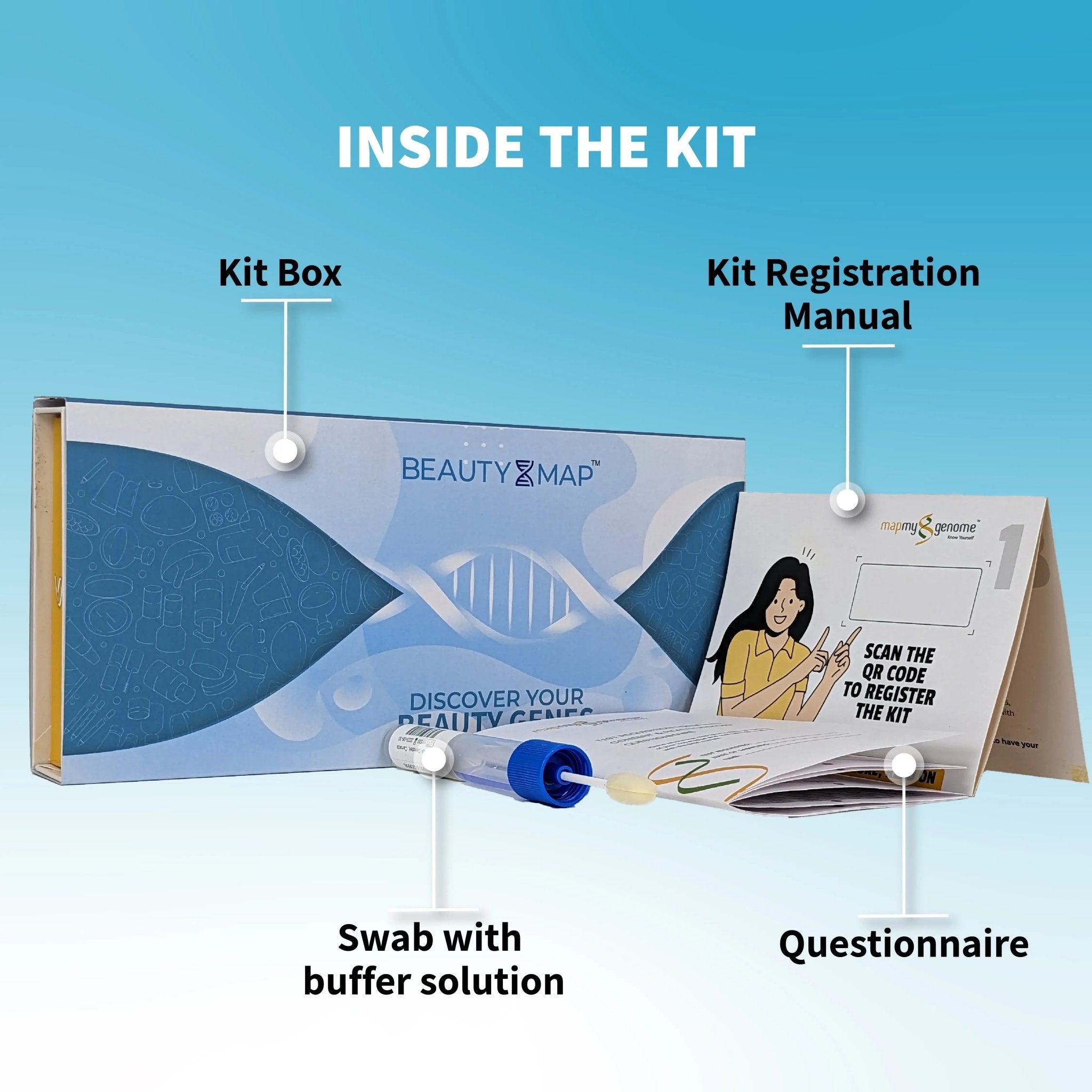
- → Beautymap — DNA Test for Skin, Hair & Beauty Traits — Reveals your genetic predisposition to androgenic alopecia, hair texture, skin aging, and 20+ beauty-related traits
- → Genomepatri — Comprehensive DNA Wellness Test (₹7,999) — Covers hair loss risk alongside 100+ other health and wellness traits
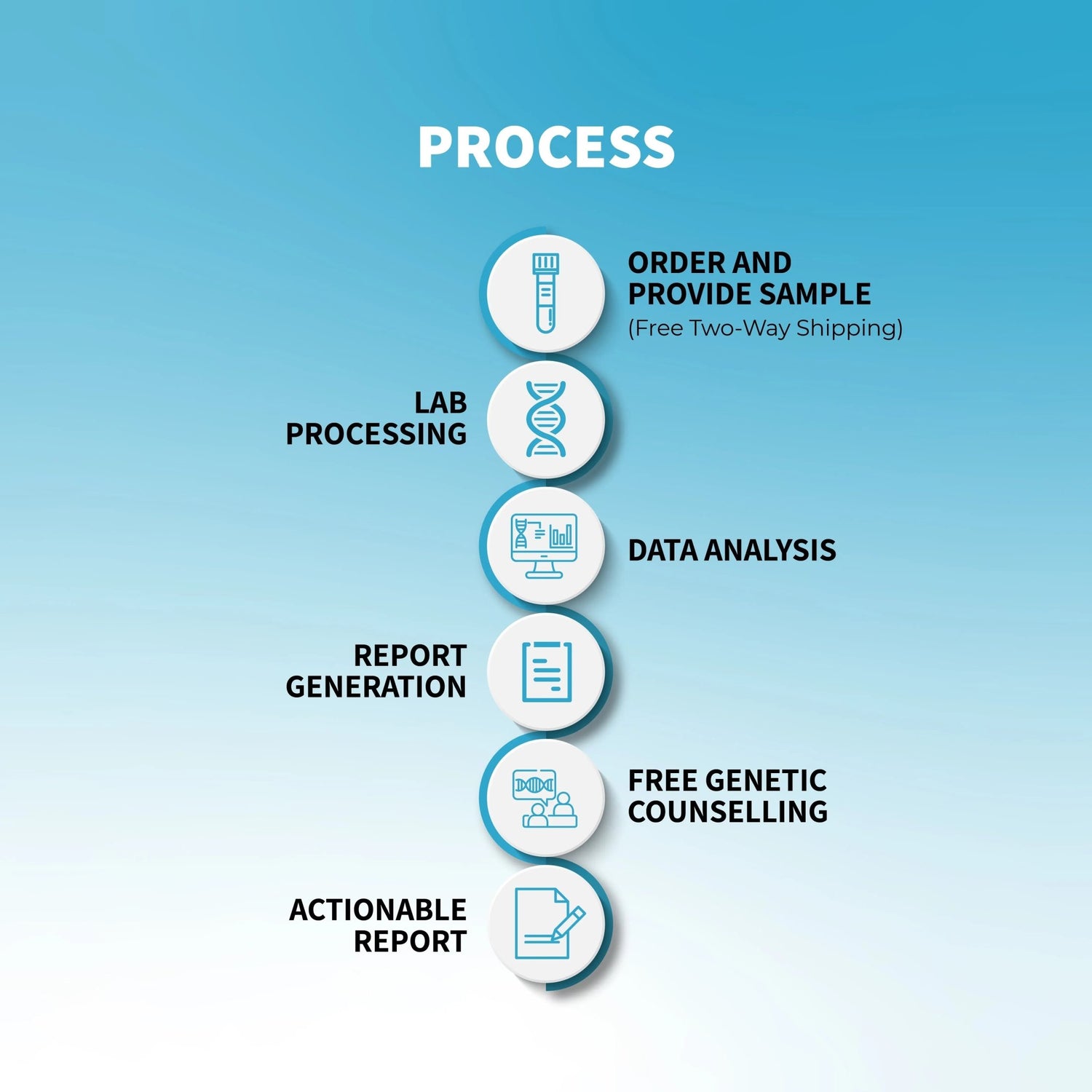
Both tests are done at home with a simple saliva sample. Know your risk. Act early.