

Hair loss is one of the most common concerns affecting both men and women — and one of the most misunderstood. While it's often dismissed as a cosmetic issue, hair loss can be a signal of underlying health conditions, nutritional deficiencies, or hormonal imbalances. And for many people, the root cause is genetic.
How Much Hair Loss Is Normal?
Losing 50–100 hairs per day is considered normal as part of the natural hair growth cycle. Hair loss becomes a concern when shedding exceeds this, when hair doesn't regrow, or when there's visible thinning or bald patches.
Common Causes of Hair Loss
1. Androgenetic Alopecia (Genetic Hair Loss)
The most common cause of hair loss in both men and women. Caused by genetic sensitivity of hair follicles to dihydrotestosterone (DHT), a derivative of testosterone. In men, it typically presents as a receding hairline and crown thinning. In women, it usually presents as diffuse thinning across the top of the scalp.
2. Telogen Effluvium
A temporary form of hair loss triggered by physical or emotional stress, illness, surgery, childbirth, or significant weight loss. Hair follicles prematurely enter the resting (telogen) phase, causing widespread shedding 2–3 months after the triggering event.
3. Nutritional Deficiencies
Iron deficiency (the most common nutritional cause of hair loss), vitamin D deficiency, zinc deficiency, and biotin deficiency can all cause significant hair shedding. Genetic variants affect how efficiently you absorb and utilize these nutrients.
4. Thyroid Disorders
Both hypothyroidism and hyperthyroidism can cause diffuse hair loss. Thyroid function should be checked in anyone with unexplained hair loss.
5. Alopecia Areata
An autoimmune condition in which the immune system attacks hair follicles, causing patchy hair loss. Has a significant genetic component.
6. Scalp Conditions
Seborrheic dermatitis, psoriasis, and fungal infections can cause hair loss if left untreated.
Treatment Options
- Minoxidil (Rogaine): Topical treatment that stimulates hair growth. Effective for androgenetic alopecia in both men and women.
- Finasteride: Oral medication that blocks DHT production. Effective for male pattern baldness.
- Nutritional supplementation: Addressing iron, vitamin D, zinc, or biotin deficiencies can reverse deficiency-related hair loss.
- PRP (Platelet-Rich Plasma) therapy: Injections of concentrated growth factors to stimulate hair follicle activity.
- Hair transplant surgery: For advanced androgenetic alopecia where medical treatments are insufficient.
The Genetic Component of Hair Loss
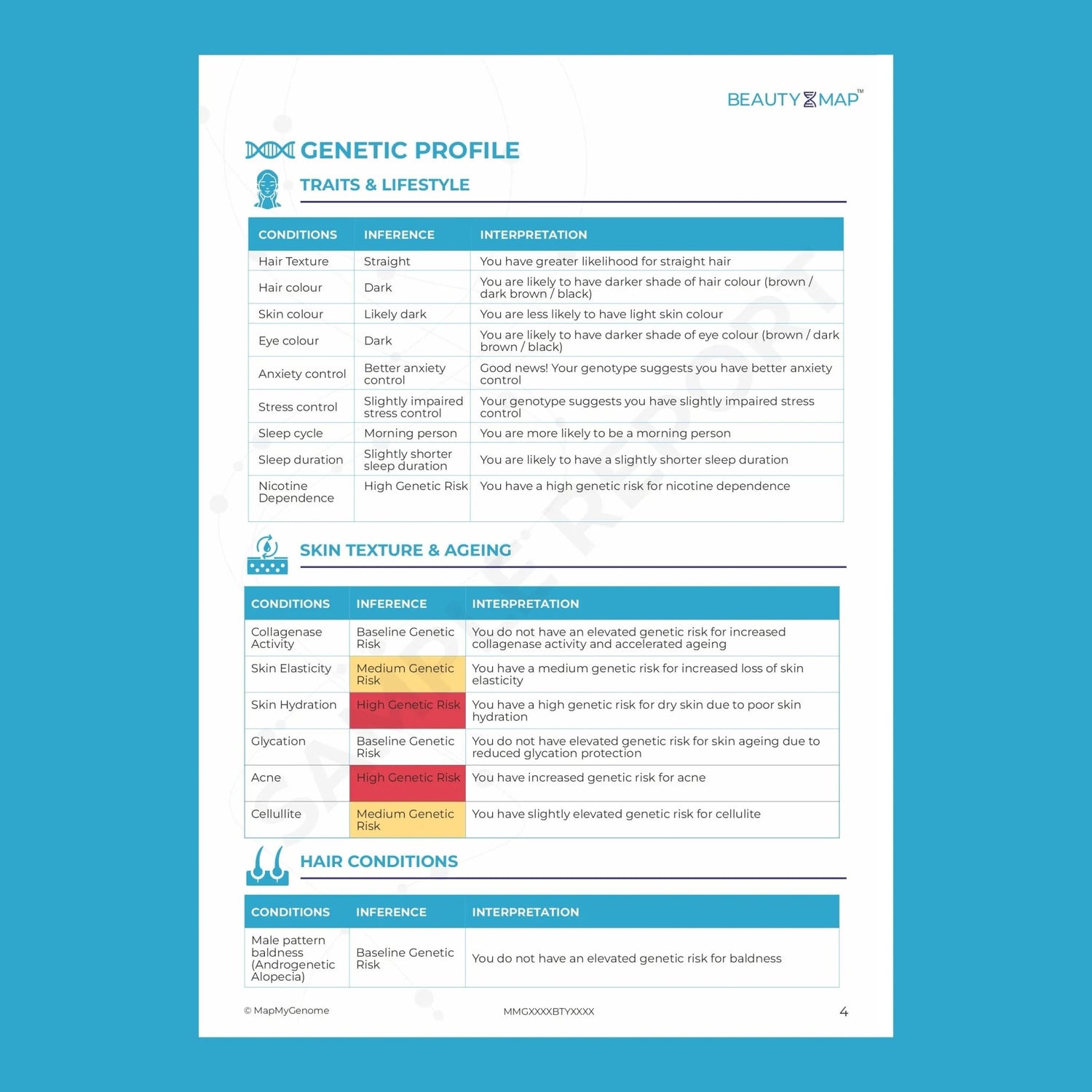
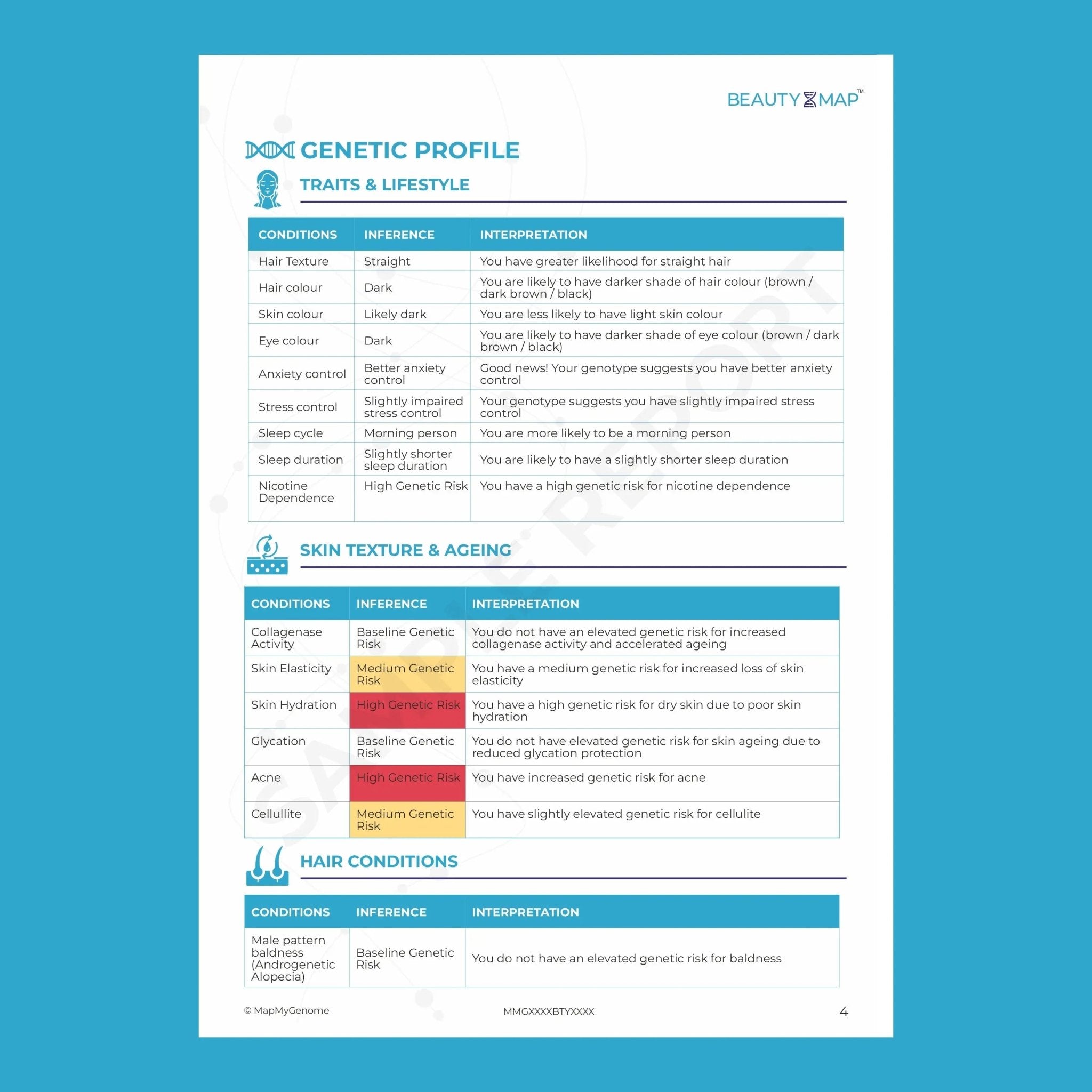
Androgenetic alopecia is highly heritable — if your parents or grandparents experienced significant hair loss, your risk is substantially elevated. Genetic testing can identify your predisposition to androgenetic alopecia, your sensitivity to DHT, and your genetic requirements for hair-supporting nutrients like iron, zinc, and biotin — allowing you to take preventive action before significant loss occurs.
FAQs
Can hair loss be reversed?
It depends on the cause. Nutritional deficiency-related and telogen effluvium hair loss is usually reversible once the underlying cause is addressed. Androgenetic alopecia can be slowed and partially reversed with early treatment, but advanced loss is difficult to reverse without surgical intervention.
When should I see a doctor about hair loss?
See a doctor if hair loss is sudden, patchy, accompanied by other symptoms (fatigue, weight changes, skin changes), or if you're losing more than 100 hairs per day consistently.
Understand Your Genetic Hair Loss Risk
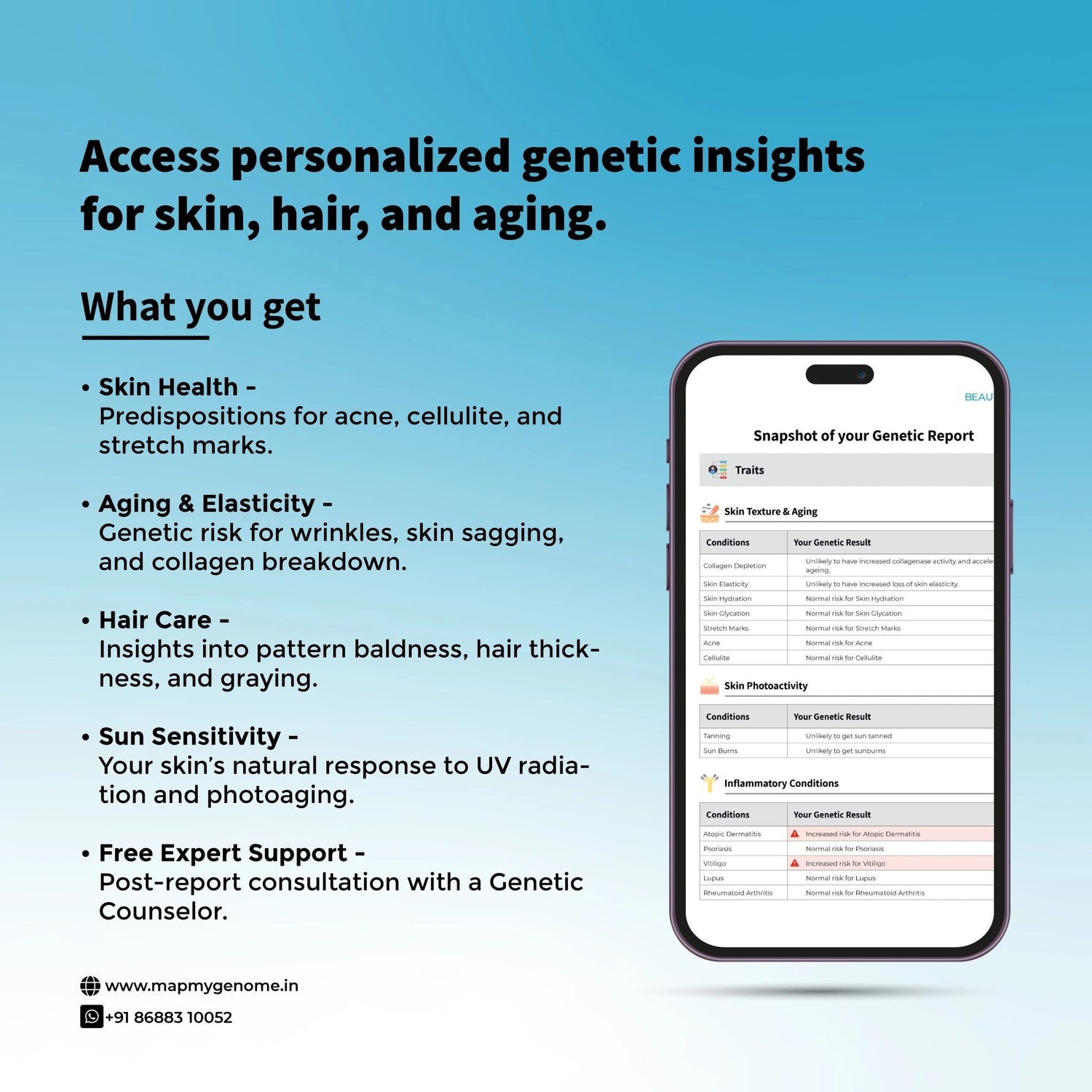
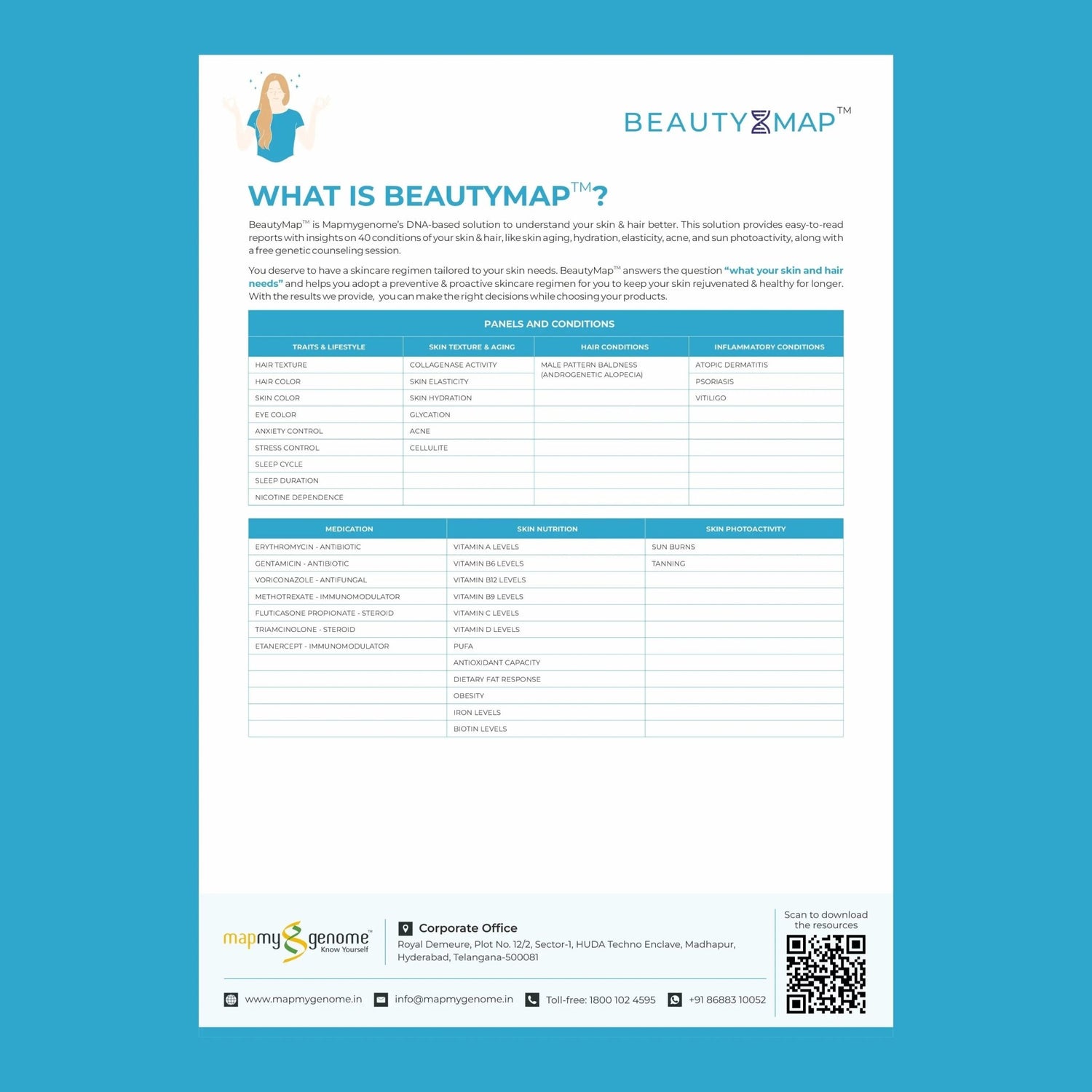
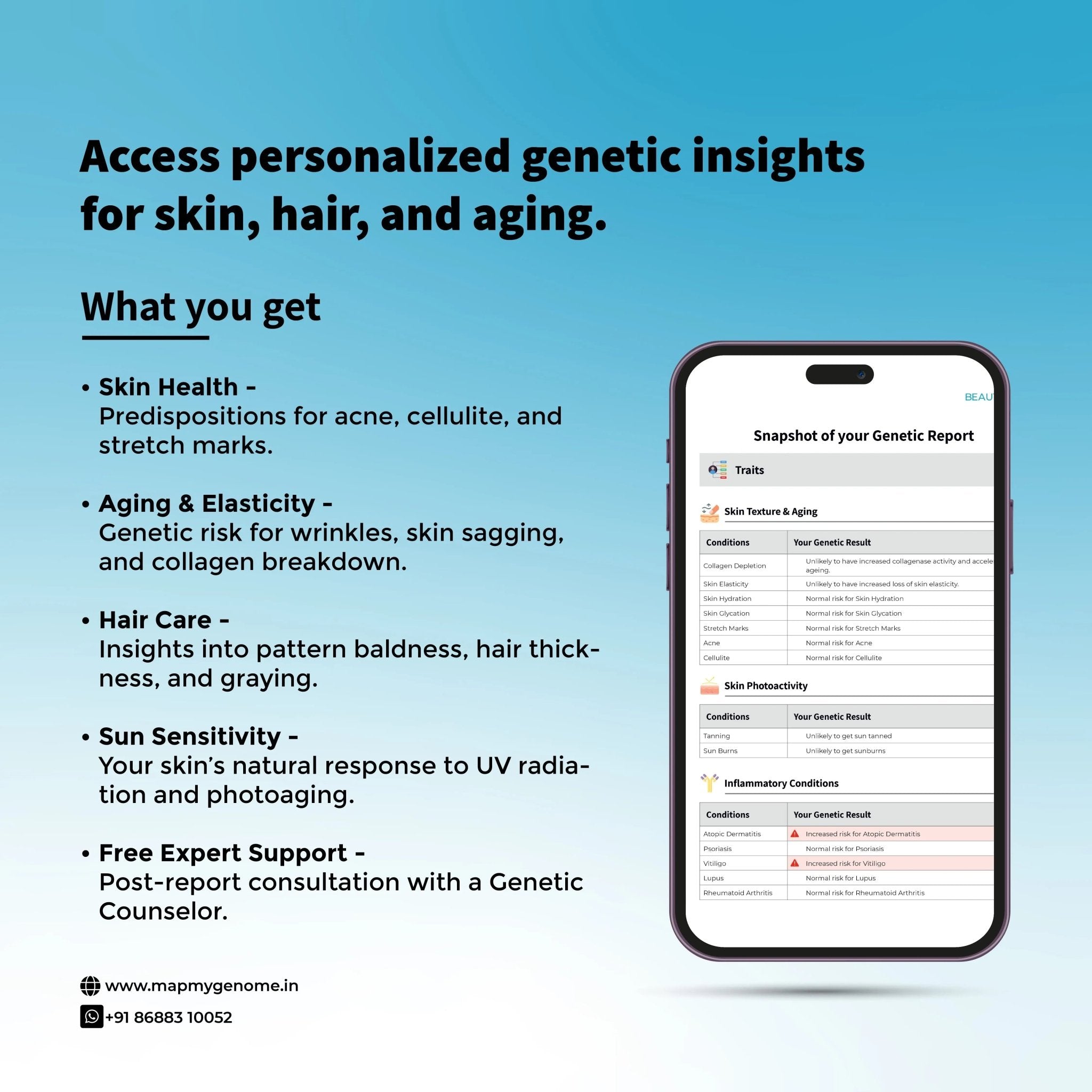
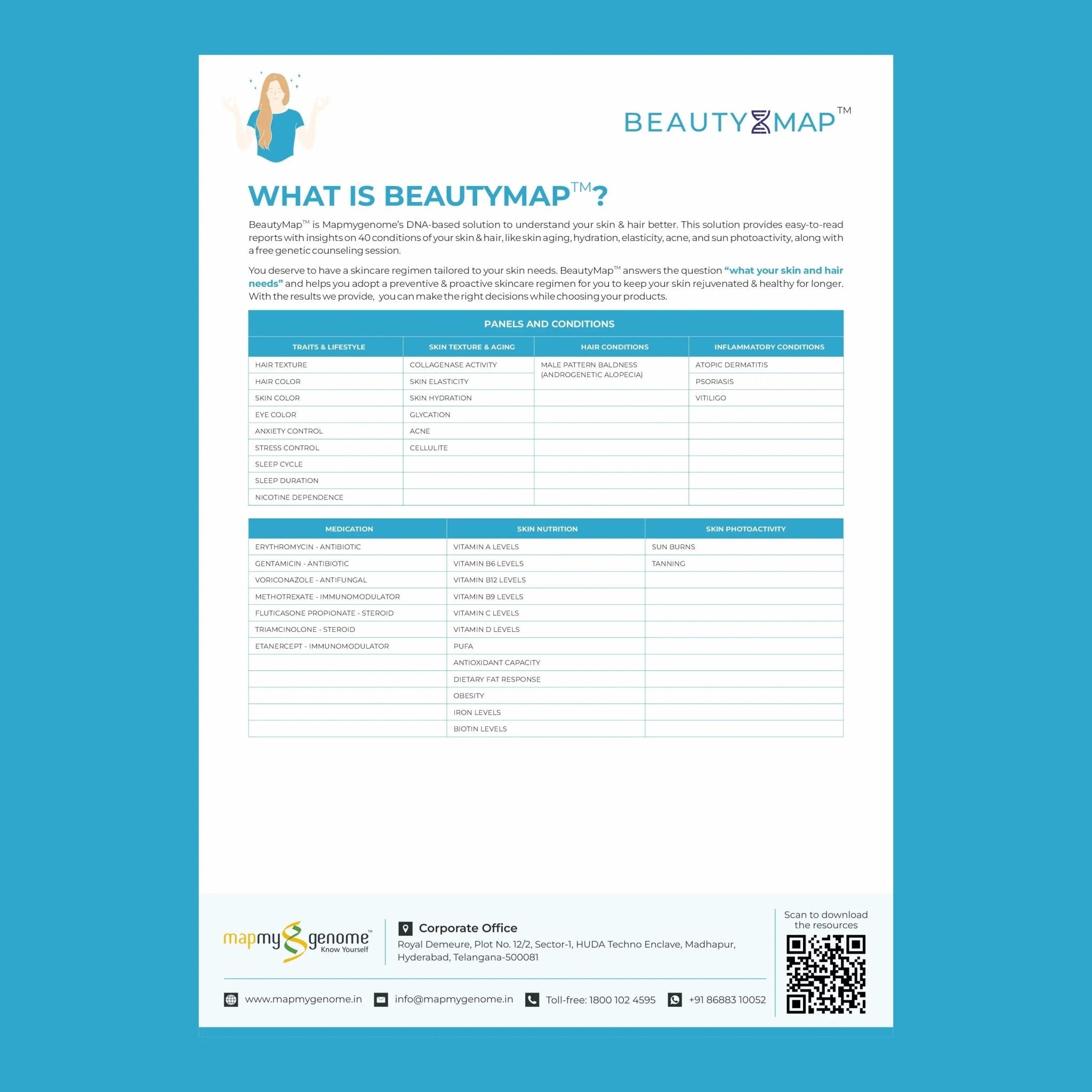
Genomepatri and BeautyMap by MapmyGenome include genetic insights into your predisposition to androgenetic alopecia, DHT sensitivity, and nutritional needs for hair health — so you can take targeted preventive action before significant loss occurs.