

Gut infections are among the most common health complaints worldwide — and in India, where food safety and water quality vary significantly, they're a particularly frequent concern. Understanding the most common gut infections, how to recognize them, and how to prevent them can save you significant discomfort and protect your long-term digestive health.
What Are Gut Infections?
Gut infections (also called gastrointestinal infections) occur when pathogens — bacteria, viruses, parasites, or fungi — invade the digestive tract. They can affect the stomach, small intestine, or large intestine, causing a range of symptoms from mild discomfort to severe illness.
Common Types of Gut Infections
Bacterial Infections
- Salmonella: Typically from contaminated poultry, eggs, or dairy. Causes fever, diarrhea, and abdominal cramps 12–72 hours after exposure.
- E. coli (ETEC/EHEC): Enterotoxigenic E. coli is a leading cause of traveler's diarrhea. Enterohemorrhagic E. coli (O157:H7) can cause severe bloody diarrhea and kidney complications.
- Campylobacter: Often from undercooked poultry or contaminated water. One of the most common causes of bacterial gastroenteritis globally.
- Helicobacter pylori: A chronic bacterial infection of the stomach lining, associated with peptic ulcers and increased gastric cancer risk. Affects approximately 50% of the global population.
- Cholera: Caused by Vibrio cholerae in contaminated water. Can cause severe, life-threatening dehydration.
Viral Infections
- Norovirus: The most common cause of viral gastroenteritis globally. Spreads rapidly in close-contact settings. Causes sudden onset vomiting and diarrhea.
- Rotavirus: A leading cause of severe diarrhea in young children. Vaccine-preventable.
- Hepatitis A: A viral liver infection spread through contaminated food and water. Vaccine-preventable.
Parasitic Infections
- Giardia: A common waterborne parasite causing chronic diarrhea, bloating, and malabsorption.
- Entamoeba histolytica: Causes amoebic dysentery, particularly common in areas with poor sanitation.
- Cryptosporidium: A waterborne parasite causing watery diarrhea, particularly dangerous in immunocompromised individuals.
Symptoms to Watch For
Common symptoms of gut infections include diarrhea (watery or bloody), nausea and vomiting, abdominal cramps and pain, fever, and dehydration. Seek medical attention if symptoms are severe, persist beyond 3–5 days, include blood in stool, or are accompanied by high fever or signs of dehydration.
Prevention Strategies
- Food safety: Cook meat and poultry thoroughly; wash fruits and vegetables; avoid raw or undercooked eggs and shellfish
- Water safety: Drink filtered or boiled water; avoid ice made from tap water when traveling
- Hand hygiene: Wash hands thoroughly before eating and after using the toilet
- Vaccination: Hepatitis A and rotavirus vaccines provide protection against specific gut infections
- Gut microbiome health: A diverse, robust gut microbiome provides colonization resistance against pathogens
FAQs
How long do gut infections typically last?
Most viral and bacterial gut infections resolve within 1–5 days with supportive care (hydration, rest). Parasitic infections and H. pylori require specific antibiotic treatment and may persist for weeks if untreated.
Can gut infections cause long-term problems?
Yes. Some gut infections can trigger post-infectious IBS, alter the gut microbiome composition, or (in the case of H. pylori) increase long-term cancer risk if untreated.
Know What’s Living in Your Gut
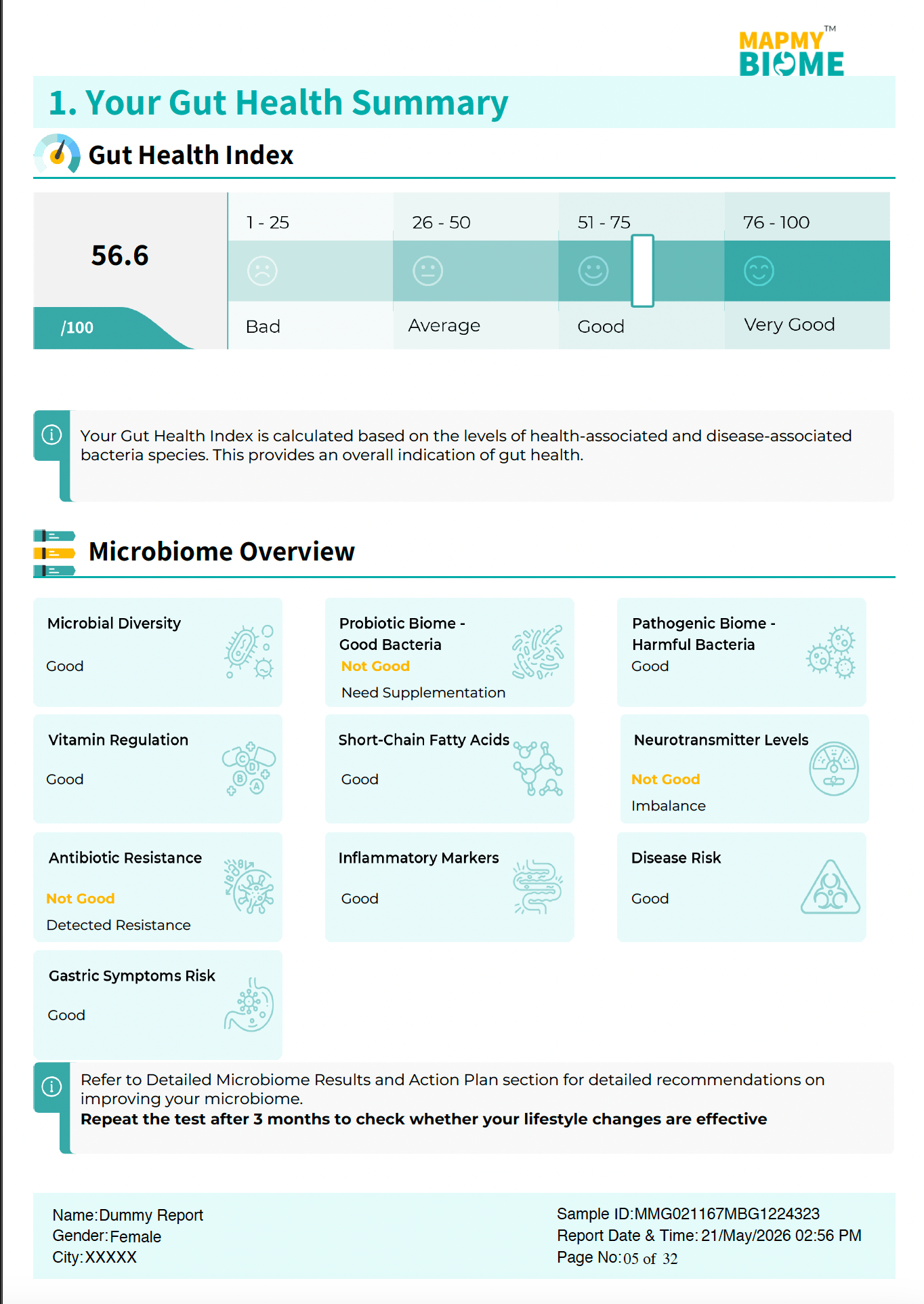
MapmyBiome uses advanced shotgun sequencing to map your gut microbiome — identifying pathogenic bacteria like H. pylori, detecting dysbiosis patterns, and giving you personalised recommendations to restore a healthy, resilient gut ecosystem.