


The world of gut health supplements can be confusing — prebiotics, probiotics, postbiotics, synbiotics. What's the difference, and which do you actually need? Here's a clear, science-based guide to understanding these three key categories and how they work together to support your gut microbiome.
Probiotics: The Live Bacteria
Probiotics are live microorganisms that, when consumed in adequate amounts, confer a health benefit on the host. They work by adding beneficial bacteria to your gut, competing with harmful bacteria for space and resources, producing antimicrobial compounds, and modulating immune function.
Key Probiotic Strains and Their Benefits
- Lactobacillus acidophilus: Supports lactose digestion, reduces diarrhea, and may help with IBS symptoms.
- Bifidobacterium longum: Reduces inflammation, supports immune function, and may improve mood via the gut-brain axis.
- Lactobacillus rhamnosus GG: One of the most studied strains; reduces antibiotic-associated diarrhea and supports gut barrier integrity.
- Saccharomyces boulardii: A beneficial yeast that reduces traveler's diarrhea and C. difficile-associated diarrhea.
Food Sources of Probiotics
Yogurt (with live cultures), kefir, kimchi, sauerkraut, miso, tempeh, kombucha, and Indian fermented foods like idli, dosa, and kanji.
Prebiotics: The Food for Bacteria
Prebiotics are non-digestible food components (primarily dietary fibers) that selectively stimulate the growth and activity of beneficial gut bacteria. They're the fertilizer for your gut garden.
Key Prebiotic Types
- Inulin and FOS (fructooligosaccharides): Found in garlic, onions, leeks, asparagus, and bananas. Selectively feed Bifidobacterium species.
- GOS (galactooligosaccharides): Found in legumes and some dairy. Support Lactobacillus and Bifidobacterium growth.
- Resistant starch: Found in cooked and cooled rice, potatoes, and green bananas. Feeds butyrate-producing bacteria.
- Pectin: Found in apples, citrus fruits, and berries. Supports microbial diversity.
Postbiotics: The Beneficial Byproducts
Postbiotics are the bioactive compounds produced by gut bacteria during fermentation — including short-chain fatty acids (SCFAs), bacteriocins, enzymes, and cell wall fragments. They're increasingly recognized as key mediators of the health benefits attributed to probiotics.
Key Postbiotics and Their Benefits
- Butyrate: The primary fuel for colonocytes (colon cells). Supports gut barrier integrity, reduces inflammation, and may protect against colorectal cancer.
- Propionate: Regulates blood sugar and cholesterol levels; signals satiety to the brain.
- Acetate: Supports immune function and energy metabolism.
How They Work Together
The most effective approach combines all three: prebiotics feed the beneficial bacteria (probiotics), which produce postbiotics that directly benefit your health. This is why whole food sources of probiotics — which come packaged with prebiotic fibers — are often more effective than isolated probiotic supplements.
FAQs
Should I take a probiotic supplement?
Probiotic supplements are most beneficial after antibiotic use, during travel, or when you have specific digestive symptoms. For general gut health maintenance, a diet rich in fermented foods and prebiotic fiber is usually sufficient.
How do I know which probiotic strains I need?
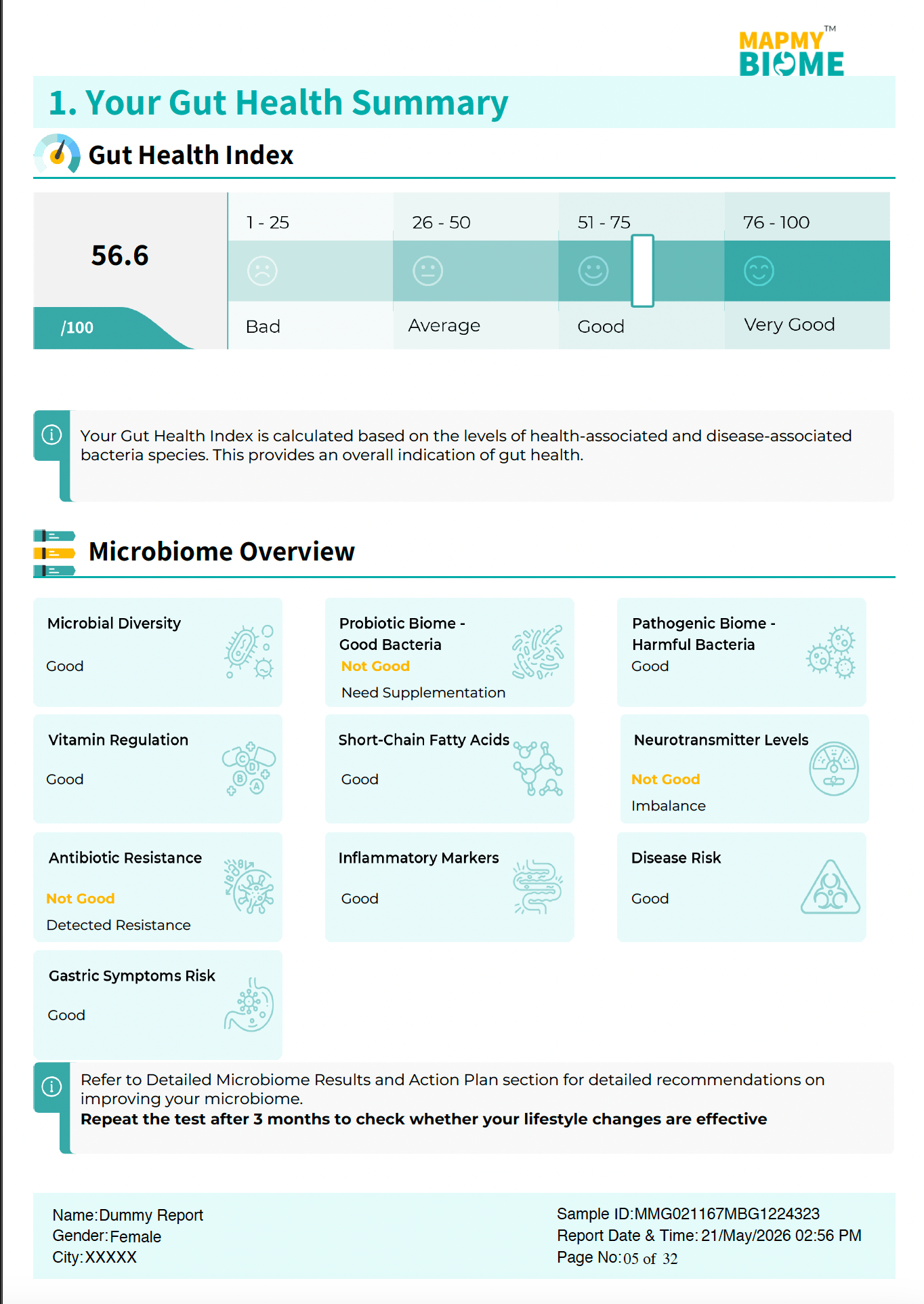
Gut microbiome testing can identify which beneficial bacteria are deficient in your gut, allowing you to choose probiotic strains that specifically address your imbalances rather than taking a generic supplement.
Find Out Exactly Which Probiotics Your Gut Needs
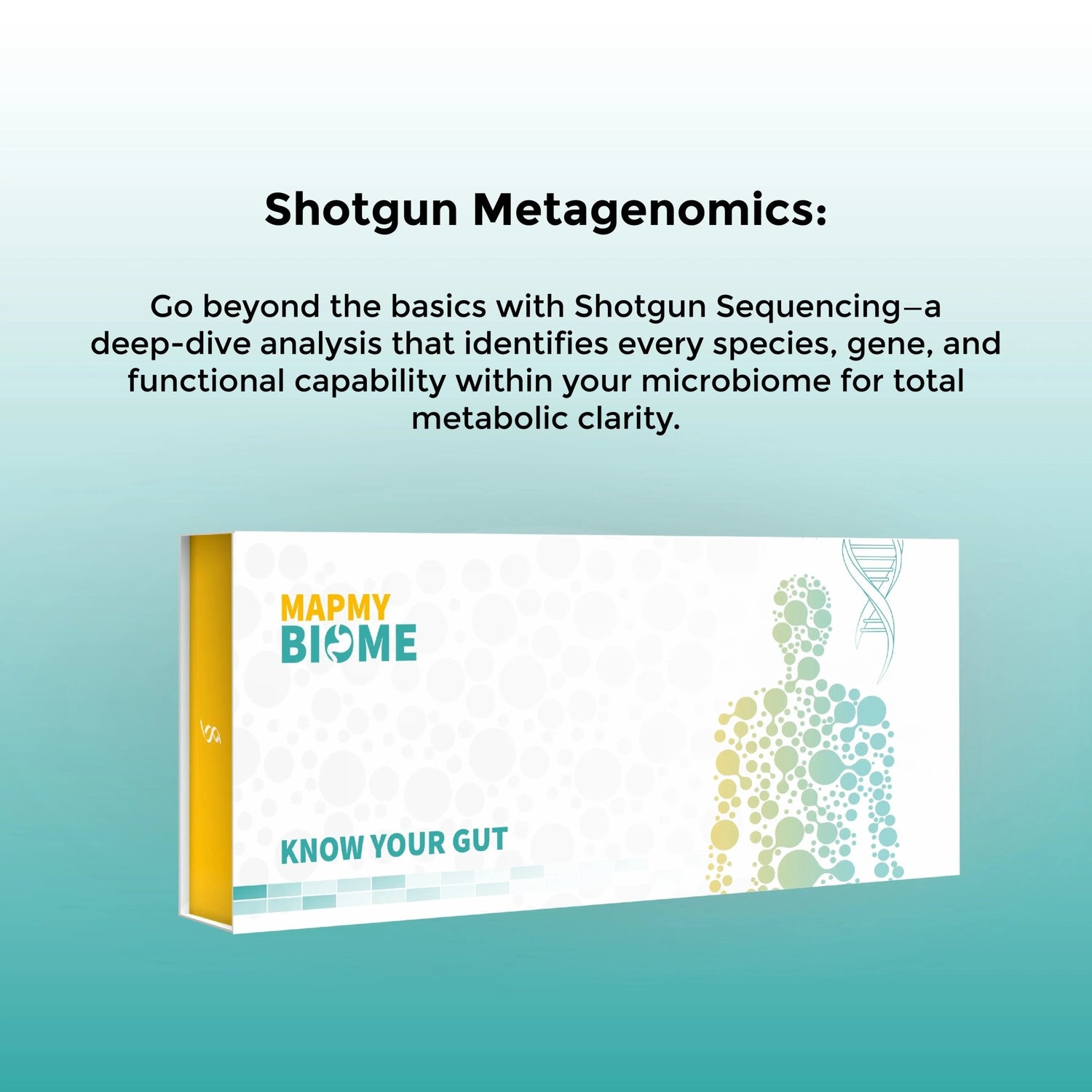
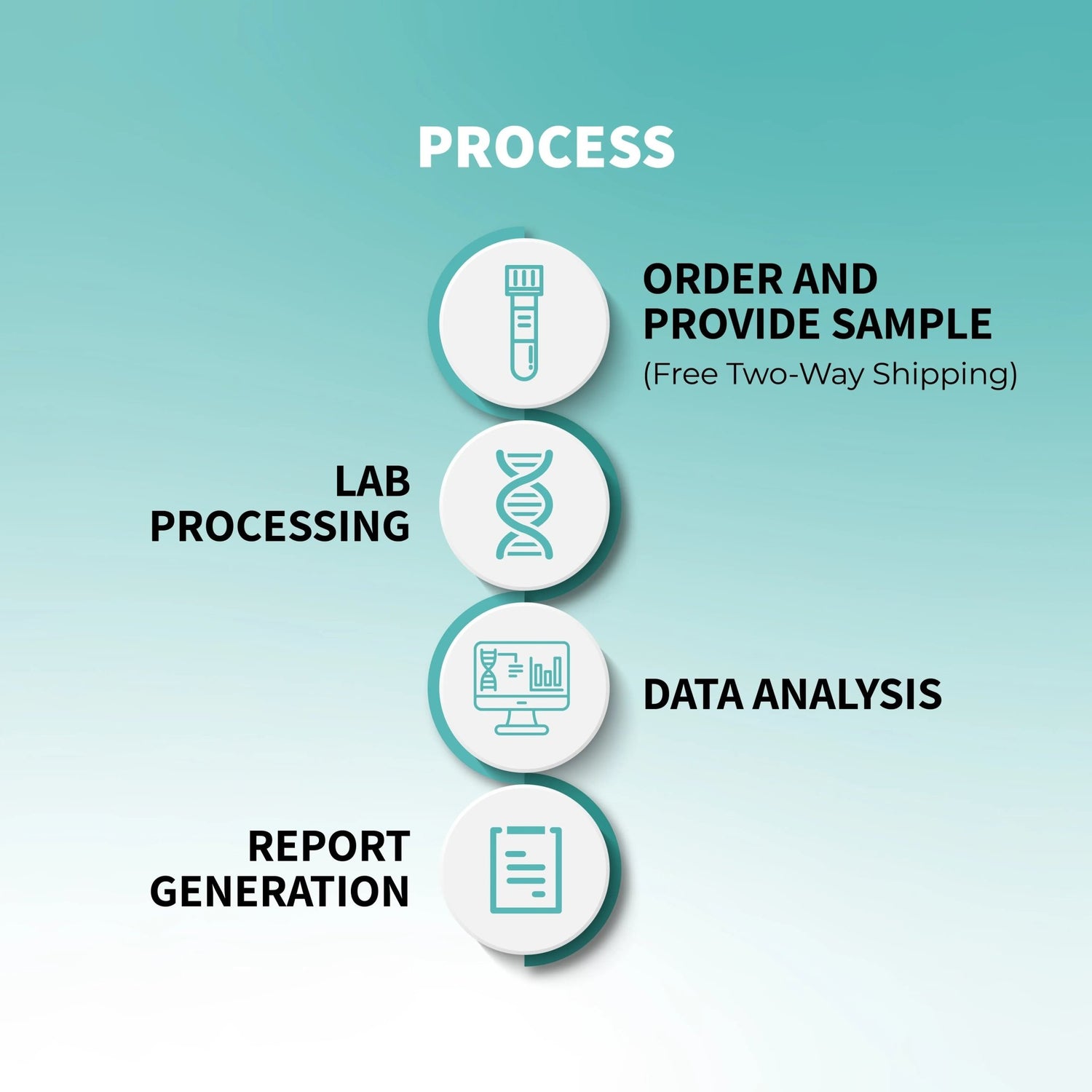
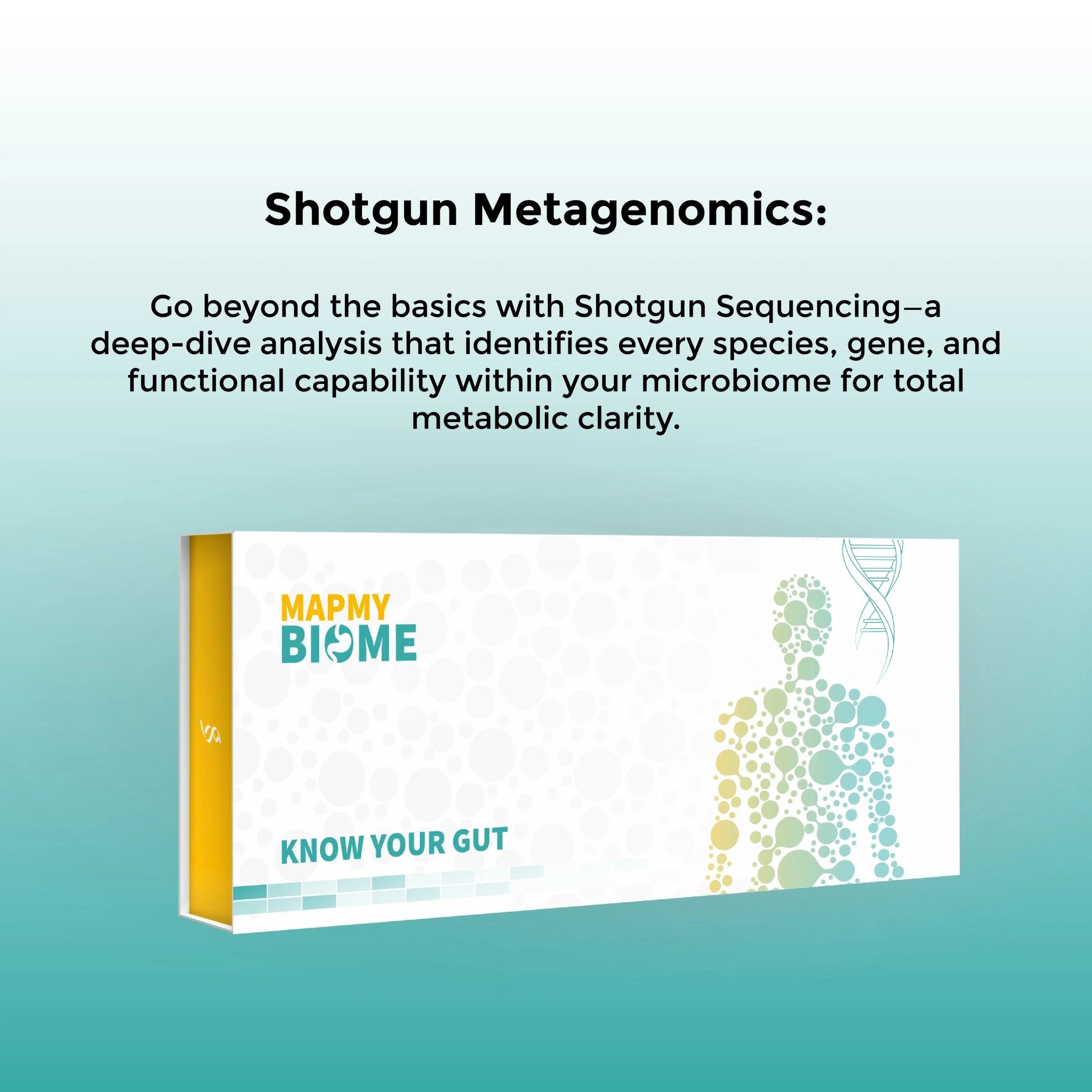
MapmyBiome uses advanced shotgun sequencing to identify your specific gut bacterial composition — so you can choose targeted probiotic strains and prebiotic foods that address your actual imbalances, not just generic gut health advice.







1 comment
Very helpful article please keep on posting like this articles to me