

Rare genetic disorders affect millions of people worldwide, yet they remain underdiagnosed or misdiagnosed due to their complexity. Advances in genetic testing have revolutionised the diagnosis and management of these conditions, offering hope to individuals and families seeking answers.
What Are Rare Genetic Disorders?
A rare genetic disorder is a condition caused by mutations in one or more genes, affecting a small percentage of the population. Well-known examples include cystic fibrosis, Huntington’s disease, Duchenne muscular dystrophy, and spinal muscular atrophy. While each condition is rare, collectively, rare genetic disorders impact over 300 million people globally.
The Importance of Early Diagnosis
For many rare genetic disorders, early diagnosis is critical for effective management and treatment. Without an accurate diagnosis, individuals may suffer for years, undergoing unnecessary treatments or being misdiagnosed. For example, spinal muscular atrophy (SMA) can lead to significant loss of motor function if left untreated — but with early intervention, treatments are now available to slow disease progression and significantly improve quality of life.
How DNA Testing for Rare Diseases Works
DNA testing for rare genetic disorders involves analysing an individual’s genetic material to identify mutations linked to a specific condition. Key types of genetic tests include:
- Whole Genome Sequencing (WGS): Analyses the entire genome to detect genetic mutations. Particularly useful when the cause of a disorder is unknown or multiple genes may be involved.
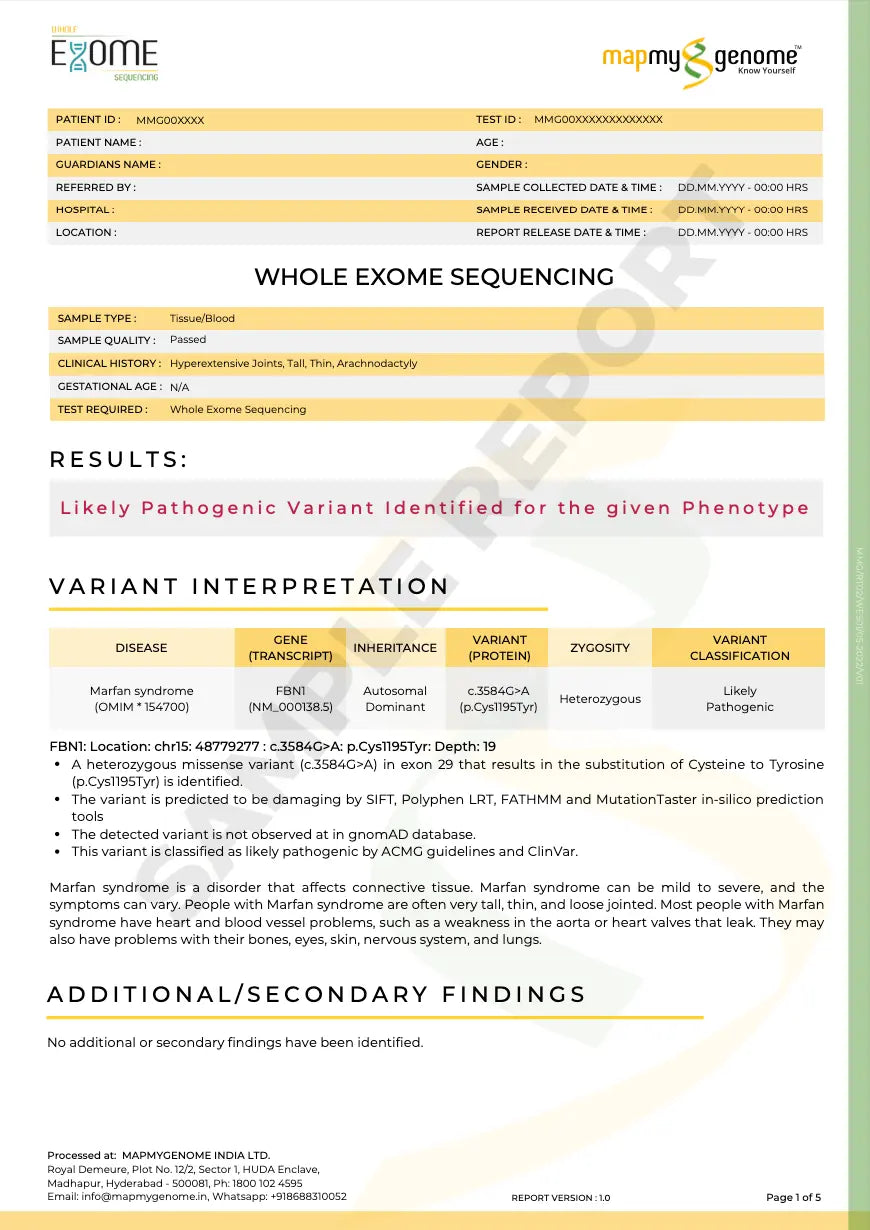
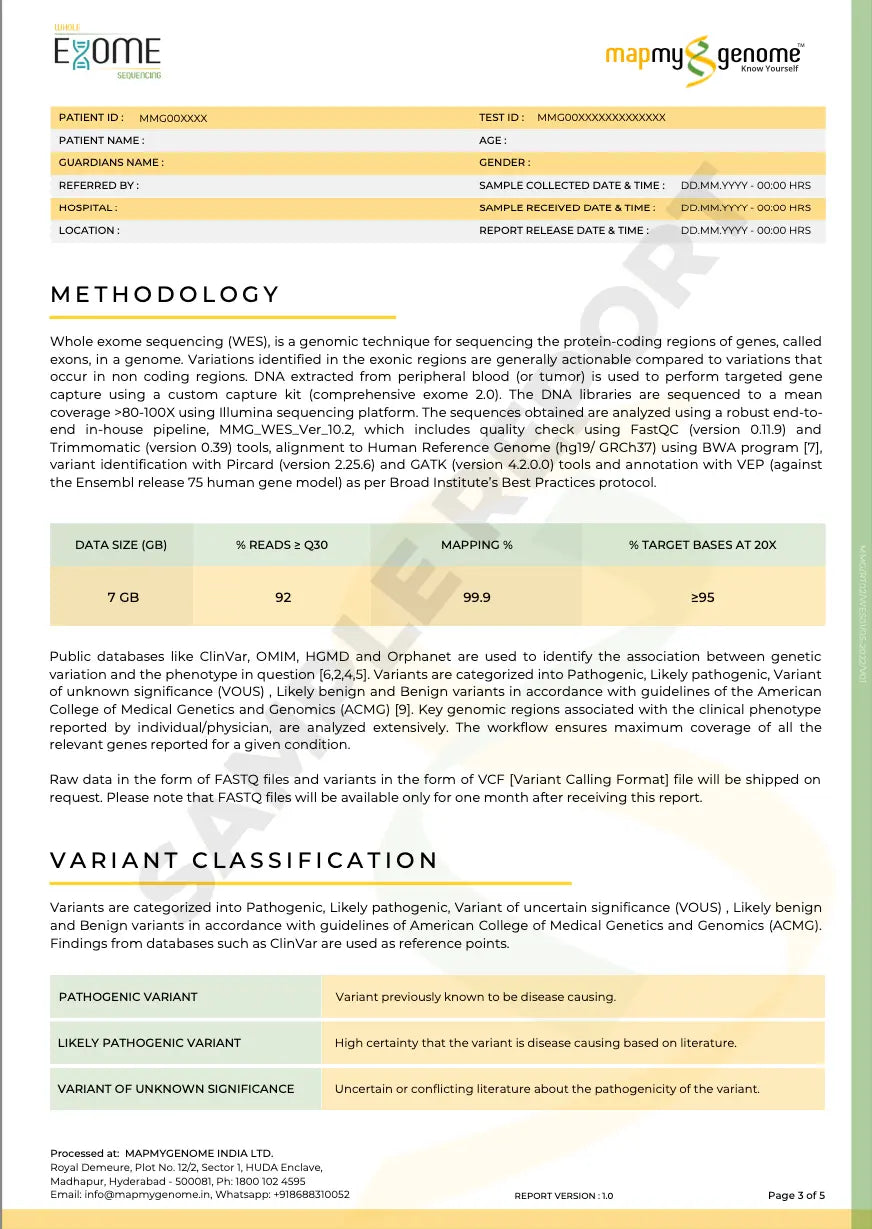
- Whole Exome Sequencing (WES): Focuses on the protein-coding parts of genes, which contain 85% of disease-causing mutations. Often used to find the root cause of a condition with unclear symptoms.
- Carrier Screening: Determines if an individual carries a gene mutation for a rare genetic disorder, even without symptoms. Especially useful for couples planning to have children.
The Role of Genetic Counselling
Genetic testing can provide a wealth of information, but it can also be overwhelming. Genetic counselling is an essential part of the testing process — helping individuals and families understand the implications of their test results, discuss potential health risks, and guide next steps in managing or treating the disorder.
Managing Rare Genetic Disorders
While there may not be cures for many rare genetic disorders, treatments are available to alleviate symptoms, slow disease progression, and improve quality of life. Enzyme replacement therapy (ERT) has transformed the management of lysosomal storage disorders such as Fabry disease and Pompe disease. Gene therapy is also emerging as a potential treatment — with CRISPR gene-editing technology showing promise for correcting genetic mutations at the DNA level.
Conclusion
Genetic testing is a powerful tool in the diagnosis and management of rare genetic disorders, offering hope to millions of people worldwide. By identifying the specific genetic mutations responsible for a condition, individuals and families can receive a definitive diagnosis and pursue personalised management plans that improve quality of life.
Get Answers with Whole Exome Sequencing
MapmyGenome’s Whole Exome Sequencing analyses your protein-coding genes to diagnose rare and complex genetic conditions — with genetic counselling included. NABL & CAP accredited lab.
Explore Whole Exome Sequencing → Explore Whole Genome Sequencing →