

Vitamin C2D: Co-operate to Dominate!
“When life gives you lemons and sunshine: just soak it all up!!!”
Our dynamically changing lifestyle has taken an avid interest in health and nutrition. We no longer just eat to live — we want to eat right, eat good, eat healthy, and be well. One of the most common deficiencies seen today is in Vitamin C and Vitamin D. Data from the National Health and Nutrition Examination Survey (NHANES) 2007–2010 confirms that 94% of Americans are deficient in Vitamin D and 39% in Vitamin C.
What Do These Vitamins Do?
Vitamin C (ascorbic acid) is needed for the growth and repair of tissues. It helps the body make collagen — a protein required to construct skin, cartilage, tendons, and ligaments. It is also crucial for healing wounds, repairing and maintaining bones and teeth, and is a powerful antioxidant that protects against free radical damage.
Vitamin D is required to maintain normal blood levels of calcium and phosphorus. Its main function is to help absorb calcium, which is essential for a strong skeletal structure.
Deficiency Diseases
Vitamin C deficiency — severe deficiency causes scurvy, affecting bone and muscle strength and crippling the immune system. Long-term deficiency is linked to blood pressure issues, certain cancers, and heart conditions
Vitamin D deficiency — causes rickets in children (softening of bones) and osteomalacia in adults (weak bones and muscles). Elderly and obese people with limited sun exposure are especially at risk
Food Sources
Vitamin C is easily obtained from fruits and vegetables — citrus fruits, bell peppers, strawberries, and leafy greens are excellent sources. Vitamin D can be obtained from sunlight exposure and foods such as cod liver oil, meats, poultry, and dairy products. An early morning walk can do wonders for both!
Is There a Genetic Component?
Yes. Vitamin C levels in the body are dependent on the SLC23A2 gene. A variant of this gene, found in about 28% of the general population, causes poor absorption and accumulation of Vitamin C in many tissues. Individuals with the Hp2-2 genotype also have a higher risk for Vitamin C deficiency.
For Vitamin D, researchers have identified four gene variants involved with cholesterol, Vitamin D metabolism, and Vitamin D transport that increase the risk of deficiency. Vitamin D deficiency is also hereditary — if a mother has low Vitamin D levels during pregnancy or breastfeeding, her baby acquires the risk too.
Know Your Genetic Risk for Vitamin Deficiencies
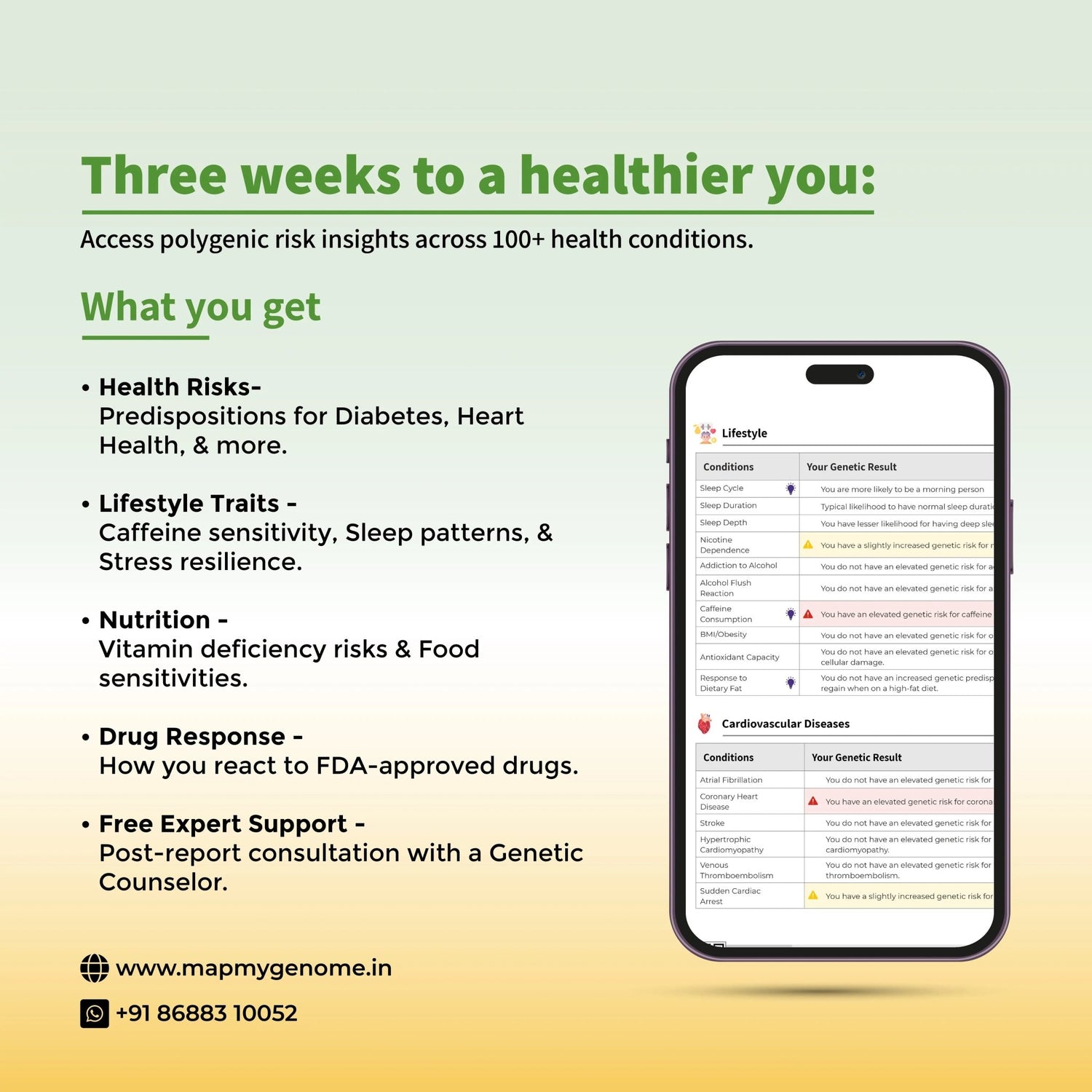
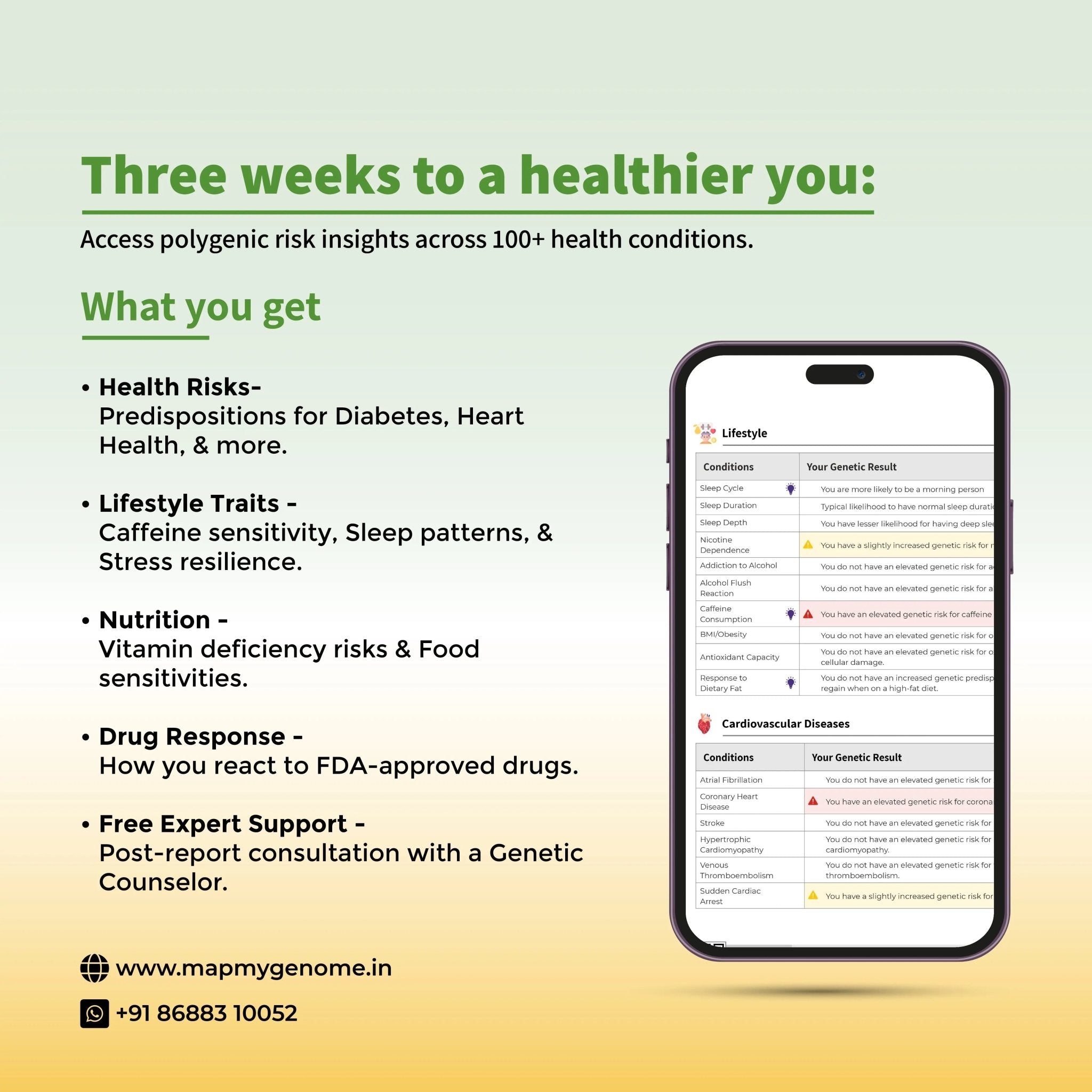
Genomepatri and Myfitgene by MapmyGenome reveal your genetic predisposition to Vitamin C and D deficiencies — along with 100+ other health conditions, nutrition traits, and drug response insights. Includes certified genetic counselling.