

Testing for Immunity (Covid-19 and More)
As COVID-19 vaccines rolled out and the pandemic evolved, one of the most common questions became: Am I immune? How do I know if I have immunity? What does an immunity test actually measure? Here is a clear, science-based guide to immunity testing.
Types of Immunity Tests
1. Antibody Tests (Serology Tests)
Antibody tests detect proteins produced by the immune system in response to infection or vaccination. For COVID-19, two main types of antibodies are tested:
IgM antibodies — appear early in infection (within 1–2 weeks); indicate recent or active infection
IgG antibodies — appear later (2–3 weeks after infection) and persist longer; indicate past infection or vaccination response
2. Neutralising Antibody Tests
More specific than standard antibody tests, neutralising antibody tests measure whether the antibodies present can actually block the virus from entering cells. These are considered a better indicator of protective immunity.
3. T-Cell Immunity Tests
Antibodies are only one part of the immune response. T-cells (cellular immunity) also play a critical role in fighting infection and providing long-term protection. T-cell immunity tests are more complex and less widely available than antibody tests.
What Immunity Tests Cannot Tell You
A positive antibody test does not guarantee you are fully protected against reinfection
The level of antibodies needed for protection against COVID-19 is not yet fully established
Immunity wanes over time — antibody levels decline after infection or vaccination
The Genetic Angle
Your genetic makeup significantly influences your immune response — including how strongly you respond to infection or vaccination, how long your immunity lasts, and your risk of severe disease. HLA gene variants, interleukin gene variants, and other immune gene polymorphisms all influence individual immune response.
Know Your Genetic Immune Profile
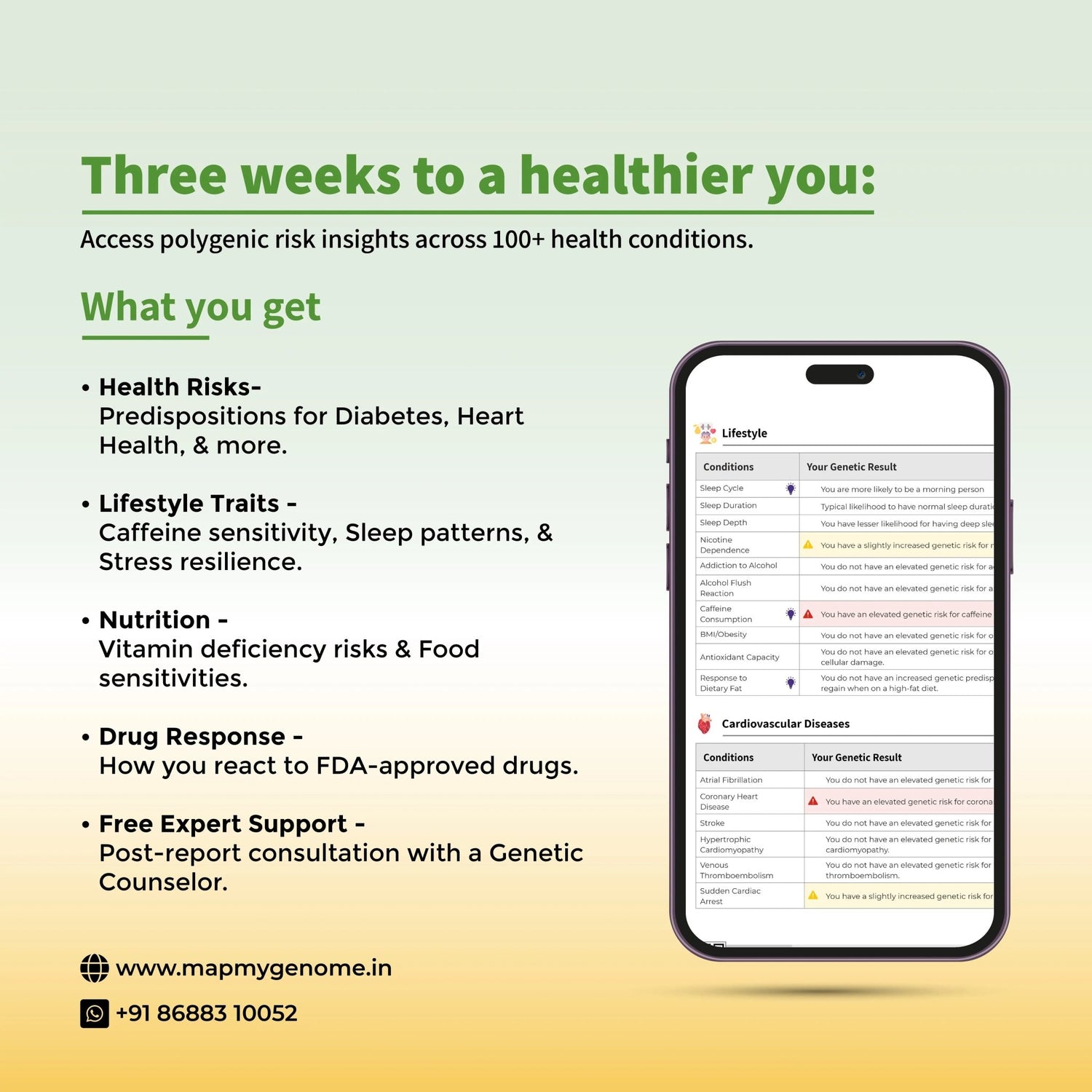
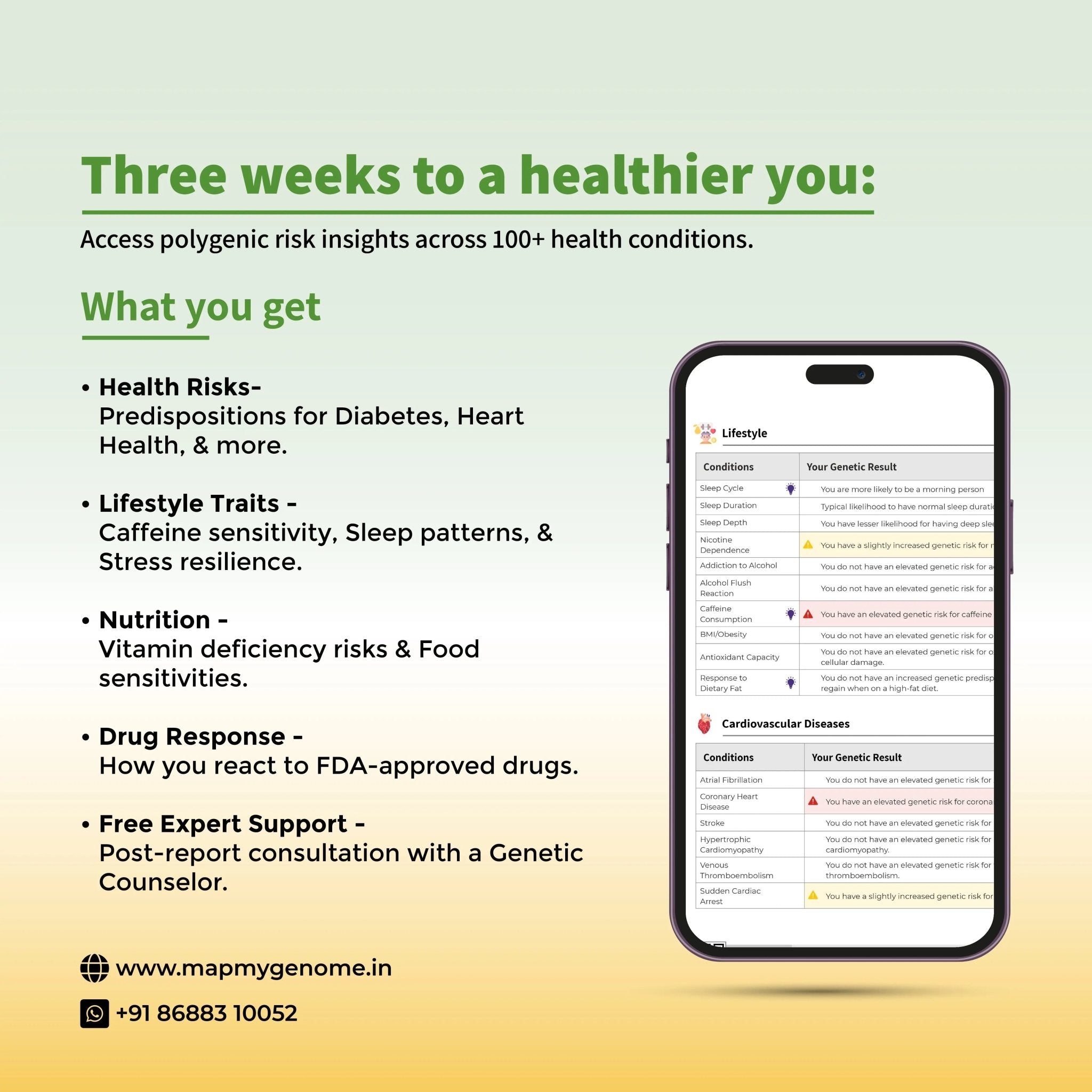
Genomepatri by MapmyGenome analyses your genetic predisposition to immune-related conditions, vitamin deficiencies, inflammatory response, and comorbidities — helping you personalise your prevention and health plan for stronger immunity.