

Genetic disorders are conditions caused by abnormalities in an individual’s DNA. These abnormalities can range from a small mutation in a single gene to the addition or subtraction of entire chromosomes. With advancements in genetic testing, early detection and management of genetic disorders have become more accessible, allowing individuals to make informed decisions about their health.
What Are Genetic Disorders?
Genetic disorders are diseases that result from changes in the DNA sequence. Our DNA, which is made up of genes, serves as the blueprint for our body’s functions. When there is a change or mutation in a gene, it can disrupt normal bodily functions, leading to a genetic disorder. These mutations can be inherited from one or both parents or can occur spontaneously.
Types of Genetic Disorders
Single-Gene Disorders: Caused by mutations in a single gene. Examples include cystic fibrosis, sickle cell anaemia, and Huntington’s disease. These disorders are often inherited in predictable patterns — autosomal dominant, autosomal recessive, or X-linked.
Chromosomal Disorders: Occur when there are structural changes or abnormalities in entire chromosomes. Down syndrome is caused by an extra copy of chromosome 21. Other examples include Turner syndrome and Klinefelter syndrome.
Complex (Multifactorial) Disorders: Arise from a combination of genetic and environmental factors. Common complex disorders include heart disease, diabetes, and certain types of cancer.
Mitochondrial Disorders: Caused by mutations in the DNA of mitochondria. These disorders often affect organs that require the most energy — the brain, muscles, and heart. Examples include mitochondrial myopathy and Leber’s hereditary optic neuropathy.
Causes of Genetic Disorders
- Inherited Mutations: Many genetic disorders are inherited from one or both parents.
- Spontaneous Mutations: Some disorders occur due to new mutations arising during the formation of reproductive cells or in early embryonic development.
- Environmental Factors: Exposure to radiation, chemicals, or viruses can cause genetic mutations that lead to disorders.
Symptoms of Genetic Disorders
The symptoms of genetic disorders vary widely depending on the specific condition. Common symptoms include developmental delays, physical abnormalities, intellectual disabilities, chronic health conditions, and neurological issues. Not all genetic disorders have visible symptoms — some may only be detected through genetic testing.
The Role of Genetic Testing
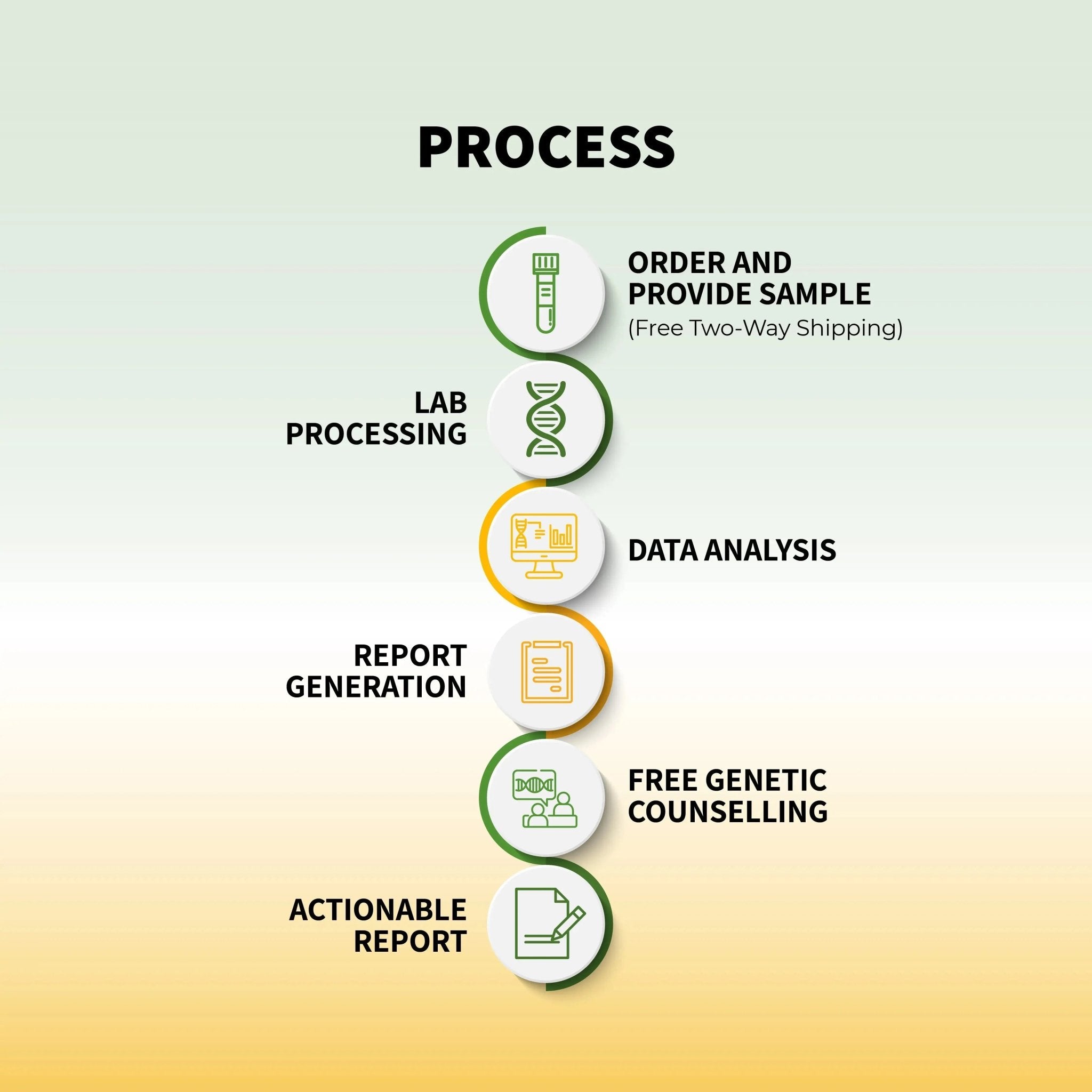
Genetic testing plays a crucial role in diagnosing and managing genetic disorders. Early detection provides several benefits:
- Personalised Healthcare: Knowing your genetic makeup allows healthcare providers to tailor treatments and preventive measures to your specific needs.
- Informed Family Planning: If you have a family history of genetic disorders, genetic testing can help assess the risk of passing on certain conditions to your children.
- Proactive Management: Early diagnosis enables timely intervention, which can improve outcomes and quality of life.
Managing Genetic Disorders
While not all genetic disorders can be cured, many can be managed with the right treatment and lifestyle adjustments:
- Medication: Some genetic disorders can be managed with medication that addresses specific symptoms or slows progression.
- Therapy: Physical, occupational, and speech therapy can help individuals improve their quality of life.
- Lifestyle Changes: A balanced diet, regular exercise, and stress management can help mitigate the effects of certain genetic conditions.
- Regular Monitoring: Individuals with genetic disorders may require regular check-ups to manage their condition effectively.
Conclusion
Genetic disorders are complex conditions that can have a significant impact on an individual’s health and quality of life. With advancements in genetic testing and personalised healthcare, early detection and proactive management are now more accessible than ever.
Understand Your Genetic Risk
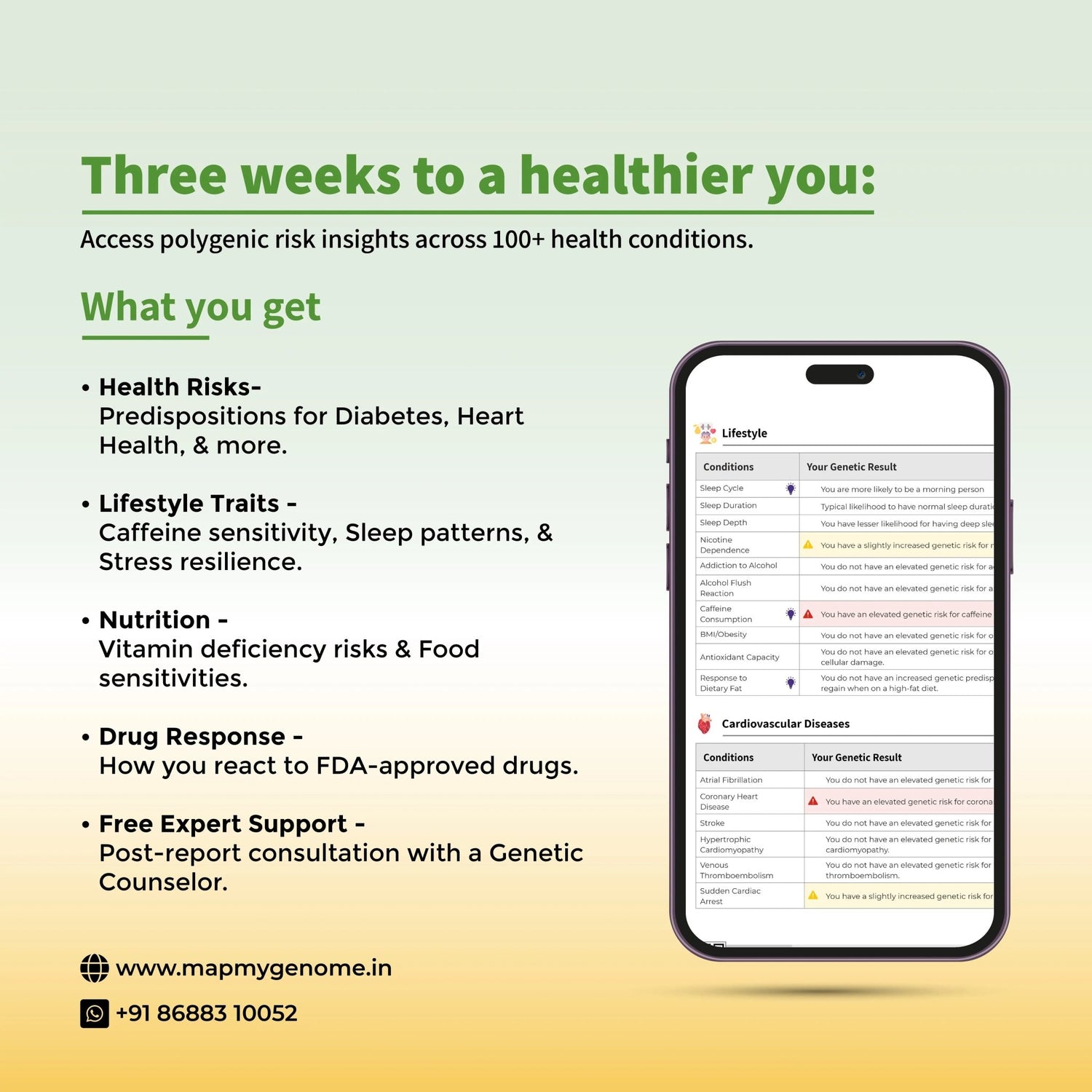
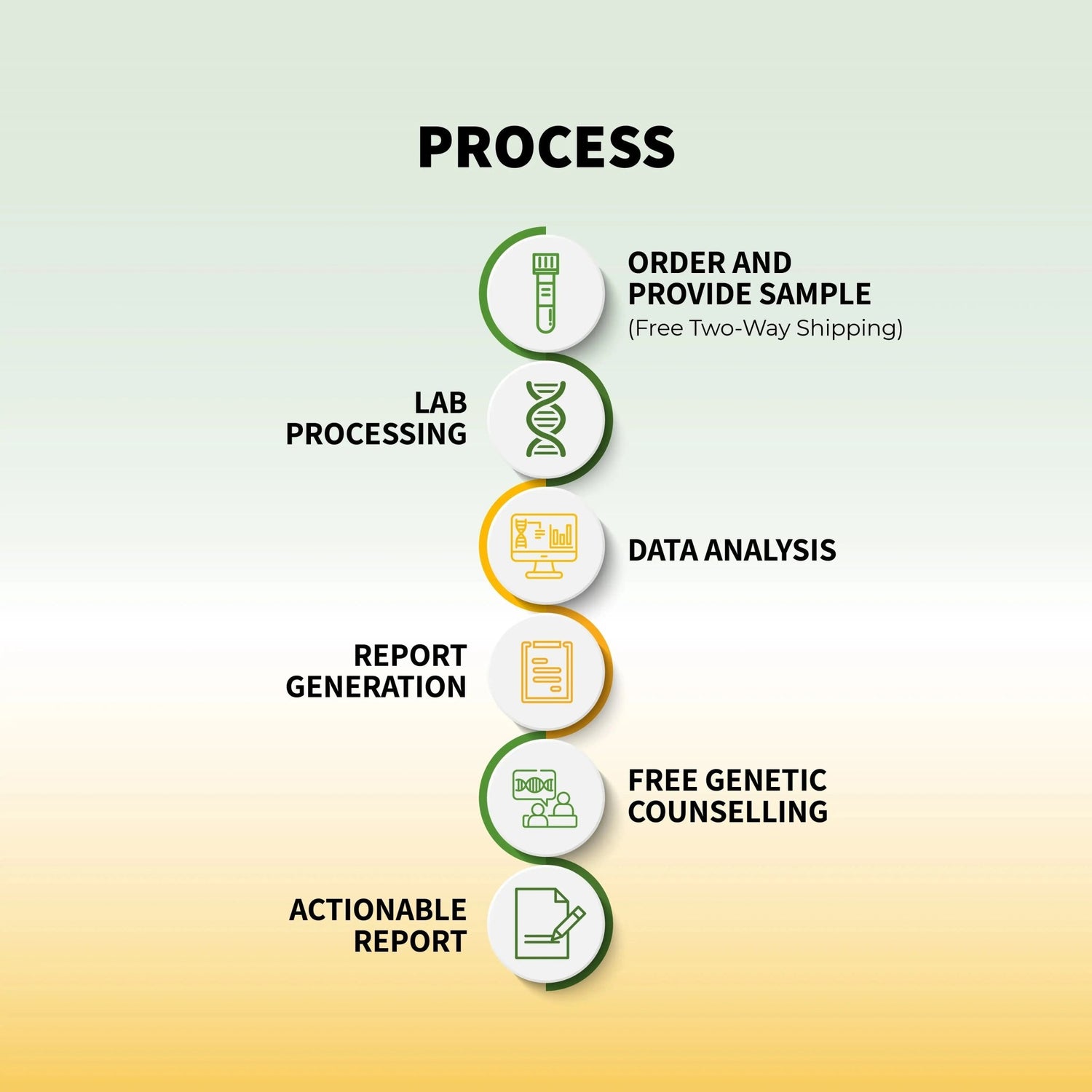
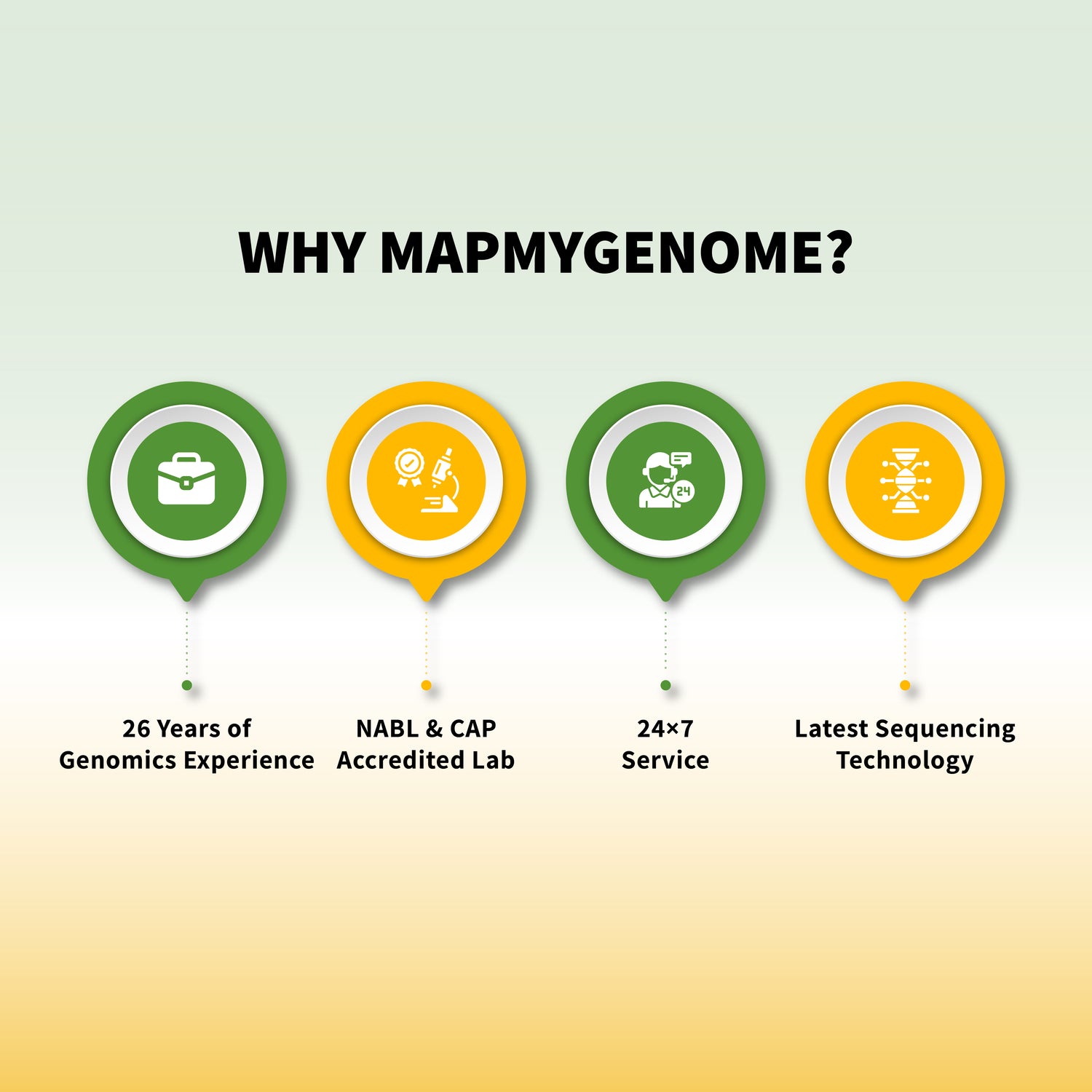
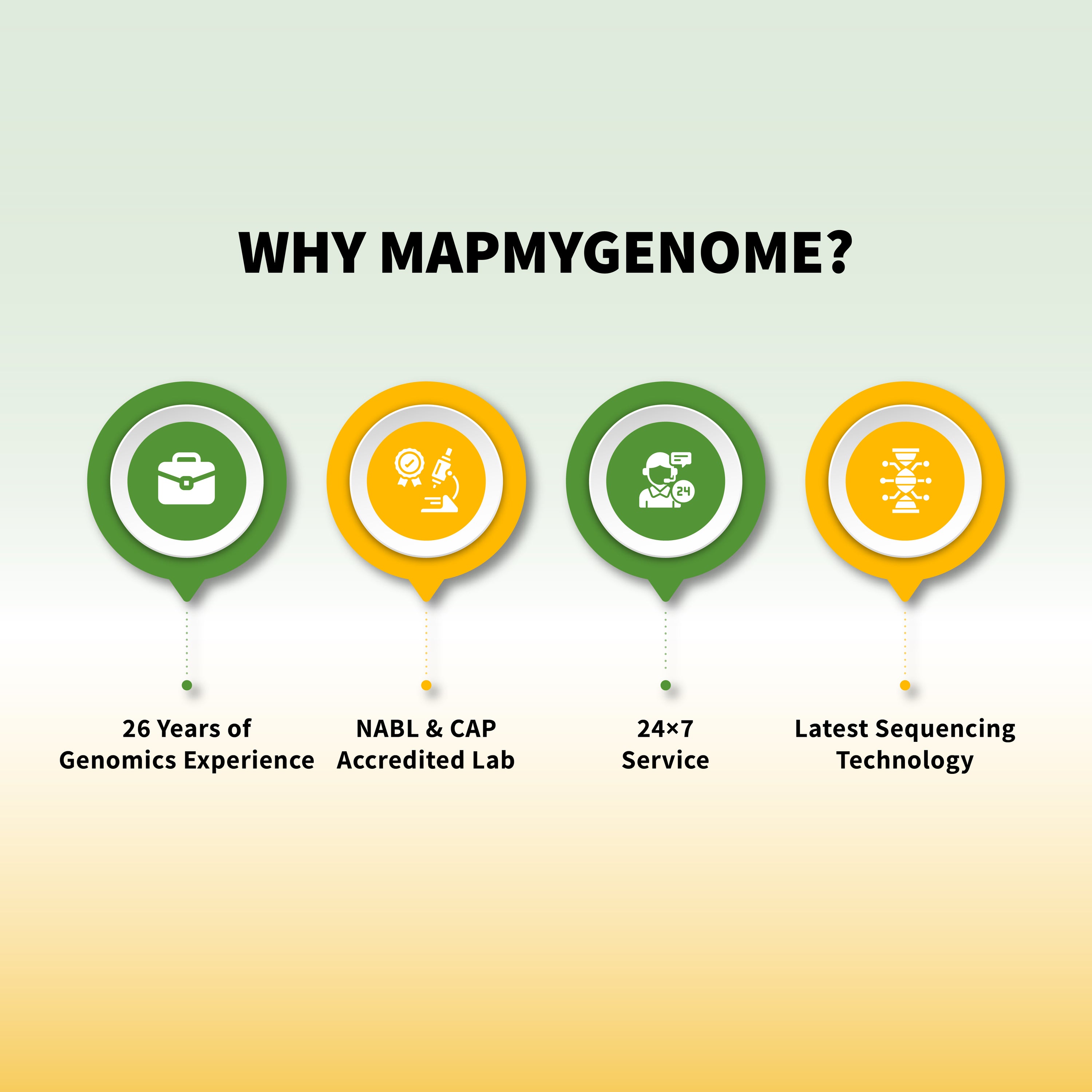
Genomepatri by MapmyGenome screens 100+ health conditions — including genetic predispositions to complex disorders — in a single at-home saliva test. NABL & CAP accredited. Genetic counselling included.