

Managing blood sugar through diet is the cornerstone of diabetes prevention and control. What you eat directly affects your glucose levels, insulin sensitivity, and long-term metabolic health — and your genes play a significant role in how your body responds to different foods.
Key Dietary Principles for Blood Sugar Management
1. Choose Low Glycaemic Index (GI) Foods
Low-GI foods release glucose slowly into the bloodstream, preventing spikes and crashes. Prioritise whole grains (oats, barley, brown rice), legumes, non-starchy vegetables, and most fruits. Avoid refined carbohydrates, white bread, and sugary drinks.
2. Prioritise Fibre
Dietary fibre slows glucose absorption and improves insulin sensitivity. Aim for 25–35g of fibre per day from vegetables, legumes, whole grains, and fruits. Soluble fibre (oats, psyllium, flaxseed) is particularly effective for blood sugar control.
3. Balance Your Macronutrients
A balanced plate — half vegetables, a quarter protein, a quarter complex carbohydrates — helps moderate post-meal glucose spikes. Include healthy fats (olive oil, nuts, avocado) which slow gastric emptying and reduce glycaemic response.
4. Limit Added Sugar and Processed Foods
Ultra-processed foods and added sugars drive insulin resistance over time. Read labels carefully — sugar hides under many names including dextrose, maltose, corn syrup, and fruit juice concentrate.
5. Time Your Meals
Eating at consistent times helps regulate circadian insulin rhythms. Avoid large meals late at night. Time-restricted eating (eating within a 10–12 hour window) has shown benefits for blood sugar regulation in multiple studies.
6. Stay Hydrated
Dehydration concentrates blood glucose. Drink adequate water throughout the day. Avoid sugary beverages, fruit juices, and excessive caffeine.
The Genetic Factor in Blood Sugar Response
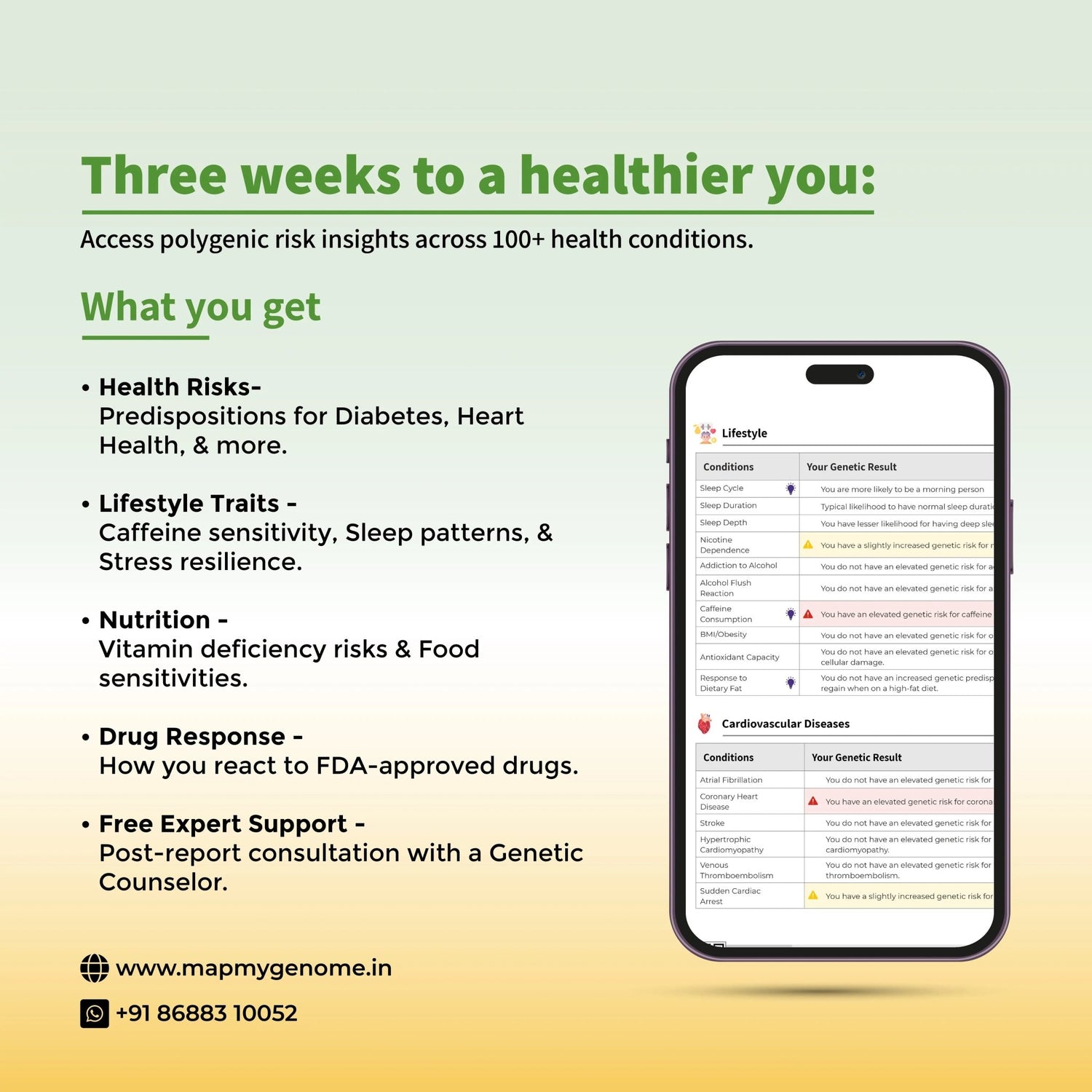
Emerging research in nutrigenomics shows that individuals respond very differently to the same foods — driven by genetic variants in genes like TCF7L2, PPARG, and KCNJ11 that influence insulin secretion, glucose metabolism, and carbohydrate sensitivity. Understanding your genetic predisposition to diabetes allows you to personalise your dietary strategy beyond generic guidelines.
Conclusion
A healthy diet is the most powerful tool for blood sugar management — but the optimal diet is not the same for everyone. Combining evidence-based dietary principles with genetic insights gives you the most personalised and effective approach to diabetes prevention and control.
Know Your Genetic Diabetes Risk
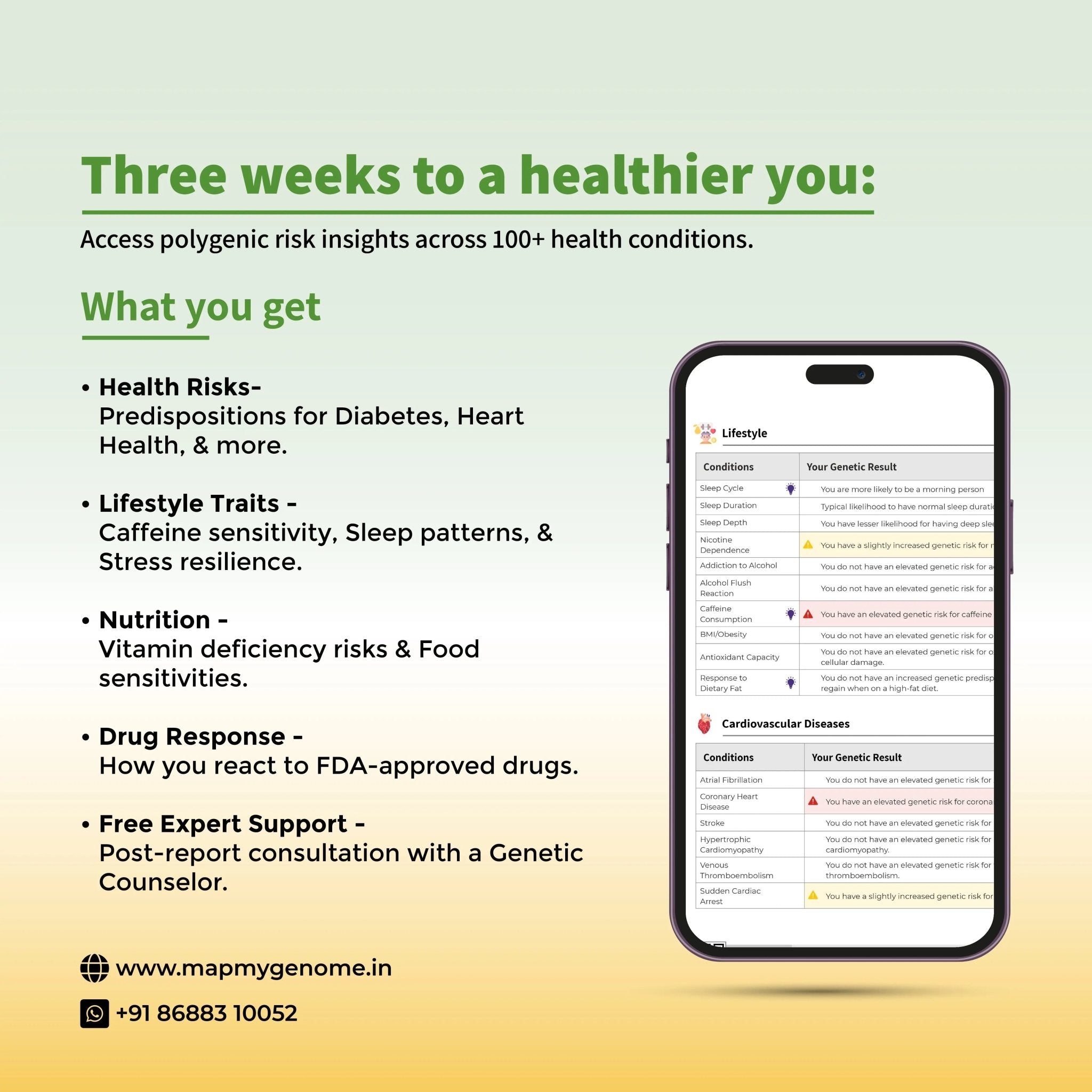
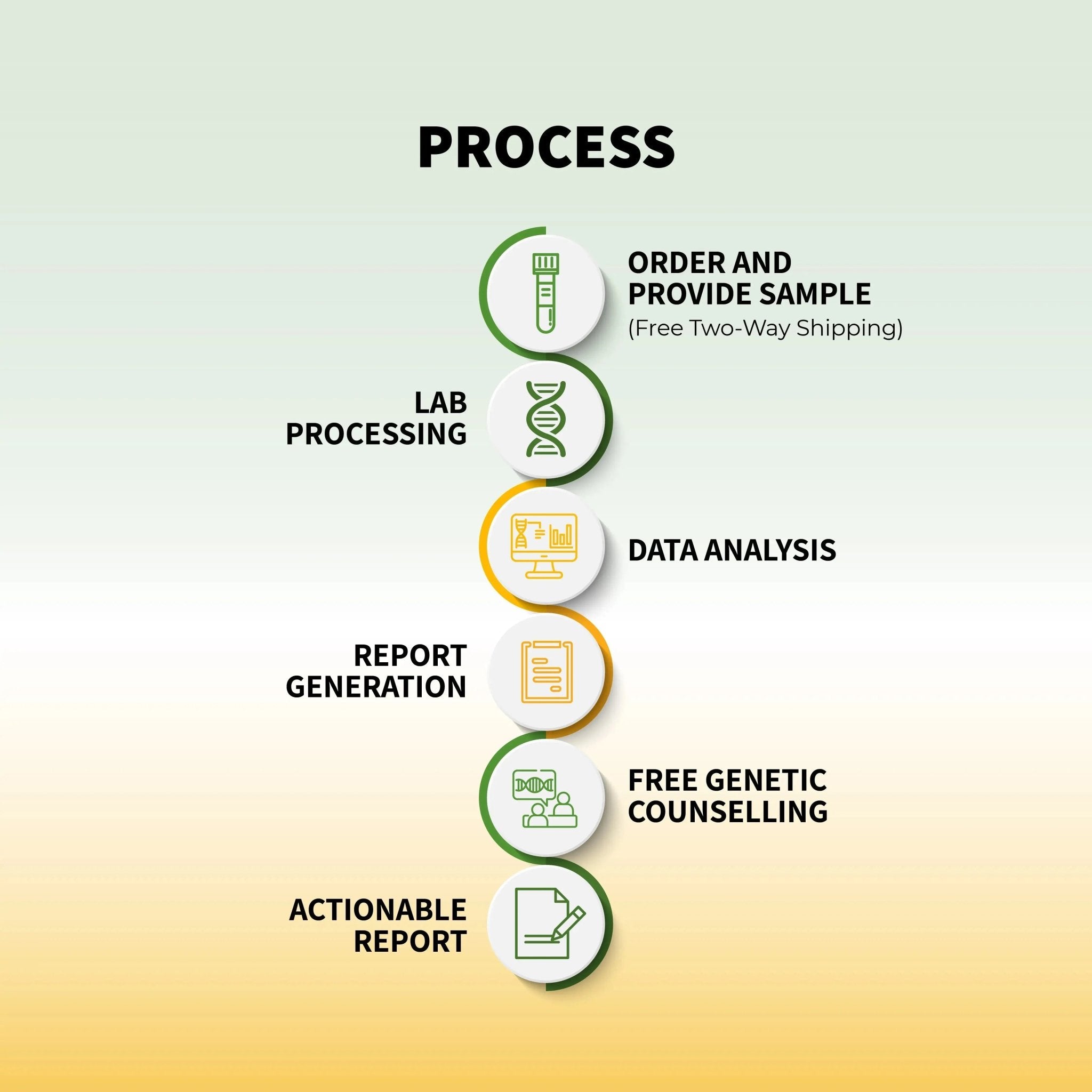
Genomepatri by MapmyGenome screens your genetic predisposition to Type 2 diabetes, insulin resistance, and carbohydrate metabolism — helping you personalise your diet and lifestyle for optimal blood sugar control.