

Your mitochondria are the powerhouses of your cells — producing 90% of the energy your body needs to function. When mitochondrial health declines, so does your vitality, cognitive function, and resilience to disease. The good news: mitochondrial health is highly responsive to lifestyle interventions.
What Are Mitochondria?
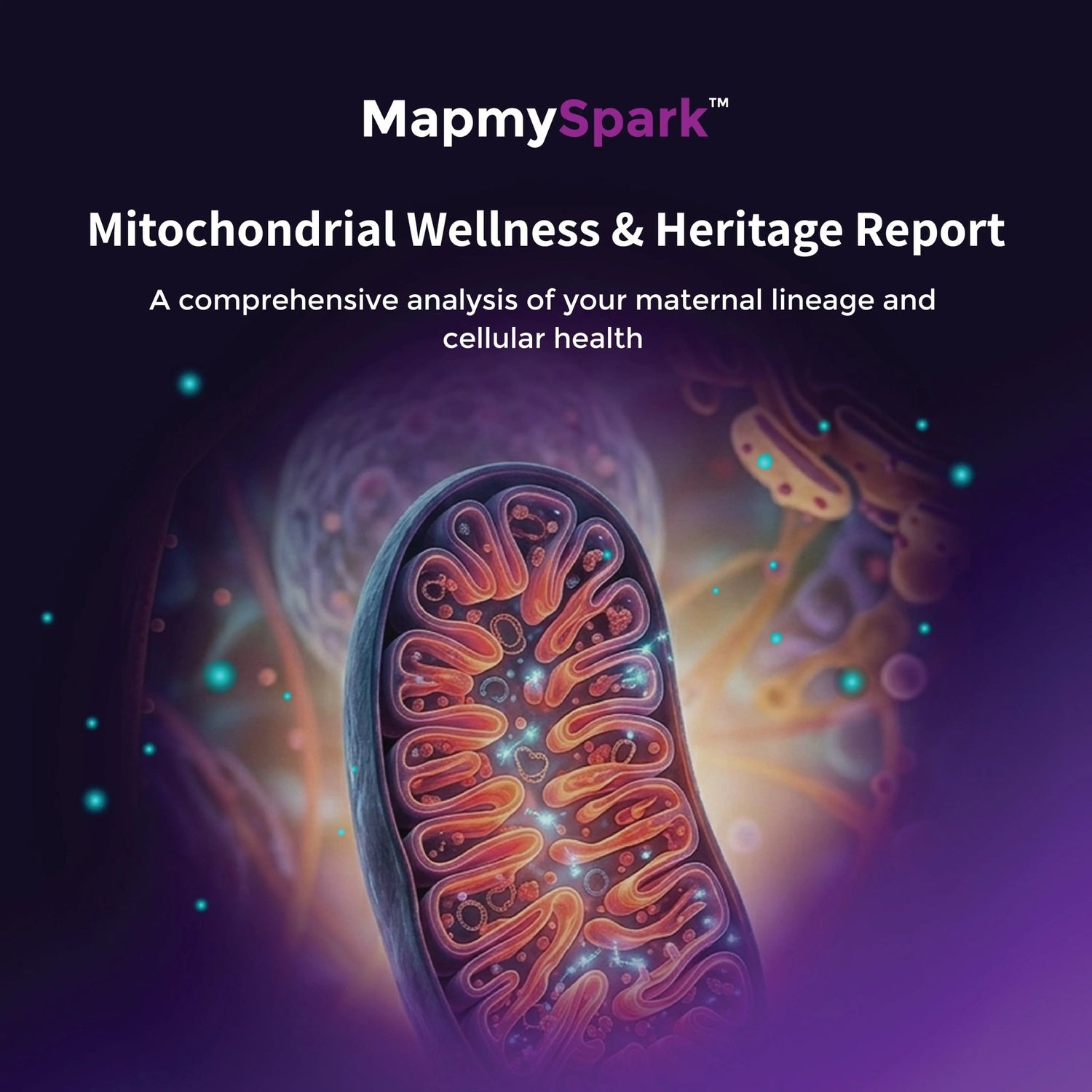
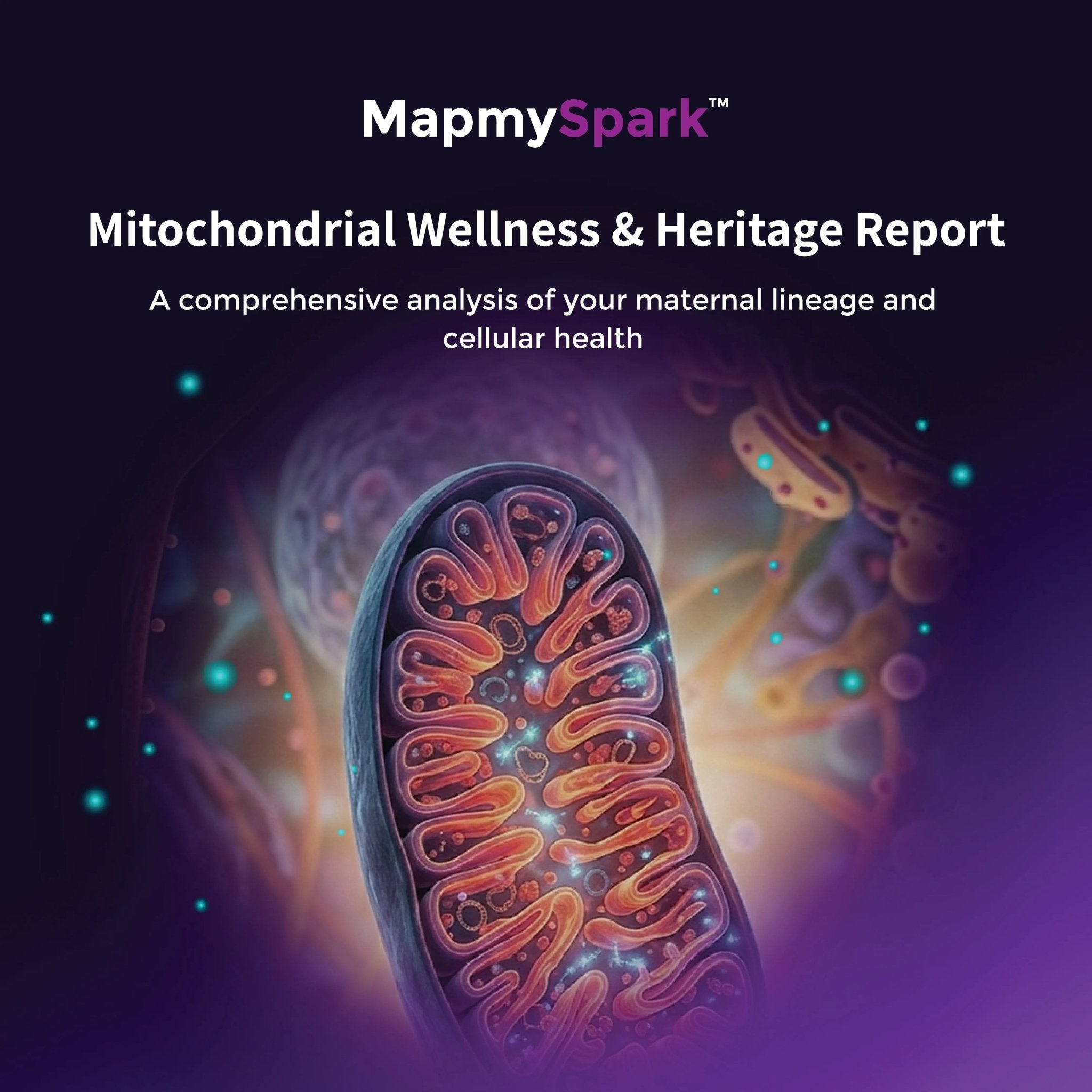
Mitochondria are organelles found in nearly every cell of your body. They convert nutrients from food into ATP (adenosine triphosphate) — the energy currency your cells use for every biological process. Each cell contains hundreds to thousands of mitochondria, with the highest concentrations in energy-demanding tissues like the heart, brain, and muscles.
Signs of Poor Mitochondrial Health
- Chronic fatigue and low energy despite adequate sleep
- Brain fog and difficulty concentrating
- Muscle weakness and poor exercise tolerance
- Slow recovery after physical exertion
- Increased susceptibility to illness
- Accelerated ageing
How to Support Mitochondrial Health
1. Exercise Regularly
Both aerobic exercise and resistance training stimulate mitochondrial biogenesis — the creation of new mitochondria. High-intensity interval training (HIIT) is particularly effective at boosting mitochondrial density and efficiency.
2. Eat a Mitochondria-Friendly Diet
- Antioxidant-rich foods: Berries, leafy greens, and colourful vegetables protect mitochondria from oxidative damage.
- Healthy fats: Omega-3 fatty acids (fatty fish, flaxseed, walnuts) support mitochondrial membrane integrity.
- Limit ultra-processed foods: These generate excess free radicals that damage mitochondria.
3. Targeted Supplements
- CoQ10: A key component of the mitochondrial electron transport chain; levels decline with age.
- NAD+ precursors (NMN, NR): Support mitochondrial energy production and DNA repair.
- Alpha-lipoic acid: A powerful antioxidant that regenerates other antioxidants within mitochondria.
- Magnesium: Essential for ATP synthesis.
4. Prioritise Sleep
Mitochondrial repair and regeneration occur primarily during deep sleep. Chronic sleep deprivation impairs mitochondrial function and accelerates cellular ageing.
5. Manage Stress
Chronic psychological stress generates excess cortisol and free radicals that damage mitochondria. Mindfulness, yoga, and adequate rest are essential mitochondrial protectors.
6. Intermittent Fasting
Periods of fasting trigger mitophagy — the cellular process of clearing damaged mitochondria and replacing them with healthy ones. Even a 12–16 hour overnight fast can stimulate this process.
The Genetic Component
Mitochondrial DNA (mtDNA) is inherited exclusively from your mother and contains 37 genes critical for energy production. Variants in mtDNA and nuclear genes governing mitochondrial function influence your energy levels, ageing rate, and susceptibility to mitochondrial disorders.
Conclusion
Mitochondrial health is foundational to your energy, longevity, and resilience. Through targeted exercise, nutrition, supplementation, and lifestyle habits — combined with an understanding of your genetic profile — you can optimise your cellular powerhouses for a longer, more vital life.
Decode Your Energy & Longevity Genetics
Genomepatri by MapmyGenome screens your genetic predisposition to metabolic efficiency, mitochondrial function, and ageing — giving you a personalised roadmap for optimising your cellular vitality.