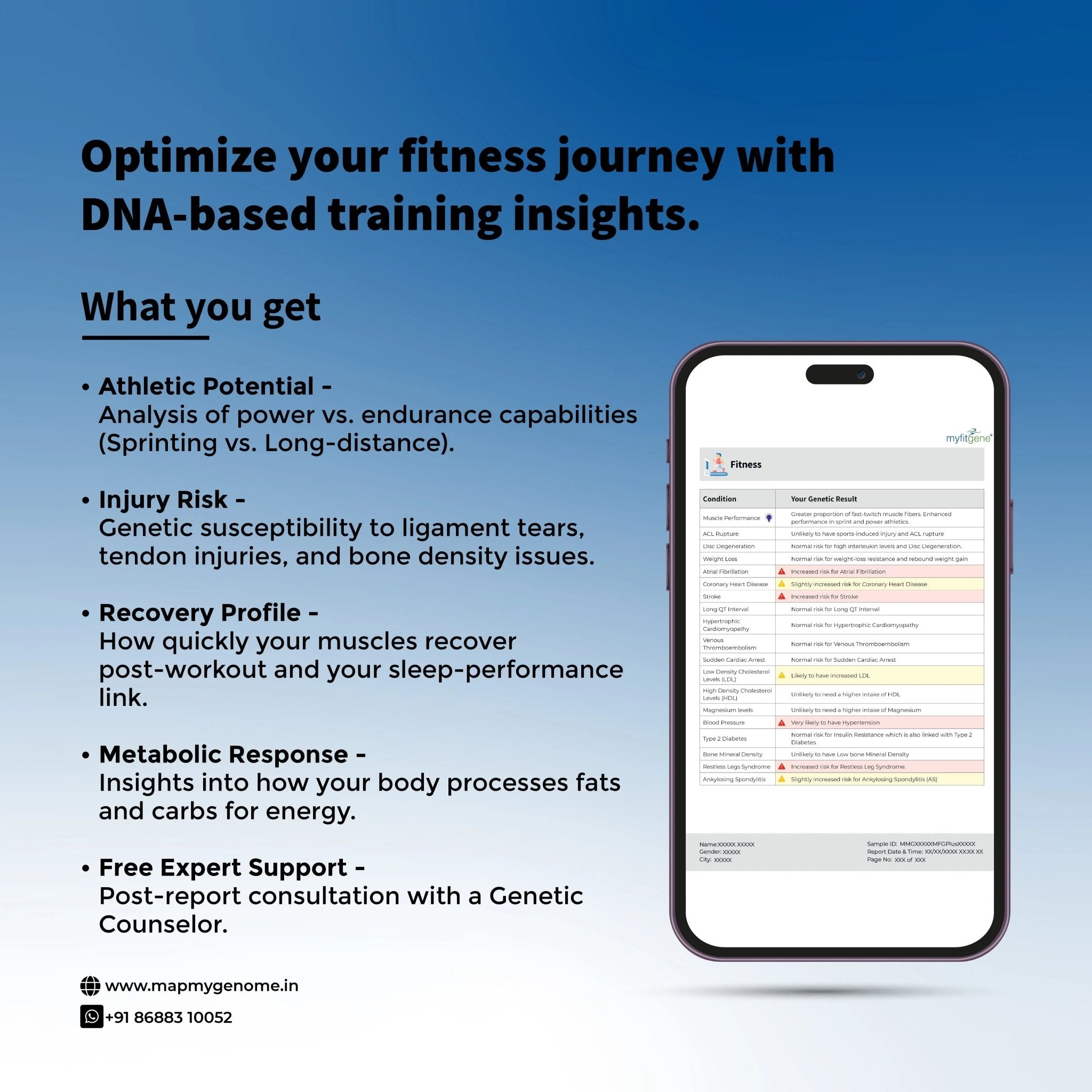


Elite athletes have always sought every possible edge. Today, that edge increasingly comes from genetics. Understanding how your DNA influences your muscle composition, recovery rate, injury risk, and nutritional needs allows you to train with precision — not just effort.
How Genetics Influence Sports Performance
Muscle Composition
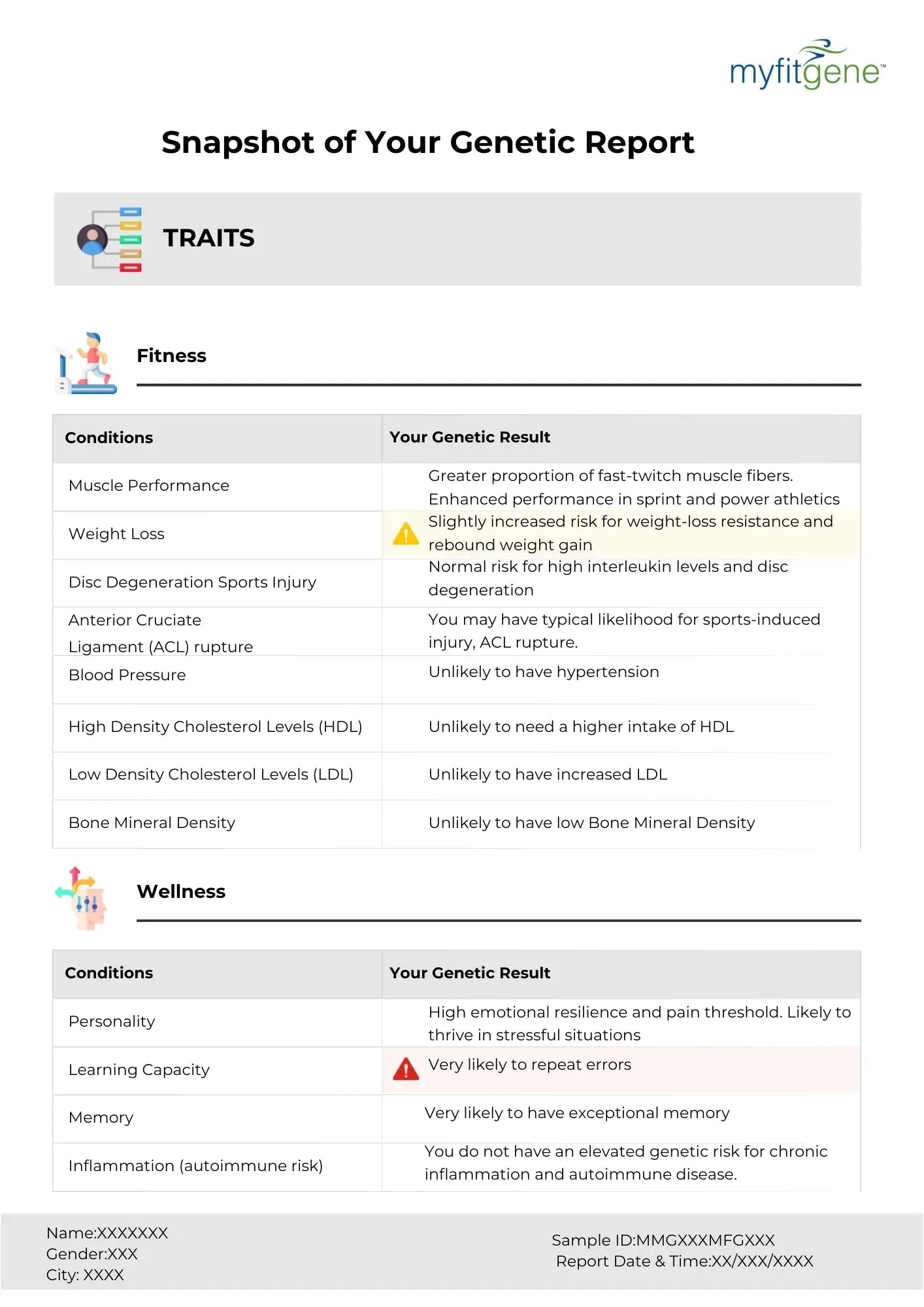
Your ratio of fast-twitch to slow-twitch muscle fibres is largely genetically determined. Fast-twitch fibres generate explosive power for sprinting and weightlifting; slow-twitch fibres are built for endurance. The ACTN3 gene — often called the "speed gene" — is one of the most studied markers for muscle fibre composition. Knowing your genetic muscle type allows you to choose training modalities that align with your natural strengths.
Recovery Rate
How quickly your muscles repair after training is influenced by genes involved in inflammation regulation and protein synthesis. Slow genetic recoverers need more rest between sessions — and pushing through without adequate recovery leads to overtraining, injury, and performance decline. Fast recoverers can handle higher training volumes.
Injury Risk
Genes like COL5A1 (collagen type V) influence the strength and flexibility of tendons and ligaments. Certain variants are associated with higher risk of soft tissue injuries like ACL tears and Achilles tendon ruptures. Knowing your injury risk profile allows you to prioritize injury prevention strategies — mobility work, progressive loading, and targeted strengthening.
Nutritional Needs
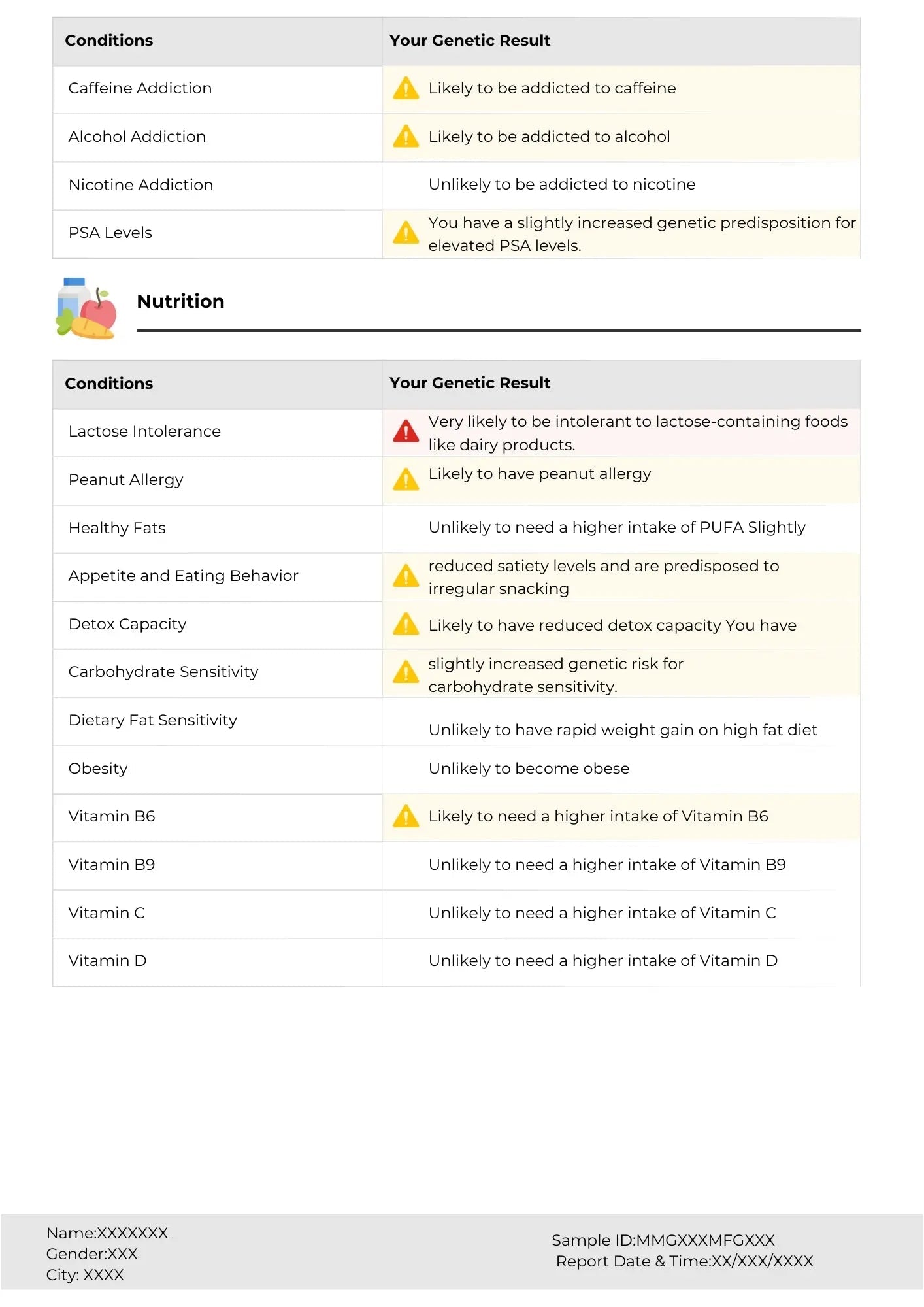
Your genes determine how efficiently you metabolize carbohydrates, fats, and proteins for energy. They also influence your requirements for key performance nutrients like iron, vitamin D, and omega-3 fatty acids. Genetic nutrition insights allow you to fuel your training with precision rather than following generic sports nutrition guidelines.
VO2 Max and Endurance Potential
Genes like VEGF and PPARGC1A influence oxygen delivery to muscles and mitochondrial efficiency — key determinants of endurance performance. Understanding your genetic endurance potential helps set realistic goals and guides training periodization.
Practical Applications
- Choose the right sport or training focus — Power-dominant? Prioritize resistance training and HIIT. Endurance-dominant? Build your aerobic base.
- Optimize recovery — Match your rest periods to your genetic recovery rate
- Protect your weak points — If you have higher injury risk variants, invest in prehabilitation
- Fuel precisely — Adjust macronutrient ratios based on your genetic metabolic profile
FAQs
Can genetic testing make me a better athlete?
Genetic testing won't replace hard work, but it ensures your effort is directed in the most effective direction. Training aligned with your genetic profile produces better results than generic programs.
Is genetic sports testing only for elite athletes?
No. Anyone who exercises — from recreational runners to weekend warriors — can benefit from understanding their genetic fitness profile.
Unlock Your Genetic Sports Blueprint
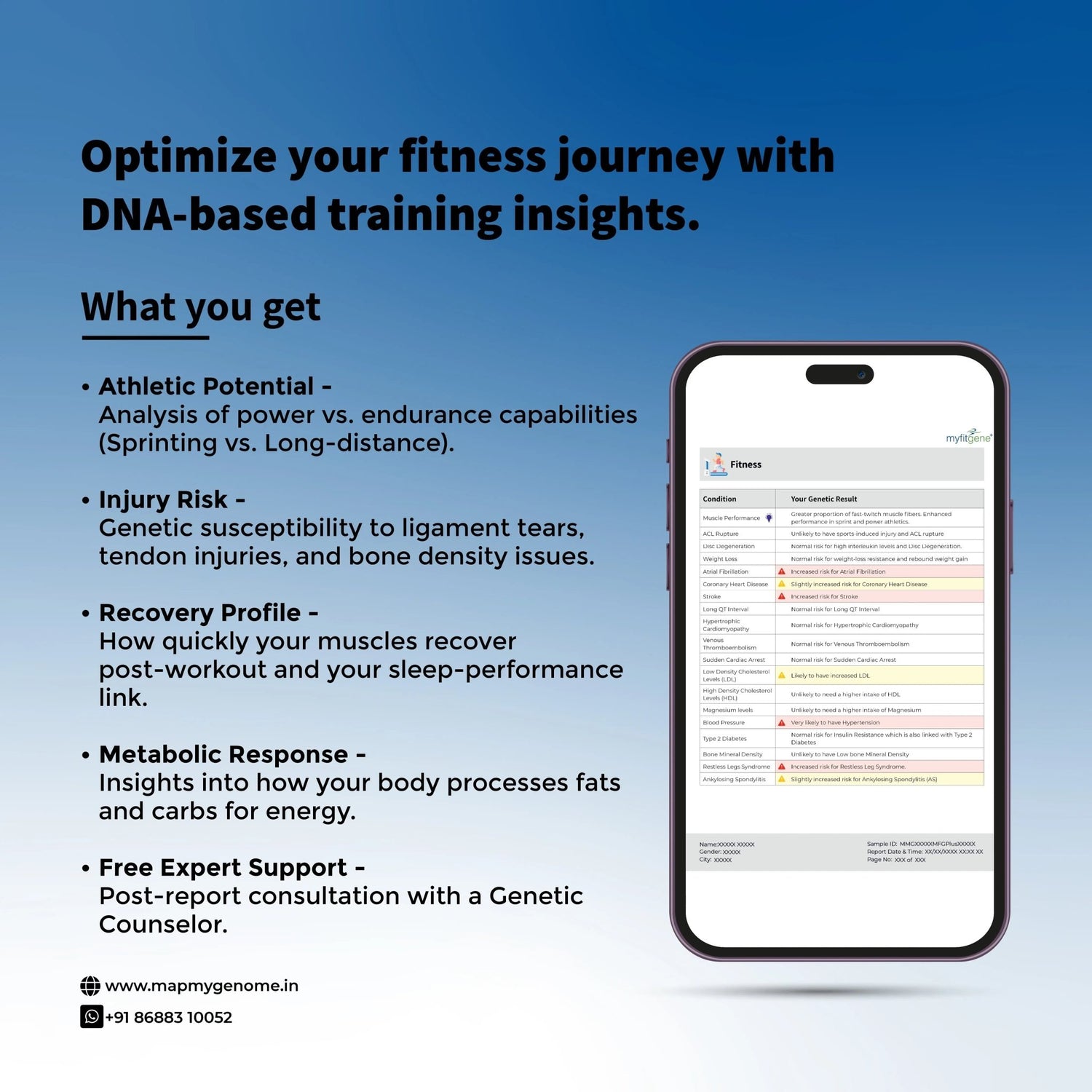
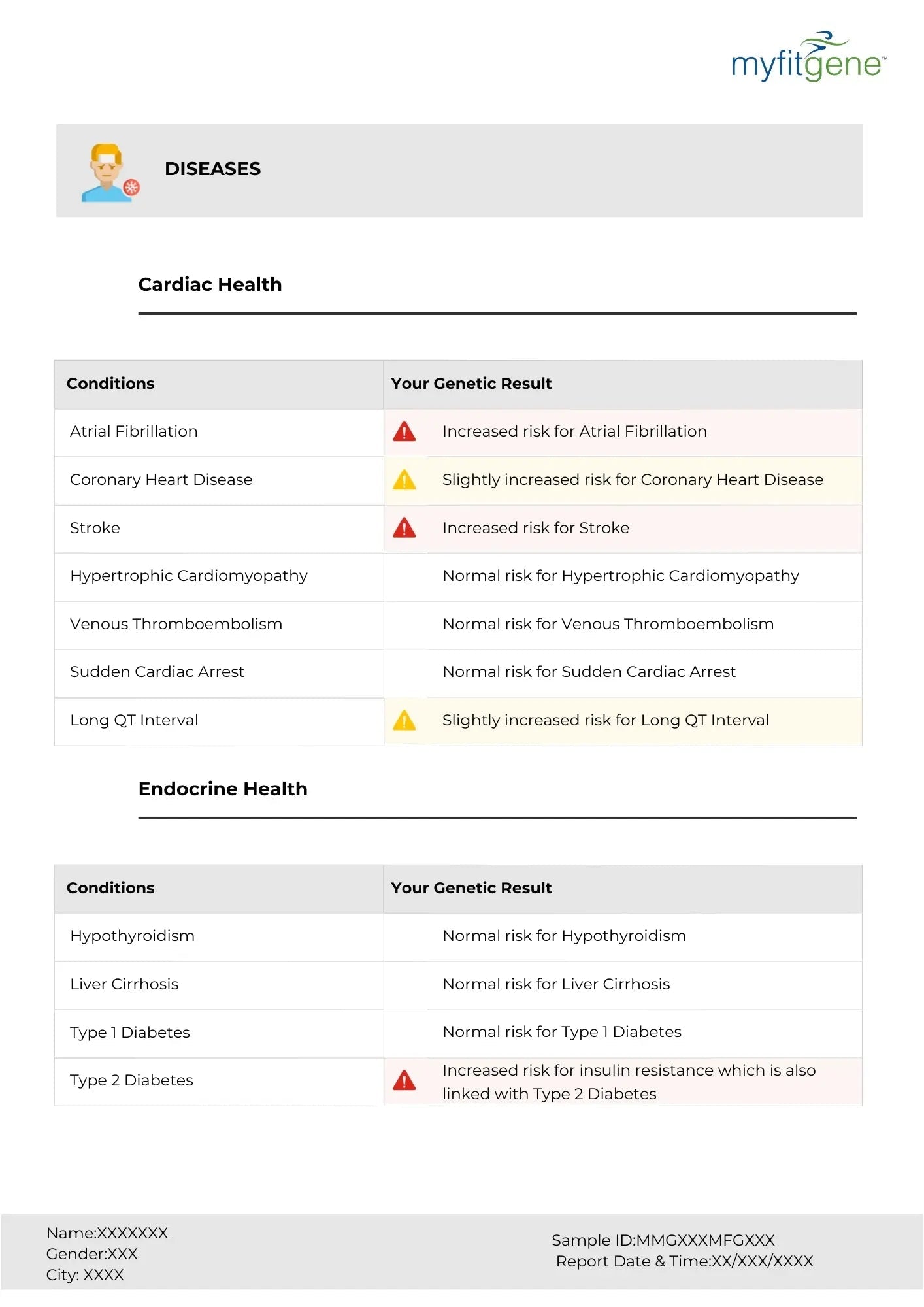
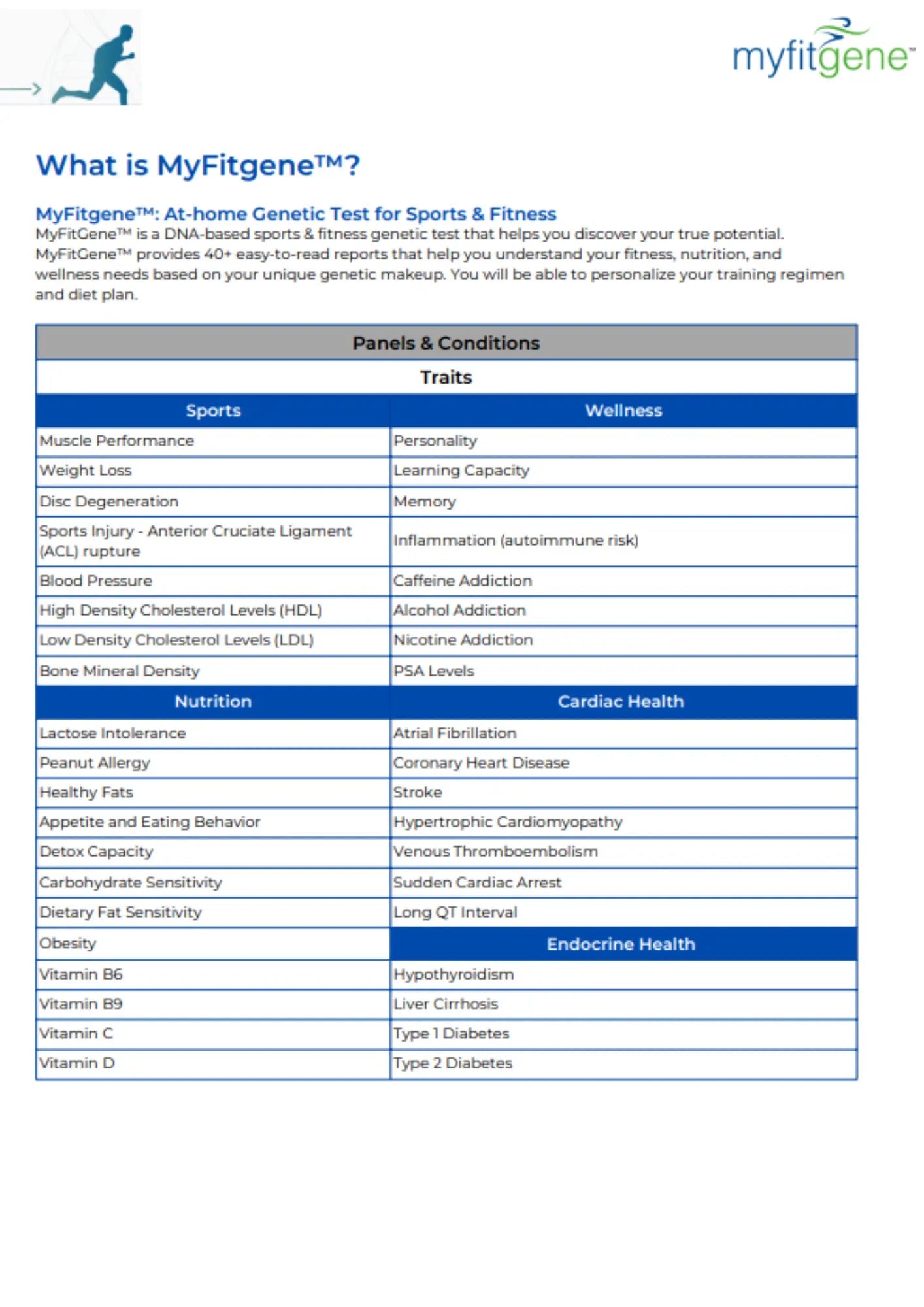
MyFitGene by MapmyGenome covers 40+ reports on muscle type, endurance capacity, injury risk, recovery rate, and optimal nutrition — giving you the personalized insights to train smarter and perform better.