

Your brain runs on what you feed it — but "eating right for your brain" isn't one-size-fits-all. The same nutrient can affect two people very differently depending on how efficiently their body absorbs, converts, and uses it, and a lot of that comes down to genetics. Here are six foods that consistently support brain health, and the genetic factors that shape how much each one actually does for you.
1. Low Glycemic Index (GI) Foods
Whole grains, legumes, and non-starchy vegetables release glucose slowly, giving the brain a steady fuel supply instead of sharp spikes and crashes. Genetic variation in how efficiently someone processes glucose can affect how much their focus and energy swing after a high-GI meal — meaning some people benefit even more than average from prioritizing low-GI choices.
2. Omega-3 Fatty Acids
Found in fatty fish, walnuts, and flaxseeds, omega-3s support the structural integrity of brain cell membranes and are linked to improved memory and mood regulation. Here's the genetic twist: converting plant-based omega-3s (like ALA from flaxseed) into the forms the brain actually uses (DHA and EPA) depends on genes like FADS1 and FADS2. Some people convert plant sources efficiently; others convert very little, meaning they need direct sources like fish or algae oil to get the same brain benefit.
3. Lycopene
This antioxidant, found in tomatoes and watermelon, helps protect brain cells from oxidative stress — a factor linked to cognitive decline over time. Genetic differences in antioxidant-processing pathways mean the same intake of lycopene can offer more protective benefit to one person than another, which is part of why "eat more antioxidants" affects people unevenly.
4. Vitamin C
Beyond immune support, Vitamin C plays a role in synthesizing neurotransmitters and protecting brain cells from oxidative damage. Absorption efficiency varies from person to person, which is one reason some people notice a bigger boost from Vitamin C–rich foods (citrus, bell peppers, berries) than others.
5. Iron
Iron is essential for oxygen transport to the brain, and both deficiency and excess are linked to cognitive issues — low iron shows up as fatigue and poor concentration, while iron overload (linked to variants in the HFE gene) can be harmful over time. This makes iron one of the clearer examples of why "more is better" isn't the right rule — the right amount depends on individual absorption and regulation.
6. Vitamin E
This fat-soluble vitamin, found in nuts, seeds, and leafy greens, helps protect brain cell membranes from oxidative damage. Because it's fat-soluble, how well it's absorbed depends partly on genetic variation in fat metabolism — someone with less efficient fat absorption may get less benefit from the same Vitamin E intake unless it's paired with dietary fat.
Why This Matters
None of this means genetics override diet — it means diet advice works best when it's calibrated to how your body actually processes what you eat. Two people can follow the exact same "brain-healthy" meal plan and get meaningfully different results, simply because their genes handle glucose, fats, antioxidants, and micronutrients differently. Understanding your own genetic profile turns generic nutrition advice into something more precise.
Did You Know Your Genes Influence Brain Health Too?
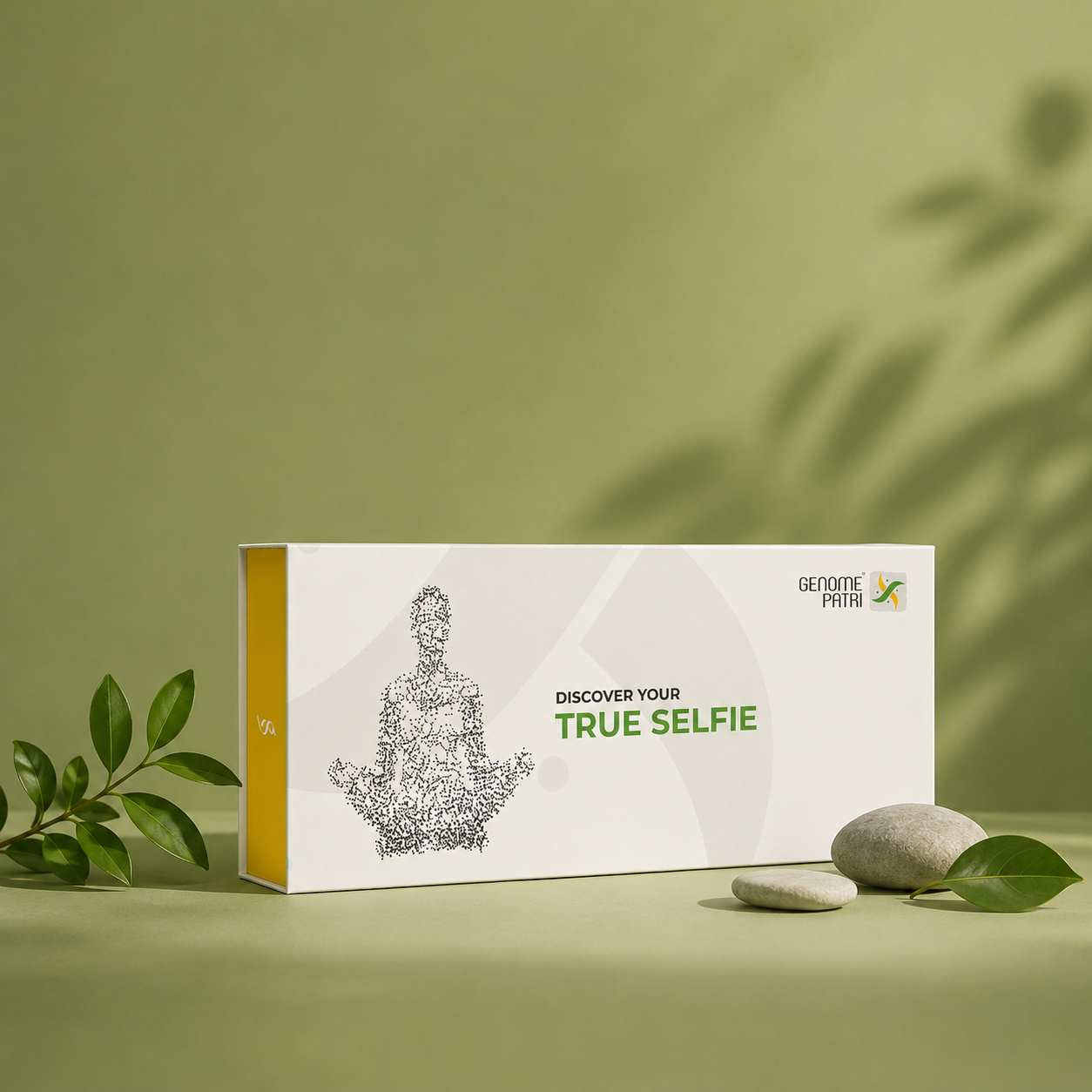
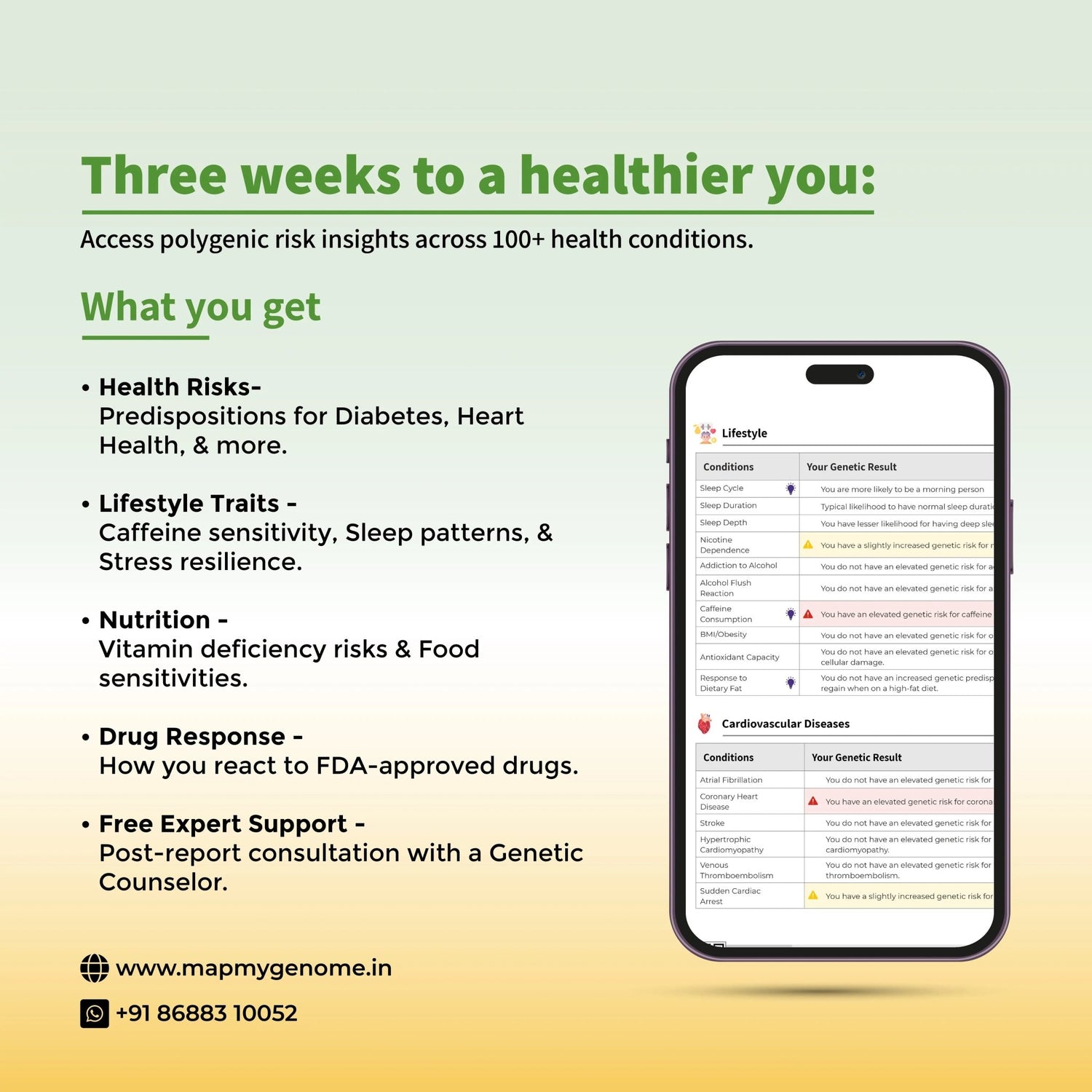
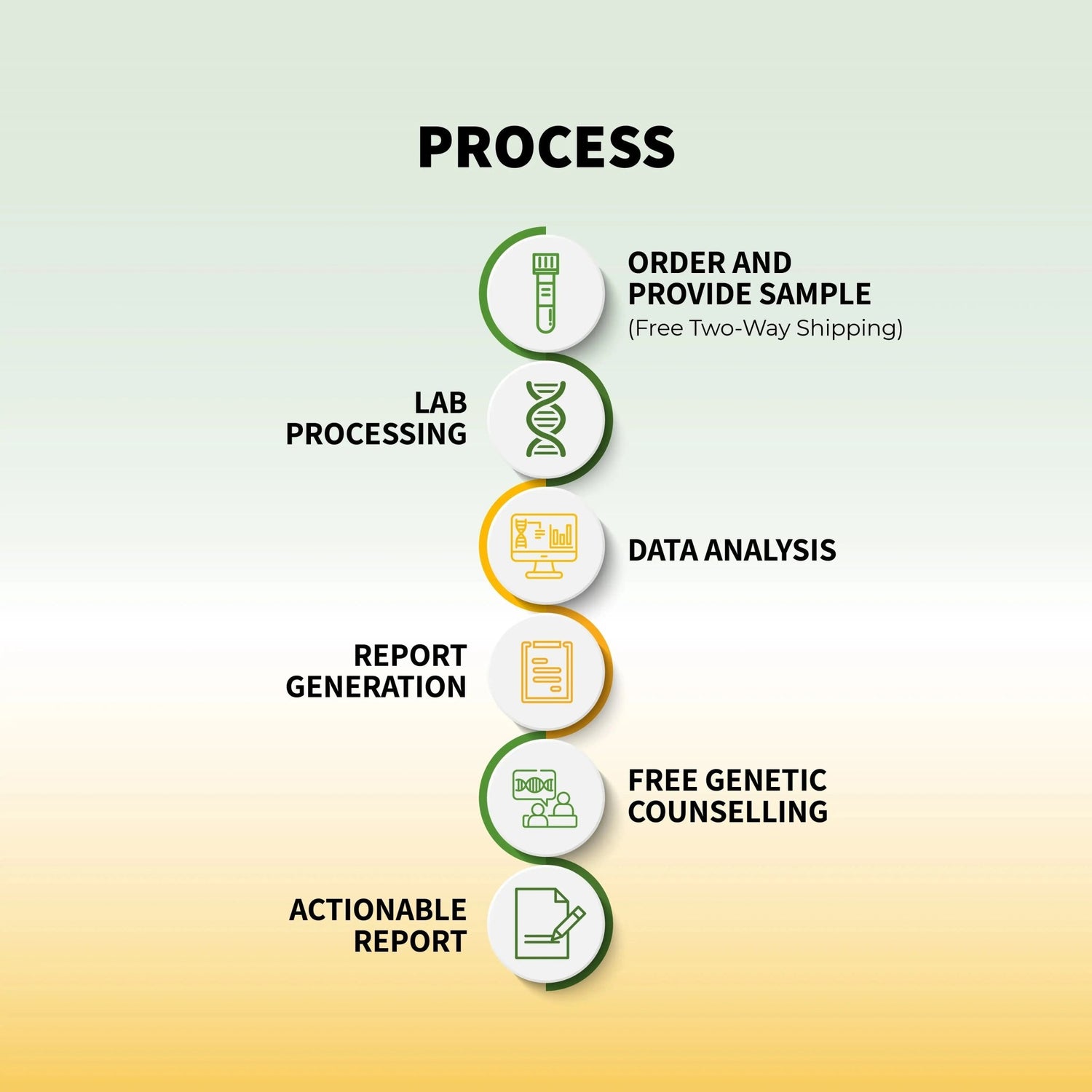
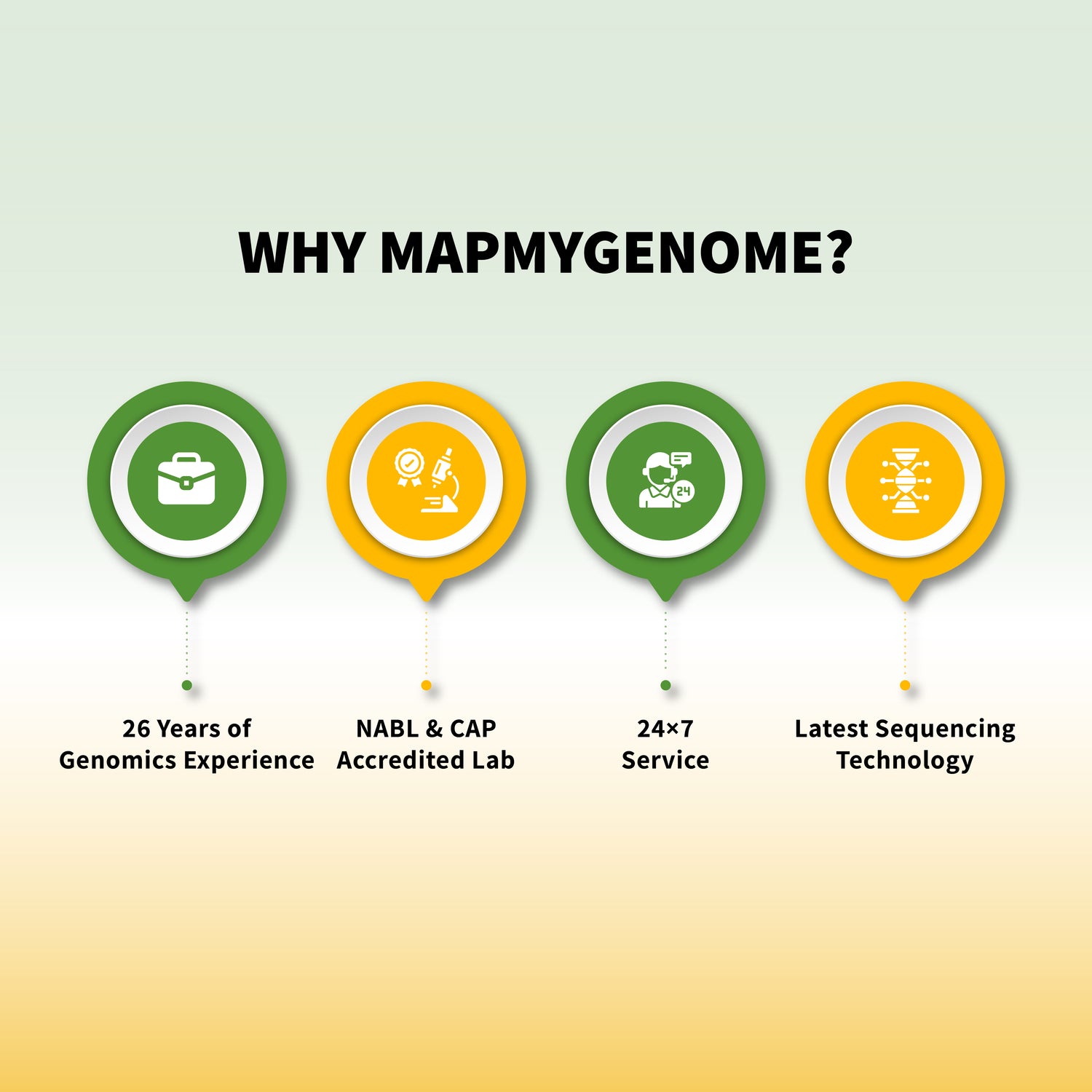
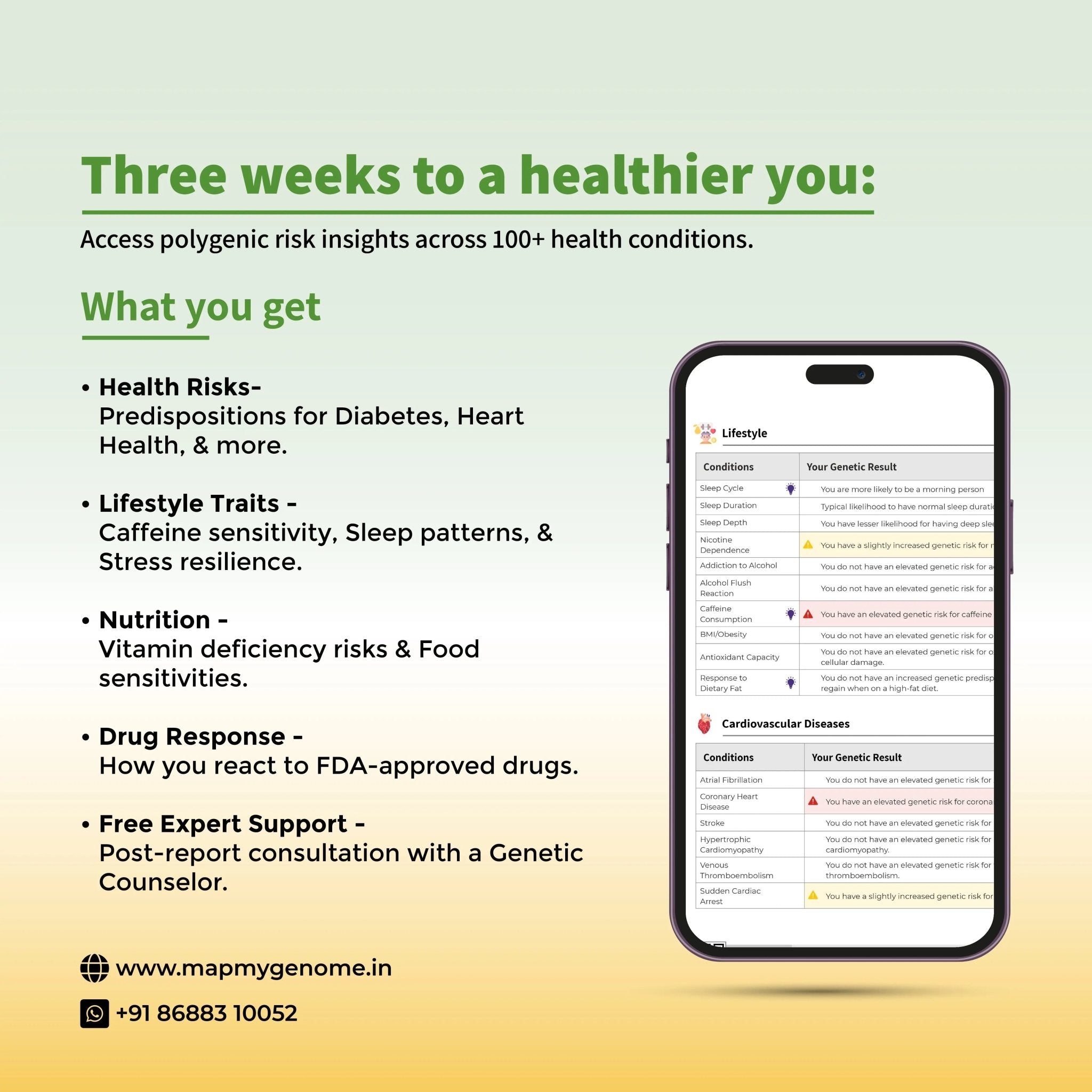
Nutrition is only part of the picture. Your DNA influences your risk for conditions like Alzheimer's, depression, and cognitive decline — as well as how your body absorbs key brain nutrients like omega-3s and Vitamin E. Genomepatri by MapmyGenome reveals your neurological health predispositions and personalized nutrition insights, so you can eat and live smarter for your unique biology.
→ Order Genomepatri — India's Most Comprehensive DNA Health Test
Questions? Reach us at info@mapmygenome.in or call 1800 102 4595.
Eat Smart for Your Unique Biology
Your genes influence how you absorb omega-3s, Vitamin E, and other brain nutrients. Your gut microbiome determines how much benefit you actually get. The Stay Young Bundle — Genomepatri + MapmyBiome — gives you both answers in one.