

World Health Day 2017: Emotional Resilience to Fight Depression
World Health Day 2017 focused on depression — one of the leading causes of disability worldwide. The WHO estimated that more than 300 million people globally were living with depression, with India accounting for a significant proportion. Yet depression remains one of the most stigmatised and underdiagnosed conditions in the country.
What is Emotional Resilience?
Emotional resilience is the ability to adapt to stressful situations, bounce back from adversity, and maintain psychological well-being in the face of challenges. It is not a fixed trait — it can be built and strengthened over time through deliberate practice and lifestyle choices.
The Genetics of Depression and Resilience
Depression has a significant genetic component — heritability estimates range from 37–50%. Key genes include:
SLC6A4 (serotonin transporter): The 5-HTTLPR variant influences serotonin reuptake and stress sensitivity — one of the most studied gene-environment interactions in psychiatry
BDNF (brain-derived neurotrophic factor): The Val66Met variant affects neuroplasticity and resilience to stress
COMT: Influences dopamine metabolism and emotional regulation
FKBP5: Regulates the stress response system (HPA axis) and is associated with PTSD and depression risk
Evidence-Based Ways to Build Emotional Resilience
Regular exercise: Increases BDNF, reduces cortisol, and is as effective as antidepressants for mild-moderate depression
Mindfulness and meditation: Reduces amygdala reactivity and strengthens prefrontal cortex regulation of emotions
Social connection: Strong relationships are the single most powerful predictor of resilience and longevity
Sleep: 7–9 hours of quality sleep is essential for emotional regulation and stress recovery
Nutrition: The gut-brain axis means your diet directly influences your mood — omega-3s, B vitamins, and a diverse microbiome all support mental health
Understand Your Mental Health Genetics
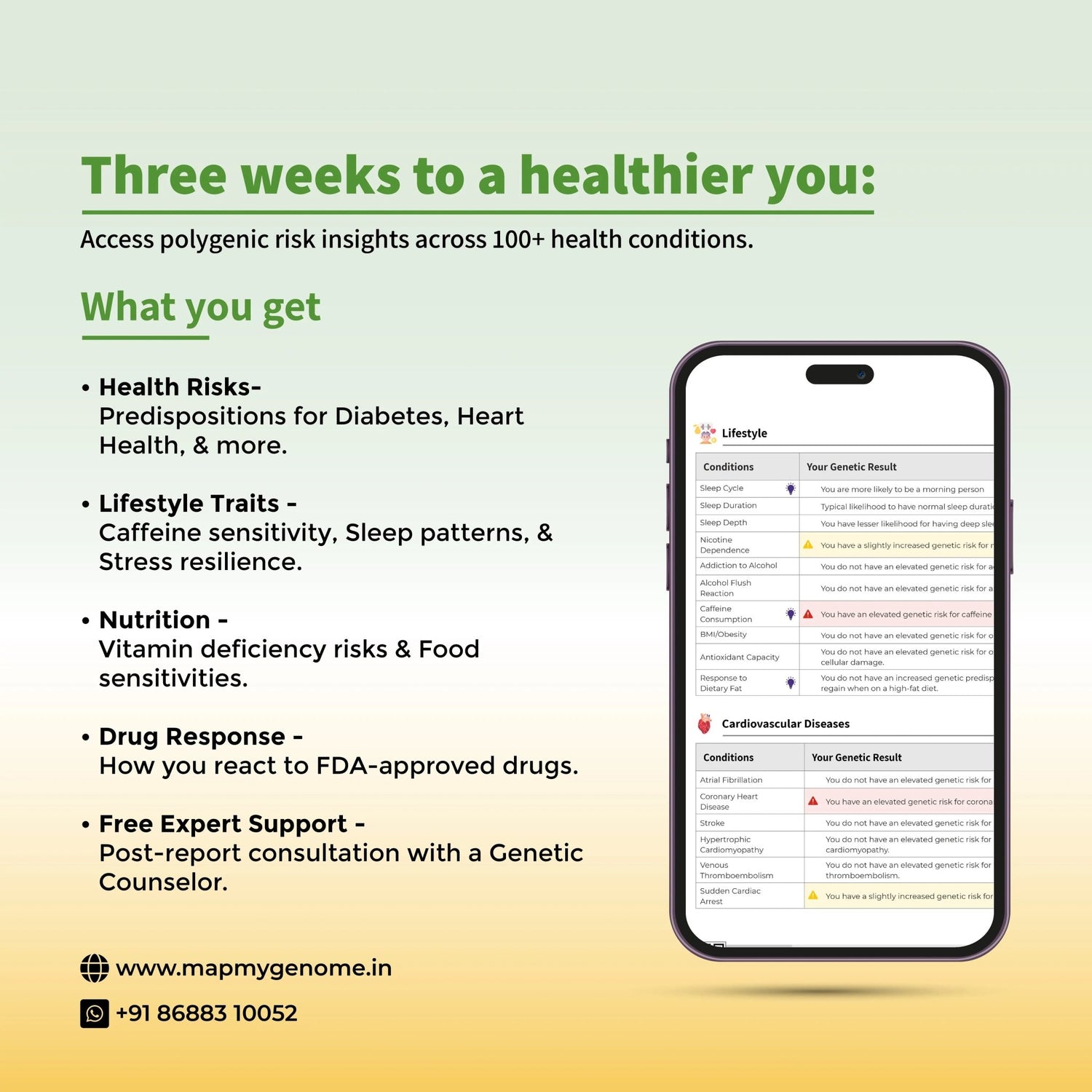
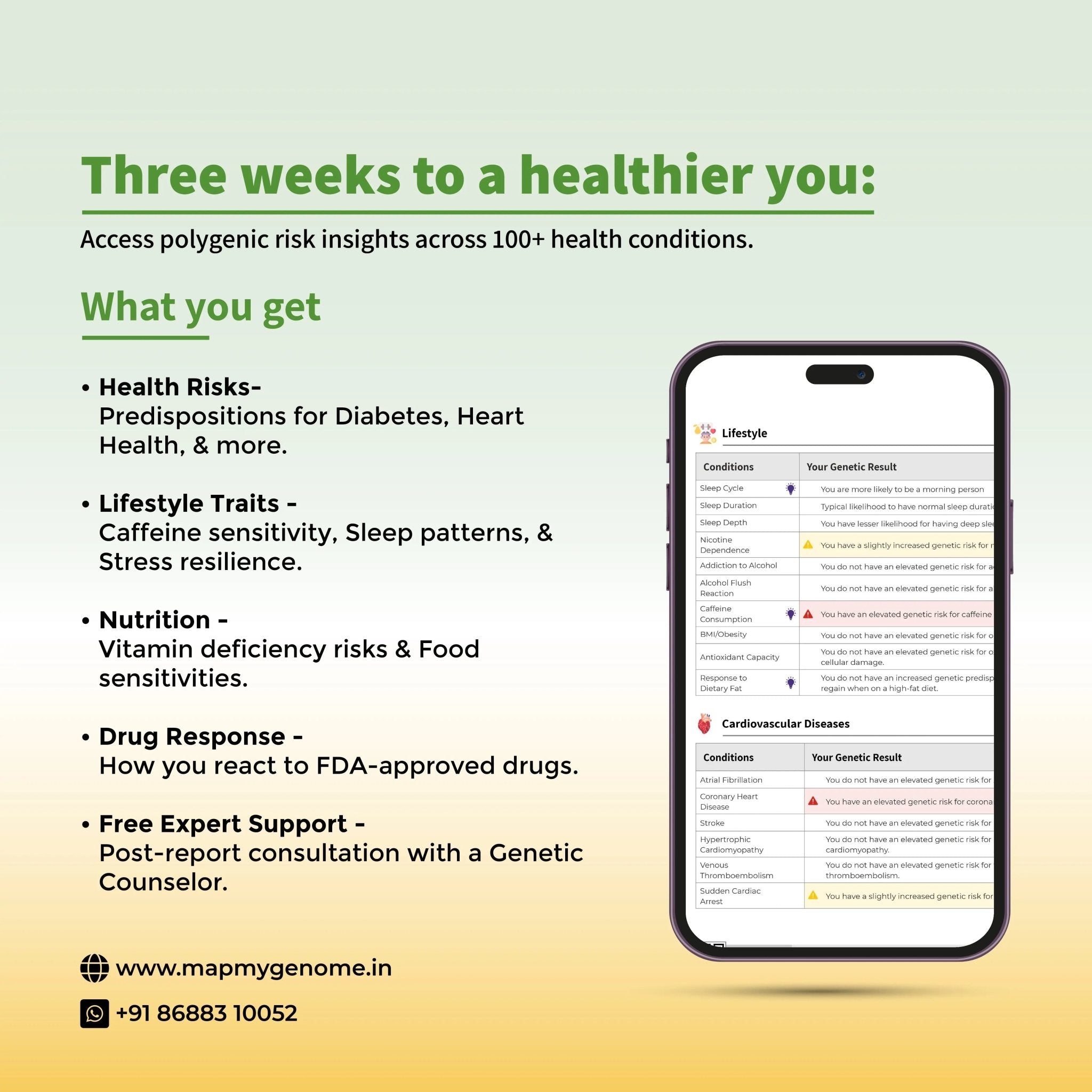
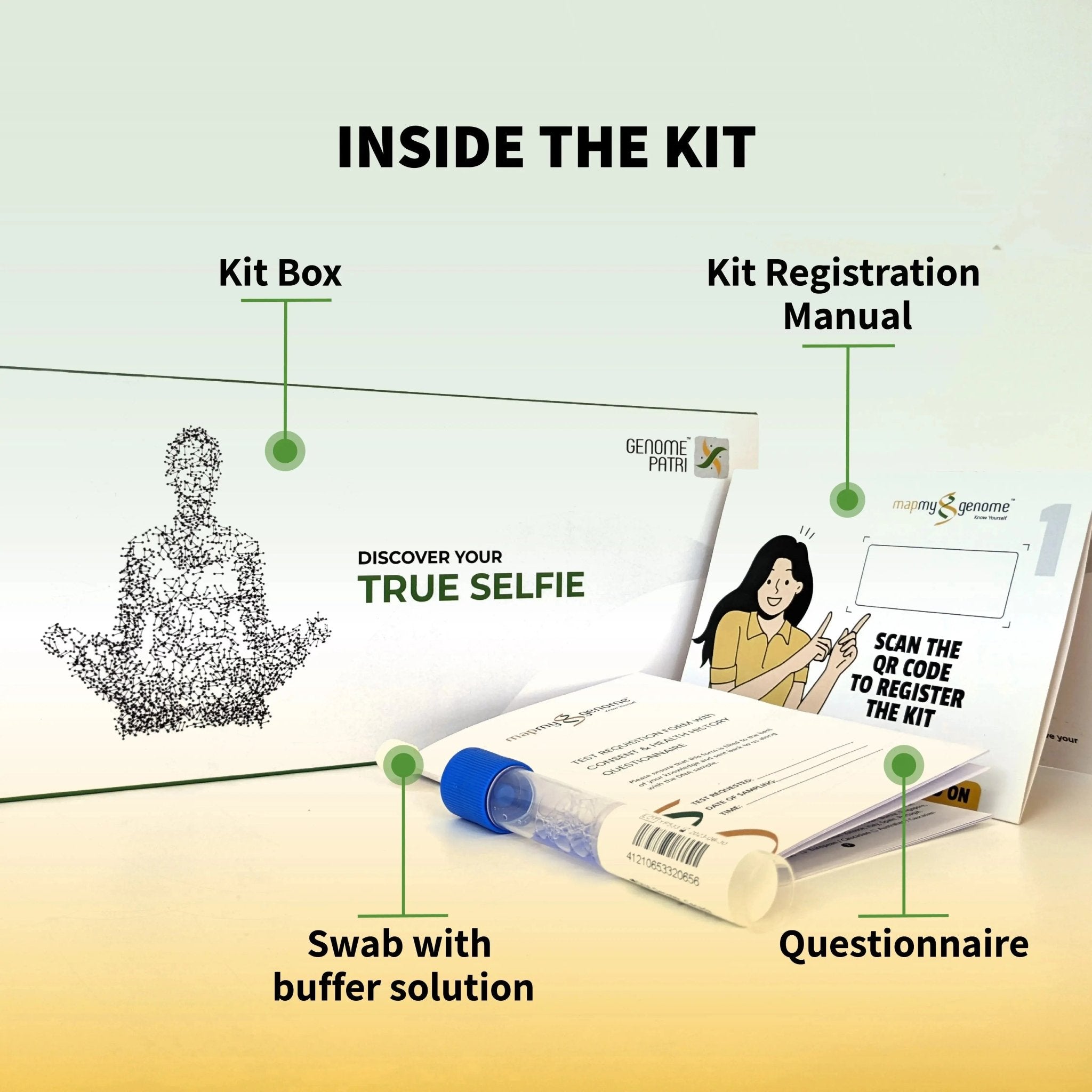
Genomepatri by MapmyGenome includes mental health predisposition traits and pharmacogenomic insights for psychiatric medications — helping you and your doctor make more informed decisions about prevention and treatment.