

Breakfast is often called the most important meal of the day — and for good reason. It kickstarts your metabolism, provides energy for the hours ahead, and, for people managing diabetes or trying to keep blood sugar stable, it plays a crucial role in setting the tone for the entire day. Unfortunately, many common breakfast habits can cause blood sugar spikes — leaving you feeling tired, irritable, and at greater risk of long-term complications.
Here are 10 breakfast mistakes to avoid for stable blood sugar levels, along with practical solutions for each.
Why Breakfast Matters for Blood Sugar Control
After an overnight fast, your blood sugar is typically at a stable baseline. What you eat first thing in the morning can either maintain that stability or trigger dramatic spikes and crashes. For people with diabetes, prediabetes, or insulin resistance, these morning choices are especially consequential — poor breakfast habits can undermine blood sugar control for the entire day.
10 Breakfast Mistakes That Spike Your Blood Sugar
1. Skipping Breakfast Altogether
Skipping breakfast — whether due to time pressure or a belief that it aids weight loss — can cause blood sugar to drop, triggering cravings for sugary, high-carbohydrate foods later in the day. This often leads to overeating and erratic glucose levels.
Solution: Start your day with a balanced meal containing protein, healthy fats, and fibre. A simple option: Greek yogurt with chia seeds and berries, or scrambled eggs with avocado on whole-grain toast.
2. Relying on Sugary Breakfast Cereals
Many cereals marketed as "healthy" are loaded with added sugars, artificial flavours, and refined carbohydrates. These cause a rapid blood sugar spike followed by a crash — leaving you fatigued and craving more sugar within hours.
Solution: Choose whole-grain cereals with no added sugar, or opt for steel-cut oats — a slow-digesting carbohydrate rich in fibre. Add nuts, seeds, or Greek yogurt to balance the meal.
3. Drinking Sugary Beverages
Flavoured coffees, fruit juices, and sugar-laden smoothies are a fast route to a blood sugar spike. These drinks are typically high in sugar and low in fibre, meaning glucose enters the bloodstream rapidly.
Solution: Choose black coffee or unsweetened tea. If you enjoy smoothies, balance them with leafy greens, protein powder, and healthy fats like chia seeds or almond butter to slow sugar absorption.
4. Going Heavy on Carbohydrates
Carbohydrates are an important energy source, but a carb-heavy breakfast without protein or fat — think pancakes, waffles, bagels, or pastries — is quickly broken down into glucose, causing a sharp blood sugar spike.
Solution: Balance your plate with complex carbohydrates (whole grains, sweet potato), a protein source (eggs, tofu, paneer), and healthy fats (avocado, nuts). This combination slows carbohydrate absorption and keeps blood sugar stable.
5. Choosing "Low-Fat" or "Fat-Free" Products
Low-fat and fat-free breakfast foods are often loaded with added sugars and refined carbohydrates to compensate for the lost flavour. These hidden sugars can significantly disrupt blood sugar levels.
Solution: Choose full-fat versions of foods like yogurt or milk in moderate portions. The natural fat content slows carbohydrate absorption and promotes satiety.
6. Eating Too Much Fruit at Once
Fruit is nutritious, but large portions — especially of high-sugar varieties like bananas, grapes, and mangoes — can cause a significant blood sugar spike when eaten without protein or fat to balance them.
Solution: Keep fruit portions moderate and always pair them with protein or healthy fats. Berries (blueberries, strawberries) are lower in sugar and an excellent breakfast choice when combined with Greek yogurt or a handful of nuts.
7. Choosing Processed or Refined Carbohydrates
White bread, pastries, and instant oatmeal are stripped of their natural fibre and nutrients during processing. Without fibre, your body breaks these foods down into glucose rapidly, causing a quick rise in blood sugar.
Solution: Choose whole, minimally processed carbohydrates — steel-cut oats, whole-grain bread, or quinoa. Their higher fibre content slows digestion and supports more stable blood sugar throughout the morning.
8. Forgetting About Protein
Many people focus on carbohydrates at breakfast and overlook protein. Without adequate protein, blood sugar may spike and crash after eating, leaving you hungry and fatigued within a couple of hours.
Solution: Include a quality protein source at every breakfast — eggs, tofu, paneer, Greek yogurt, or a protein shake. Protein slows carbohydrate absorption and promotes sustained energy levels.
9. Skipping Healthy Fats
Healthy fats are often overlooked at breakfast, but they play an important role in blood sugar management. Fats slow digestion, prevent glucose spikes, and keep you feeling full for longer.
Solution: Add healthy fats to your breakfast — avocado on whole-grain toast, a handful of almonds in your oatmeal, or a drizzle of olive oil in your eggs. Small additions make a meaningful difference.
10. Overloading on Dairy
While dairy provides protein and calcium, some people — particularly those with lactose sensitivity — may experience blood sugar fluctuations from consuming large amounts of lactose (the natural sugar in dairy) at breakfast.
Solution: If dairy tends to affect your glucose levels, try unsweetened plant-based alternatives like almond milk or coconut yogurt. Always choose unsweetened versions to avoid added sugars.
Building a Blood-Sugar-Friendly Breakfast: The Formula
Every balanced breakfast should include:
- Fibre — slows glucose absorption (oats, whole grains, vegetables)
- Protein — stabilizes blood sugar and promotes satiety (eggs, paneer, Greek yogurt, tofu)
- Healthy fats — slows digestion and reduces spikes (avocado, nuts, seeds, olive oil)
FAQs
What's the best breakfast for stable blood sugar?
A balanced meal with protein, healthy fats, and whole-grain carbohydrates — such as eggs with avocado on whole-grain toast, or oats with nuts and berries.
Can skipping breakfast affect blood sugar?
Yes. Skipping breakfast can cause blood sugar to drop, leading to poor glucose control and increased cravings for high-sugar foods later in the day.
Which fruits should I avoid at breakfast if I have diabetes?
Fruits high in natural sugars — like bananas, grapes, and mangoes — can spike blood sugar if eaten in large portions without protein or fat. Berries are a lower-sugar alternative.
Conclusion: Start Your Day Right
Maintaining stable blood sugar starts with your first meal. By avoiding these common breakfast mistakes and building a plate that balances fibre, protein, and healthy fats, you can fuel your body effectively, sustain your energy, and reduce the risk of long-term complications. Small, consistent changes at breakfast add up to significant health benefits over time.
🧬 Your Blood Sugar Response Is Partly Genetic
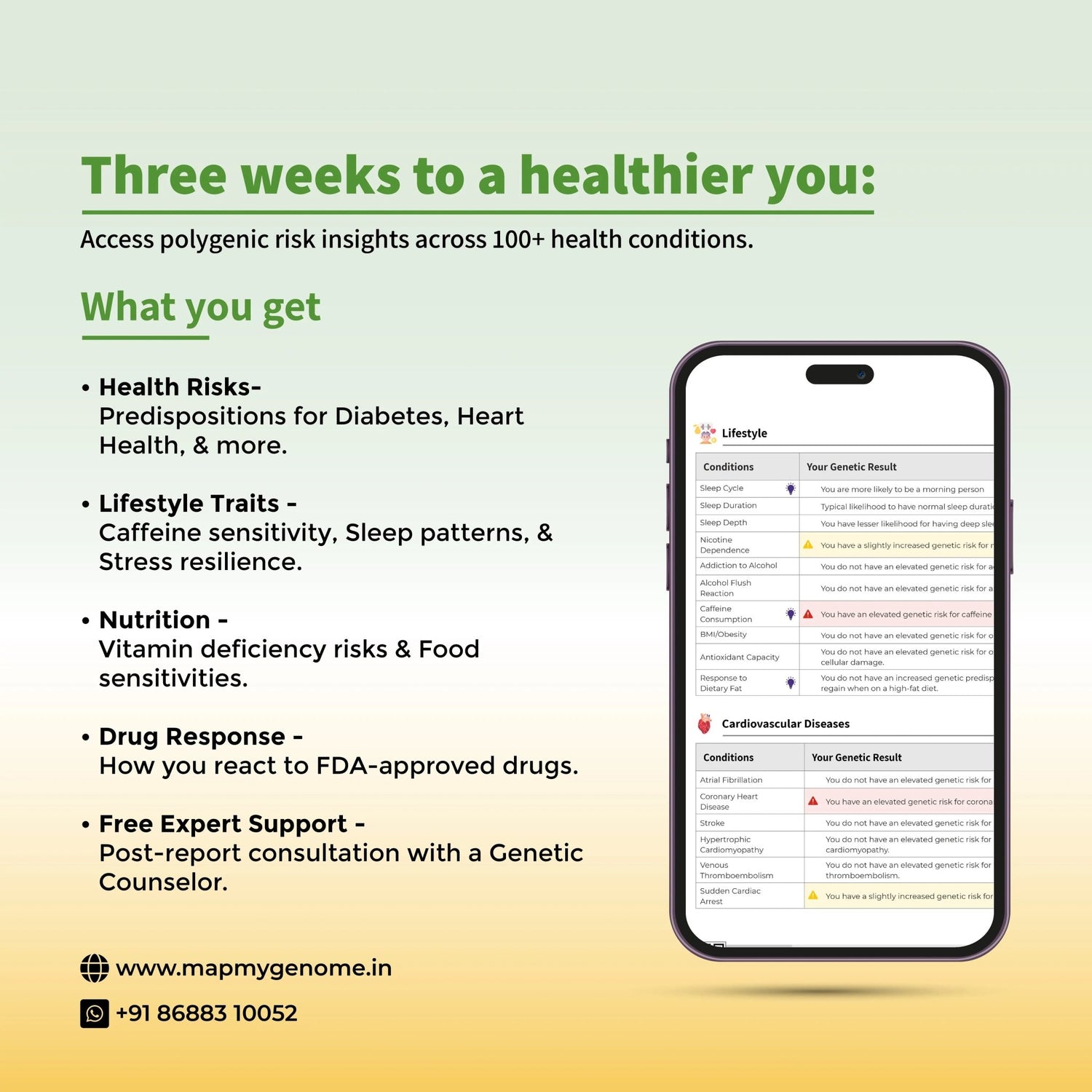
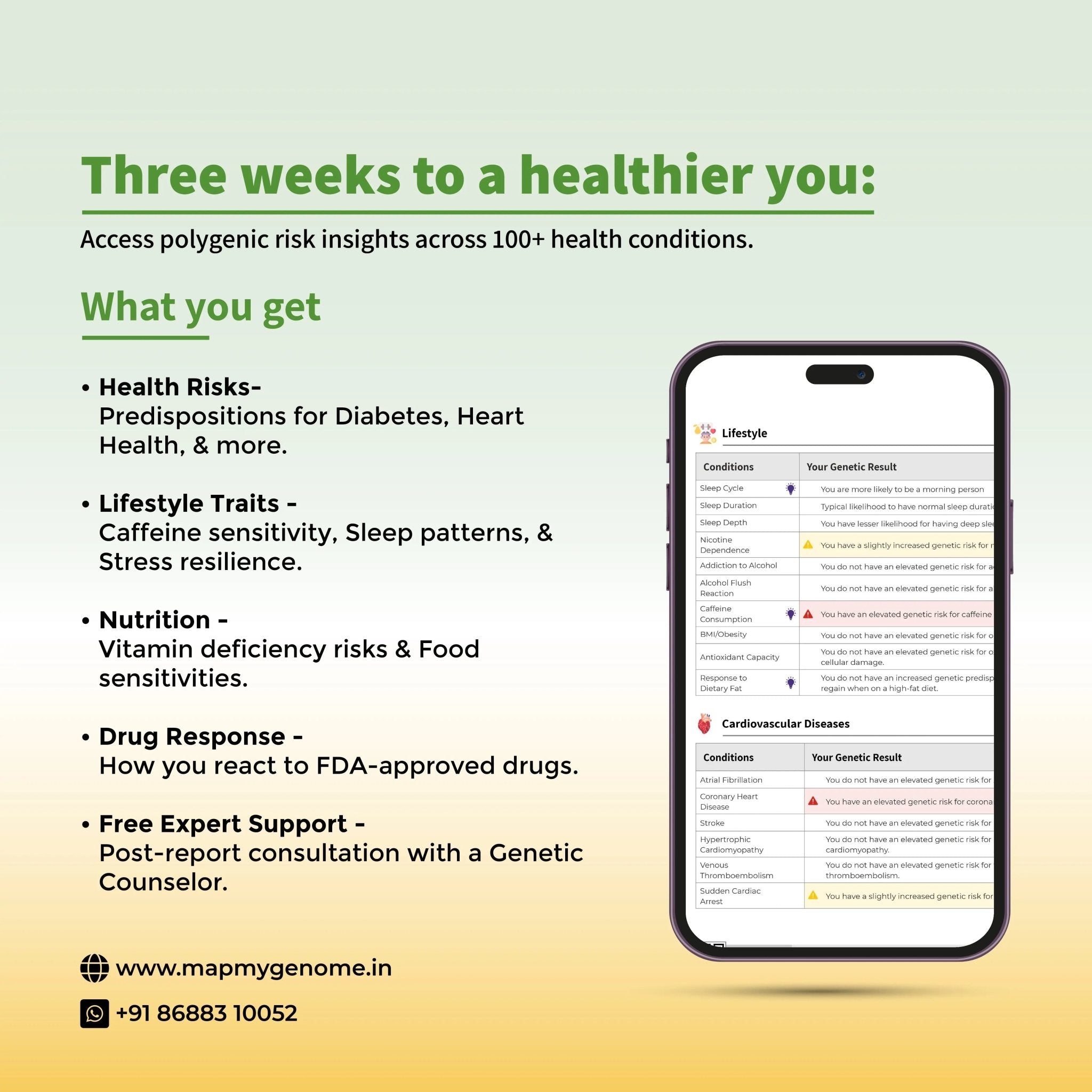
Diet matters enormously — but your genes also influence how your body processes carbohydrates, regulates insulin, and responds to different foods. Some people are genetically predisposed to higher diabetes risk, insulin resistance, or specific nutrient sensitivities that no generic diet plan can account for.
Genomepatri and Cardiomap by MapmyGenome reveal your personal genetic risk for type 2 diabetes, cardiovascular disease, and metabolic conditions — so you can take targeted, preventive action based on your actual DNA.
⭐⭐⭐⭐⭐ Rated 4.97/5 by 143+ customers
- → Genomepatri — India's #1 At-Home DNA Wellness Test — Covers 100+ health traits including diabetes risk, metabolism, and nutrition.
- → Cardiomap — DNA Test for Diabetes & Cardiac Health — Focused insights into your genetic risk for heart disease and type 2 diabetes.
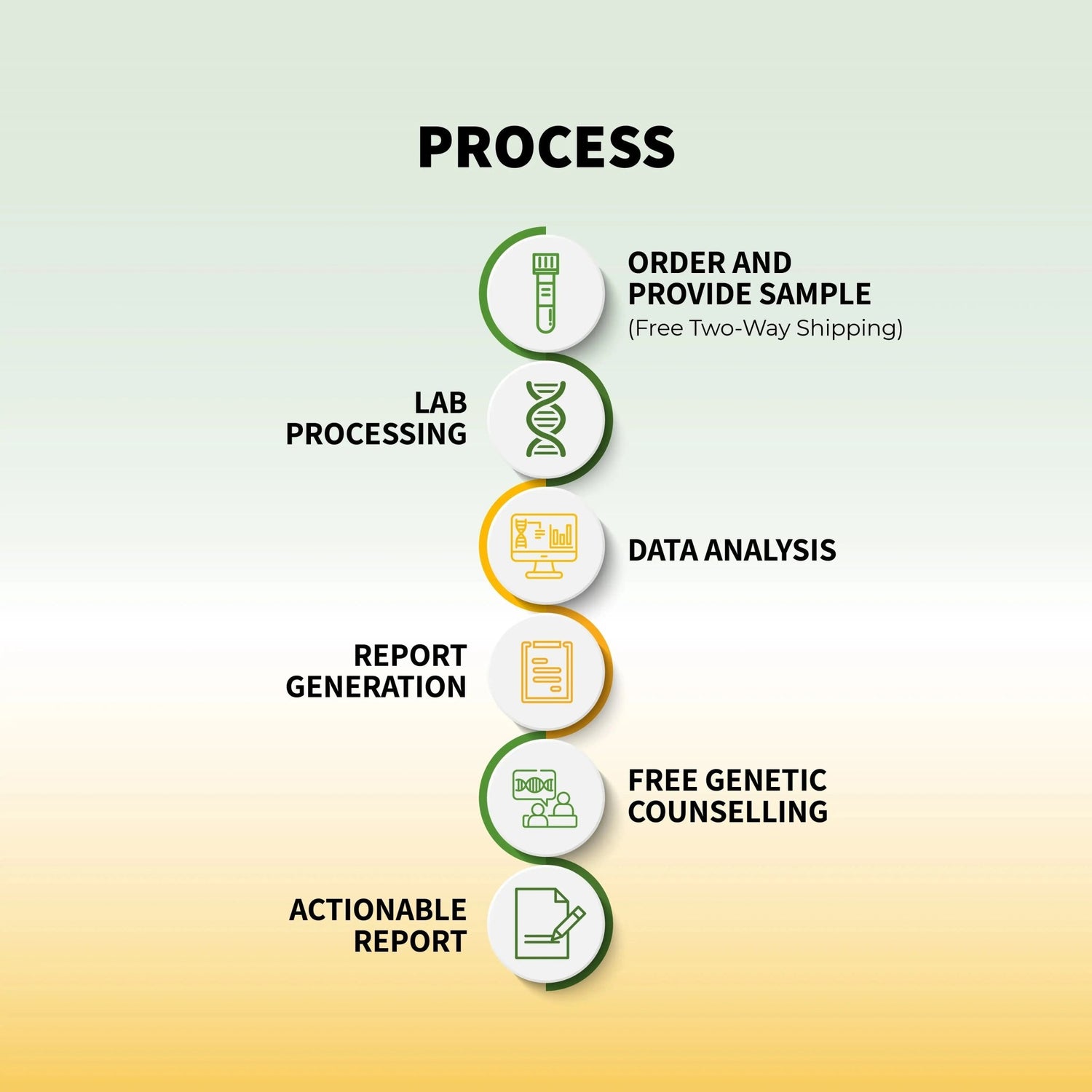
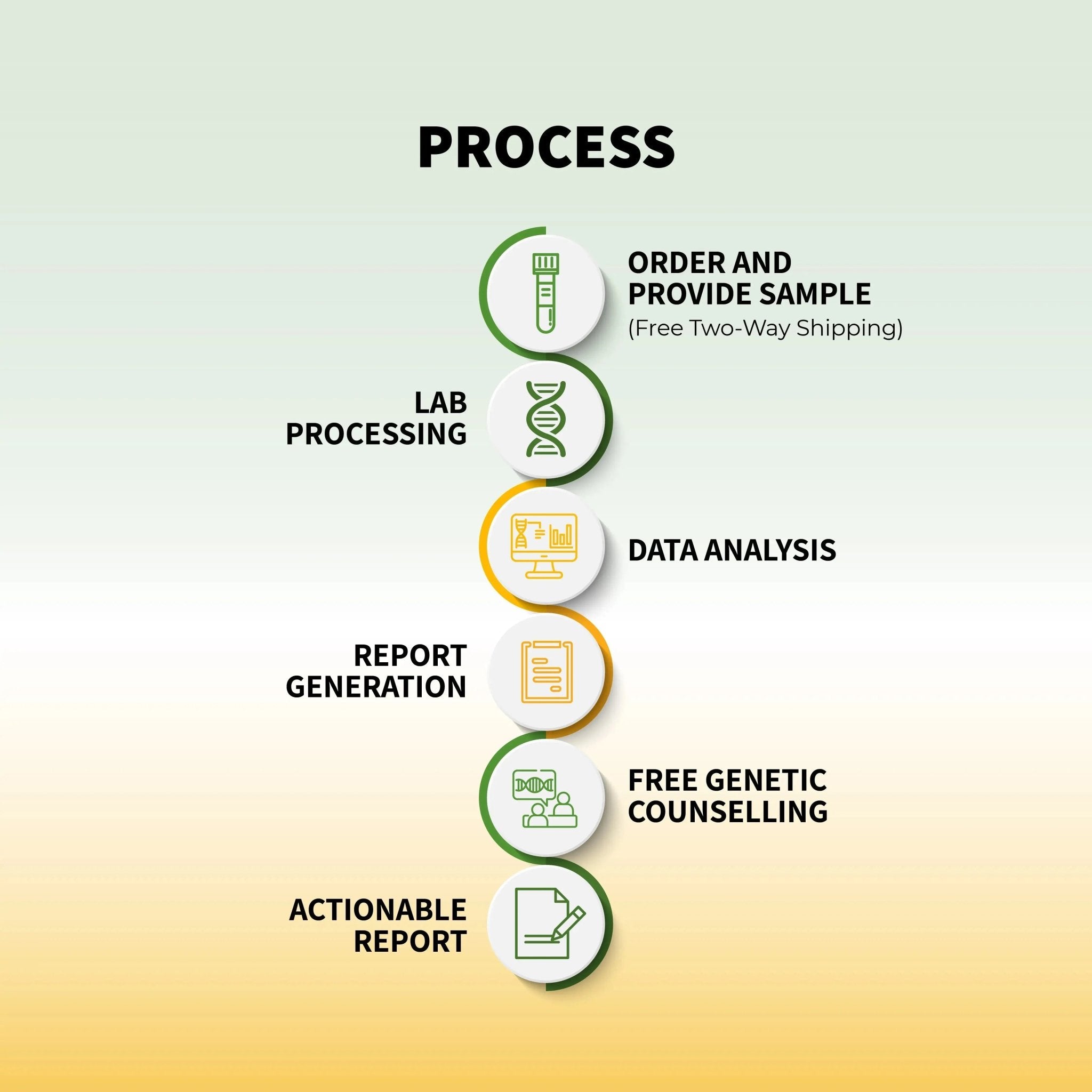
Both tests are done at home with a simple saliva sample. Know your risk. Take control.