

Are There Different Kinds of Fat? Which Are the Good Ones?
Not all fats are created equal. For decades, dietary fat was demonised — but science has since revealed a far more nuanced picture. The type of fat you eat, and how your body processes it, matters enormously for your health. And crucially, your genes play a significant role in how you respond to different dietary fats.
The Main Types of Dietary Fat
1. Saturated Fats
Found in animal products (meat, dairy, butter) and tropical oils (coconut, palm). Saturated fats raise LDL (“bad”) cholesterol in most people — but genetic variants in APOE, APOB, and LDLR genes determine how dramatically your cholesterol responds to saturated fat intake.
2. Monounsaturated Fats (MUFAs)
Found in olive oil, avocados, and nuts. MUFAs are widely considered heart-healthy — they lower LDL cholesterol while maintaining or raising HDL (“good”) cholesterol. The Mediterranean diet, rich in MUFAs, is consistently associated with reduced cardiovascular risk.
3. Polyunsaturated Fats (PUFAs)
Two main types:
Omega-3 fatty acids (found in fatty fish, flaxseed, walnuts) — anti-inflammatory, cardioprotective, and beneficial for brain health. Your FADS1 and FADS2 gene variants determine how efficiently you convert plant-based omega-3s (ALA) to the active forms (EPA and DHA).
Omega-6 fatty acids (found in vegetable oils, processed foods) — essential in small amounts, but excess omega-6 relative to omega-3 promotes inflammation.
4. Trans Fats
Artificially produced through hydrogenation of vegetable oils. Trans fats raise LDL, lower HDL, and promote inflammation — with no safe level of consumption. Now banned or restricted in most countries.
The Good Fats: What to Eat More Of
Olive oil — rich in oleic acid and polyphenols
Avocados — MUFAs plus fibre and potassium
Fatty fish (salmon, sardines, mackerel) — omega-3 EPA and DHA
Nuts and seeds — mixed MUFAs and PUFAs with fibre
Ghee — rich in butyrate and fat-soluble vitamins; response varies by genotype
Why Your Genes Matter for Fat Metabolism
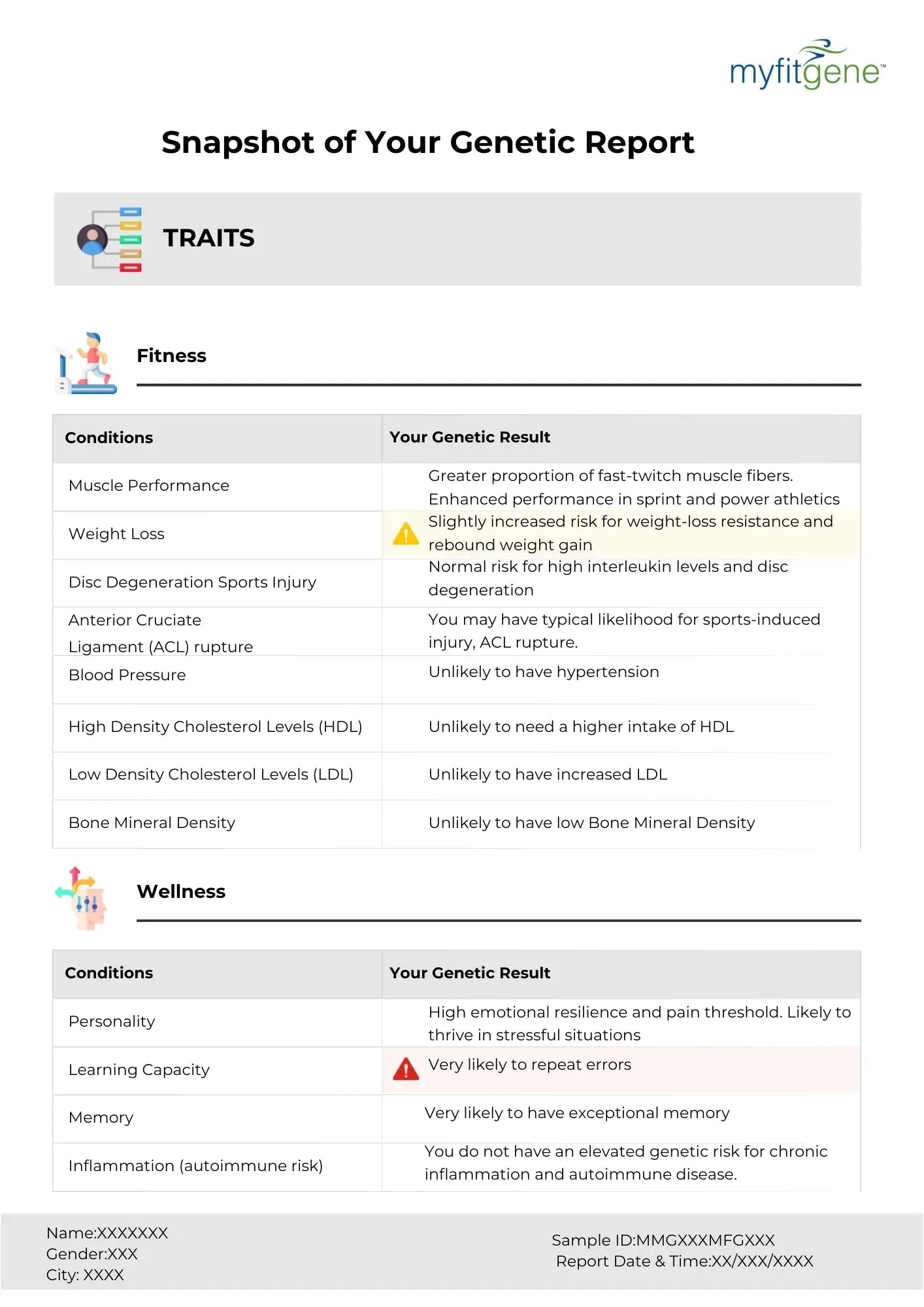
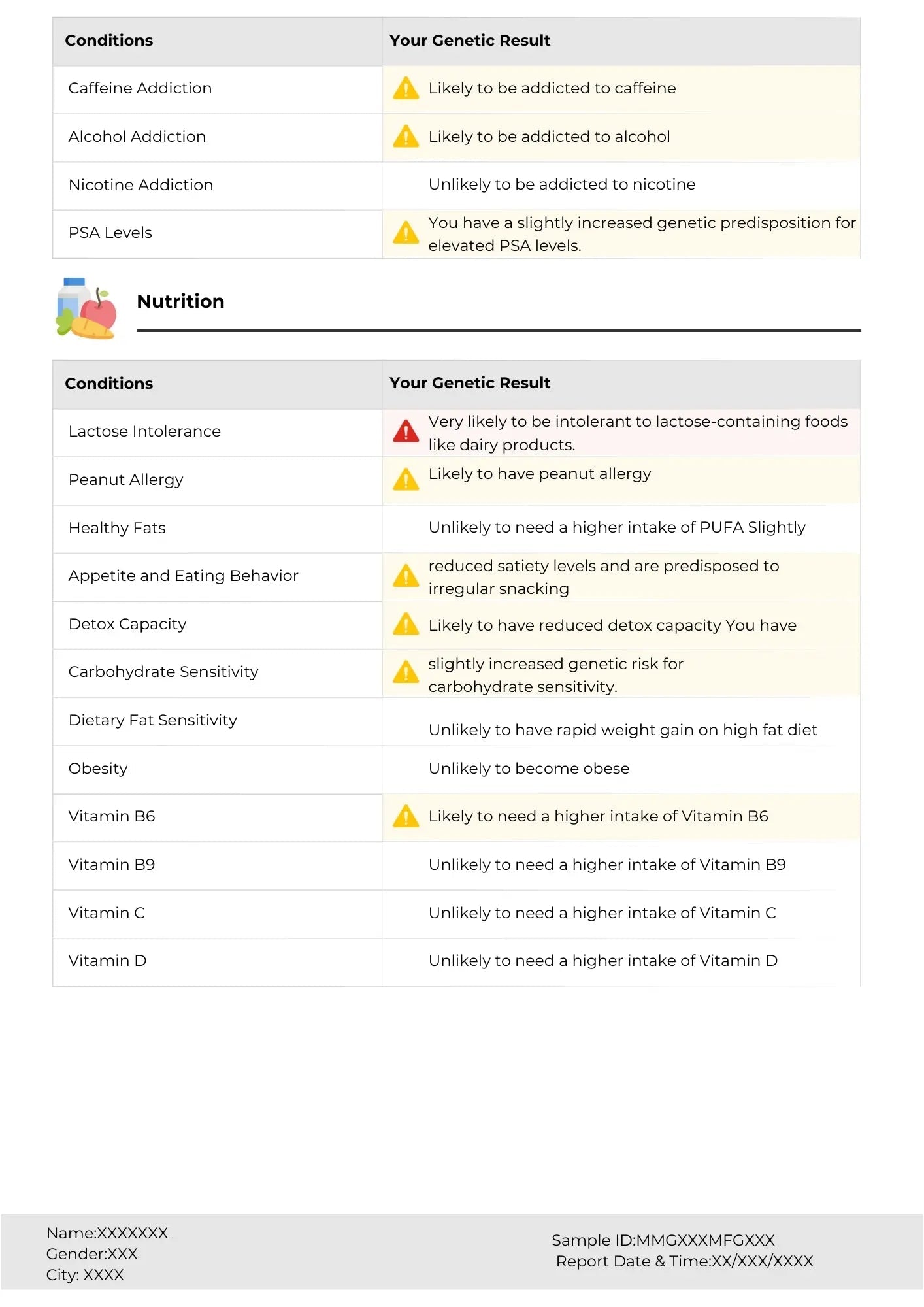
Your genetic profile determines how your body responds to dietary fat — including your LDL response to saturated fat, your ability to convert plant omega-3s, your triglyceride response to fat intake, and your risk of cardiovascular disease. What’s healthy for one person may not be optimal for another.
Discover Your Genetic Nutrition Profile
Genomepatri by MapmyGenome reveals your fat metabolism genetics, cardiovascular risk, and personalised nutritional needs — helping you build a diet that works with your biology, not against it.