

Blood Testing: From Humours to Tumours
Liquid biopsy is used and misused a lot these days. While we are all still on the lookout for the holy grail, there is a lot we can do with a small blood sample. Today we can do a genetic test like Genomepatri, Exome analysis, whole genome analysis, and NIPT on pregnant mothers to detect chromosomal abnormalities — and detect circulating tumour cells to give early signs of cancer. The beauty of science is that we evolve, and as this body of knowledge develops, we get to stand on the shoulders of giants to see beyond.
Early Ages
A couple of thousand years ago, the body was thought to be made up of 4 humours in western science: blood, phlegm, black bile, and yellow bile. Ayurveda postulated that an individual is comprised of three types of energies: Vata, Pitta, and Kapha. The concept of balance seemed familiar globally even then.
The 1900s and Beyond
In 1901, the first blood group classification determined the A, B, and O groups — Karl Landsteiner received the Nobel Prize in 1930 for this landmark achievement. In 1907, doctors began using this classification for blood transfusions. The 1960s saw the advent of the first strips for testing blood glucose. In 1971, blood tests could screen for hepatitis. In 1973, the TSH test was introduced for hypothyroidism. HIV was added in 1985.
Chromosomal Analysis and DNA Blood Tests
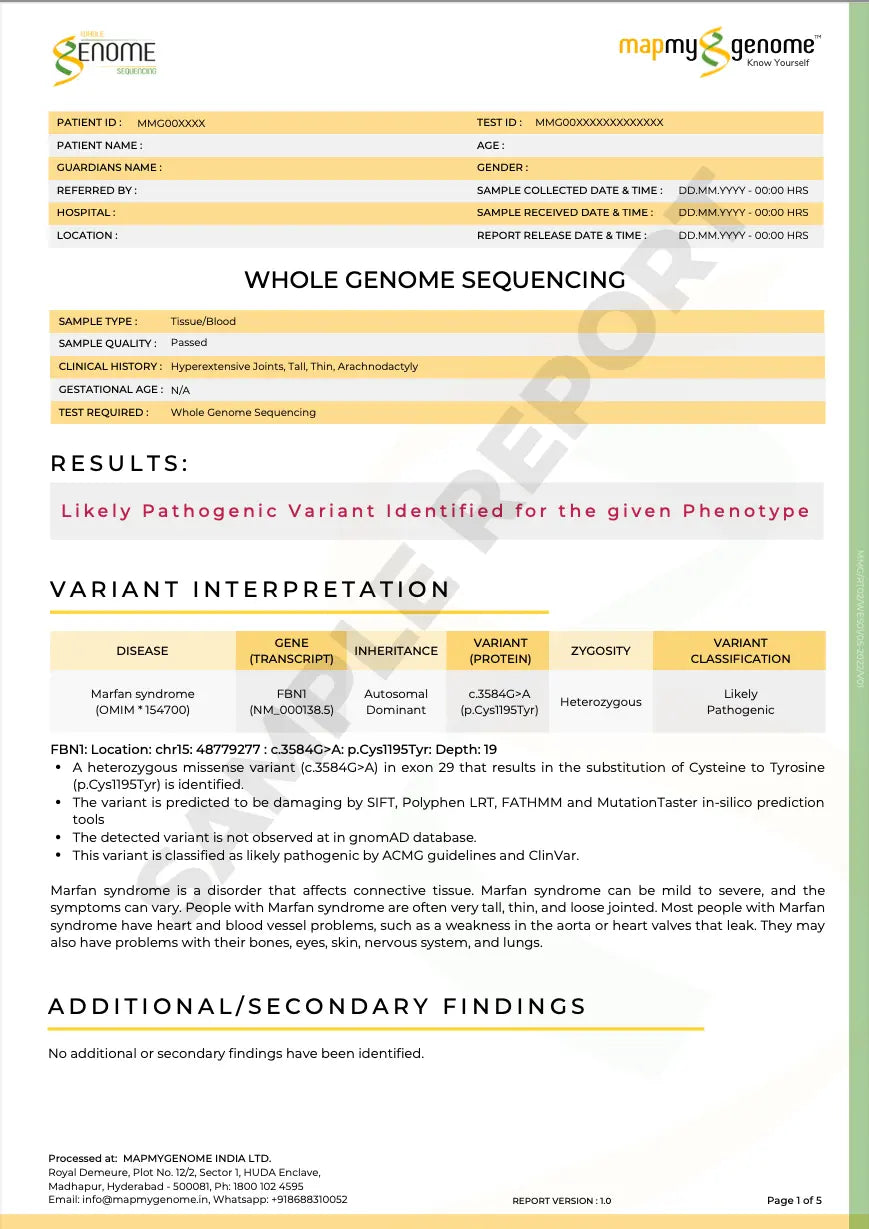
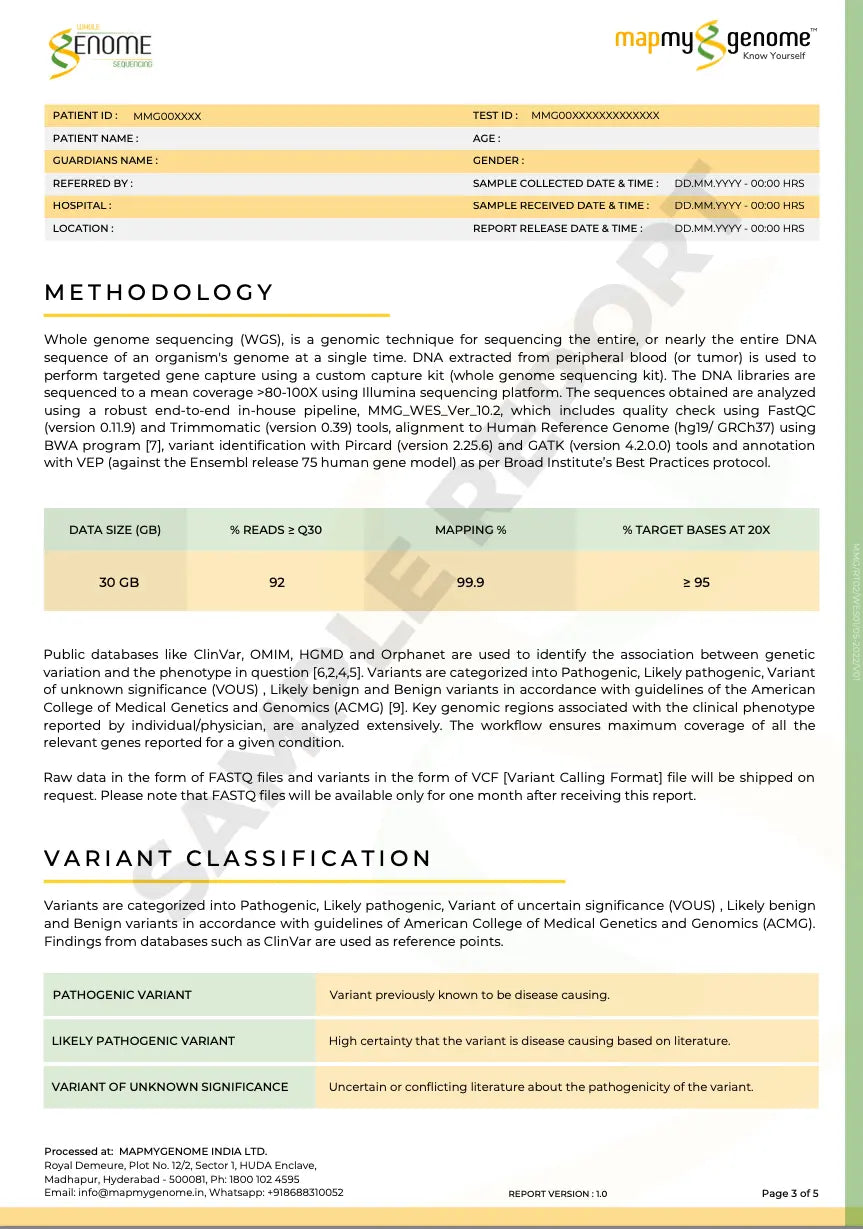
Today’s DNA testing with blood went through several iterations — blood typing, serological testing, HLA testing, PCR, RT-PCR, SNP arrays, next-generation sequencing — to arrive at tests for newborn or carrier screening, exome analysis, targeted panels, and whole genome sequencing. Most expecting parents are now aware of NIPT, which looks at DNA from the baby’s placenta found in the mother’s blood to screen for chromosomal disorders.
Liquid Biopsies and the Future
Liquid biopsies have been the catchword for the last few years — diagnosing tumours based on a simple blood test by detecting circulating tumour DNA released from dead cancer cells. If this works at scale, we wouldn’t have to take tissue samples from patients, and it would be relatively cheaper and risk-free.
The future of blood testing will likely be non-invasive (finger prick or less), more accurate, home-based, and connected to your devices in real time. Consumers will be making more lifestyle modifications compared to drugs.
By Anu Acharya, CEO, MapmyGenome
Go Beyond Blood Tests — Know Your Genetic Blueprint
Blood tests tell you what’s happening now. Genomepatri by MapmyGenome tells you what’s coming — screening your genetic predisposition to 100+ health conditions including cancer, heart disease, and diabetes, so you can act before symptoms appear.