


When it comes to cancer, most people wish they could know their risks ahead of time. Genetic testing can be a powerful tool in understanding these risks and sometimes detecting cancer even before symptoms arise.
What Is Genetic Testing for Cancer?
Genetic testing for cancer analyzes your DNA to find genetic mutations linked to a higher risk of cancer. These tests can identify inherited mutations — gene changes passed down from parents — that could increase your likelihood of developing certain cancers, including breast, ovarian, colon, pancreatic, and more. Unlike some tests that diagnose existing cancer, genetic testing aims to uncover your inherited cancer risk.
How Does Genetic Testing Detect Cancer Risks?
1. Identifying Cancer-Related Gene Mutations
Some genes, like BRCA1 and BRCA2, are well-known for their links to breast and ovarian cancer. MapmyGenome's BRCA Map examines these crucial genes to help you understand if you have a heightened chance of breast or ovarian cancer.
2. Detecting Hereditary Cancer Syndromes
There are several hereditary cancer syndromes, such as Lynch syndrome, that increase the risk of various cancers like colorectal and endometrial. Genetic tests can detect mutations associated with these syndromes and alert individuals to their increased risk.
3. Understanding Polygenic Risk
Some cancers result from the combined effect of multiple genes and lifestyle factors. Genetic tests can assess a person's polygenic risk score, providing insights into how genetic factors combine to influence cancer risk.
Who Should Consider Genetic Testing for Cancer?
- People with a family history of cancer, especially close relatives with breast, ovarian, colon, or pancreatic cancer
- Those with a known hereditary cancer syndrome in the family
- Anyone concerned about their risk for specific types of cancer due to personal or family health history
Benefits of Genetic Testing for Cancer
- Proactive Health Management: Knowing your genetic risk allows you to make informed health choices and adopt preventative measures.
- Targeted Screening and Surveillance: If you're at higher risk, you can work with your healthcare provider to schedule regular screenings.
- Personalized Treatment Options: For those diagnosed with cancer, genetic testing can guide more targeted treatments tailored to their genetic profile.
FAQs About Genetic Testing for Cancer
Can genetic testing actually diagnose cancer?
No. Genetic testing identifies cancer risk but does not diagnose existing cancer. It's a preventative tool to understand your risk and help you take action early.
What kinds of cancer can genetic testing detect?
Genetic testing can identify risk factors for various cancers, including breast, ovarian, colon, and prostate cancers. MapmyGenome offers specific panels like BRCA Map for breast and ovarian cancer risks.
How accurate are genetic tests for cancer risk?
Genetic tests are highly accurate in identifying known mutations linked to cancer risk. However, not all cancer risks are due to genetics — lifestyle and environmental factors also play a significant role.
Know Your Genetic Cancer Risk — Before Symptoms Appear
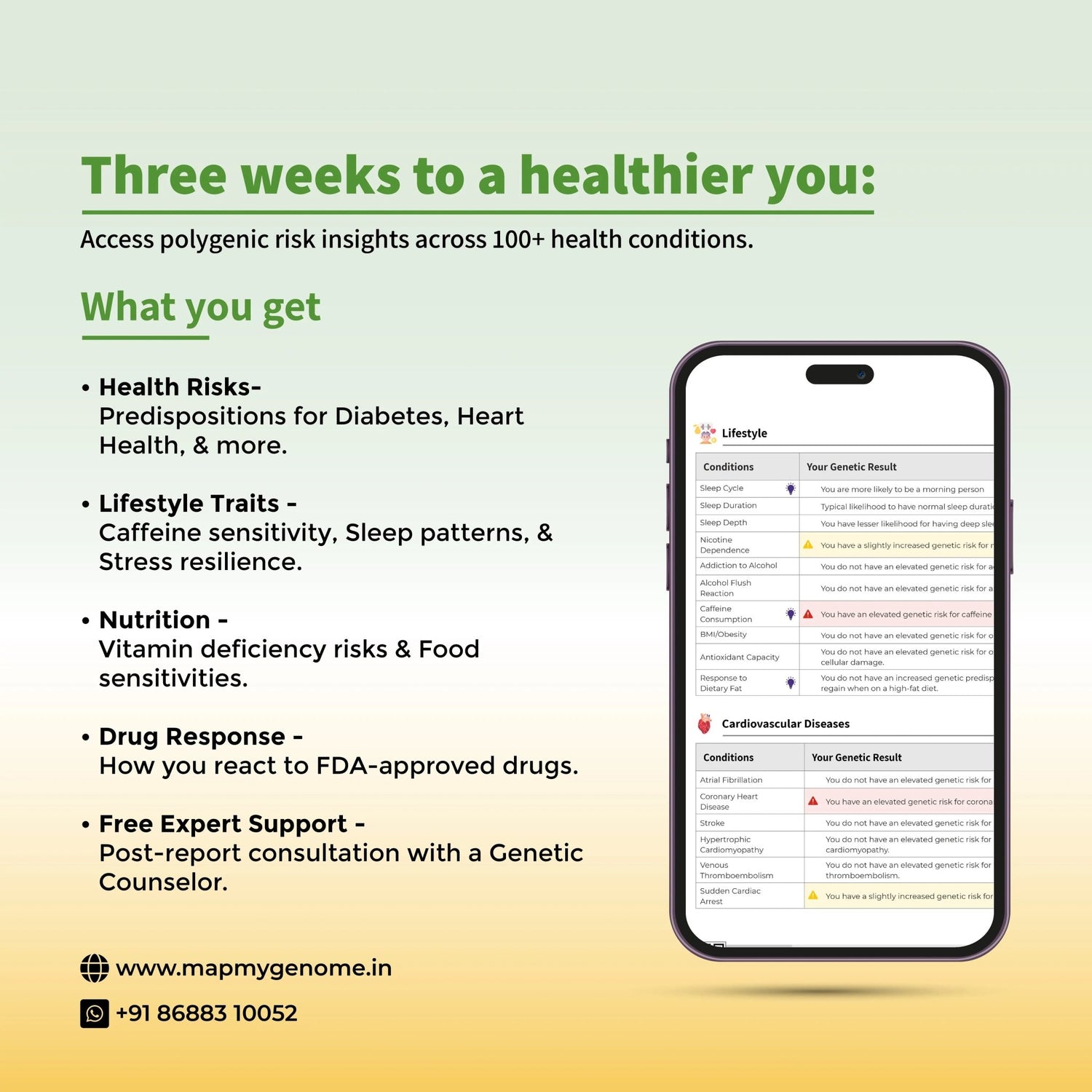
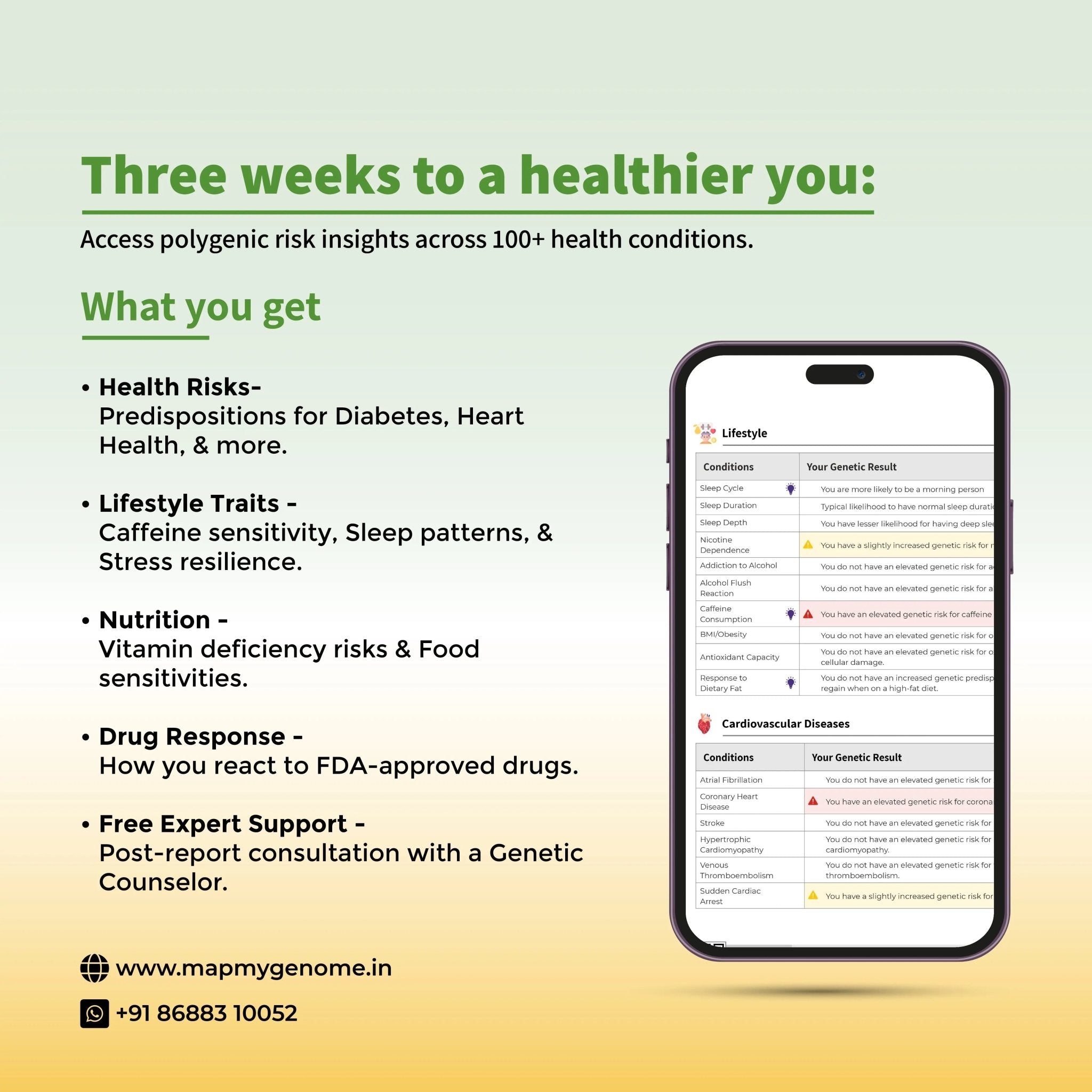
MapmyGenome's cancer genetic testing panels — including BRCA Map and DNA OncoScreen — identify inherited gene mutations associated with cancer risk, backed by NABL-certified labs and expert genetic counsellors who help you build a personalised prevention plan.












1 comment
My wife’s mother & grandmother were diagnosed with breast canser.
I have folliwing queries -
1. Should my wife (age about 58 yrs) and daughter (age about 30 yrs, not married) should take genetic cancer test or any other specific test involving BRCA1 & BRCA2. They have no symptoms at present.
2. Genetic test vis a vis Screening test for diagnosis – what are relative benefits.