

As parents, we constantly think about our children's future—their education, their happiness, and their physical growth. But a growing body of science reveals that one of the most critical foundations for your child's lifelong health is completely invisible.
It's called the early life gut microbiome, and the choices made during the first few years of life play a massive role in shaping it.
What is the Early Life Gut Microbiome?
The gut microbiome is a bustling ecosystem of trillions of microorganisms—including bacteria, viruses, and fungi—living inside the digestive tract. Far from just helping with digestion, the early life gut microbiome acts as a control center that trains your child's immune system, regulates metabolism, and even influences brain development.
The First 1,000 Days: The Ultimate Window of Opportunity
Medical research highlights that the period from conception through roughly age two or three (the first 1,000 days) is a critical developmental window. During this phase, an infant's gut undergoes rapid microbial colonization.
0 to 6 Months: The gut is initially settled by oxygen-tolerant bacteria, which pave the way for beneficial Bifidobacterium species to dominate, especially in breastfed infants.
6 Months and Beyond: As solid foods are introduced, the microbial community diversifies, gradually shifting toward a stable, "adult-like" composition by the time a child reaches school age.

Microbiome maturation in the first 1000 days.
Key Factors That Shape Your Baby's Gut Ecosystem
Mode of Birth: Vaginal delivery naturally seeds an infant with maternal vaginal and gut microbes. C-section deliveries can delay the colonization of these vital microbes.
Feeding Practices: Breast milk is packed with Human Milk Oligosaccharides (HMOs)—special sugars that exclusively feed beneficial gut bacteria.
Antibiotics and Medications: Early exposure to antibiotics temporarily wipes out both good and bad bacteria.
Maternal Health & Environment: A mother's prenatal diet, stress levels, and even family pets or siblings all play a role in transferring microbes to the baby.

Important factors affecting microbiome abundance and richness at the early stage of life.
Why Early Gut Health Matters for the Future
When the early life gut microbiome is disrupted or lacks diversity—a state known as dysbiosis—it can cast a long shadow into adulthood. Research has linked early gut imbalances to:
Immune & Allergic Diseases: A disrupted microbiome fails to properly "train" immune cells, increasing the risk of eczema, asthma, and food allergies.
Metabolic Health & Weight: The types of bacteria present early on dictate how your child harvests energy from food, affecting their long-term metabolic baseline and risk for childhood obesity.
The Gut-Brain Axis: Imbalances during early childhood can potentially influence neurodevelopment and behavioral outcomes.
Actionable Steps to Optimize Your Child's Gut Health
Prioritize Breastfeeding When Possible: Aim for exclusive breastfeeding for the first 4 to 6 months to give beneficial Bifidobacterium a strong head start.
Introduce a Diverse Diet: When transitioning to solid foods, offer a vibrant array of fiber-rich fruits, vegetables, and whole grains.
Use Antibiotics Judiciously: Work closely with your pediatrician to ensure antibiotics are only used when absolutely necessary.
Consider Targeted Prebiotics and Probiotics: Supplementing with specific, evidence-based strains can help guide an unbalanced gut back on track, particularly after C-sections or illness.

Understand Your Child’s Gut — From the Inside Out
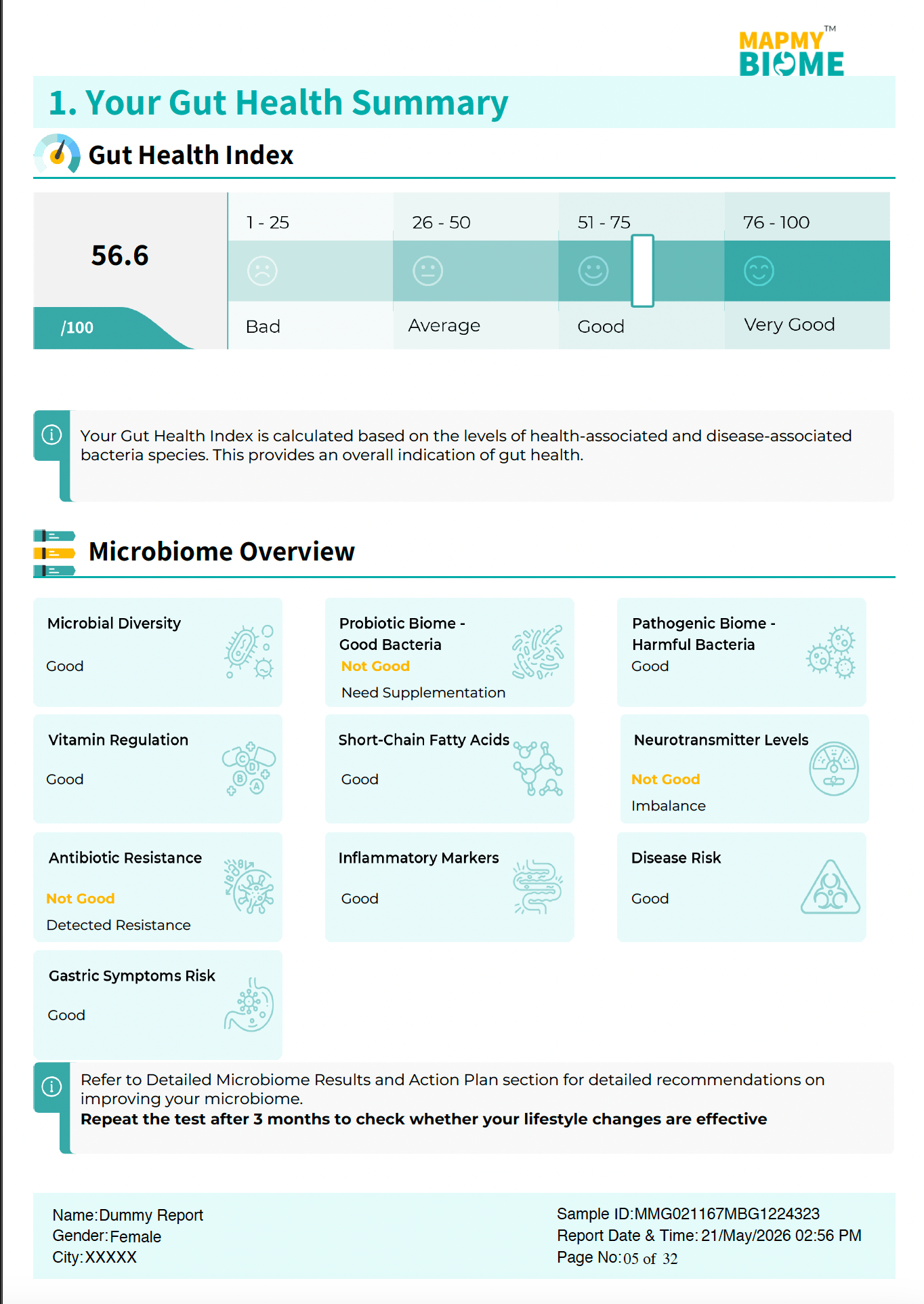
MapmyBiome uses advanced shotgun sequencing to map the gut microbiome in detail — identifying bacterial communities, spotting imbalances early, and providing personalised food, probiotic, and lifestyle recommendations tailored to your unique biology.