

Migraines are more than just severe headaches — they are a complex neurological condition that affects millions of people worldwide. Characterised by intense, throbbing pain often accompanied by nausea, sensitivity to light, and visual disturbances, migraines can significantly impact quality of life.
What is a Migraine?
A migraine is a neurological disorder that typically presents as severe, throbbing pain on one side of the head, although it can affect both sides. Migraines are often accompanied by nausea, vomiting, and extreme sensitivity to light and sound. For some, migraines also include visual disturbances known as “auras” — flashing lights, zigzag patterns, or blind spots. Migraines can last anywhere from a few hours to several days.
Common Migraine Symptoms
- Throbbing or Pulsating Pain: Often localised to one side of the head.
- Nausea and Vomiting: Many migraine sufferers experience gastrointestinal symptoms during an attack.
- Sensitivity to Light (Photophobia) and Sound (Phonophobia).
- Visual Disturbances (Aura): Approximately one-third of people with migraines experience auras.
- Fatigue and Irritability: Many people feel extremely tired and irritable before, during, and after a migraine.
Triggers for Migraines
- Stress: Emotional stress is a well-known trigger. Mindfulness and meditation can help manage stress levels.
- Dietary Factors: Aged cheeses, chocolate, caffeine, and alcohol can trigger migraines in some individuals.
- Hormonal Changes: Many women experience migraines in relation to their menstrual cycle, pregnancy, or menopause.
- Sleep Patterns: Both lack of sleep and excessive sleep can trigger migraines.
- Environmental Factors: Bright lights, loud noises, strong smells, and changes in weather.
Keeping a migraine diary to track your triggers can be an effective way to identify patterns and avoid known triggers.
Migraine Treatment Options
-
Acute Migraine Treatment
- Over-the-Counter Medications: Ibuprofen, aspirin, or paracetamol for mild to moderate migraines.
- Triptans: Prescription medications that narrow blood vessels in the brain and block pain pathways.
- Anti-nausea Medications: Prescribed when nausea and vomiting are significant symptoms.
- CGRP Inhibitors: A newer class of medication shown to be effective in reducing migraine pain.
-
Preventive Migraine Treatment
- Beta-Blockers: Can reduce the frequency of migraines.
- Antidepressants: Certain antidepressants such as amitriptyline can be effective in prevention.
- Antiepileptic Drugs: Can help prevent migraines in some individuals.
- Botox Injections: Approved for chronic migraine treatment, reducing the frequency of attacks.
- Lifestyle Modifications: Regular exercise, a healthy diet, and stress management.
Pain Management Techniques
- Cognitive Behavioural Therapy (CBT): Helps change the way you perceive and react to pain.
- Biofeedback: Learning to control physiological functions such as heart rate and muscle tension.
- Acupuncture: Some studies suggest acupuncture can reduce migraine frequency.
- Relaxation Techniques: Deep breathing, progressive muscle relaxation, and guided imagery.
The Role of Genetic Testing in Migraine Management
Genetic testing is becoming an increasingly valuable tool in pain management. Understanding your genetic predisposition to migraines can help in creating a personalised treatment plan — identifying which medications are most likely to be effective and which triggers you are most susceptible to.
Understand Your Neurological & Pain Risk Genetically
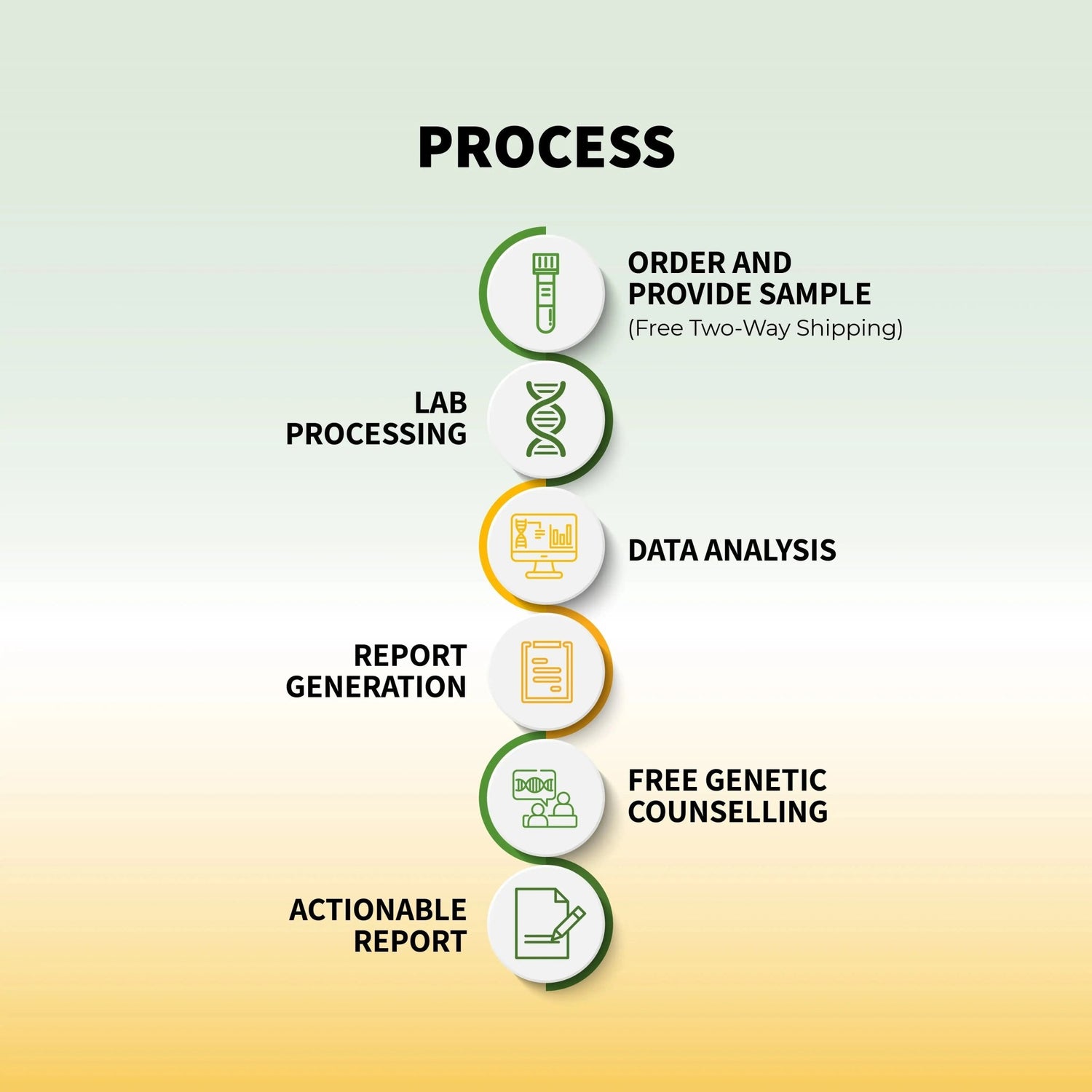
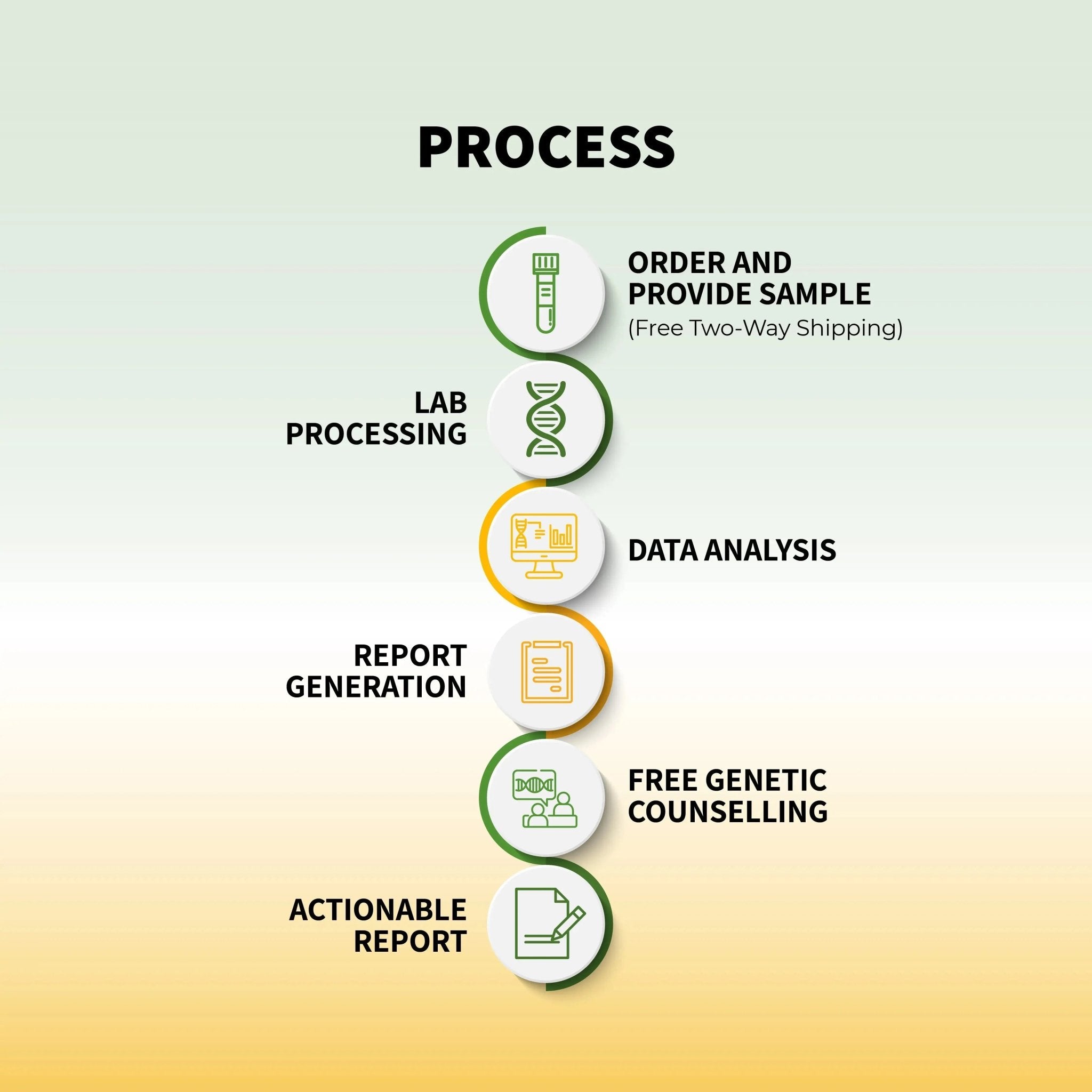
Genomepatri by MapmyGenome screens your genetic predisposition to neurological conditions, pain sensitivity, and drug response — helping you and your doctor build a more personalised treatment plan.