

Right now, inside your digestive system, an estimated 30–40 trillion bacteria are actively communicating. Not passively living. Not silently floating. Communicating.
They are sending chemical signals, counting their neighbors, coordinating tasks, forming alliances, and even warning each other about threats.
Scientists call this process quorum sensing — and it's changing how we understand gut health.
What Is Bacterial Communication in the Gut?
Bacterial communication is a biological system where microbes release tiny chemical molecules into their environment. When enough bacteria release the same signal, the concentration rises. Once it reaches a threshold, the bacteria recognize: "There are enough of us here. Time to act together."
Instead of behaving like isolated cells, they function like a highly organized community. Think of it as a microscopic group chat — except the messages are chemical.
Why Do Gut Bacteria Communicate?
Your gut microbiome contains hundreds of species and weighs about 1–2 kilograms — roughly the weight of your brain. To survive and help you thrive, they coordinate key jobs:
1. Efficient Digestion
Breaking down complex fibers requires teamwork. No single bacterium can do it alone. When they communicate, they divide tasks and extract nutrients more efficiently.
2. Immune Regulation
Nearly 70% of your immune system lives in your gut. Bacterial signals help regulate inflammation and teach immune cells what's friend versus foe.
3. Defense Against Harmful Microbes
When pathogens appear, beneficial bacteria can collectively strengthen defenses or block invaders from attaching to the gut lining.
4. Maintaining a Stable Ecosystem
They balance pH levels, share nutrients, and form structured communities to prevent chaos. Without communication, your gut would be microbial anarchy.
How Do Gut Bacteria "Talk"?
They don't speak or send texts. They release signaling molecules. Different bacteria use different chemical "languages":
Escherichia coli (E. coli) uses molecules called AHLs (acyl-homoserine lactones).
Lactobacillus (the friendly bacteria found in yogurt) uses small protein fragments called peptides.
Indole acts like a universal signal, allowing different bacterial species — and even your own cells — to respond.
When signal levels rise high enough, bacteria may form protective biofilms, increase digestive enzyme production, activate defense systems, or slow down growth to conserve resources.

When the Communication Breaks Down
Disruptions to bacterial signaling — from antibiotics, chronic inflammation, or poor diet — can cause the entire system to malfunction. Harmful bacteria can hijack signals, beneficial bacteria lose coordination, and symptoms like bloating, fatigue, brain fog, and immune issues can follow.
What This Means for Your Health
Your gut's bacterial conversations are happening whether you pay attention to them or not. The question is: are those conversations healthy ones? A disrupted microbiome doesn't just affect digestion — it sends distress signals to your brain, immune system, and metabolism.
The good news: you can influence these conversations through diet, probiotics, sleep, and stress management. And now, you can actually listen in.
Tune Into Your Gut’s Conversations
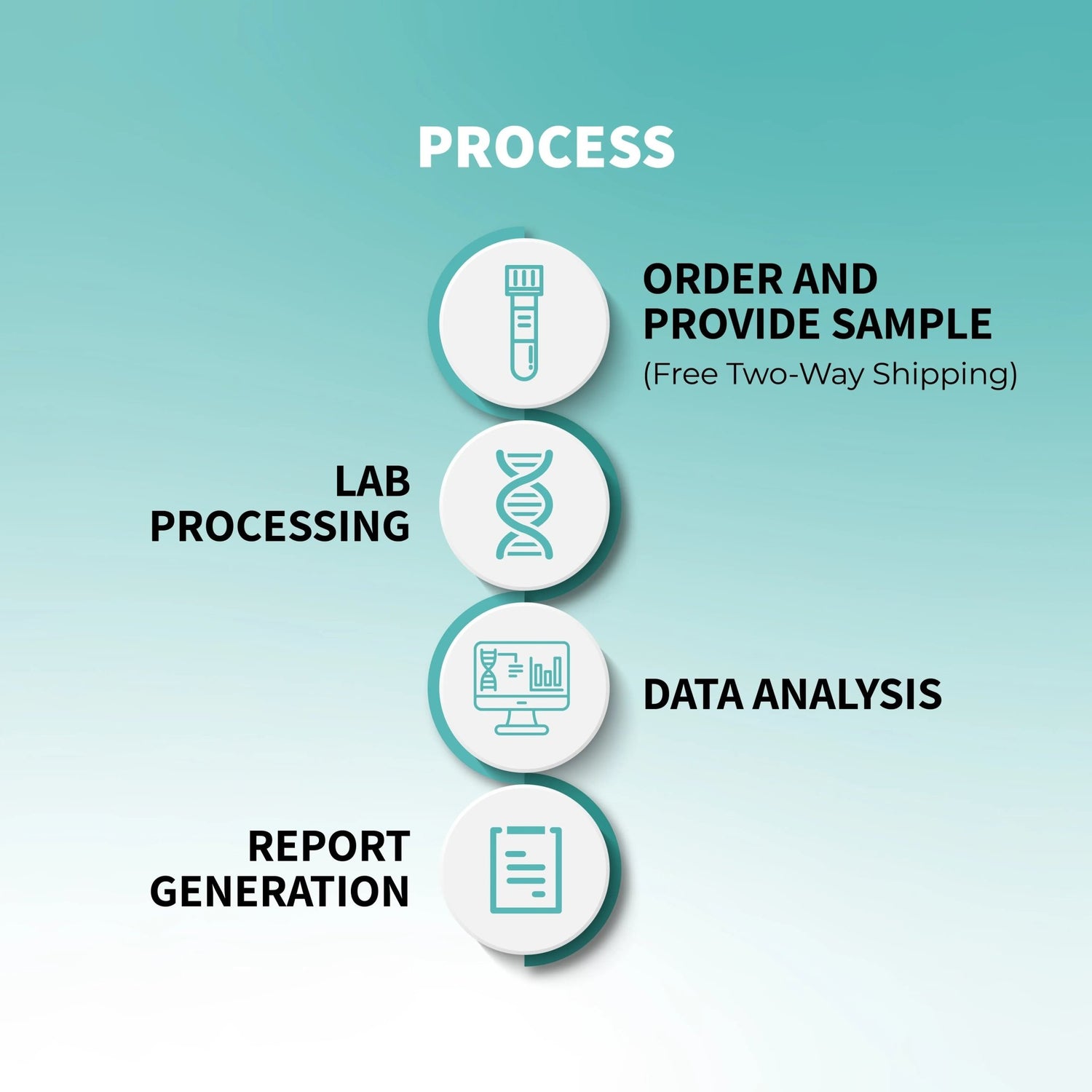
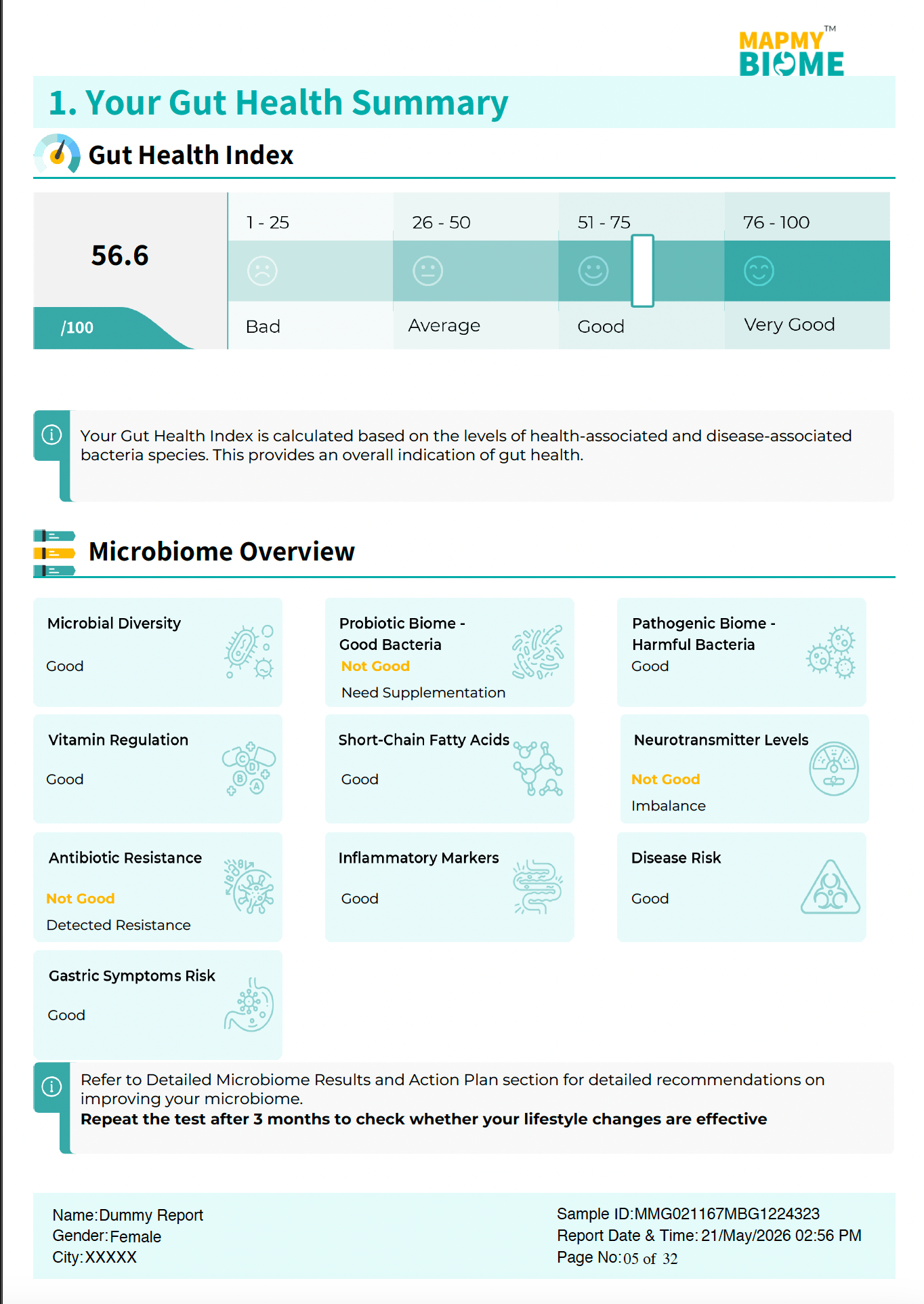
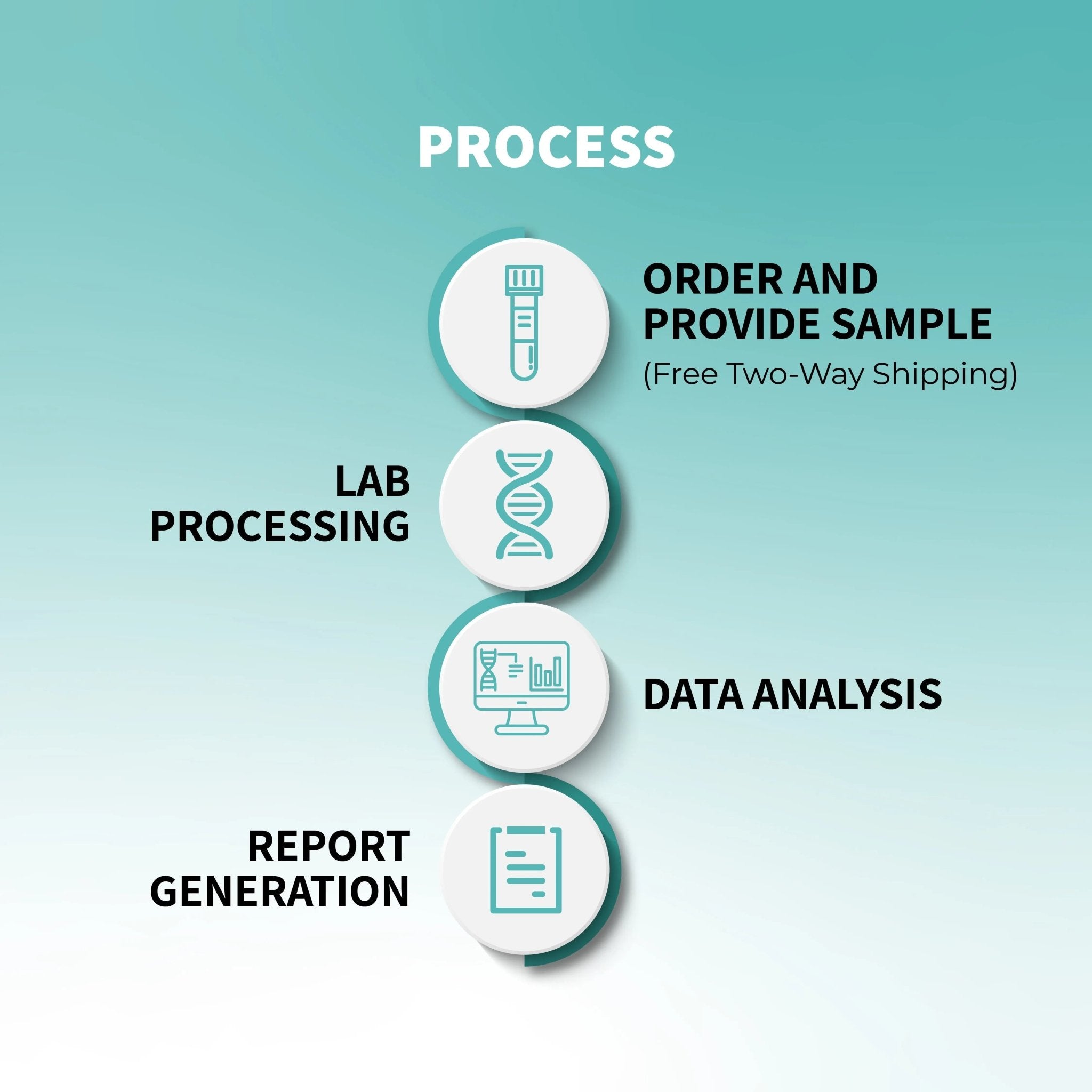
MapmyBiome uses advanced shotgun sequencing to map your unique gut microbiome — identifying which bacteria are present, whether they’re communicating effectively, and giving you personalised food, probiotic, and lifestyle recommendations to restore balance.