

Every May, Melanoma and Skin Cancer Awareness Month serves as a powerful reminder to check our skin and respect the sun. But while slathering on sunscreen is an excellent first step, true prevention goes deeper than the surface.
Did you know that your DNA plays a massive role in your overall genetic skin cancer risk? While UV rays are the primary environmental trigger, your unique genetic blueprint heavily influences how susceptible you are to melanoma and other skin cancers.
Understanding the intersection of your environment and your DNA is the most powerful tool you have for early detection. Here is everything you need to know about identifying warning signs, understanding your hereditary risks, and leveraging genomics to stay ahead of the game.
Understanding the Three Main Types of Skin Cancer
Not all skin cancers look or behave the same way. To effectively manage your genetic skin cancer risk, it is essential to know exactly what you are up against:
-
Basal Cell Carcinoma (BCC): This is the most common type of skin cancer. It usually pops up on sun-exposed areas like your face or neck, often appearing as a pearly, pinkish bump. While it grows slowly and rarely spreads, it can cause significant local tissue damage if left ignored.
-
Squamous Cell Carcinoma (SCC): The second most common type, SCC often presents as a firm red nodule or a scaly, crusted patch. SCC has a much higher risk of spreading to nearby lymph nodes, making early detection vital.
-
Melanoma: This is the rarest but most aggressive and dangerous form of skin cancer. Originating in pigment-producing cells (melanocytes), melanoma can develop within existing moles or appear suddenly as a new growth. Because it can quickly metastasize (spread) to other vital organs, understanding your hereditary predisposition is life-saving.
The ABCDEs of Melanoma: What to Look For
Regular self-examinations are your first line of defense. When checking your skin, keep a close eye out for these key warning signs using the ABCDE rule:
-
Asymmetry: One half of the mole or birthmark does not match the other half.
-
Border: The edges are irregular, jagged, notched, or poorly defined.
-
Color: The color is uneven and may include varying shades of brown, black, tan, pink, or even blue.
-
Diameter: The spot is larger than 6mm (about the size of a pencil eraser), though some melanomas can be smaller.
-
Evolving: The mole is actively changing in size, shape, color, or elevation, or it has started itching, bleeding, or crusting.
⚠️ Note: Any new, rapidly changing growth, or an old mole that suddenly becomes raised or tender warrants a visit to a professional. If you notice anything unusual, book an appointment with a dermatologist immediately.
4 Professional Skin Screening Methods Explained
If a dermatologist spots a suspicious area during a checkup, they have several advanced, non-invasive tools at their disposal before resorting to a definitive skin biopsy:
-
Visual Examination: A comprehensive, full-body check where a professional inspects your skin from head to toe—including hidden areas that rarely see the sun.
-
Dermoscopy: A specialized check using a handheld magnifying tool with polarized lighting to peer deep into the microscopic structure of a lesion.
-
Total Body Photography: High-resolution baseline photos of your entire body to help track, map, and compare changes or new spots over multiple years.
-
Sequential Digital Dermoscopy Imaging (SDDI): Taking digital, highly magnified images of specific moles over multiple visits to monitor for microscopic structural changes.
7 Essential Sun-Smart Tips for Skin Cancer Prevention
Want to drastically lower your environmental risk factors? Incorporate these 7 foundational, sun-safe habits into your daily routine:
-
Dodge Peak Hours: Limit your time in direct sunlight between 10 a.m. and 4 p.m., when UV rays are at their strongest. Seek shade whenever possible.
-
Wear Protective Clothing: Cover up with lightweight, breathable fabrics, long sleeves, and wide-brimmed hats to block direct UV exposure.
-
Apply Broad-Spectrum Sunscreen: Use an SPF 30 or higher daily. Apply it generously to all exposed skin and reapply every two hours (or more frequently if swimming or sweating).
-
Block Rays with Sunglasses: Protect the delicate, thin skin around your eyes by wearing sunglasses that offer 100% UVA and UVB protection.
-
Ditch the Tanning Beds: Artificial tanning beds emit dangerous, concentrated levels of UV radiation. Avoid them entirely.
-
Keep a Close Eye on Kids: Build sun-safe habits early. Protect children with physical blocks, hats, and kid-safe, mineral sunscreens.
-
Watch Out for Clouds and Windows: UV radiation easily penetrates glass and overcast cloud cover. Stay protected even on gray days or during long road trips.
The Genetic Connection: How DNA Predicts Your Risk
While UV exposure is the environmental trigger, your genetics determine how vulnerable your body is to that specific trigger.
Specific inherited gene mutations—such as mutations in the CDKN2A and CDK4 genes—are heavily linked to familial and hereditary melanoma. If you have a family history of skin conditions or cancer, you may carry these variations without knowing it, significantly elevating your genetic skin cancer risk.
By opting for DNA testing and professional genetic counseling, you can unlock vital insights into your personal risk profile. Knowing your genetic predisposition allows you and your dermatologist to create a hyper-personalized surveillance plan. This means more frequent, targeted screenings and tailored prevention strategies to catch potential issues long before they become dangerous.
Take Control of Your Skin Health Today
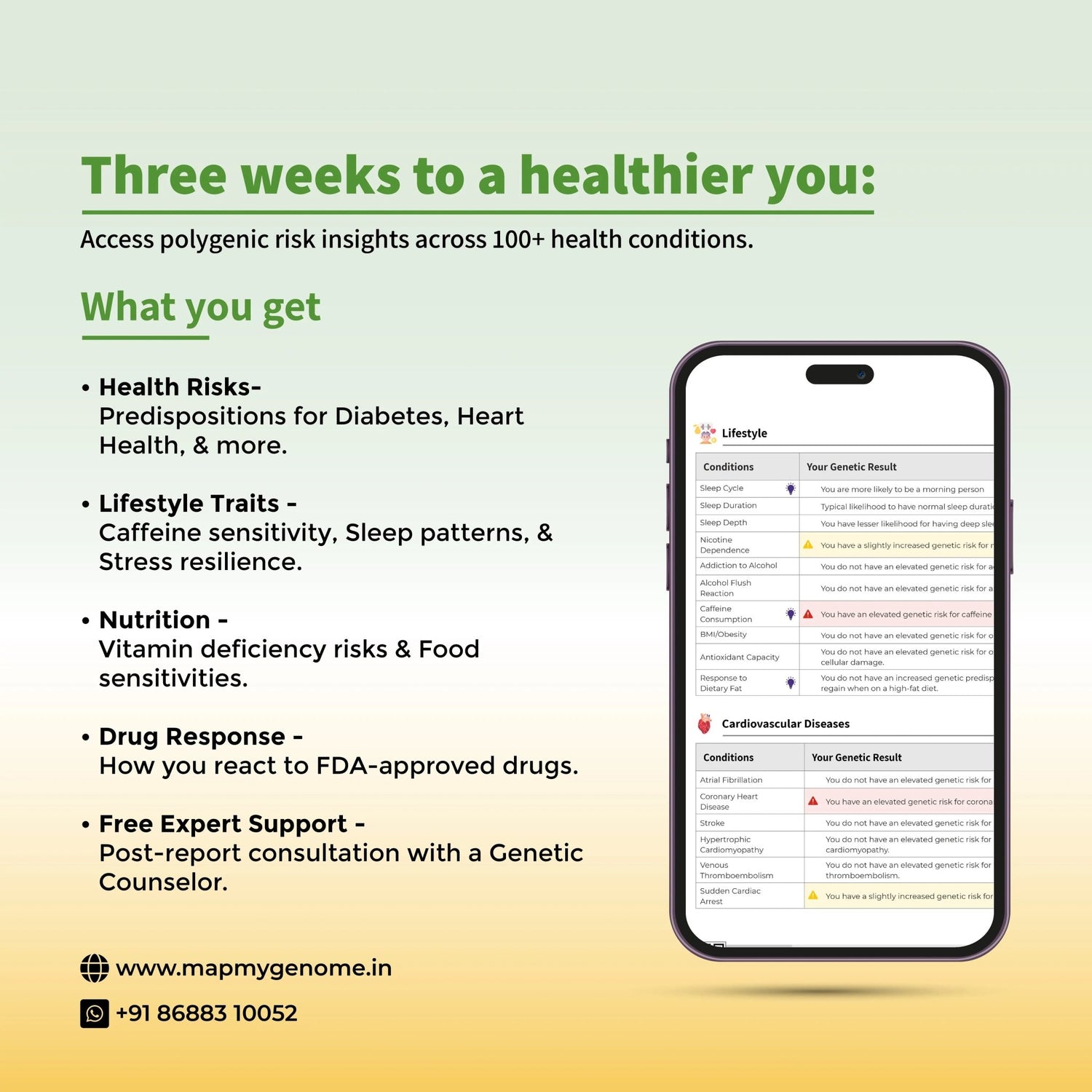
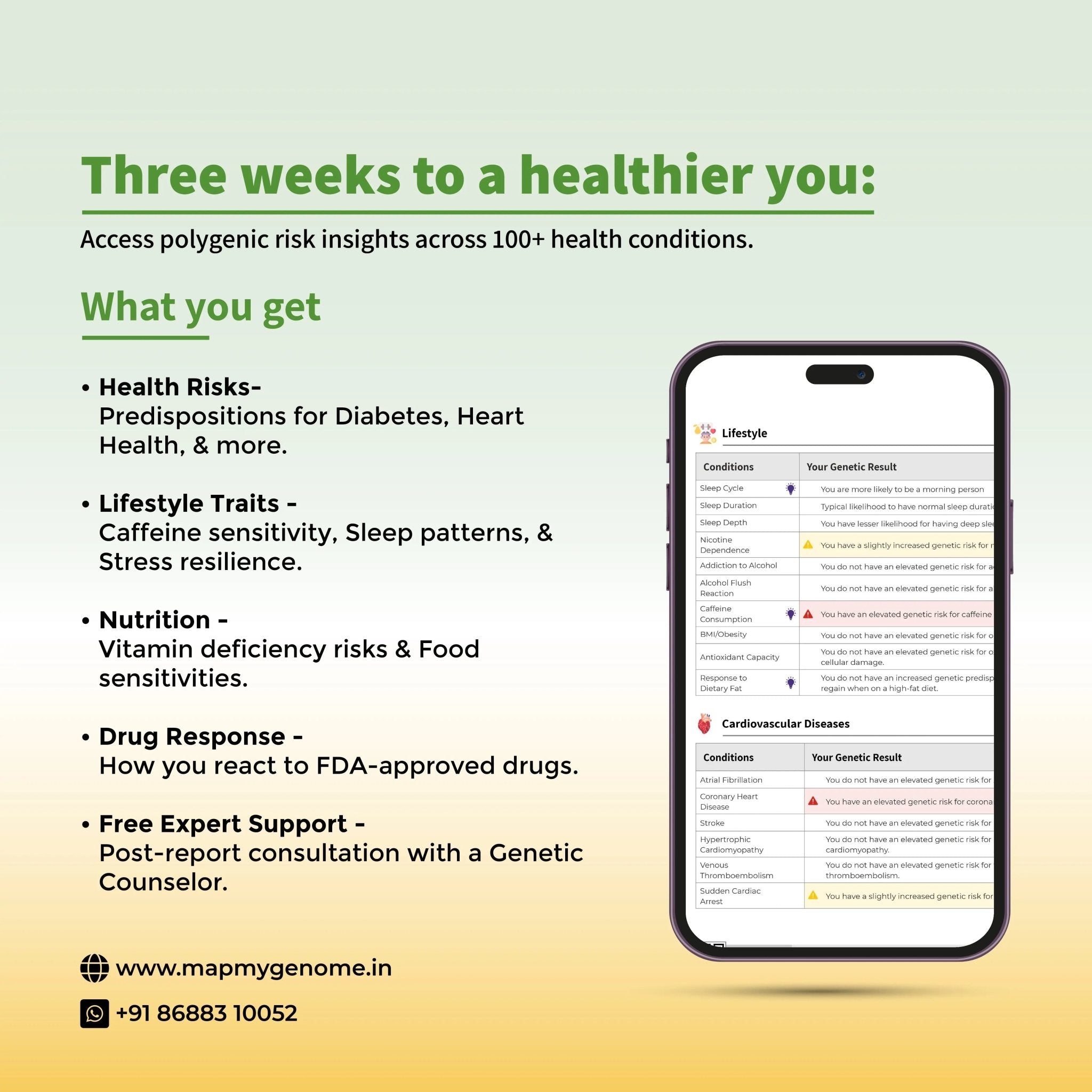
Ready to look beneath the surface? Decipher your hereditary risks and take a proactive stance against skin cancer. Order the Genomepatri - At Home DNA Test for Health and Wellness to map your genetic wellness blueprint and design a personalized prevention plan that works for your DNA.