

DNA Day: Amazing Things You Did Not Know About Your DNA
April 25 is celebrated as National DNA Day — dedicated to the brilliant 1953 Nature publication when James Watson, Francis Crick, Maurice Wilkins, Rosalind Franklin, and colleagues published their work on the structure of DNA.
While there is immense research going on, wouldn’t it be fun to step away from the hard-core science for a while? Here are some light but mind-boggling facts about the heavenly helix!
Did You Know…?
A parent and child share 99.5% of the same DNA. Humans and cabbage share about 40–50% common DNA, while 98% of your DNA is common with a chimpanzee!
We have 100 trillion cells in our body, and if unwound, the DNA in each cell measures 6 feet in length. If all your DNA was laid out end to end, it would reach from the Earth to the Sun and back over 600 times.
The human genome contains 3 billion base pairs of DNA. If those letters were typed out, it would fill over 200 phone books. If you could type 60 words per minute, eight hours a day, it would take approximately 50 years to type the human genome!
Your partner can smell your DNA! Studies of kissing have shown that women are more attracted to the scent of a man with a different genetic code than her own — a difference in DNA increases the chance for healthy children. What we perceive as chemistry could in fact be DNA-traction!
1 single gram of DNA is capable of holding 700 terabytes of data. If we wanted to store all digital information in this world, all we needed would be a couple of grams of DNA!
Genes make up only ~3% of your DNA. The other 97% was assumed to be “junk” DNA — but scientists have confirmed that this noncoding region also controls the activity of our genes.
Your genome contains ancient viruses! Eight percent of our genome is made up of retrovirus DNA — viruses that have been passed down since time immemorial, undergone mutation, and been rendered powerless. Some retroviruses can take on new life, such as in people with HIV and cancer.
DNA has been traced back over 300,000 years. In 2013, scientists reported finding an ancient Y chromosome in an African-American man in South Carolina that had been passed down intact for 338,000 years.
20% of Neanderthal DNA lives on in humans! People living outside of Africa today have genomes composed of 1–4% Neanderthal DNA — specifically found in the genes that make keratin, which affects our hair and skin.
DNA changes historical facts. We always knew Columbus was the first person to reach the New World — but DNA proved that wrong! This was apparently achieved by Polynesians sometime in the 13th century, as suggested by DNA evidence.
Your DNA Is Full of Surprises — Discover Yours
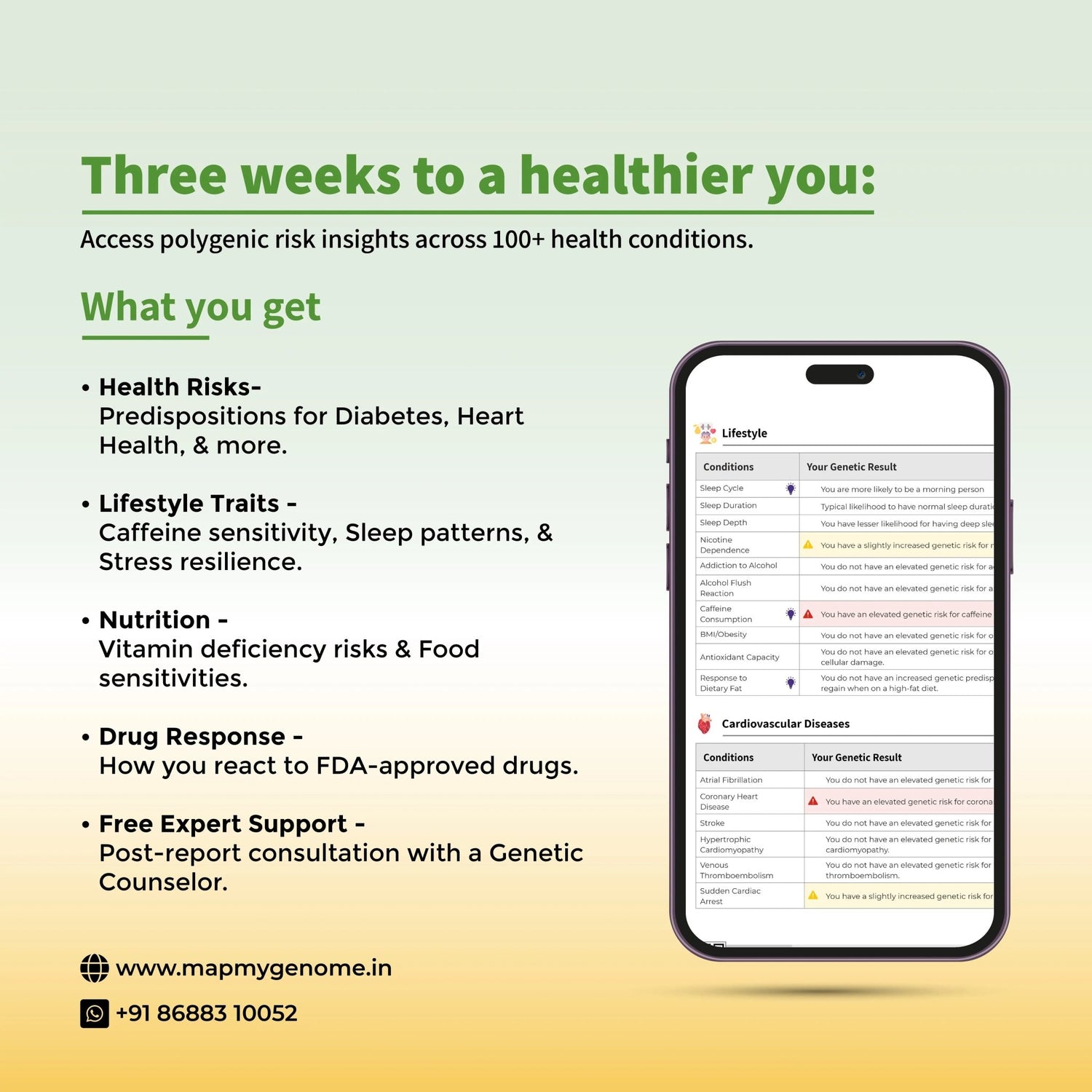
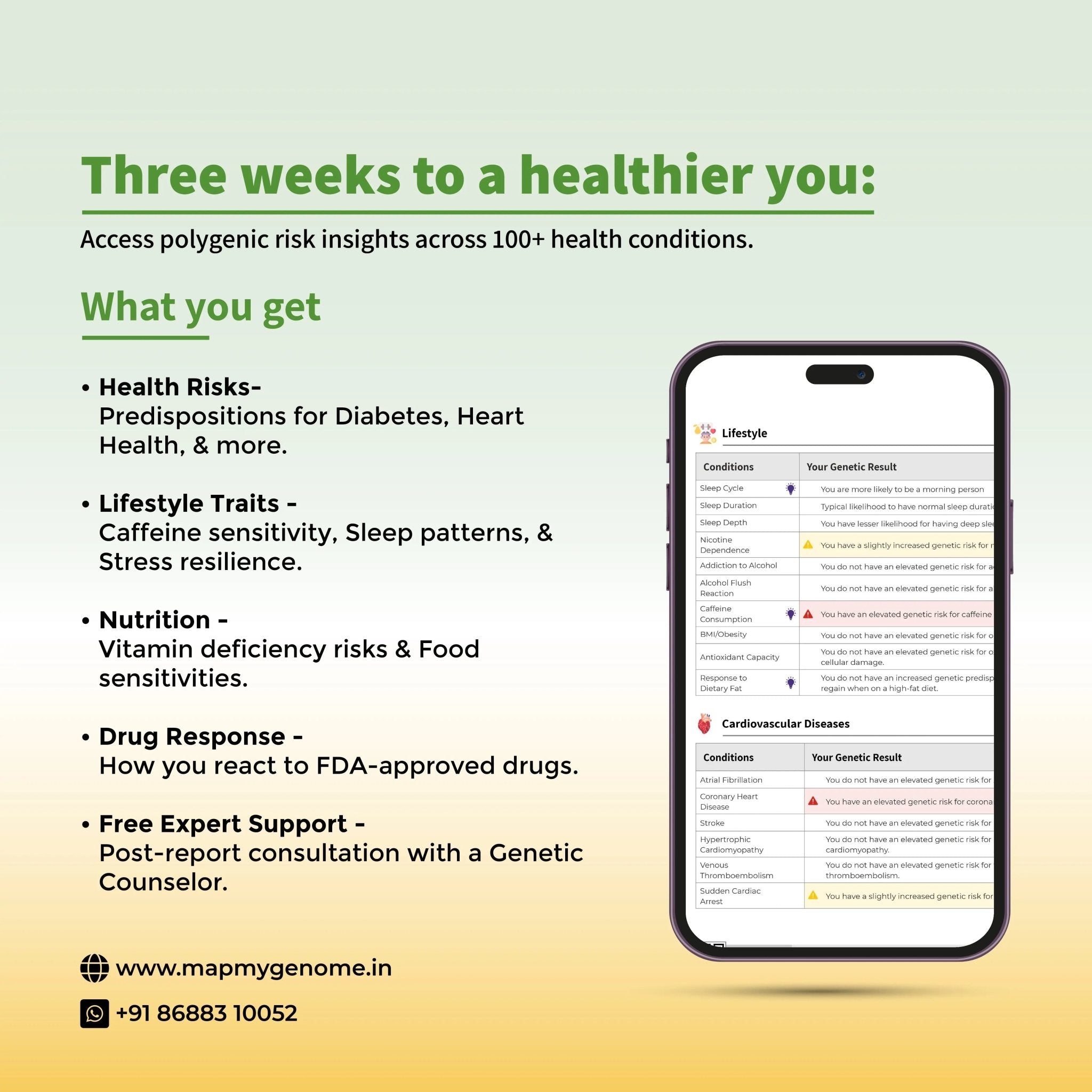
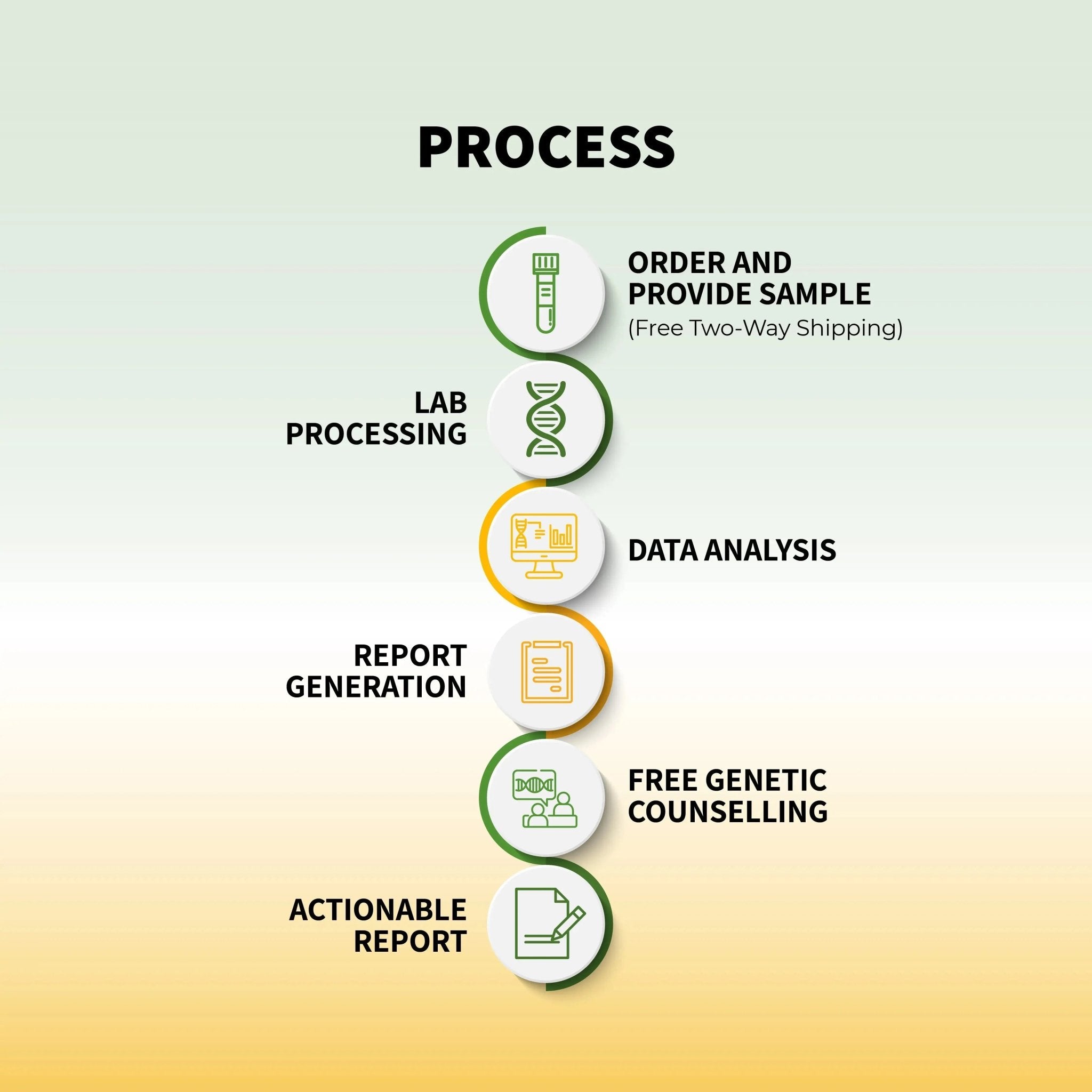
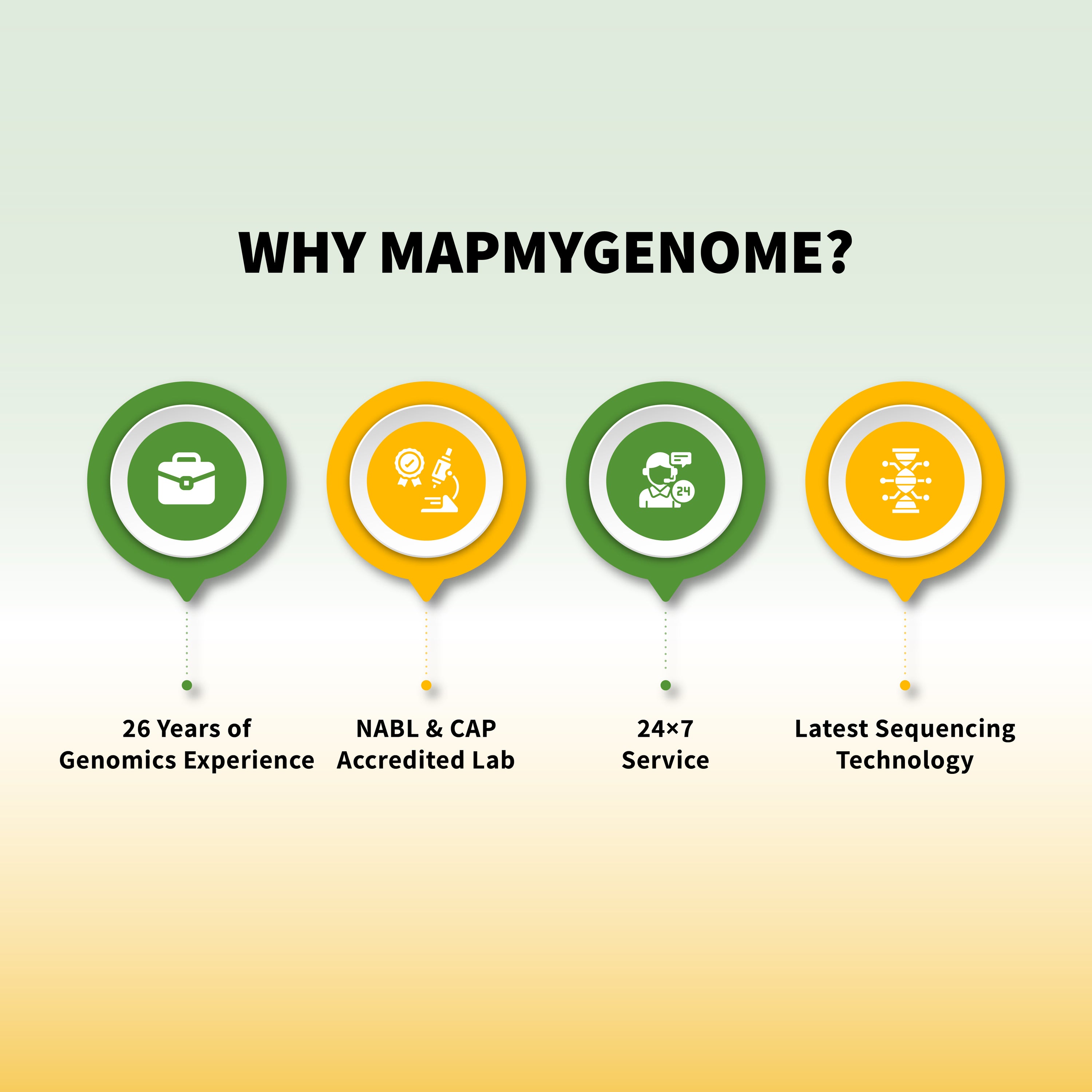
Genomepatri by MapmyGenome reveals your unique genetic profile across 100+ health conditions, nutrition, fitness, and drug response traits. One test. A lifetime of insights about the most fascinating molecule in the universe — yours.