

Eclipse, Karma, and Black Magic? Busting Cleft & Craniofacial Myths
“Holding scissors, needles or a knife when you are pregnant during a lunar eclipse will cause your baby to be born without lips.”
If you’ve heard this superstition, you are not alone. Karma, black magic, possession by Djinn — these myths have been around for years and even today, in the 21st century, many families believe in these social stigmas associated with cleft lip/palate and craniofacial anomalies. July is National Cleft and Craniofacial Awareness and Prevention Month. Around 27,000–33,000 babies are born with clefts per year in India.
What Are Craniofacial Changes?
Craniofacial defects are structural changes that occur during pregnancy and are seen in babies from birth. The two main types are:
Cleft Palate: When the roof of the mouth does not fuse together during early pregnancy, leaving a slit or opening
Cleft Lip (with or without palate): When the tissues that form the lips do not fuse together, leaving an opening that can be unilateral or bilateral
Craniosynostosis: Premature closure of cranial sutures (joints connecting the bones of the skull), causing a change in head shape and affecting neurodevelopment
What Actually Causes Cleft Lip/Palate?
Not karma, black magic, or an eclipse. Epidemiological evidence suggests that certain environmental factors — such as the mother’s exposure to tobacco smoking during early pregnancy, inadequate nutrients, and exposure to teratogens — increase the risk. Cleft lip/palate can also occur as part of genetic conditions (monogenic syndromes) such as Van der Woude syndrome, Pierre Robin Sequence, or chromosomal changes like Velocardiofacial syndrome and trisomy 13/18.
Treatment
Multiple specialists — paediatrician, orthodontist, ENT surgeon, cleft surgeon, speech therapist, and genetic counsellors — all play an important role. Surgical repair of the cleft lip is usually initiated within the first 12 months of life. Surgery to close the palate is usually done by 18 months. Children may also require speech therapy to manage speaking difficulties.
Why Raising Awareness Matters
Cleft lip/palate and craniosynostosis are usually picked up in routine antenatal ultrasounds, giving families time to understand and plan management. However, many rural areas still lack access to basic medical facilities including routine ultrasounds — which is why unusual traditions and superstitions remain deeply rooted. Spreading awareness is urgently needed, especially in rural areas, to ensure children born with these conditions receive proper intervention rather than neglect.
The Role of Genetic Counselling
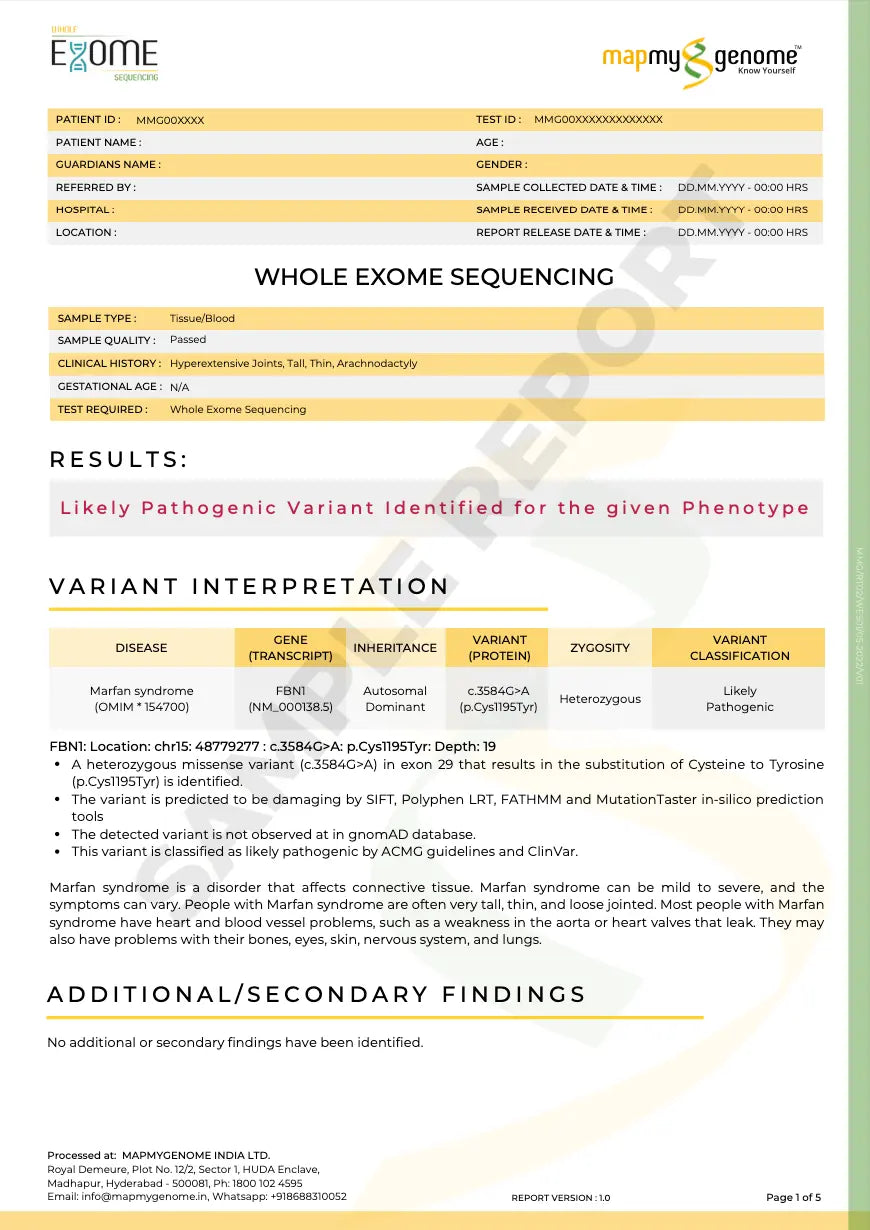
Genetic counselling plays an important role in educating families about these changes, providing psychosocial support to reduce parental anxiety, and guiding them toward proper management and intervention. A genetic counsellor can identify the right test to find the underlying cause and help families understand recurrence risks for future pregnancies.
Get Expert Genetic Guidance for Your Family
MapmyGenome’s certified genetic counsellors help families understand craniofacial conditions, chromosomal changes, and recurrence risks — providing the knowledge and support needed to make informed decisions for your child’s health and future pregnancies.