

From Genome to Syndrome: The Rare Disease Riddle
A is for Albinism, B is for Bloom’s, C is for Cat-eye… for almost every letter in the English alphabet, there is a rare disease which affects less than 1% of the population. As diverse as they are in their complex symptoms, astonishing features, and shocking abnormalities, these stories have a common beginning — inside the cell’s nucleus, rooted in DNA.
Some Rare Truths About Rare Diseases
Heredity is very real: There are more than 7,000 known rare diseases in the world. Most are inherited and caused by genetic changes.
Bases in the bassinet: Almost half of rare diseases manifest early, in very young children. Gene and chromosome alterations disrupt innate biological developments — physical, metabolic, or neurological. A single base (letter) change in important regions of DNA can be a grave concern for doctors.
Guessing is no child’s play: Two children could suffer from the same condition, yet be distinct in profile clinically. Misdiagnosis is quite common in such cases, putting the affected individual at high risk for severe disability.
Remembering our roots: Certain mutations occur in high frequencies in founder populations (e.g., Ashkenazi Jews, Amish, South Africa). The Blue Fugates of Kentucky represent a family with methemoglobinemia — a condition causing blue colouring in the skin, carried forward due to inbreeding over 6–7 generations.
Discovering the magic pill: “Orphan” drugs (specialised drugs used to treat rare diseases) had to be developed by pharmaceutical firms and made accessible to patients globally, through regulations such as the Orphan Drug Act of 1983 (USA).
Genomics in Healthcare — The Final Piece in the Puzzle?
The discovery of genes and inheritance paved the way for tremendous development in medicine. Assessment of patients suffering from rare diseases is a multi-tier process involving clinical evaluation, identification of known or unknown symptoms, detailed study of family history, risk stratification, potential therapeutic strategies, and management regimes. Genetic studies, when executed as part of this procedure, provide valuable clues which lead to diagnostic confirmation.
Carrier status (presence/absence of such defects) followed by informed decision-making (reproductive planning) reduces disease burden in affected families.
I am the family face; / Flesh perishes, I live on, / Projecting trait and trace / Through time to times anon… / The eternal thing in man, / That heeds no call to die. — Thomas Hardy, on Heredity
About the author: Rasika is the product specialist and scientific liaison for MapmyGenome’s personal genomics portfolio, with eight years of experience in sequencing, molecular biology, genetic data analysis, and reporting.
Genetic Testing for Rare and Complex Conditions
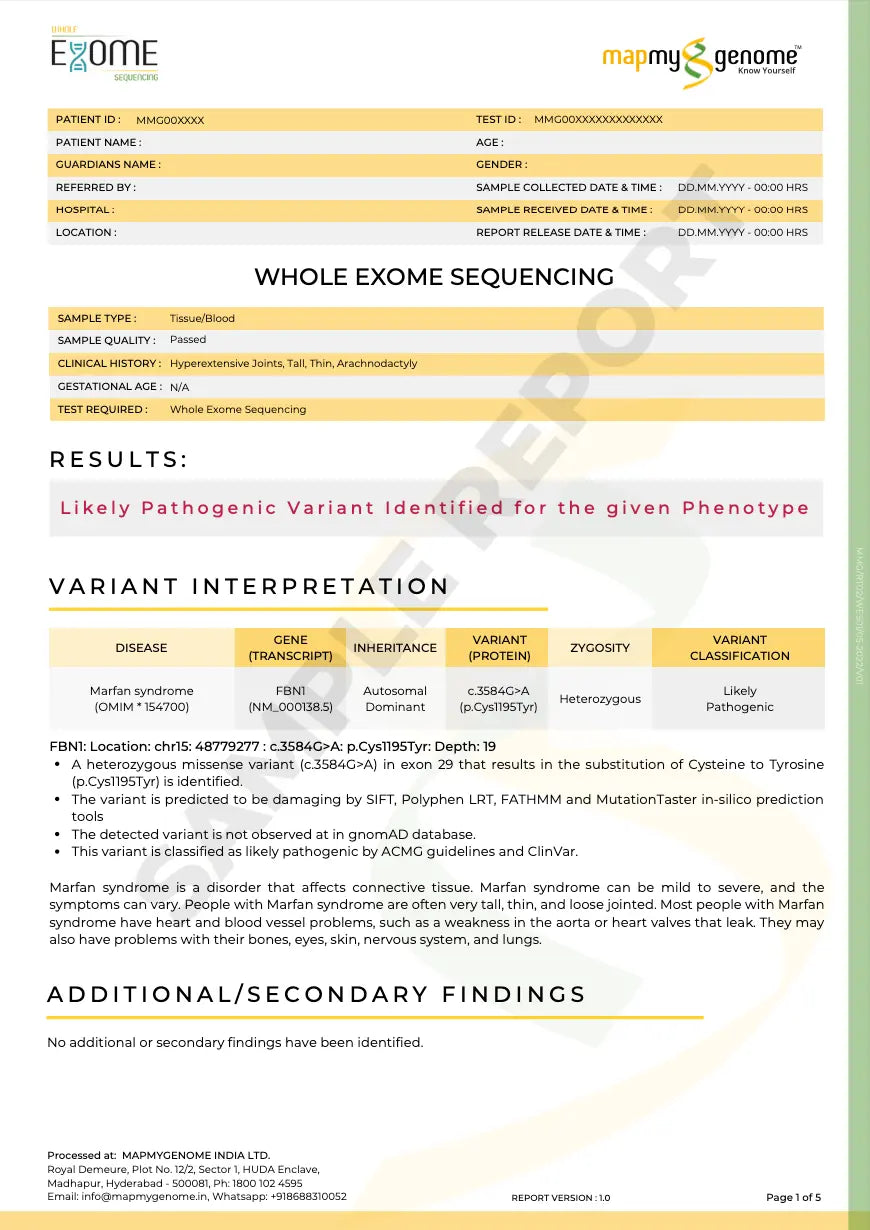
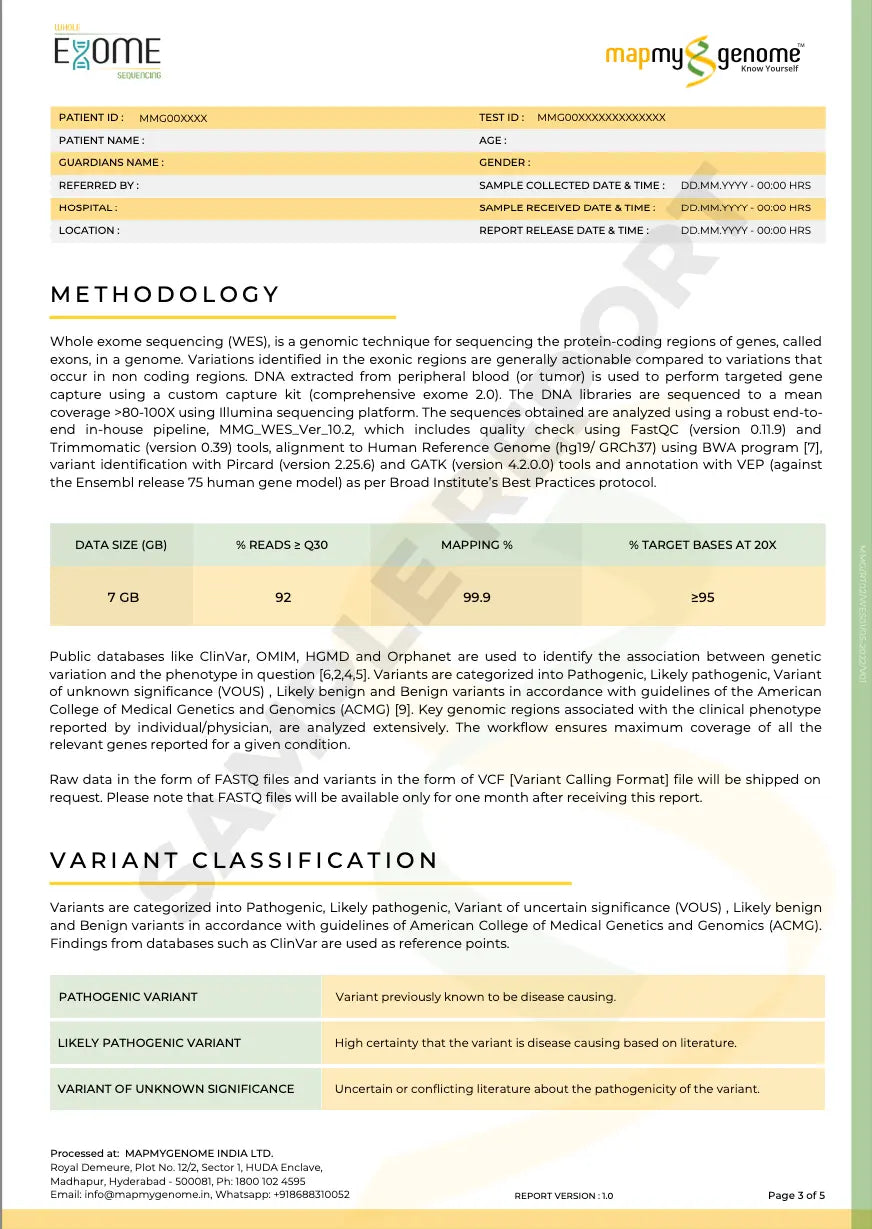
MapmyGenome offers Whole Exome Sequencing, Whole Genome Sequencing, and certified genetic counselling — helping families navigate the diagnostic odyssey of rare genetic conditions with expert guidance and CAP & NABL-accredited laboratory support.