

Imagine knowing your health risks before symptoms ever appear — and having the time and information to act on them. With genetic testing for health, this is no longer a distant possibility. Advances in predictive genomics are enabling individuals to detect potential health risks early, make targeted lifestyle changes, and take preventive action that can meaningfully reduce the risk of chronic disease — and in some cases, save lives.
In this article, we explore how DNA testing for prevention works, why it matters, and how it is reshaping the future of preventive healthcare in India and globally.
What Is Genetic Testing for Health?
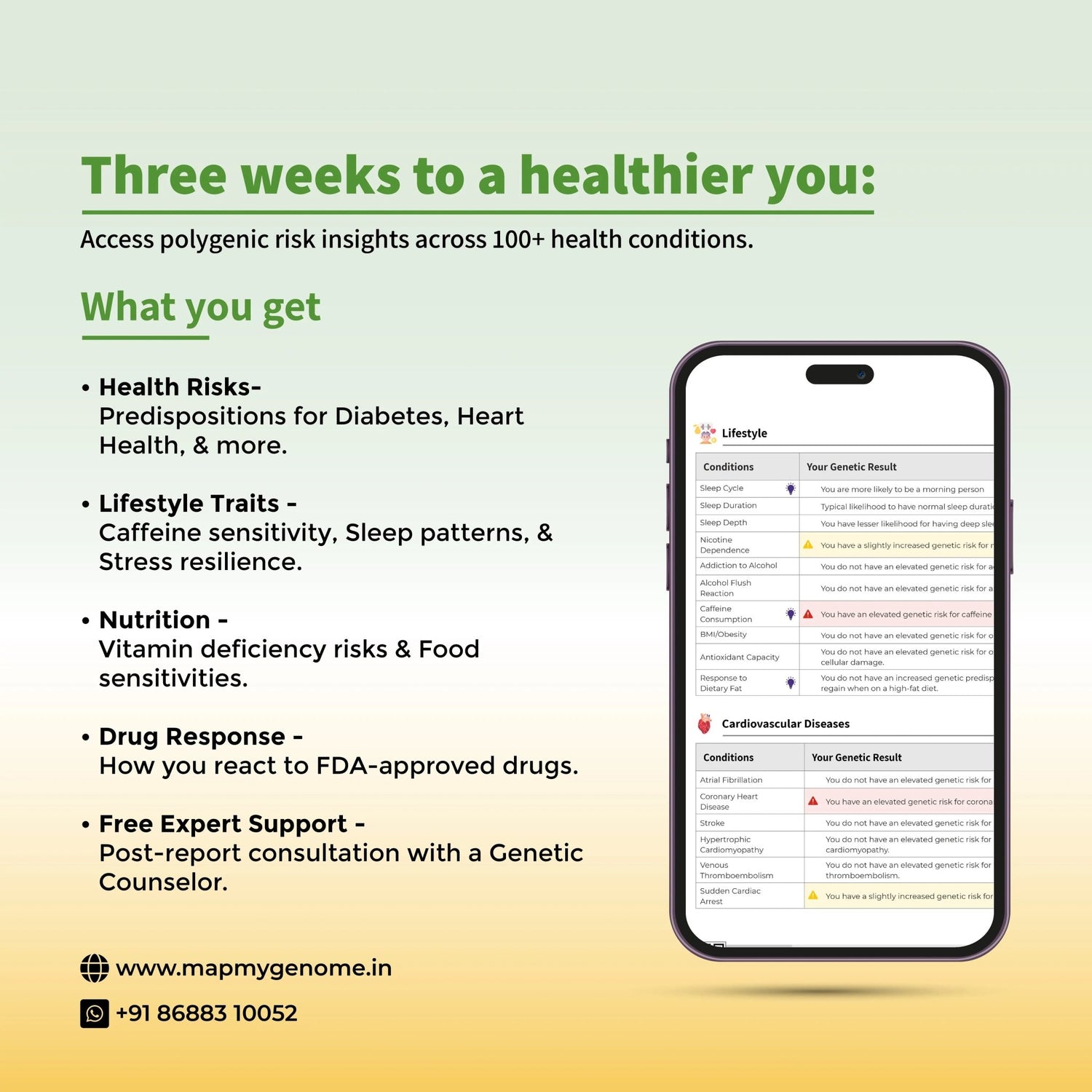
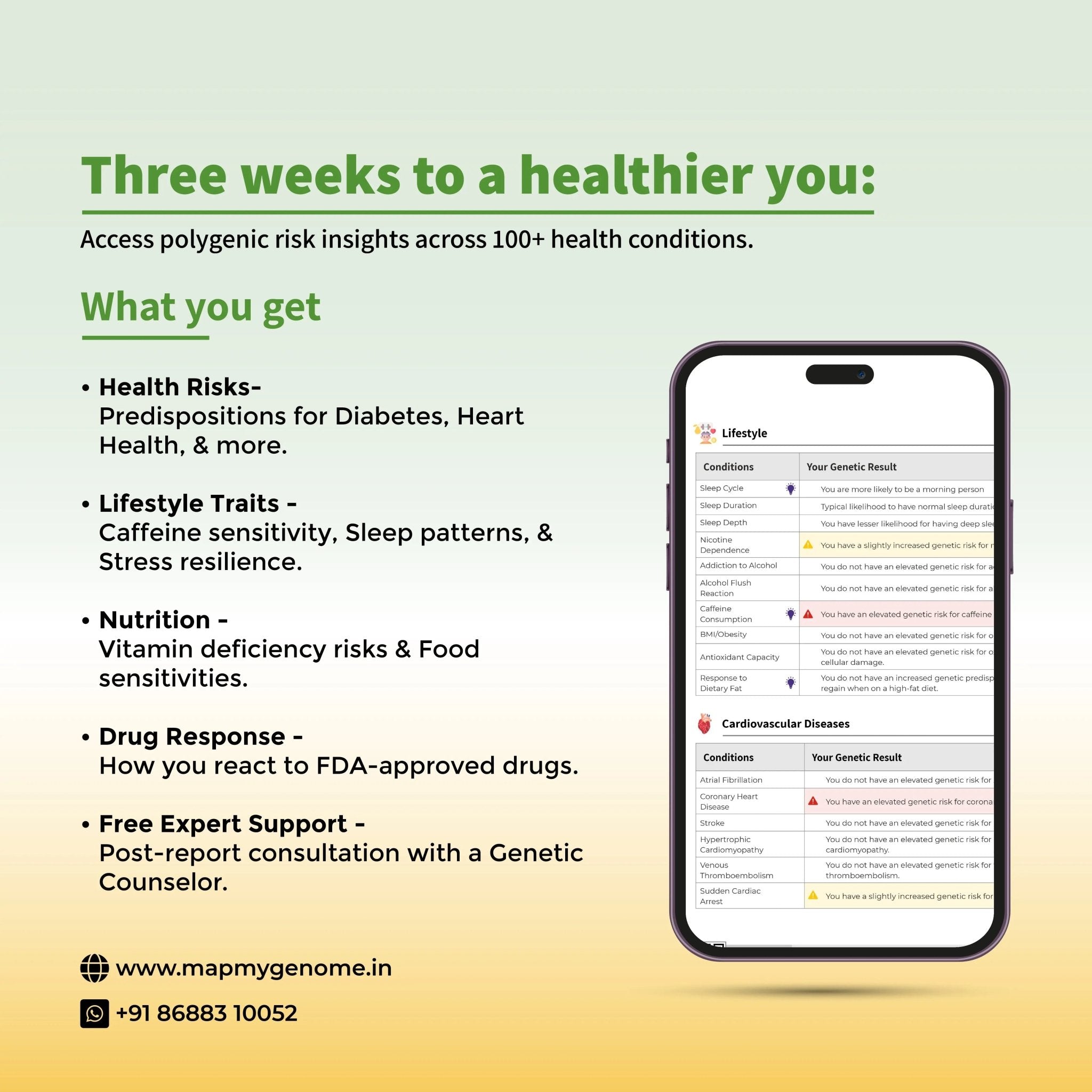
Genetic testing analyzes your DNA to identify variants — small differences in your genetic code — that are associated with an increased or decreased risk of developing specific health conditions. By examining these variants, genetic tests can reveal your predisposition to conditions such as:
- Heart disease and hypertension
- Type 2 diabetes and metabolic syndrome
- Cancer (breast, colon, prostate, and others)
- Neurological disorders (Alzheimer's, Parkinson's)
- Autoimmune diseases
- Hereditary conditions that can be passed to children
With this information, you can take proactive steps — targeted lifestyle changes, more frequent screenings, or preventive medications — to reduce your risk and improve your long-term health outcomes.
How Does DNA Testing for Prevention Work?
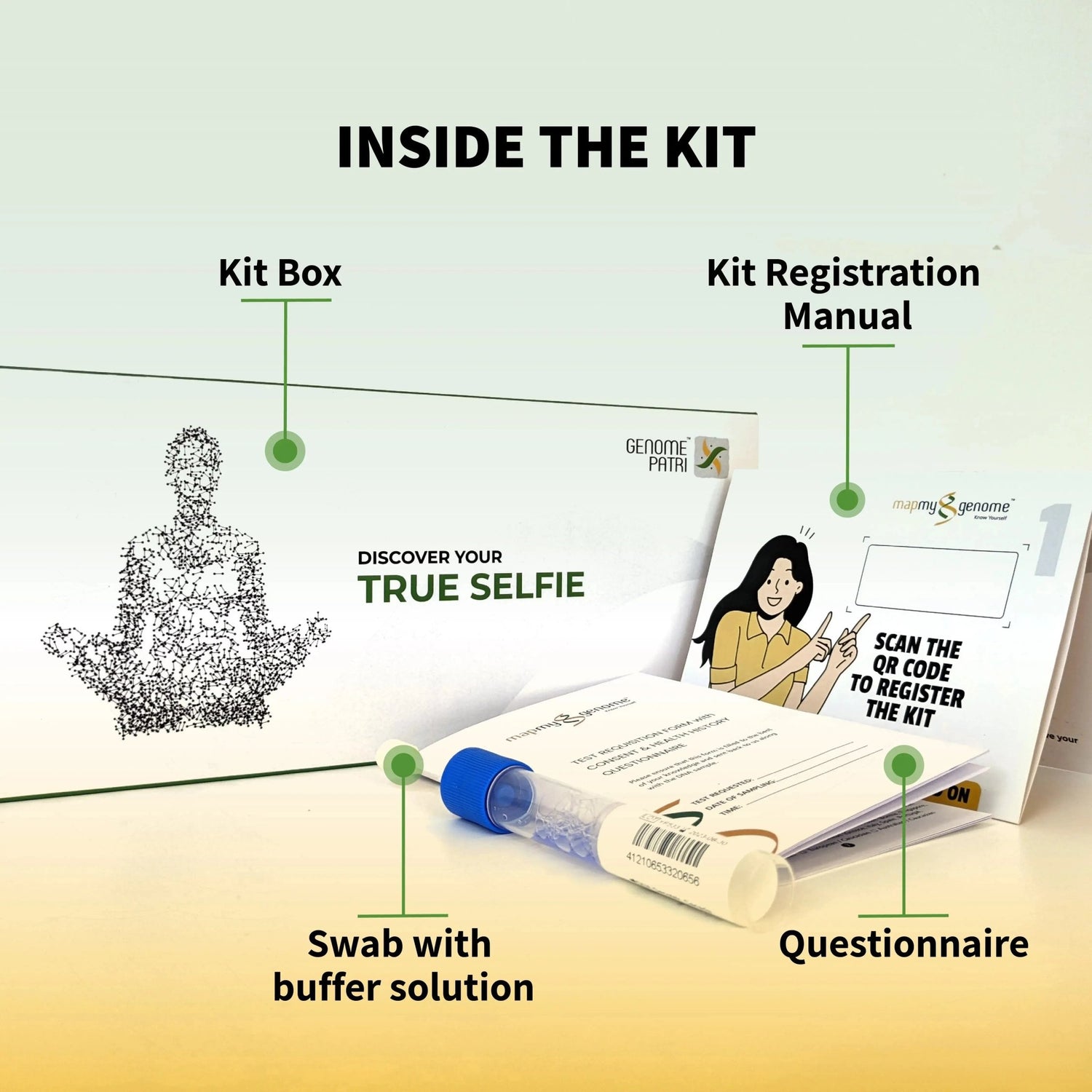
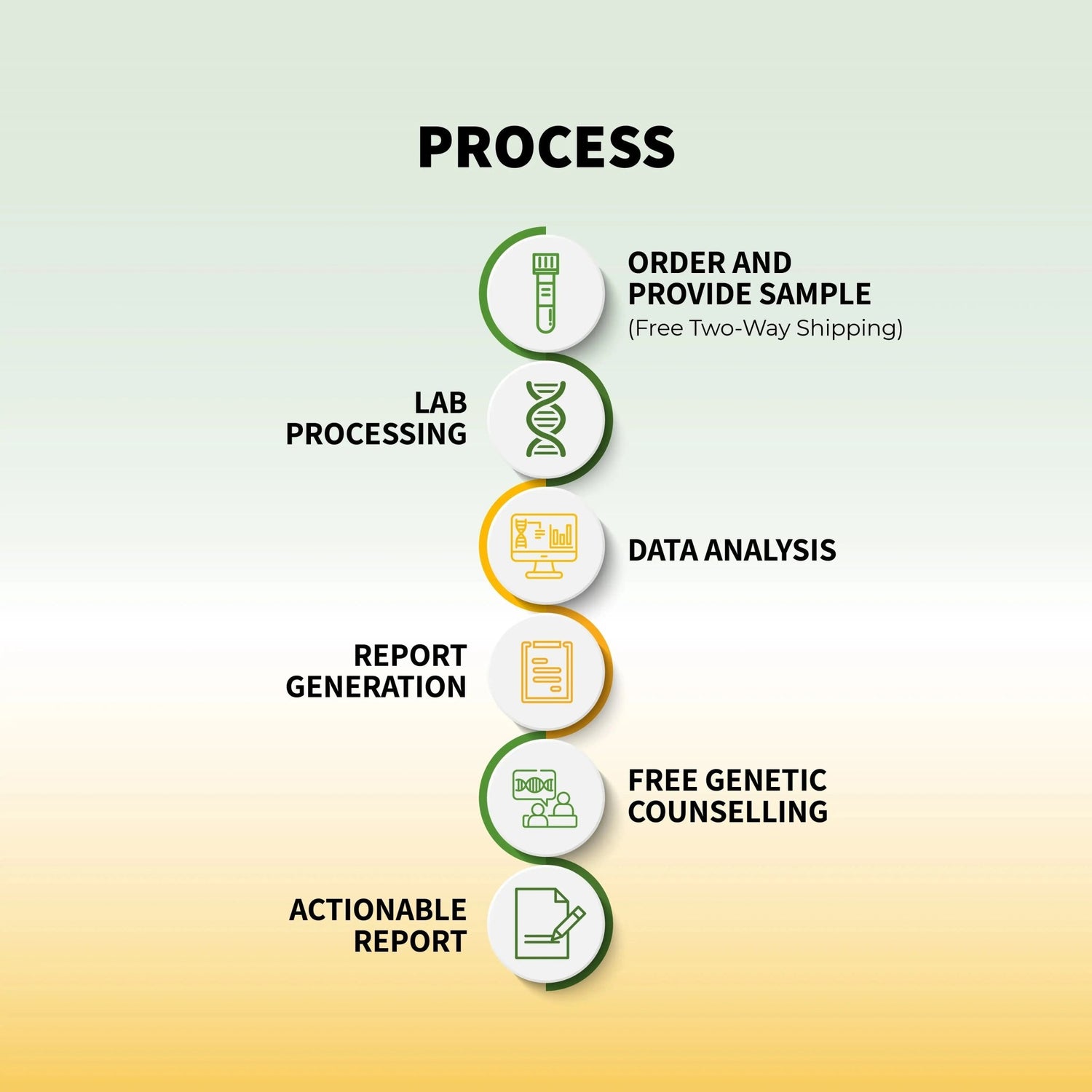
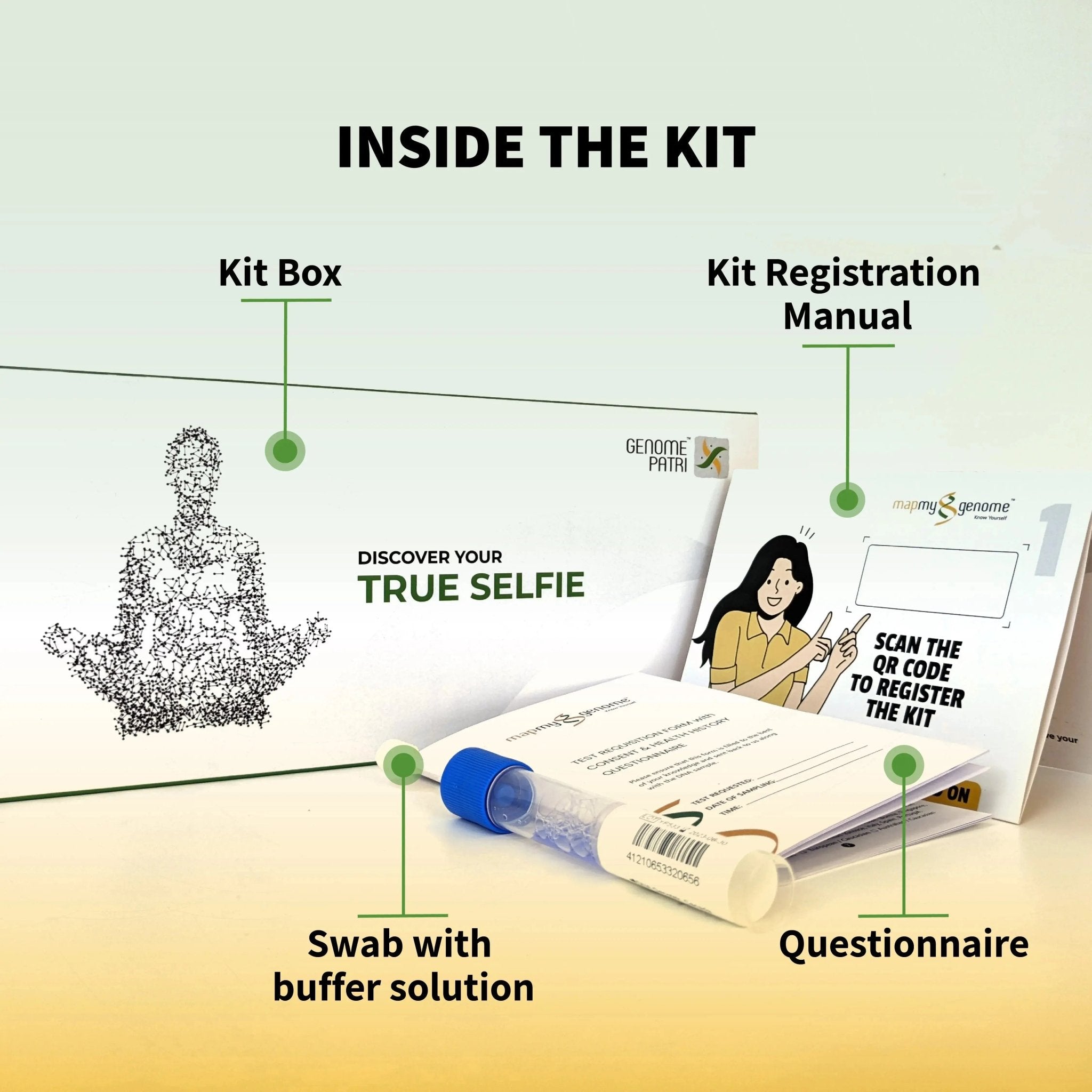
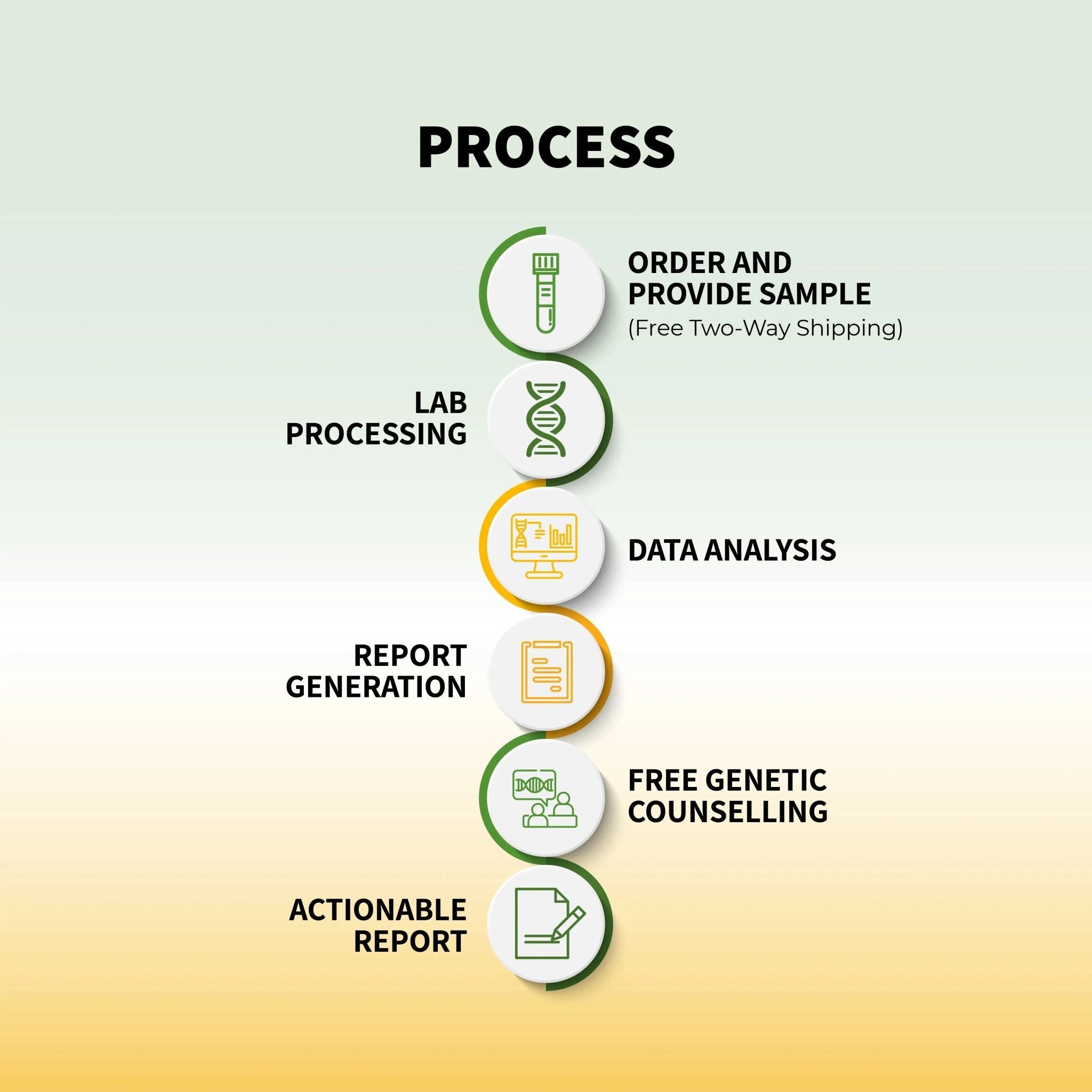
- Sample collection — A saliva sample collected at home (or a blood sample in a clinical setting)
- DNA analysis — The sample is processed in a certified laboratory to identify genetic variants across hundreds of thousands of positions in your genome
- Risk assessment — Your results are compared against large population databases and peer-reviewed research to calculate your relative risk for specific conditions
- Personalized action plan — Based on your results, you receive targeted recommendations for lifestyle changes, dietary adjustments, screenings, and — where relevant — medical consultations
How Predictive Genomics Is Transforming Preventive Healthcare
1. Early Disease Detection
One of the most powerful applications of predictive genomics is identifying disease risk before symptoms appear — often decades before a condition would typically be diagnosed. For example:
- BRCA1 and BRCA2 mutations indicate a significantly elevated risk for breast and ovarian cancer, enabling more frequent screening and preventive interventions
- The APOE4 variant increases the likelihood of Alzheimer's disease, allowing carriers to prioritize brain-protective lifestyle habits decades before typical onset
- Variants in TCF7L2 and other genes identify people at high risk for type 2 diabetes — who can often prevent or significantly delay onset through targeted dietary and lifestyle changes
2. Personalized Health Strategies
Generic health advice — "eat less, move more" — is a starting point, but it ignores the significant biological variation between individuals. DNA testing enables truly personalized strategies:
- Some people metabolize caffeine, alcohol, or certain medications very differently due to genetic variants in liver enzymes
- Others have genetic predispositions to obesity that respond better to specific dietary approaches (low-carb vs. Mediterranean, for example)
- Fitness responses — whether you benefit more from endurance or strength training — are also partly genetically determined
3. Reducing Hereditary Disease Risk
If a genetic disorder runs in your family, testing can determine whether you've inherited the relevant gene variant. This is particularly important for conditions like:
- Cystic fibrosis
- Sickle cell anaemia and Thalassemia (especially relevant in India)
- Huntington's disease
With this knowledge, you can make informed decisions about family planning, preventive monitoring, and medical care.
4. Guiding Preventive Screenings and Medications
Genetic results help doctors recommend the right interventions at the right time:
- More frequent health screenings for high-risk individuals (e.g., earlier mammograms for BRCA carriers)
- Preventive medications like statins for those with genetic predisposition to high cholesterol
- Pharmacogenomics insights to choose medications that are most effective and least likely to cause side effects for your specific genetic profile
Real-World Impact: How Genetic Testing Changes Lives
Preventing breast cancer: A 35-year-old woman discovers she carries the BRCA1 mutation through a genetic test. Her doctor recommends more frequent mammograms and MRI screening. An early-stage tumour is detected and successfully treated — an outcome that would have been far less likely without genetic testing.
Managing diabetes risk: A 40-year-old man with a strong family history of diabetes takes a genetic test and discovers he has a high genetic risk for type 2 diabetes. With a DNA-guided dietary plan and targeted lifestyle changes, he avoids developing the condition entirely.
Who Should Consider Genetic Testing for Prevention?
- Individuals with a family history of chronic diseases (heart disease, cancer, diabetes, neurological conditions)
- Anyone who wants a personalized, proactive approach to their health
- Couples planning to start a family (carrier screening)
- People taking multiple medications who want to optimize their drug response
- Anyone interested in understanding their biological aging rate and longevity risks
FAQs About Genetic Testing for Preventive Healthcare
Is genetic testing painful?
No. At-home genetic tests require only a simple saliva sample — quick, painless, and done in the comfort of your home.
Can genetic testing predict with 100% certainty whether I'll get a disease?
No. Genetic testing reveals risk levels and predispositions — not certainties. Lifestyle, environment, and other factors also play significant roles. Think of it as knowing the weather forecast: it doesn't guarantee rain, but it helps you decide whether to carry an umbrella.
What should I do if I test positive for a genetic risk?
Work with a healthcare provider or genetic counsellor to create a personalized prevention plan. This may include more frequent screenings, targeted lifestyle changes, preventive medications, or family planning guidance.
How much does genetic testing cost in India?
At-home wellness tests like Genomepatri start at ₹7,999. Clinical diagnostic tests vary widely depending on the type and scope of testing.
Conclusion: The Future of Healthcare Is Preventive — and Personal
Genetic testing is fundamentally shifting healthcare from a reactive model — treating disease after it appears — to a proactive one, where risks are identified and addressed before they become problems. For Indians, who face disproportionately high rates of diabetes, heart disease, and certain cancers, this shift is particularly significant. The earlier you understand your genetic risk profile, the more time and options you have to act on it.
🧬 Start Your Preventive Health Journey Today
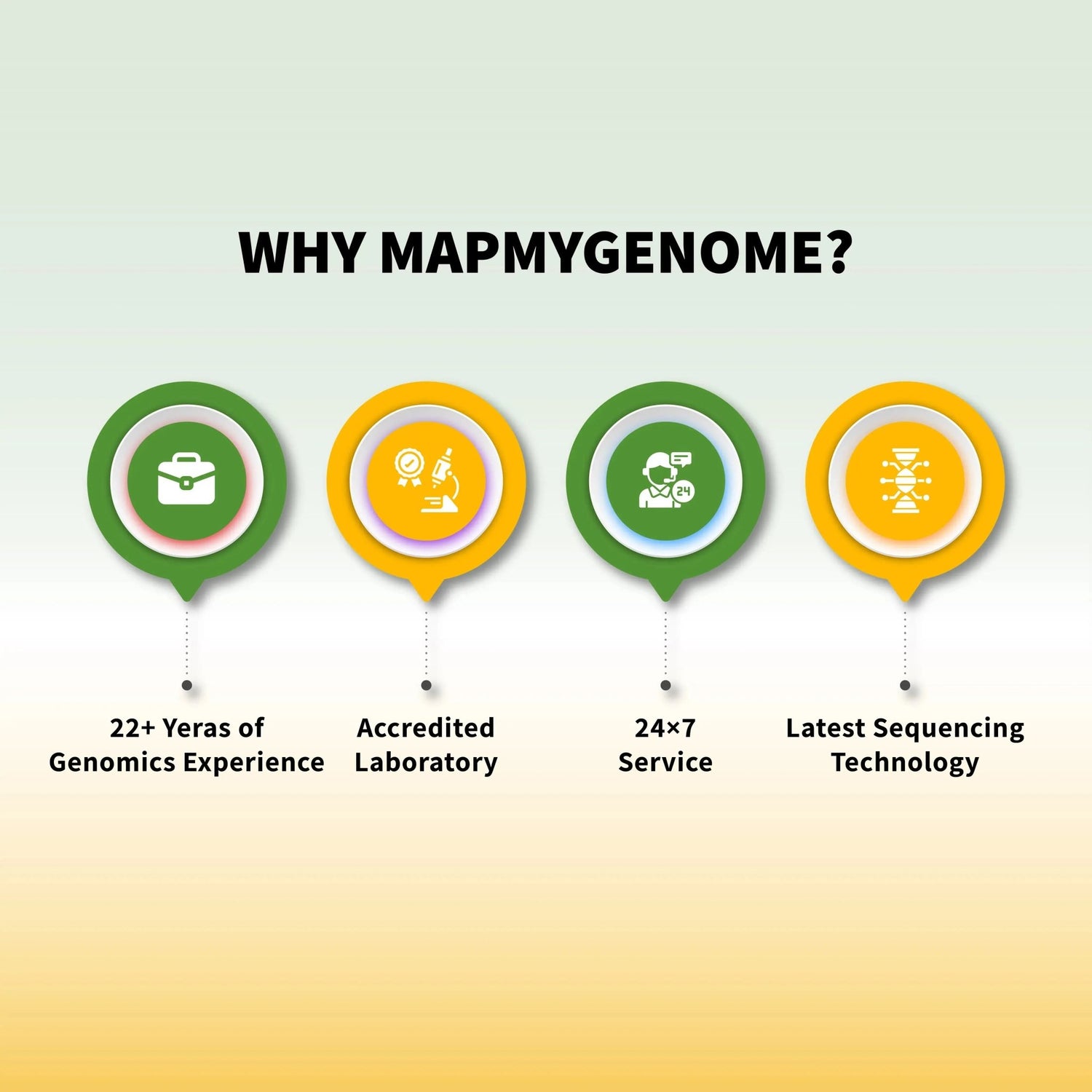
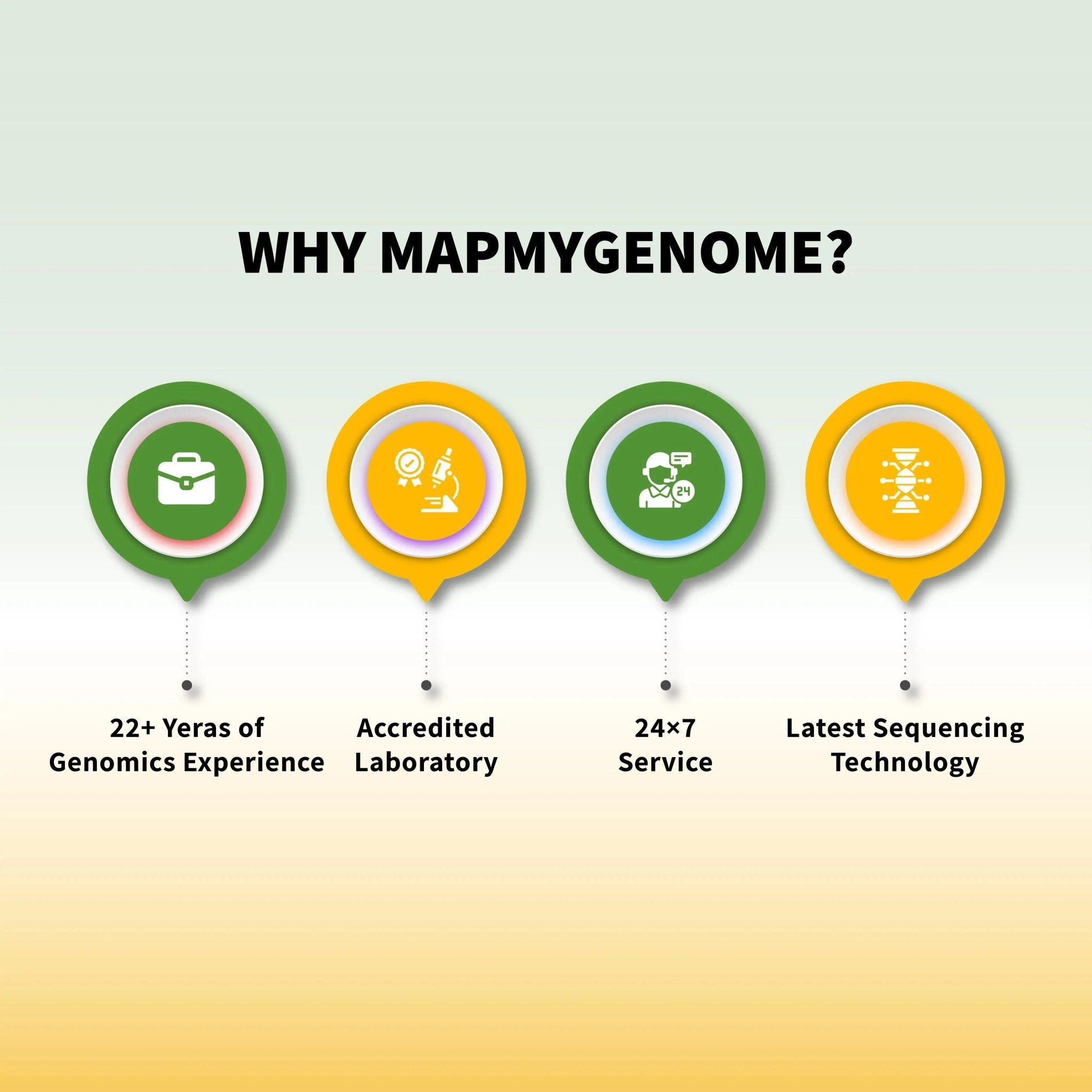
Genomepatri by MapmyGenome is India's most comprehensive at-home DNA wellness test — covering 100+ health traits including disease risk, nutrition, metabolism, fitness, and drug response. It's the most complete starting point for personalized preventive healthcare available in India.
⭐⭐⭐⭐⭐ Rated 4.97/5 by 143+ customers
→ Order Genomepatri — India's #1 At-Home DNA Wellness Test (₹7,999)
Not sure which test is right for you? Book a genetic counselling session for personalized guidance from one of MapmyGenome's specialists.