

By Anu Acharya | June 27, 2026 — World Microbiome Day
Today, June 27, is World Microbiome Day — a global celebration of the trillions of microorganisms that shape our health, our environment, and our everyday lives. There's no better moment to ask a question that stumps millions of health-conscious people every year:
You and your friend both go on the same diet. Same foods. Same portions. Same discipline. Three months later, she's lost 8 kg and her energy is through the roof. You've gained 2 kg and feel more bloated than ever.
Sound familiar?
If you've ever followed a nutrition plan to the letter and still felt like your body wasn't cooperating, you're not imagining it — and you're definitely not alone. The explanation isn't willpower. It isn't genetics (at least, not entirely). The answer lives in an invisible ecosystem inside your gut: your microbiome.
The Hidden Factor in Every Bite You Take
Your gut is home to roughly 38 trillion microorganisms — bacteria, fungi, viruses, and archaea — collectively known as your gut microbiome. This community isn't just passively sitting there. It's actively working every time you eat, breaking down food, producing vitamins, regulating inflammation, and even sending chemical signals to your brain.
Here's what most nutrition advice doesn't account for: no two people have the same microbiome. Not even identical twins. Your microbial fingerprint is shaped by where you grew up, what medications you've taken, how much stress you carry, how you sleep, the foods you ate as a child — and it changes throughout your life.
This is why the same salad, the same probiotic yoghurt, and the same high-fibre meal plan can produce wildly different outcomes in different bodies.
It's Not Just About What You Eat — It's What Your Gut Does With It
When you eat a bowl of lentils or a handful of almonds, you're not just feeding yourself. You're feeding your microbiome. And what your bacteria do with those nutrients determines what actually reaches your bloodstream.
Take fibre, for example. A diet high in fibre is universally praised — but the benefits depend entirely on whether you have the right bacteria to ferment it. When certain bacteria break down fibre, they produce short-chain fatty acids (SCFAs) — particularly butyrate, propionate, and acetate — which fuel your gut lining, reduce inflammation, regulate blood sugar, and even influence how much fat you store.
If those bacteria are missing or depleted, the same fibre-rich diet can cause bloating, discomfort, and very little metabolic benefit.
The same principle applies to:
- Omega-3s — some people convert plant-based ALA to the active forms EPA and DHA efficiently; others barely convert any, because the microbial pathways aren't there.
- Polyphenols — the antioxidants in berries, green tea, and dark chocolate need specific gut bacteria to be activated. Without them, most of the benefit passes right through you.
- B vitamins — a healthy microbiome can synthesize B12, folate, and riboflavin. A disrupted one can't, even if your diet is technically complete.
Why Indian Guts Need India-Specific Answers
If you live in India, there's another layer to this conversation. The Indian gut microbiome is genuinely distinct. Decades of research show that populations with traditional plant-forward, spice-rich, fermented-food diets — like dal-chawal, curd rice, idli, and sabzi — tend to have high microbial diversity and strong populations of fibre-fermenting bacteria.
But modern life is changing that rapidly. Urban diets, antibiotic overuse, stress, and reduced sleep are disrupting these microbial communities in ways that generic Western nutrition advice simply isn't designed to address.
A gut test calibrated against Indian dietary contexts isn't a luxury — it's the only way to get answers that actually apply to your life.
What a Gut Test Actually Reveals
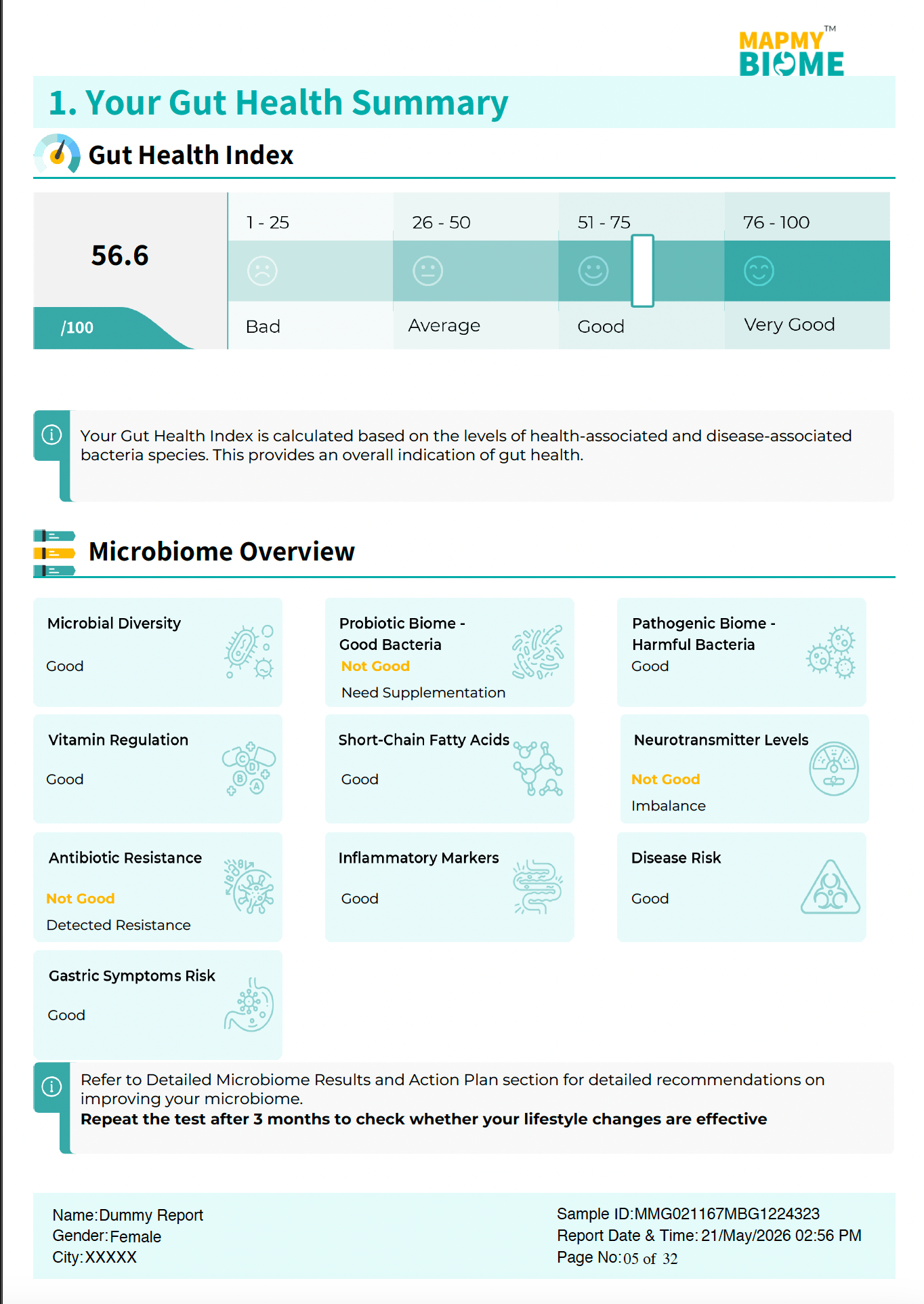
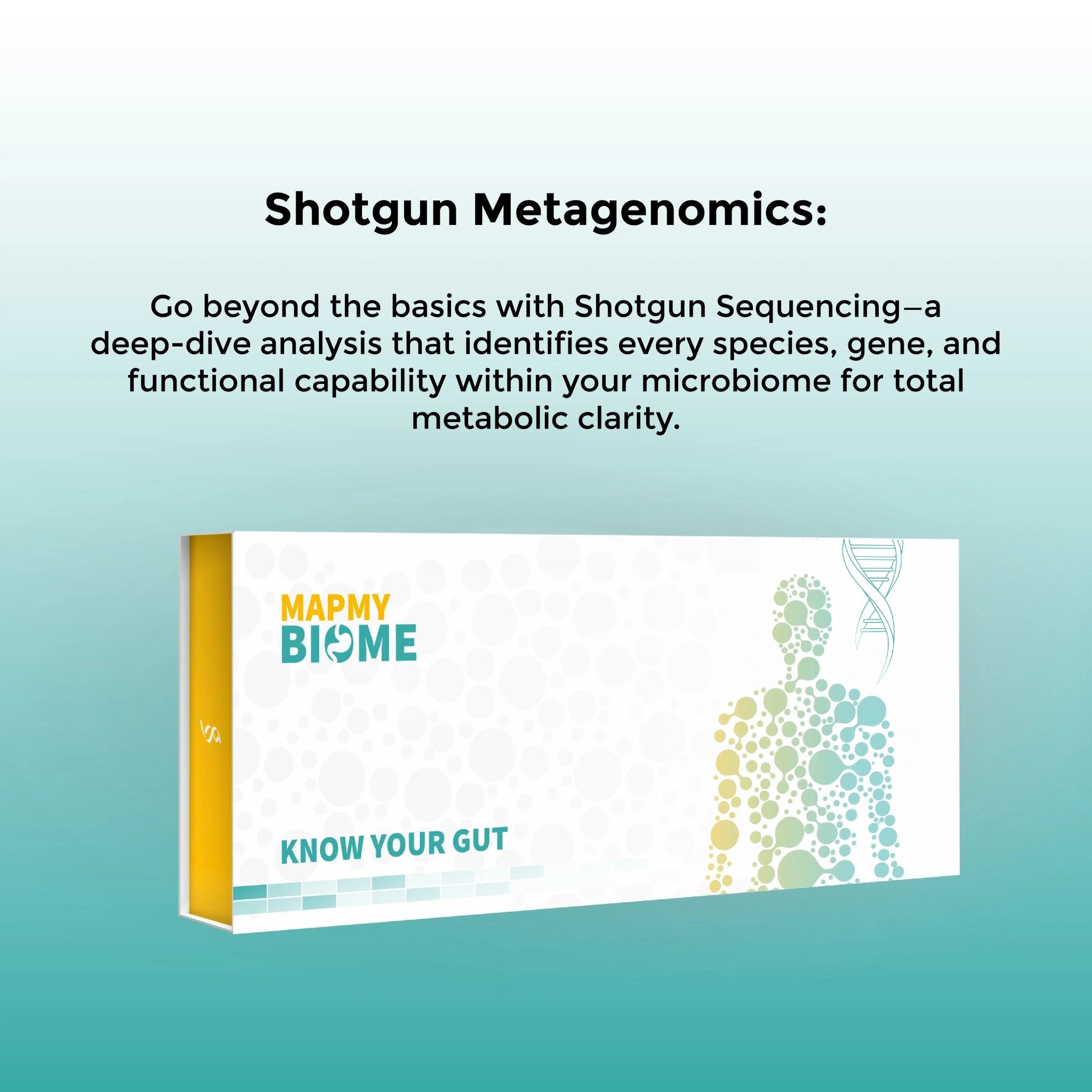
A microbiome analysis doesn't just tell you who is in your gut — it tells you what they're doing. A comprehensive test like MapmyBiome using shotgun metagenomic sequencing goes well beyond basic bacterial counts. Here's what it uncovers:
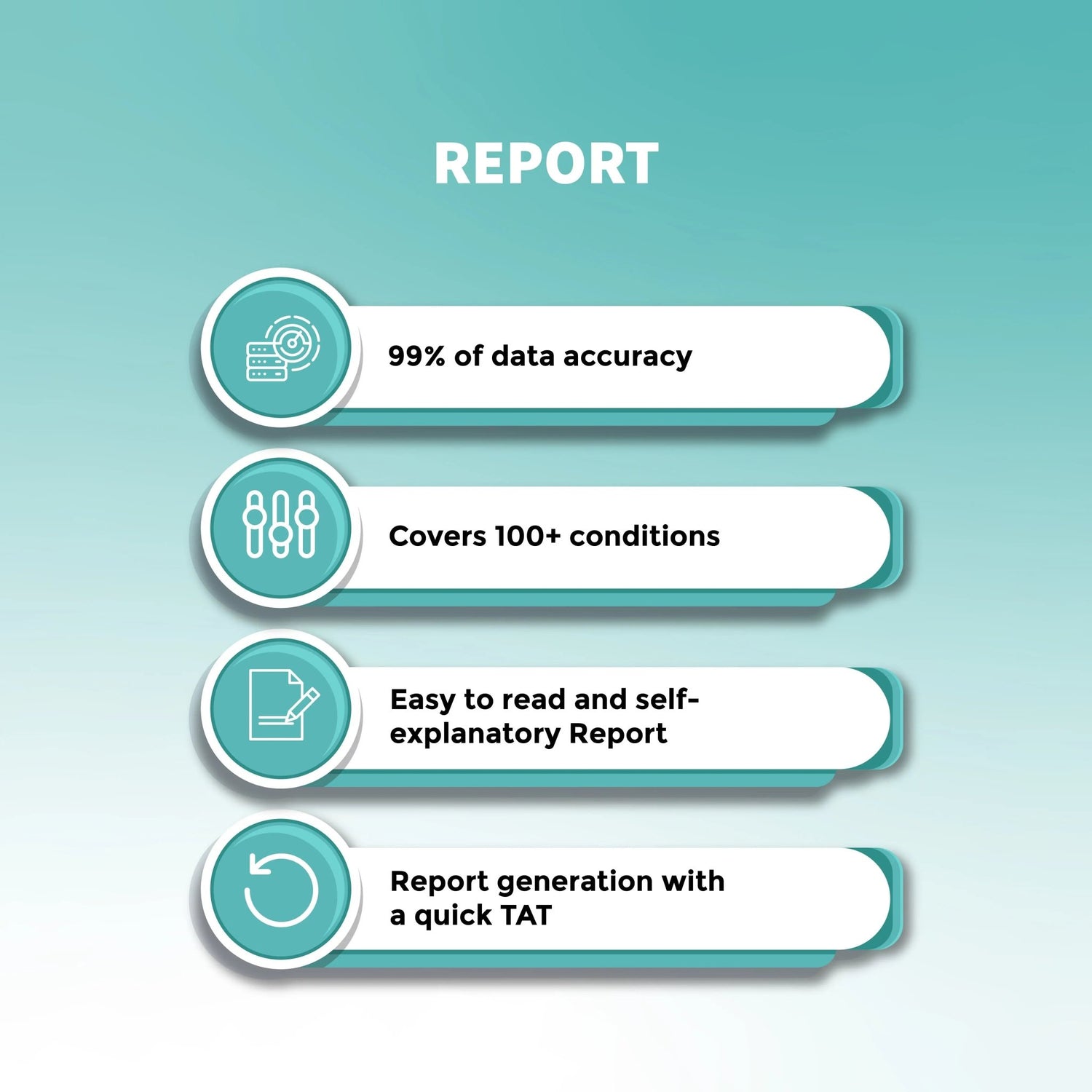
Your Gut Health Index — a scored overview of your microbiome's balance between health-promoting and disease-associated species.
Functional capacity — whether your bacteria are actively producing SCFAs, synthesizing vitamins (A, C, D, K, and B-complex), or generating inflammatory compounds.
Probiotic vs. pathogenic balance — how much of your gut is occupied by beneficial strains like Lactobacillus and Bifidobacterium versus harmful bacteria like H. pylori or C. difficile.
Gut-brain axis markers — your microbiome's role in producing neurotransmitter precursors for serotonin, dopamine, GABA, and acetylcholine. Yes, your mood lives partly in your gut.
Metabolic and inflammatory risk — your microbiome's contribution to your risk profile for conditions like IBS, Type 2 diabetes, obesity, and autoimmune issues.
Personalised food and probiotic recommendations — not a generic list, but one built around your actual bacterial strains.
This is precision nutrition. Not eating plans built for a hypothetical average person — but guidance built for the body you actually have.
Signs Your Gut Microbiome May Need Attention
You don't have to feel dramatically unwell for your microbiome to be out of balance. Watch for these common signals:
- Persistent bloating or gas, especially after meals you'd consider "healthy"
- Fatigue that doesn't improve with adequate sleep
- Skin issues like acne, eczema, or unexplained redness
- Brain fog or difficulty concentrating
- Irregular digestion — constipation, loose stools, or alternating between both
- Cravings for sugar or refined carbs that feel hard to control
- Mood dips or anxiety that seem disproportionate to circumstances
- Nutrient deficiencies that persist despite a balanced diet
Any one of these can have multiple causes — but the gut is often where the investigation should start.
How to Get Started
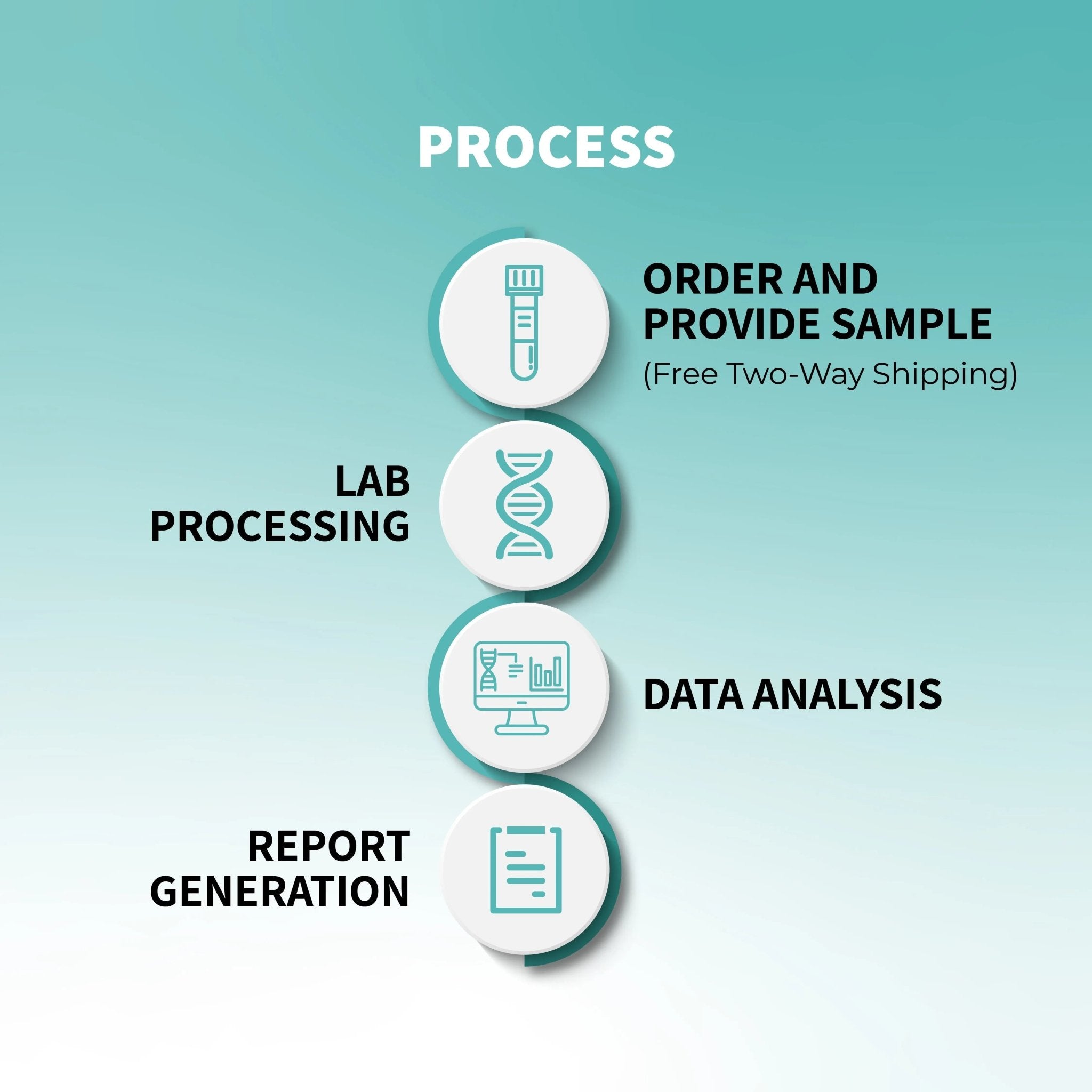
Understanding your gut doesn't require guesswork or elimination diets. A single at-home test can give you more insight into your nutrition than years of trial and error.
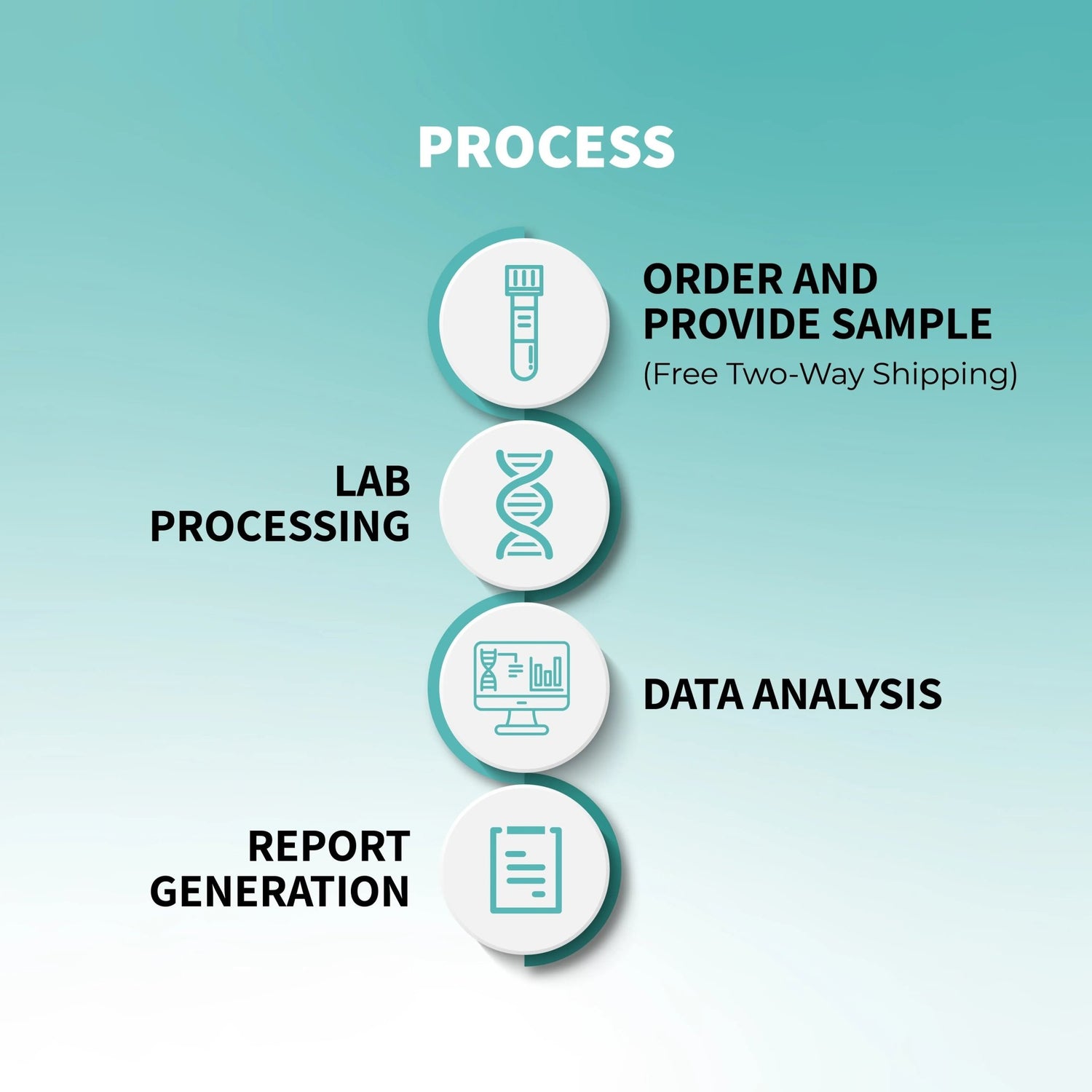
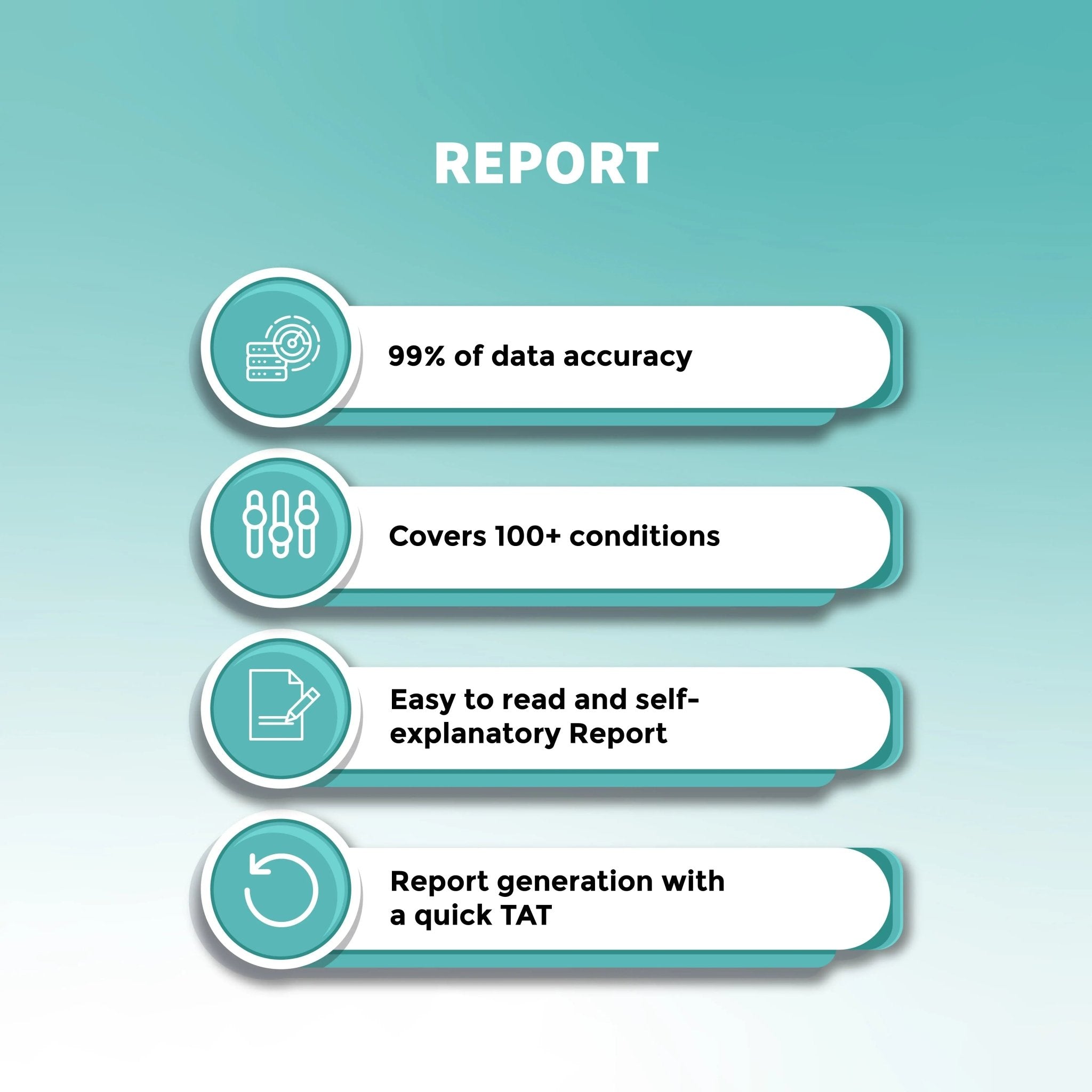
In India: MapmyBiome offers India's most advanced at-home gut microbiome test using shotgun metagenomics sequencing — the gold standard in microbiome science. The kit ships across India with free pickup and includes a personalised report and a one-on-one genetic counselling session.
In Canada & the US: dnaPower offers DNA and gut health testing with personalised diet, fitness, and wellness recommendations, available across both countries with a strong track record in precision health.
Mapmygenome + Microbiome Insights: World-Class Research, Now Global
This World Microbiome Day also marks a significant milestone in our own journey. Mapmygenome has acquired Microbiome Insights, a global leader in microbial sequencing based in Vancouver, Canada — and one of the most respected contract research organisations in microbiome science.
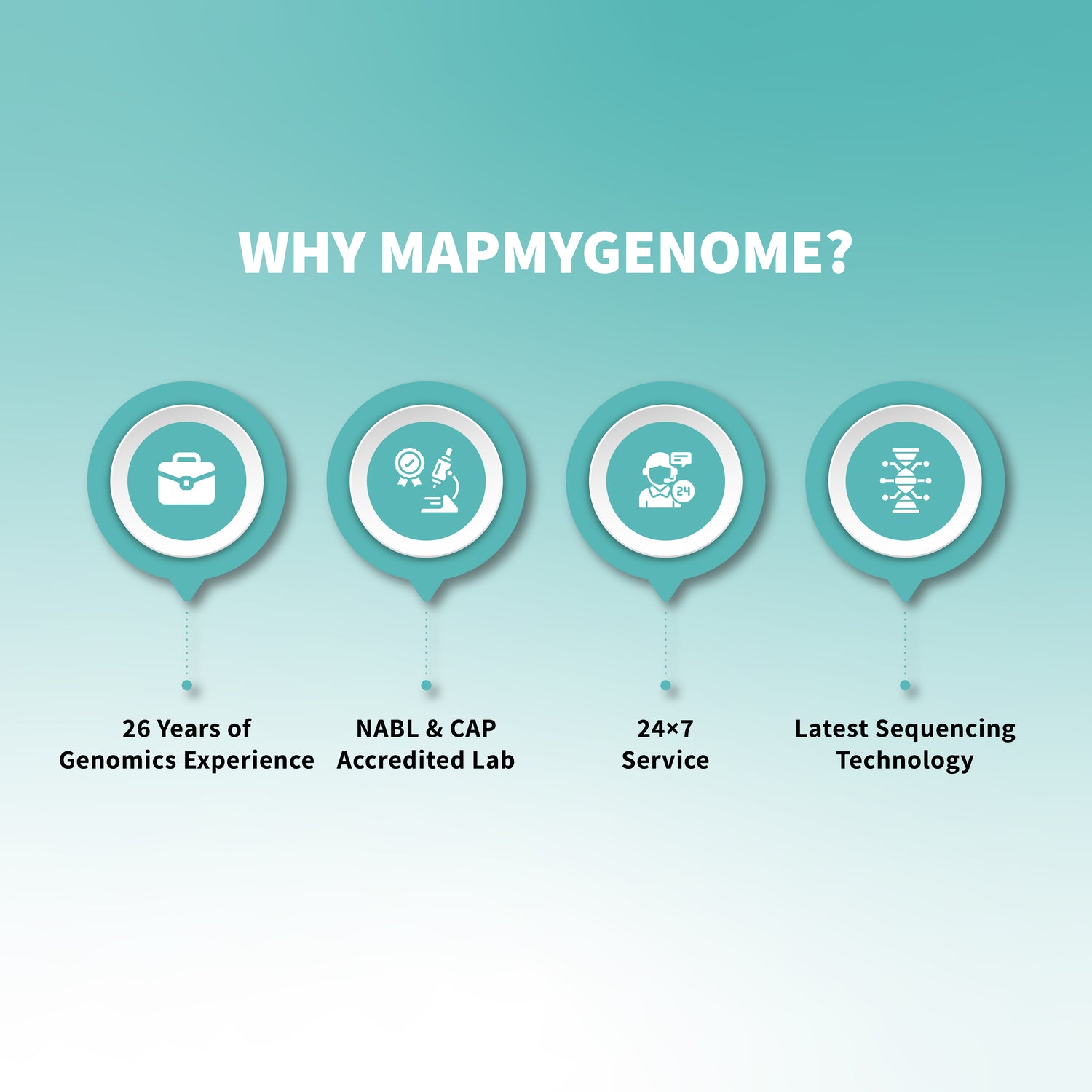
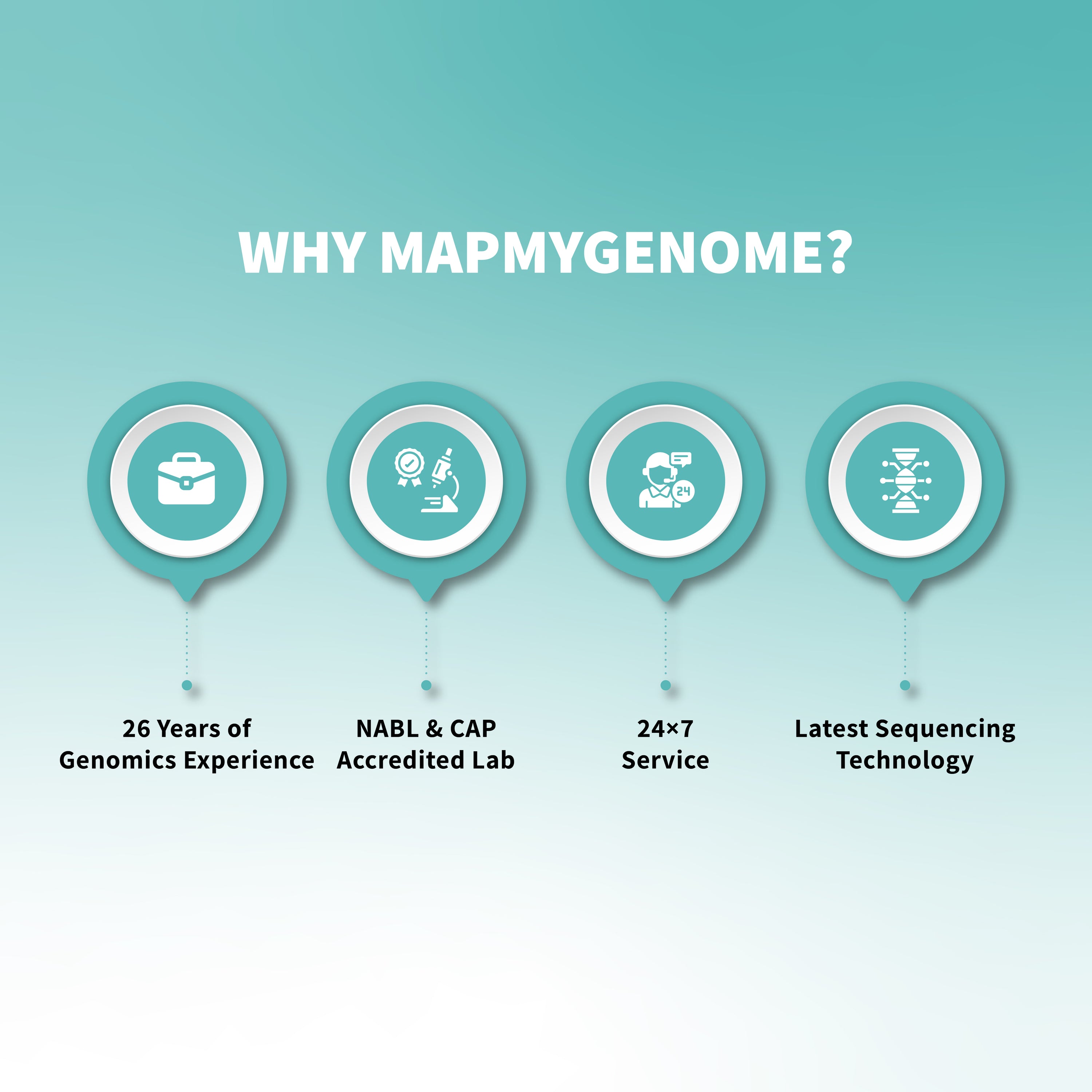
Microbiome Insights has supported over 600 clients across pharma, biotech, nutrition, and academic research, contributing to more than 1,000 cutting-edge microbiome studies. Their CAP-accredited laboratory and deep expertise in metagenomics, transcriptomics, and bioinformatic analysis now form the backbone of Mapmygenome's global research services.
Microbiome Insights will continue to operate as a premier contract research organisation (CRO), serving academic, clinical, and industry researchers worldwide. At the same time, this acquisition accelerates Mapmygenome's introduction of integrated genomics and microbiome testing services to North America.
For researchers in Canada and the US looking for world-class microbiome sequencing and analysis services, Microbiome Insights — now part of the Mapmygenome family — is your partner: microbiomeinsights.com
As I mentioned earlier "The human microbiome is pivotal to health, and this acquisition positions us as a leader in this area."
The Bottom Line
Your gut microbiome is the missing variable in almost every nutrition conversation. It explains why the same diet works miraculously for one person and fails completely for another. It explains why some people thrive on plant-based eating and others don't. It explains the energy crashes, the stubborn weight, the bloating that just won't quit.
You can't optimise what you can't measure. And now, you don't have to guess.
Disclaimer: The information in this blog is for educational purposes only and is not a substitute for professional medical advice. Always consult your doctor or a qualified healthcare provider before making changes to your diet or health routine.
Your Gut and Your Genes — Together at Last
Your microbiome shapes how you digest, absorb nutrients, and age. Your DNA shapes your metabolic risk. The Stay Young Bundle combines MapmyBiome gut testing + Genomepatri DNA health screening — so you get the full picture, not half the story.