

Protein is the foundation of muscle growth. Whether you're a seasoned gym-goer or just starting your fitness journey, understanding how much protein you actually need — and where to get it — can make the difference between plateauing and making real progress.
Why Protein Is Essential for Building Muscle
When you exercise, especially during resistance training, you create microscopic tears in your muscle fibres. Protein provides the amino acids your body needs to repair and rebuild these fibres — making them thicker and stronger over time. Without adequate protein, this repair process is incomplete, and muscle growth stalls.
Beyond muscle repair, protein also supports hormone production, immune function, enzyme activity, and satiety — making it one of the most important macronutrients for overall health.
How Much Protein Do You Need Per Day?
Protein requirements vary based on your body weight, activity level, age, and fitness goals. Here are the general evidence-based guidelines:
- Sedentary adults: 0.8 g per kg of body weight per day (minimum for basic health)
- Moderately active adults: 1.2–1.6 g per kg of body weight per day
- Strength training / muscle building: 1.6–2.2 g per kg of body weight per day
- Endurance athletes: 1.4–1.7 g per kg of body weight per day
- Older adults (50+): 1.2–1.6 g per kg of body weight per day (higher needs due to muscle loss with age)
Example: A 70 kg person aiming to build muscle should target approximately 112–154 g of protein per day.
Best Protein Sources for Muscle Building
Animal-Based Sources (Complete Proteins)
- Chicken breast — ~31 g protein per 100 g
- Eggs — ~13 g protein per 100 g (plus healthy fats)
- Fish (tuna, salmon, mackerel) — ~25–30 g protein per 100 g
- Greek yogurt — ~10 g protein per 100 g
- Cottage cheese (paneer) — ~18 g protein per 100 g
Plant-Based Sources (Great for Vegetarians)
- Lentils (dal) — ~9 g protein per 100 g cooked
- Chickpeas (chana) — ~9 g protein per 100 g cooked
- Tofu — ~8 g protein per 100 g
- Quinoa — ~4 g protein per 100 g cooked (a complete protein)
- Soya chunks — ~52 g protein per 100 g dry (one of the highest plant sources)
Timing Your Protein Intake
When you eat protein matters almost as much as how much you eat. Research suggests:
- Post-workout: Consume 20–40 g of protein within 30–60 minutes after training to maximize muscle protein synthesis
- Spread throughout the day: Aim for 4–5 protein-rich meals or snacks rather than one large serving — your body can only use ~25–40 g per sitting for muscle building
- Before bed: A slow-digesting protein like casein (found in cottage cheese or milk) before sleep supports overnight muscle repair
Common Protein Myths — Debunked
"More protein always means more muscle."
Not quite. Beyond ~2.2 g per kg of body weight, additional protein offers diminishing returns for muscle growth. Excess protein is either used for energy or stored as fat.
"Plant proteins are inferior."
While individual plant proteins may lack certain amino acids, combining sources (e.g., rice + lentils, or soya + vegetables) provides a complete amino acid profile. Vegetarians can absolutely build significant muscle.
"You need protein supplements to build muscle."
Whole food sources are always preferable. Supplements like whey protein are convenient but not necessary if you're meeting your daily targets through food.
FAQs About Protein and Muscle Building
Q: Can I build muscle on a vegetarian diet?
Yes. With careful planning around protein sources — soya, lentils, paneer, tofu, quinoa — vegetarians can meet their protein needs and build substantial muscle.
Q: Is too much protein harmful?
For healthy individuals, high protein intake is generally safe. However, those with pre-existing kidney conditions should consult a doctor before significantly increasing protein intake.
Q: Does protein help with weight loss?
Yes. Protein is the most satiating macronutrient, reducing hunger and helping preserve muscle mass during a calorie deficit — which is critical for sustainable fat loss.
The Bottom Line
Building muscle requires consistent training, adequate recovery, and — critically — sufficient protein. Aim for 1.6–2.2 g per kg of body weight daily, spread across multiple meals, and prioritize whole food sources. But remember: the optimal amount for you depends on your unique genetics, metabolism, and body composition.
🧬 Your Muscles Are Built on Your Genes Too
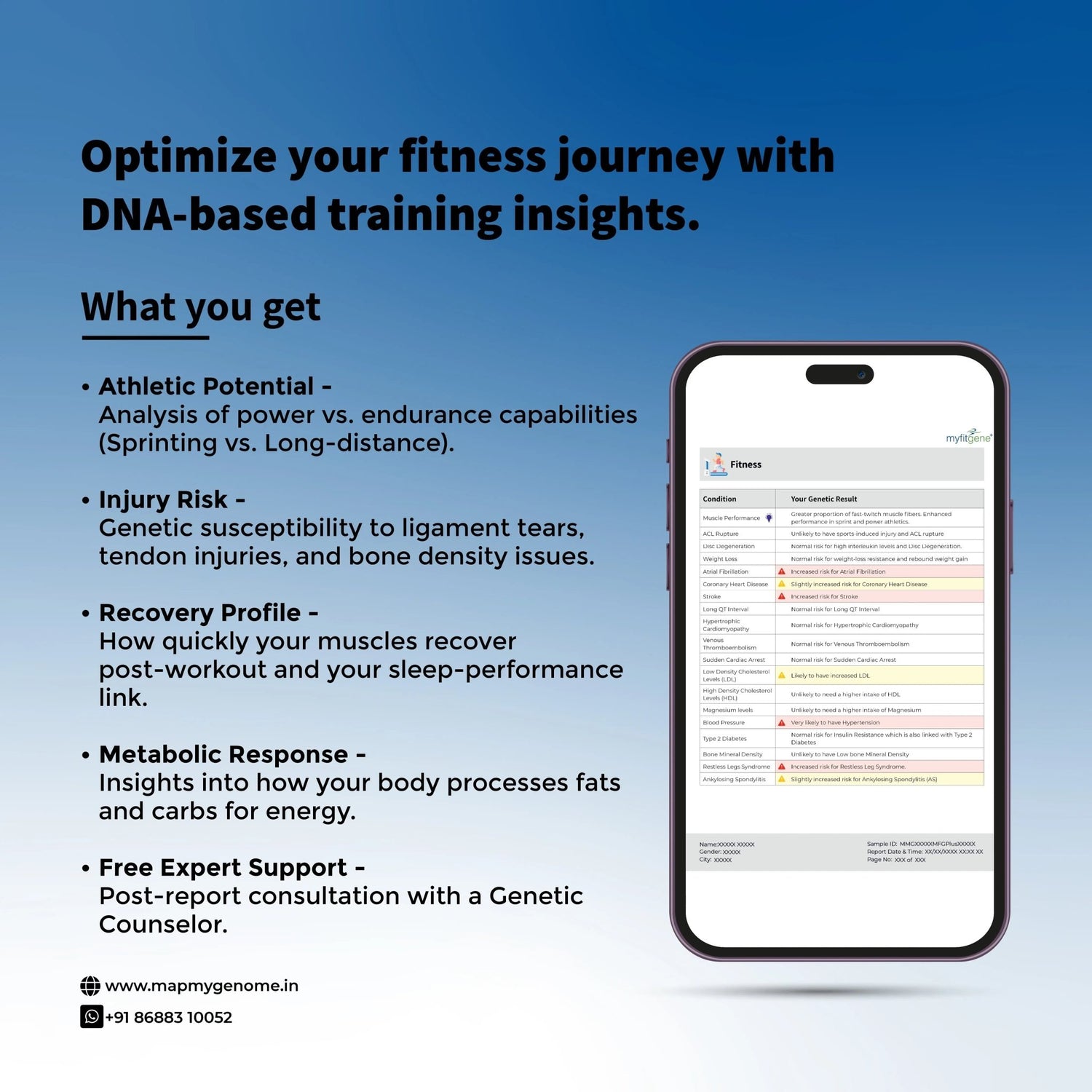
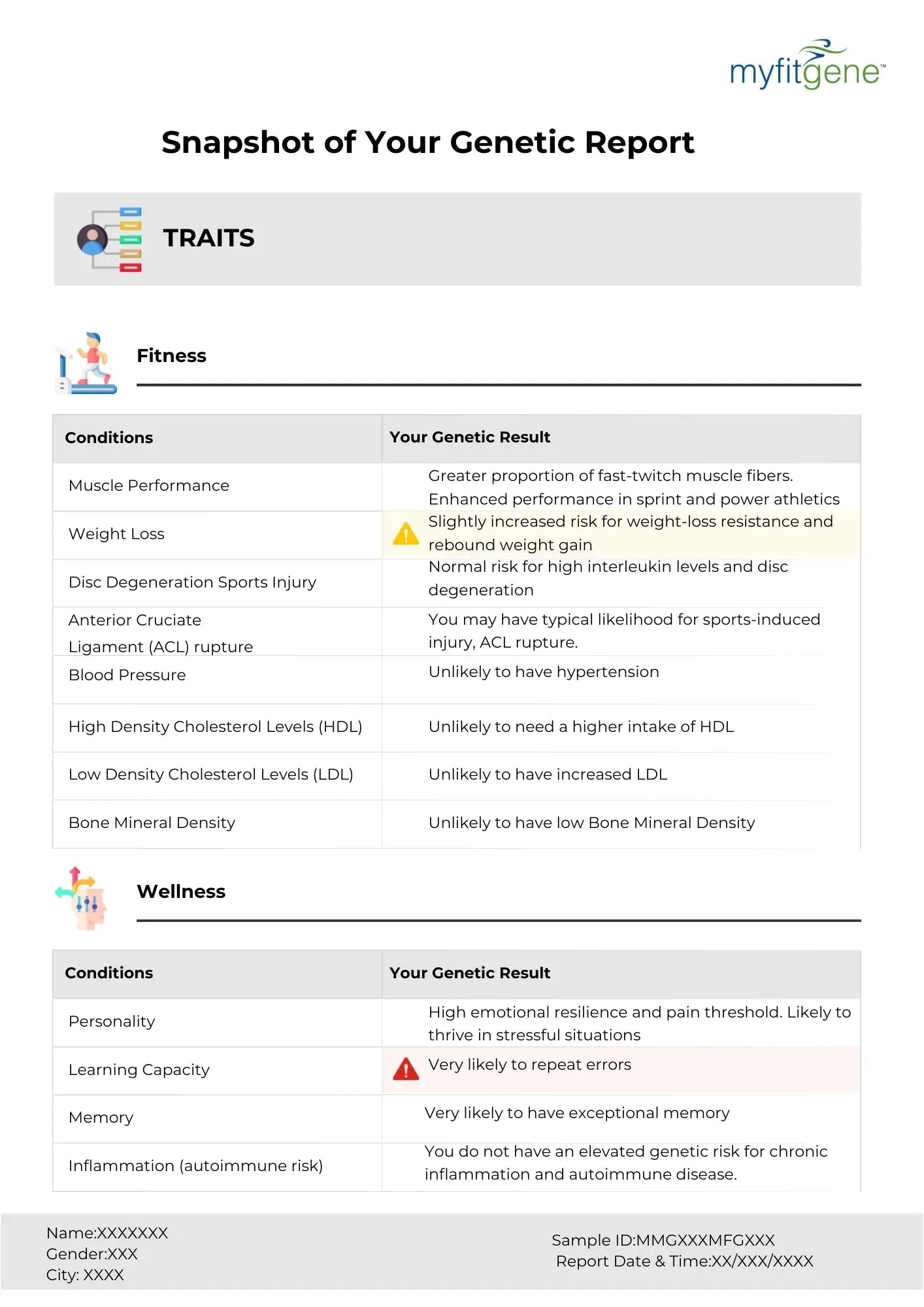
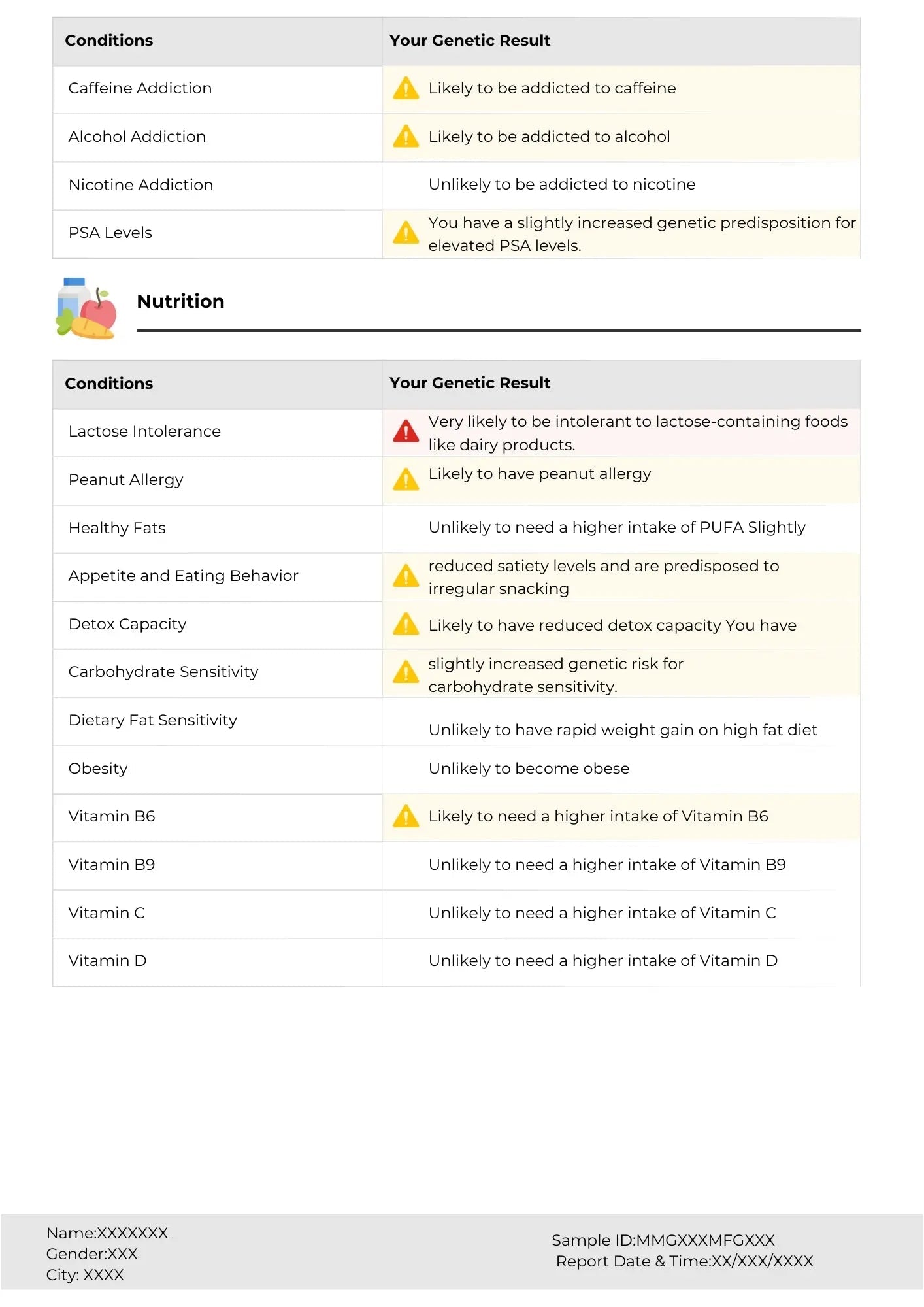
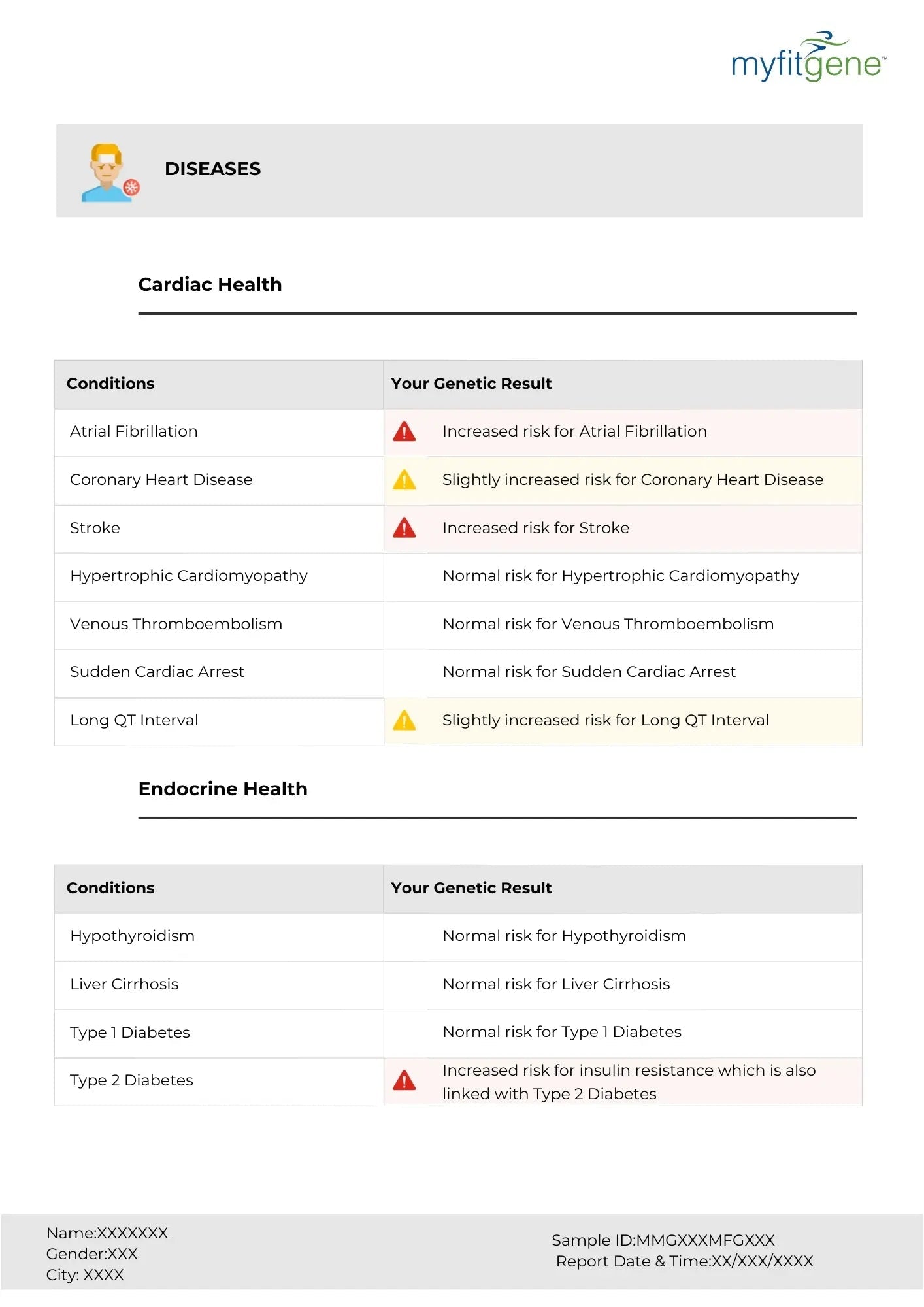
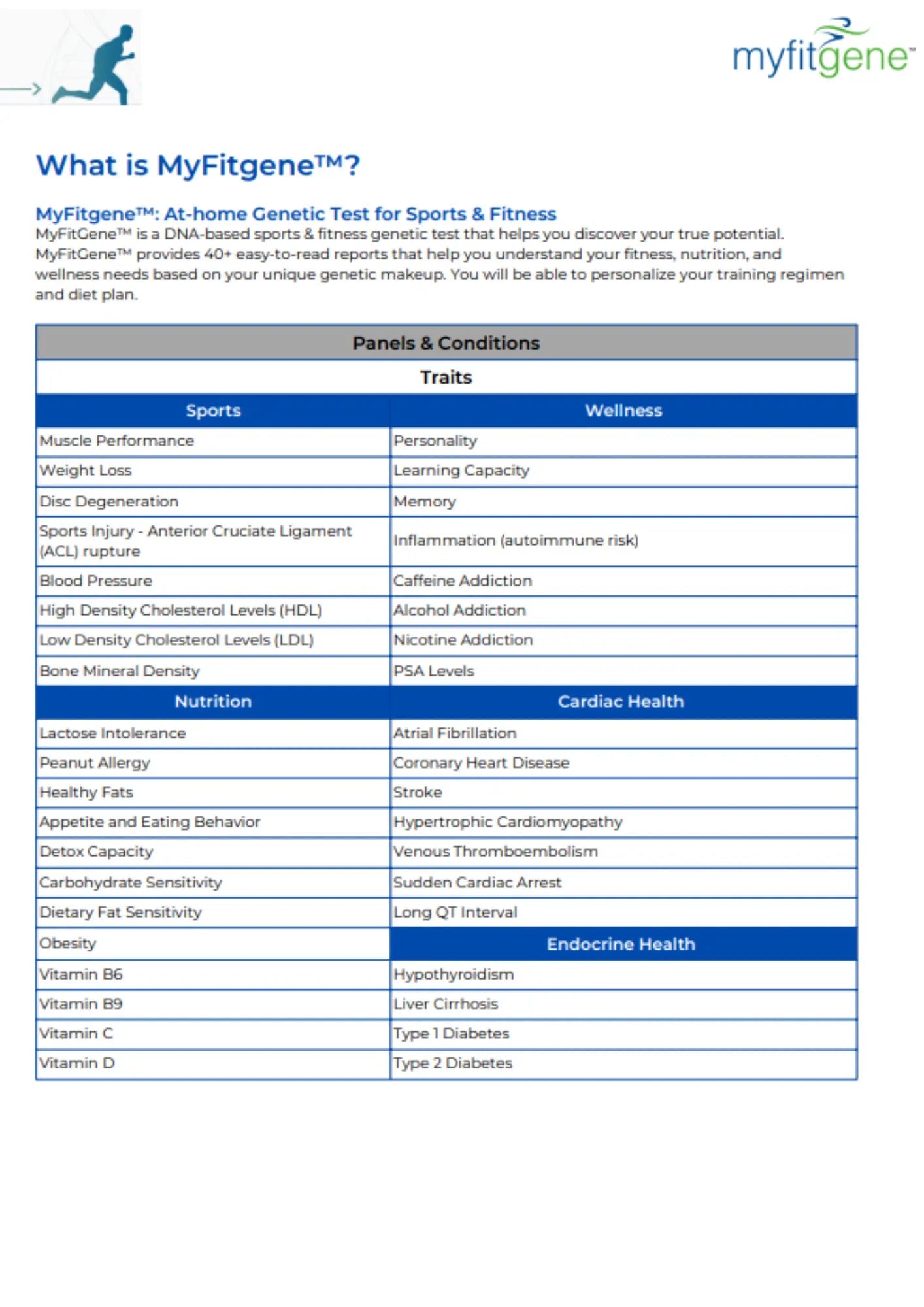
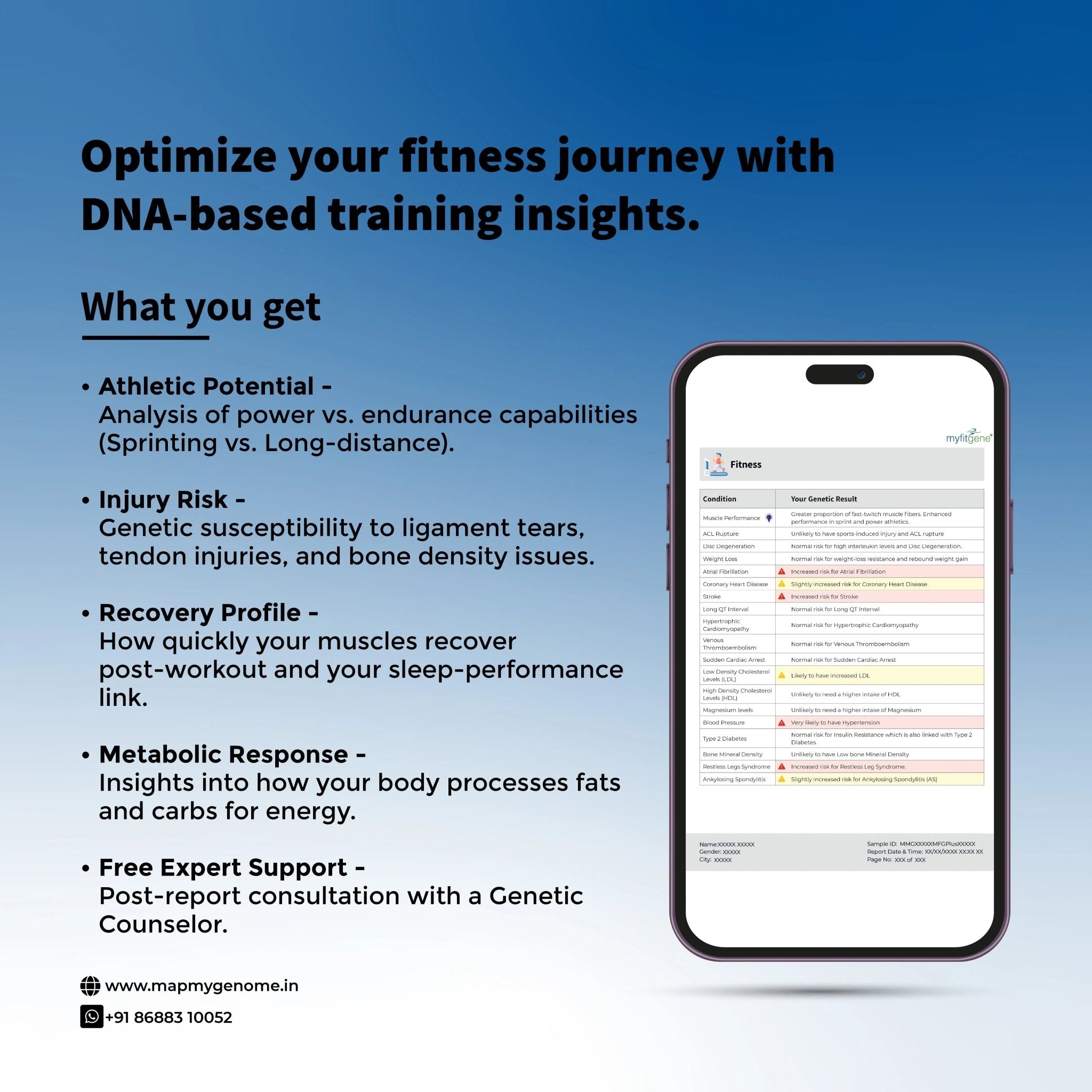
Protein is essential — but your genetic makeup determines how efficiently your body builds muscle, recovers from training, processes macronutrients, and responds to different exercise types. Some people are genetically wired for endurance; others for power. Knowing your profile means you can train and eat smarter, not just harder.
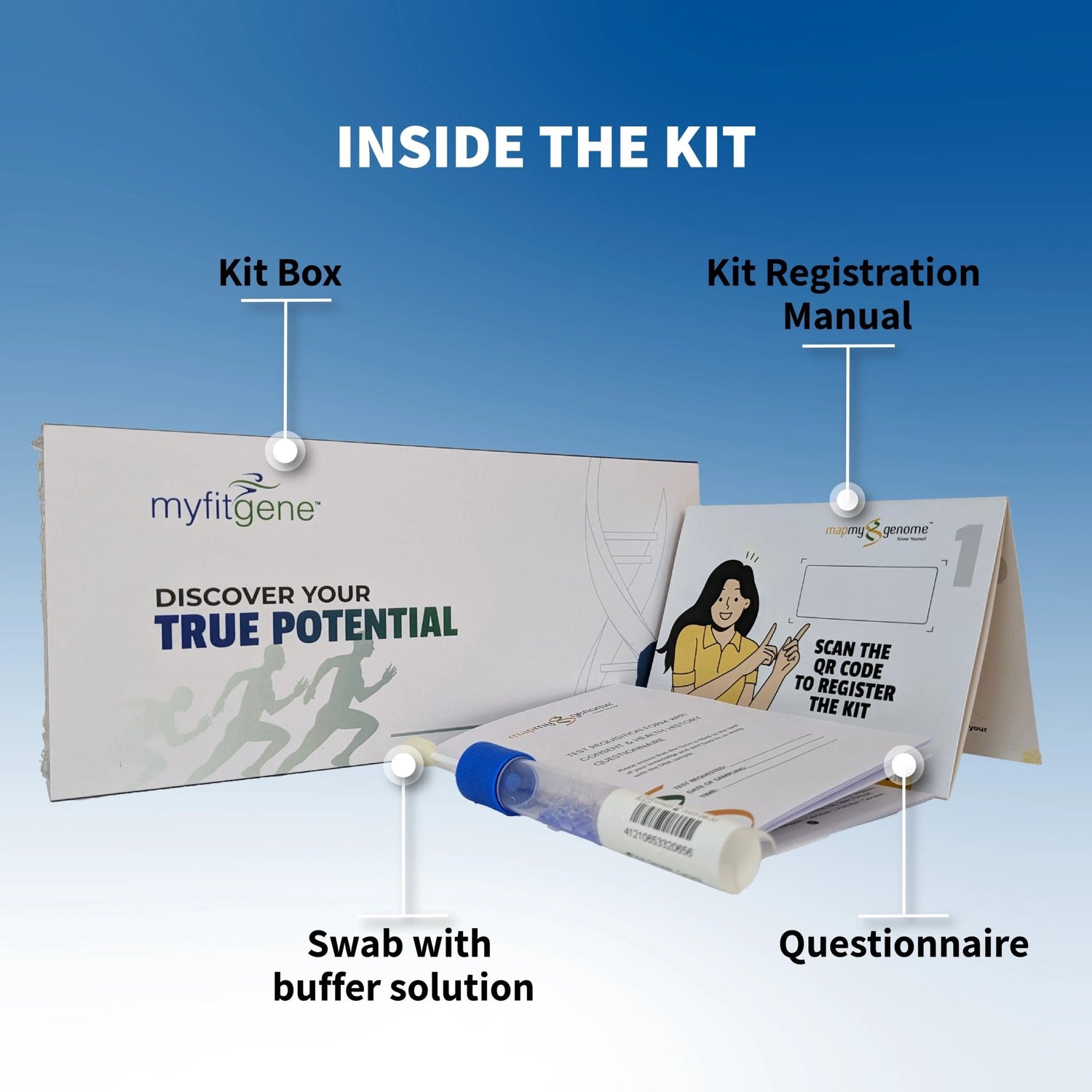
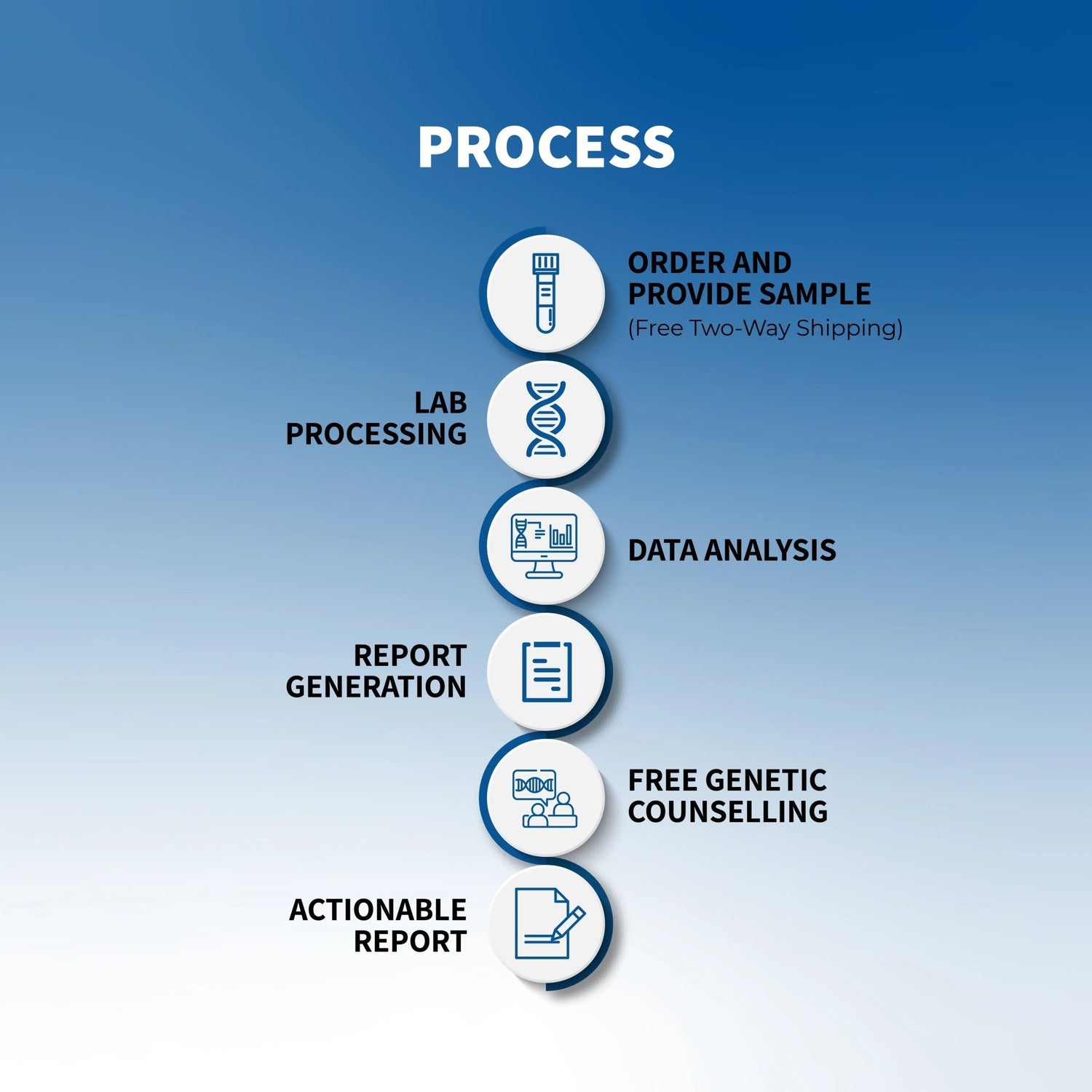
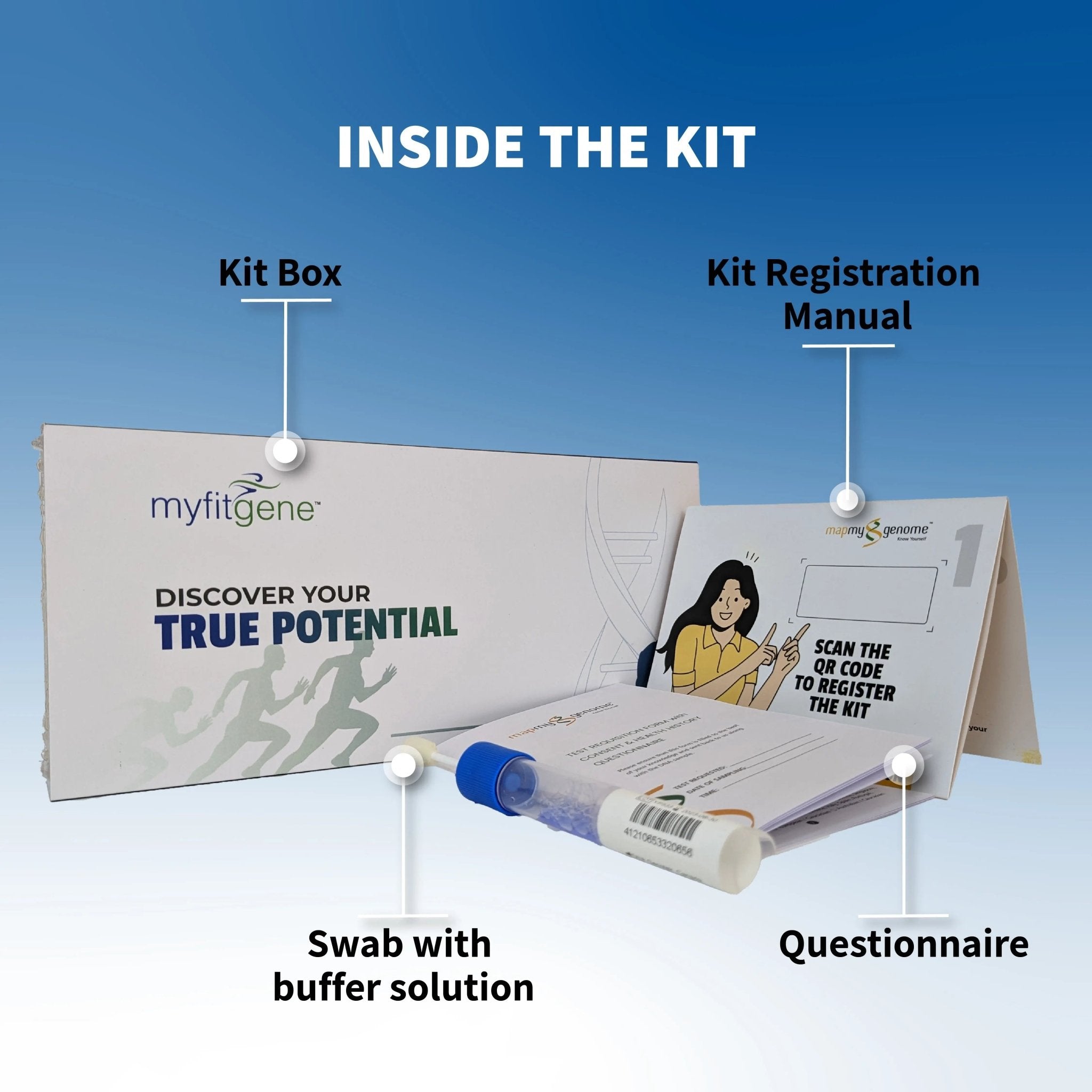
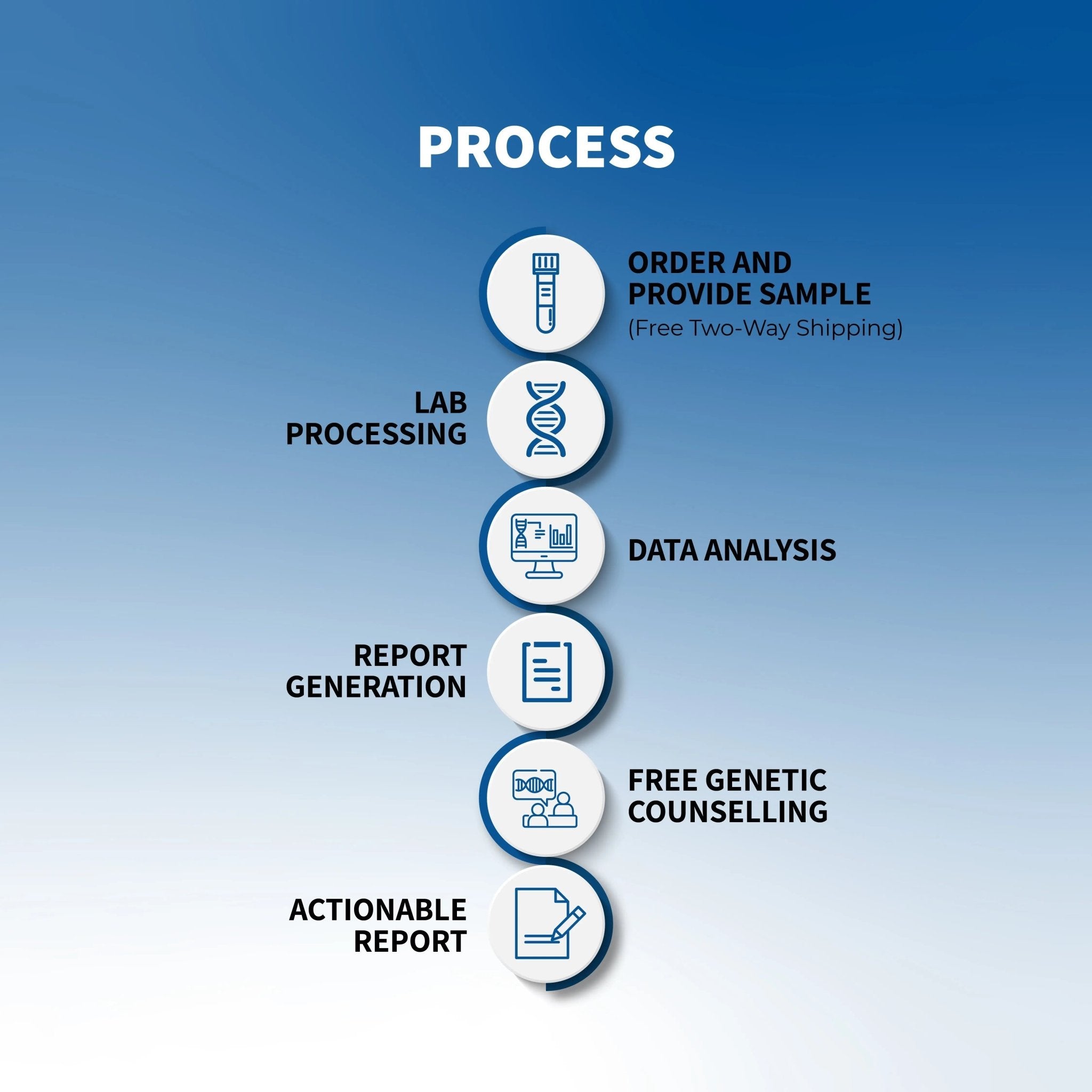
Genomepatri reveals your genetic fitness traits: muscle fibre composition, recovery speed, injury risk, optimal macronutrient ratios, and more — all from a simple at-home saliva sample.
⭐⭐⭐⭐⭐ Rated 4.97/5 by 143+ customers
→ Get Your Genomepatri DNA Report — Train and Eat for Your Genes
Stop following generic fitness advice. Start with what your DNA actually tells you.