

Managing Inflammatory Bowel Diseases
Inflammatory Bowel Disease (IBD) is a group of chronic conditions characterised by persistent inflammation of the gastrointestinal tract. It is not a single disease but a spectrum — with Ulcerative Colitis (UC) and Crohn’s Disease (CD) as the two major forms. IBD is a lifelong condition that significantly affects quality of life, and its incidence is rising rapidly in India and across Asia.
Types of Inflammatory Bowel Disease
Ulcerative Colitis (UC)
UC causes long-standing inflammation and ulcers in the rectum and large intestine. It is classified by the extent of colon involvement: ulcerative proctitis, proctosigmoiditis, left-sided colitis, pancolitis, and acute severe UC. UC causes superficial (mucosal) inflammation without granulomas, and affects only the large intestine.
Crohn’s Disease (CD)
CD can affect any part of the gastrointestinal tract — from the mouth to the anus — and causes transmural (full-thickness) inflammation with granulomas. It most commonly affects the terminal ileum and colon.
Risk Factors for IBD
Genetics — Family history is one of the strongest risk factors; first-degree relatives of IBD patients have a 10–25% lifetime risk
Age — Most commonly diagnosed between ages 15–35, with a second peak in the 50s–70s
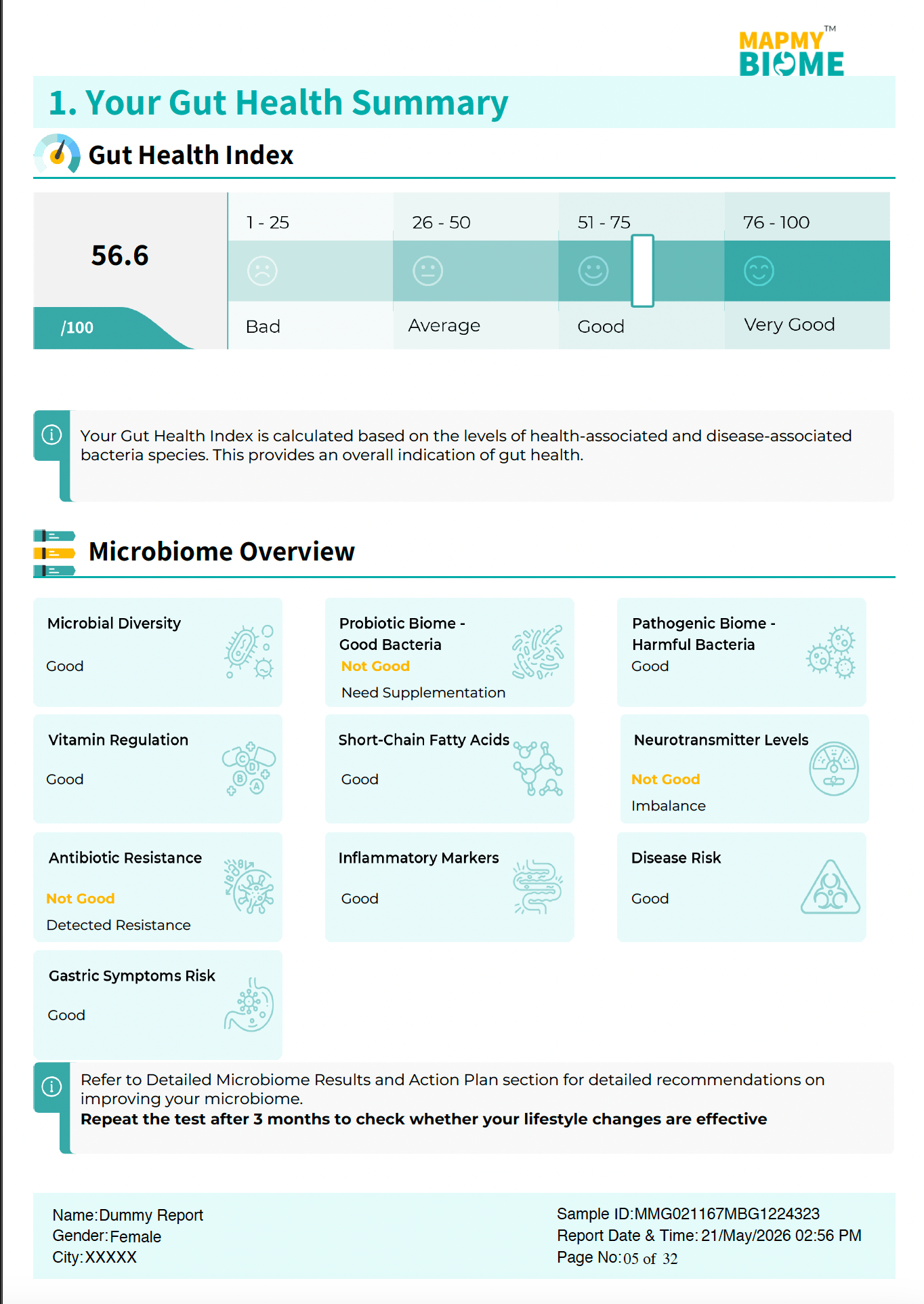
Gut microbiome — Dysbiosis (imbalance in gut bacteria) is strongly associated with IBD
Diet — High-fibre, vitamin D-rich, and vegetarian diets are associated with reduced IBD risk
Smoking — Increases risk of Crohn’s disease; paradoxically may be protective against UC
The Genetics of IBD
IBD has a significant genetic component — over 200 genetic loci have been associated with IBD risk through genome-wide association studies (GWAS). Key genes include NOD2, ATG16L1, and IL23R in Crohn’s Disease, and JAK2, CDH1, and IL10 in Ulcerative Colitis.
Management and Treatment
IBD is a chronic condition requiring long-term management. Treatment aims to induce and maintain remission, prevent complications, and improve quality of life. Options include aminosalicylates (5-ASA), corticosteroids for acute flares, immunomodulators, biologics (anti-TNF agents, anti-integrins), and surgery for complications or medically refractory disease.
Diet plays an important supportive role. Foods rich in soluble fibre, vitamin D, potassium, and zinc have shown positive effects in CD. A vegetarian diet has shown positive effects in UC. Probiotic supplementation and gut microbiome support are areas of active research.
FAQs
Is IBD the same as IBS?
No. Irritable Bowel Syndrome (IBS) is a functional disorder — it causes symptoms without visible inflammation or structural damage. IBD involves actual inflammation and tissue damage in the gut, and carries a risk of serious complications including cancer.
Can IBD be cured?
Currently, there is no cure for IBD. However, with appropriate treatment, most patients can achieve and maintain remission and lead full, active lives.
Know Your Genetic IBD Risk
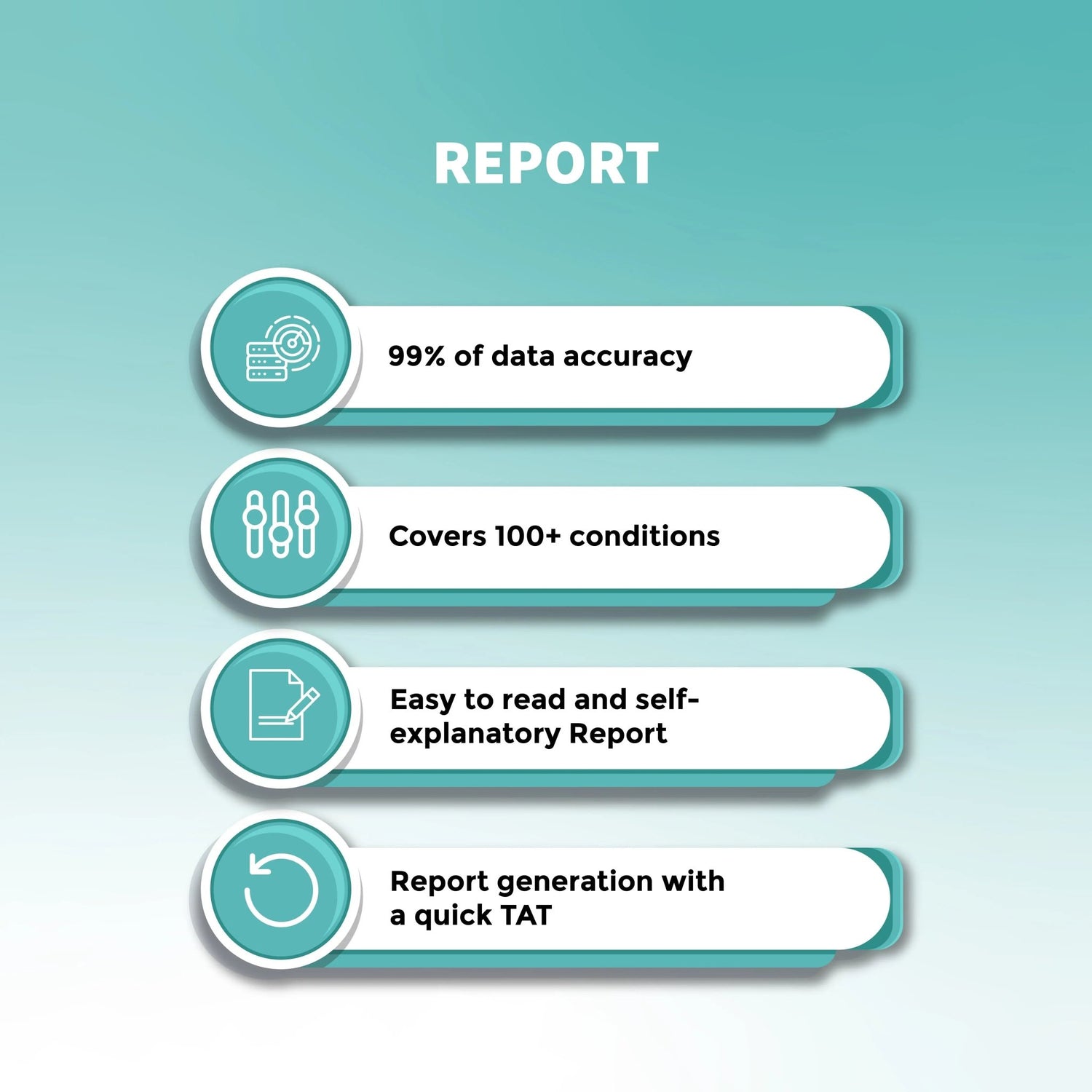
Genomepatri by MapmyGenome includes genetic predisposition insights for inflammatory bowel disease and 100+ other health conditions. Pair it with MapmyBiome to understand how your gut microbiome is influencing your IBD risk and overall gut health.