

Of Strokes, Migraines, Dementia: A Story of CADASIL
In 1977, a unique condition was reported in multiple members of a family — characterised by multiple strokes and neuropsychiatric symptoms in young adults of both sexes. It would soon be identified as CADASIL: Cerebral Autosomal Dominant Arteriopathy with Subcortical Infarcts and Leukoencephalopathy.
Exactly 40 years since its first description, CADASIL is the most frequent, yet under-diagnosed, cause of genetic stroke and vascular dementia.
Clinical Features of CADASIL
Migraine with aura (seen in 30–40% of CADASIL patients)
Recurrent stroke in mid-adulthood (approximately 75% of CADASIL patients have had at least one stroke or TIA between 40 and 50 years of age)
Mood disturbances (observed in 1 in 5 patients)
Cognitive decline and dementia
Diffuse white matter lesions and subcortical infarcts on neuroimaging
Why CADASIL Is Missed
About 1 in 10 patients who get a stroke before they are 50 years old likely have CADASIL. CADASIL must be considered in any patient with stroke, migraine with or without aura, multiple abnormalities on neuroimaging, or progressive dementia. Importantly, young patients with CADASIL may be misdiagnosed as having multiple sclerosis after a first clinical event.
NOTCH3 mutations are very common in populations of South Asia, with an incidence of 1.17% — meaning at least 1 in every 100 South Asians has a NOTCH3 mutation known to cause this serious, yet often missed, genetic condition.
The Role of Genetic Testing
The only gene known to cause CADASIL is the NOTCH3 gene. A NOTCH3 mutation is required for diagnosis. Genetic testing for CADASIL is key in the accurate diagnosis and effective management of patients. Furthermore, genetics can help identify at-risk, asymptomatic family members before they have strokes.
Controllable risk factors that patients can address once diagnosed include hypertension, diabetes, hypercholesterolaemia, obesity, smoking, lack of exercise, insufficient fluid intake, and unhealthy dietary choices.
Treatment Considerations
Anticoagulant therapy is considered risky because of the possibility of intracranial haemorrhages
Aspirin is a good choice for primary prevention
Vasoconstrictors typically used in migraine with aura are not recommended — NSAIDs and analgesics are recommended as first-line treatment
Women may be advised to stop using the contraceptive pill or switch to a preparation with lower oestrogen content
Genetic Testing for Hereditary Stroke and Neurological Conditions
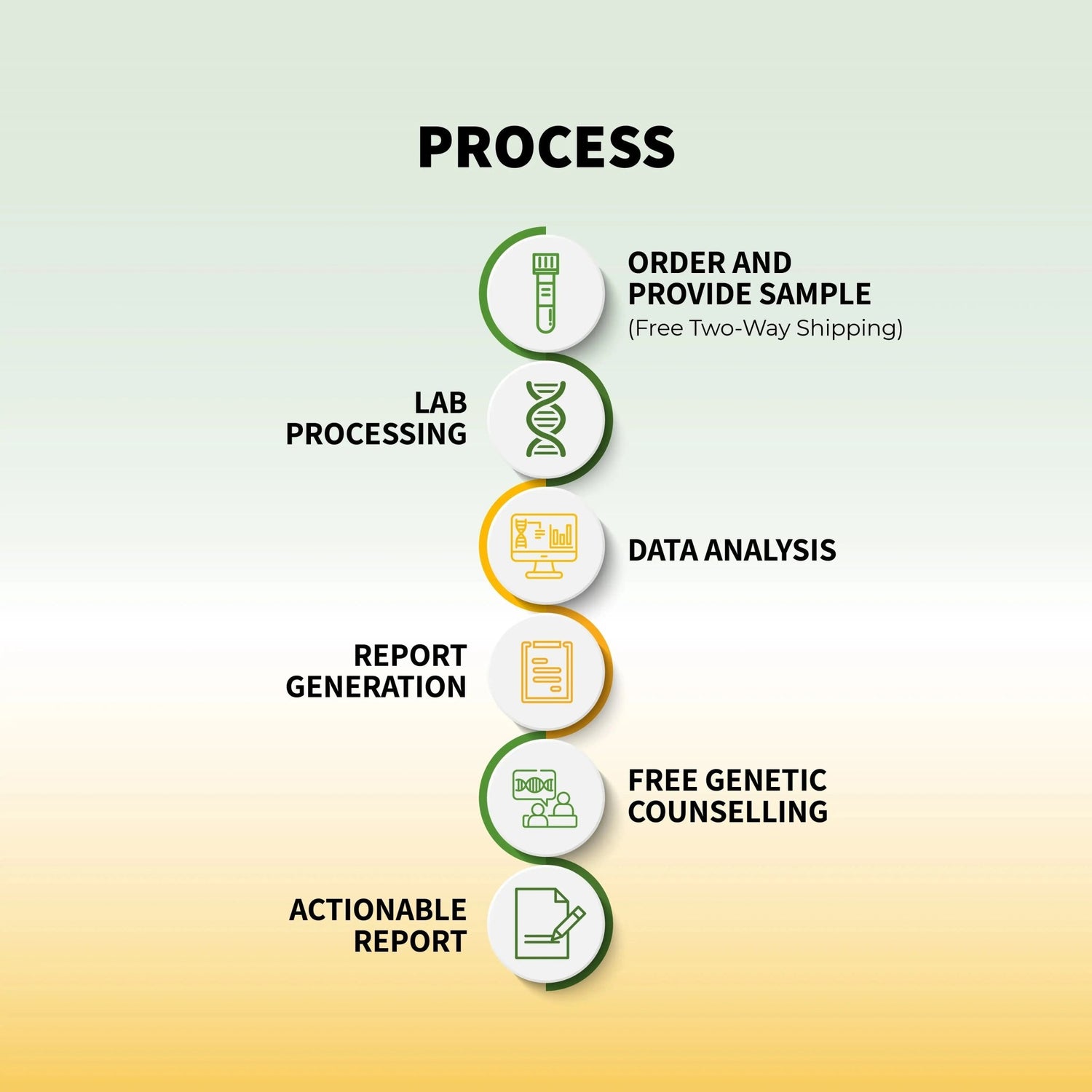
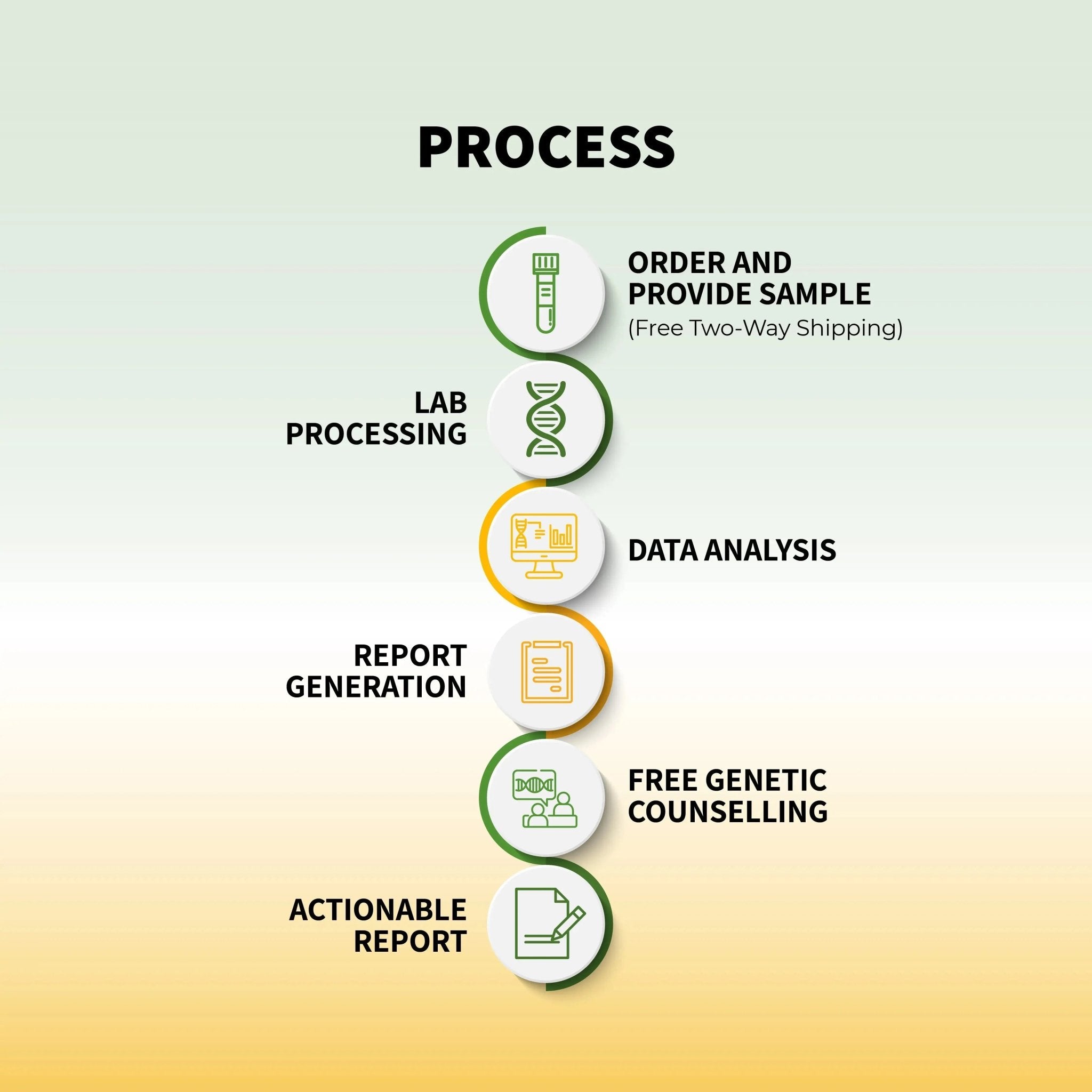
MapmyGenome offers Whole Exome Sequencing and certified genetic counselling for families navigating hereditary neurological conditions including CADASIL — helping patients and their families get accurate diagnoses and informed management plans.