

Oh! Those Variants — A Primer on Mutations, Variants, and Sequencing
As COVID-19 variants like Delta and Omicron dominated headlines, terms like “mutation,” “variant,” and “sequencing” entered everyday conversation. But what do these terms actually mean? Here is a clear, science-based primer.
What Is a Mutation?
A mutation is a change in the DNA (or RNA, in the case of viruses like SARS-CoV-2) sequence. Mutations happen naturally during replication — when a cell or virus copies its genetic material, errors can occur. Most mutations are harmless or even beneficial; some are neutral; and a small number can change how a virus behaves — affecting its transmissibility, severity, or ability to evade immunity.
What Is a Variant?
A variant is a version of a virus (or gene) that differs from the original reference sequence due to one or more mutations. In the context of COVID-19, variants of concern (VOCs) like Alpha, Delta, and Omicron were identified because they had mutations that made them more transmissible, more severe, or better able to evade immune responses from prior infection or vaccination.
What Is Sequencing?
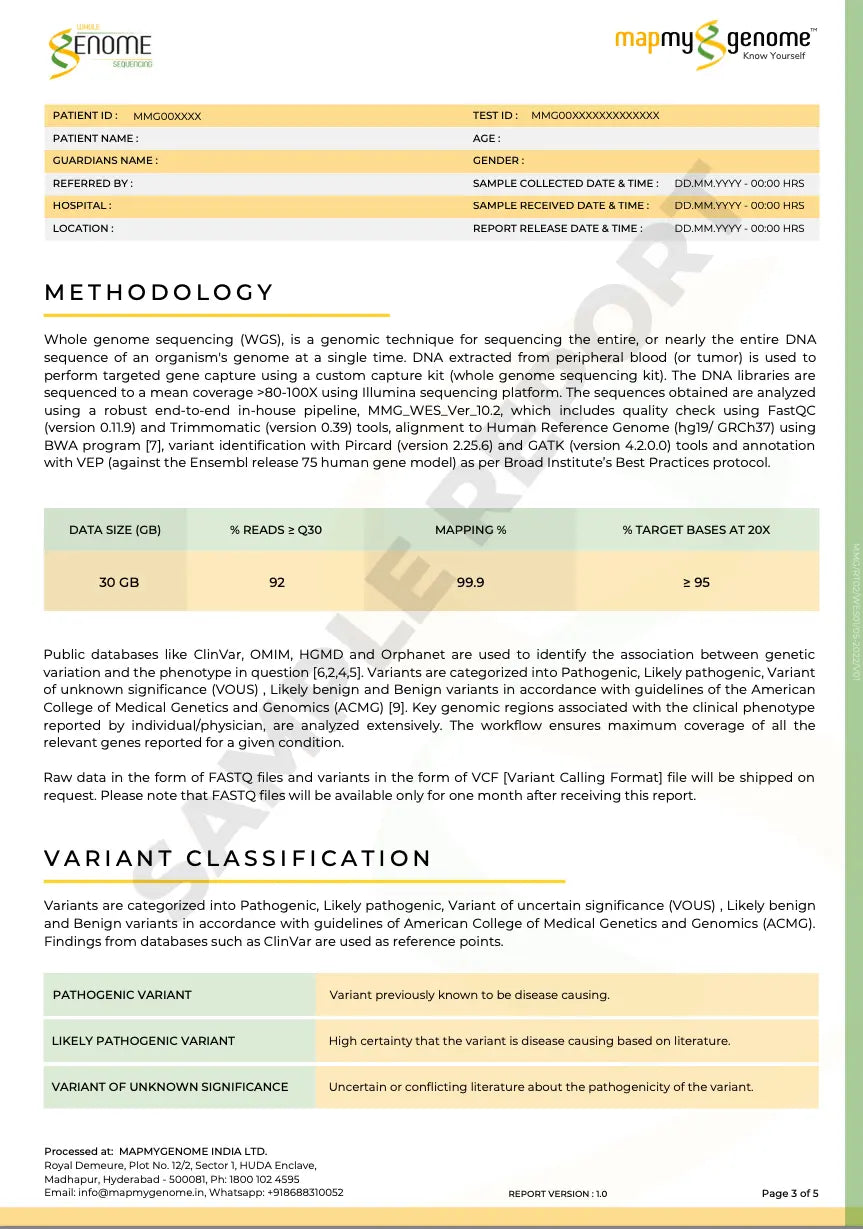
Genomic sequencing is the process of reading the complete genetic code of a virus or organism. For COVID-19, sequencing allowed scientists to identify new variants, track their spread, understand their mutations, and develop updated vaccines and treatments. India’s INSACOG (Indian SARS-CoV-2 Genomics Consortium) was established to coordinate COVID-19 genomic surveillance across the country.
Variants in Human Genetics
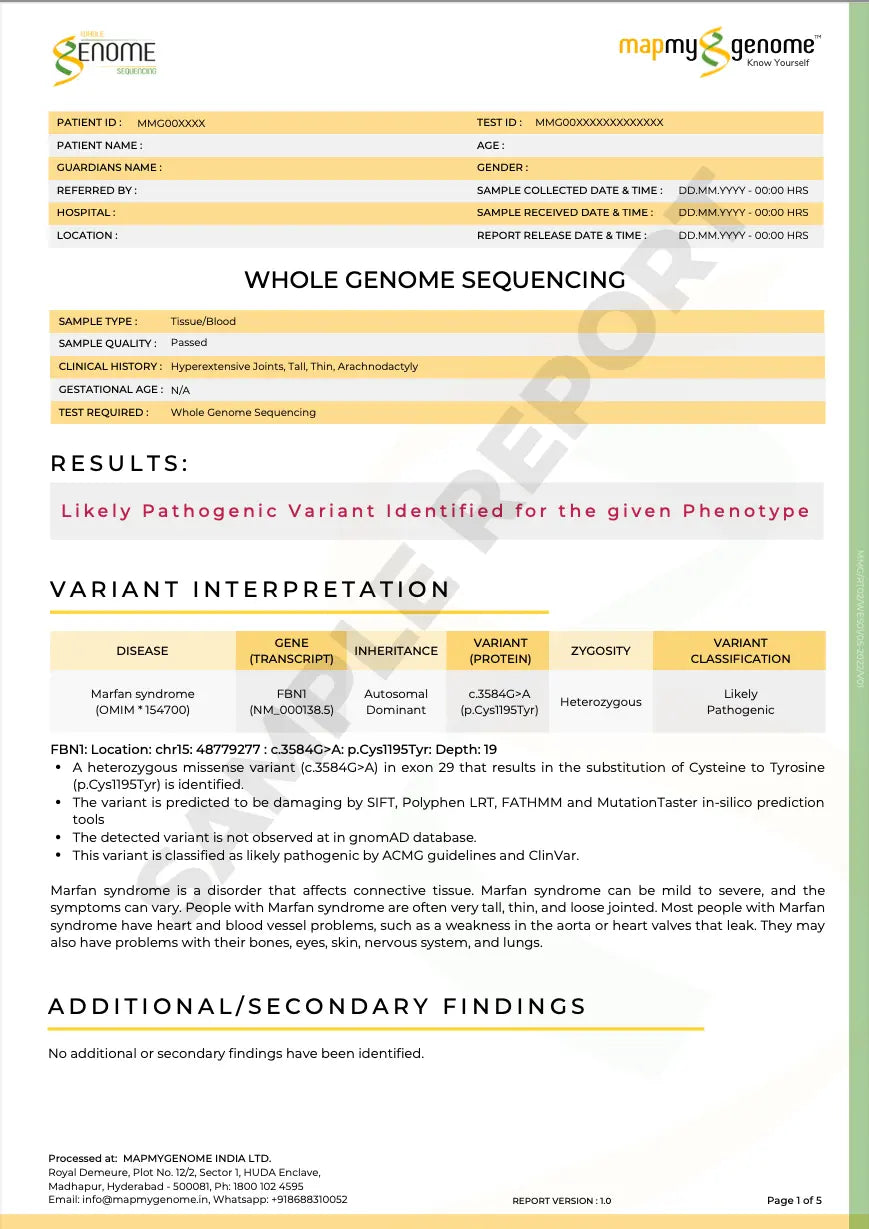
The same concepts apply to human genetics. Single Nucleotide Polymorphisms (SNPs) — single-letter changes in the DNA sequence — are the most common type of genetic variant in humans. SNPs influence everything from disease risk and drug response to physical traits and ancestry. Understanding your genetic variants is the foundation of personalised medicine.
Explore Your Own Genetic Variants
Genomepatri by MapmyGenome analyses hundreds of thousands of genetic variants across your genome — covering 100+ health conditions, nutrition, fitness, ancestry, and drug response traits. Backed by certified genetic counsellors and a CAP & NABL-accredited laboratory.