

In today’s fast-paced world, healthcare is increasingly shifting from reactive treatment to proactive prevention. One of the most powerful tools in this preventive approach is genetic testing. By analysing an individual’s DNA, genetic testing can provide invaluable insights into their risk of developing certain diseases, allowing for early intervention and personalised healthcare strategies.
Understanding Preventive Healthcare
Preventive healthcare is a strategy focused on maintaining health and well-being by preventing diseases before they occur. This approach includes regular check-ups, vaccinations, screenings, and lifestyle modifications to reduce the risk of chronic conditions such as heart disease, diabetes, and cancer. Advancements in genetic research are paving the way for more personalised preventive strategies.
The Evolution of Preventive Healthcare: Historically, preventive healthcare relied on a one-size-fits-all model based on age, gender, and family history. Genetic testing adds a new dimension by providing insights tailored to each person’s unique genetic makeup.
What is Genetic Testing? Genetic testing involves analysing DNA to identify variations or mutations that may increase the risk of certain diseases — such as BRCA1 and BRCA2 for breast and ovarian cancer, or the APC gene for familial adenomatous polyposis. By understanding these risks, individuals can take proactive measures to prevent or detect diseases early.
The Benefits of Genetic Testing in Preventive Healthcare
Early Detection of Genetic Disorders: Genetic testing can detect predispositions to certain diseases long before symptoms appear. For example, if a test reveals a BRCA1 mutation, the individual can undergo more frequent screenings, adopt lifestyle changes, or consider preventive surgeries to reduce their risk.
Personalised Medicine: By understanding a patient’s genetic profile, healthcare providers can recommend targeted prevention strategies — specific medications, lifestyle modifications, or surveillance programmes. For instance, individuals with a genetic predisposition to high cholesterol may benefit from early statin therapy and dietary changes.
Informed Family Planning: Genetic testing can identify carriers of genetic mutations that could be passed on to future generations. For couples planning to have children, testing can assess the risk of inherited conditions such as cystic fibrosis, sickle cell anaemia, or Tay-Sachs disease.
Empowerment and Peace of Mind: Knowledge is power. Those who test negative for certain genetic mutations can be reassured about their risk levels. Those who test positive can take control of their health by developing a proactive monitoring and prevention plan.
How Genetic Testing Works
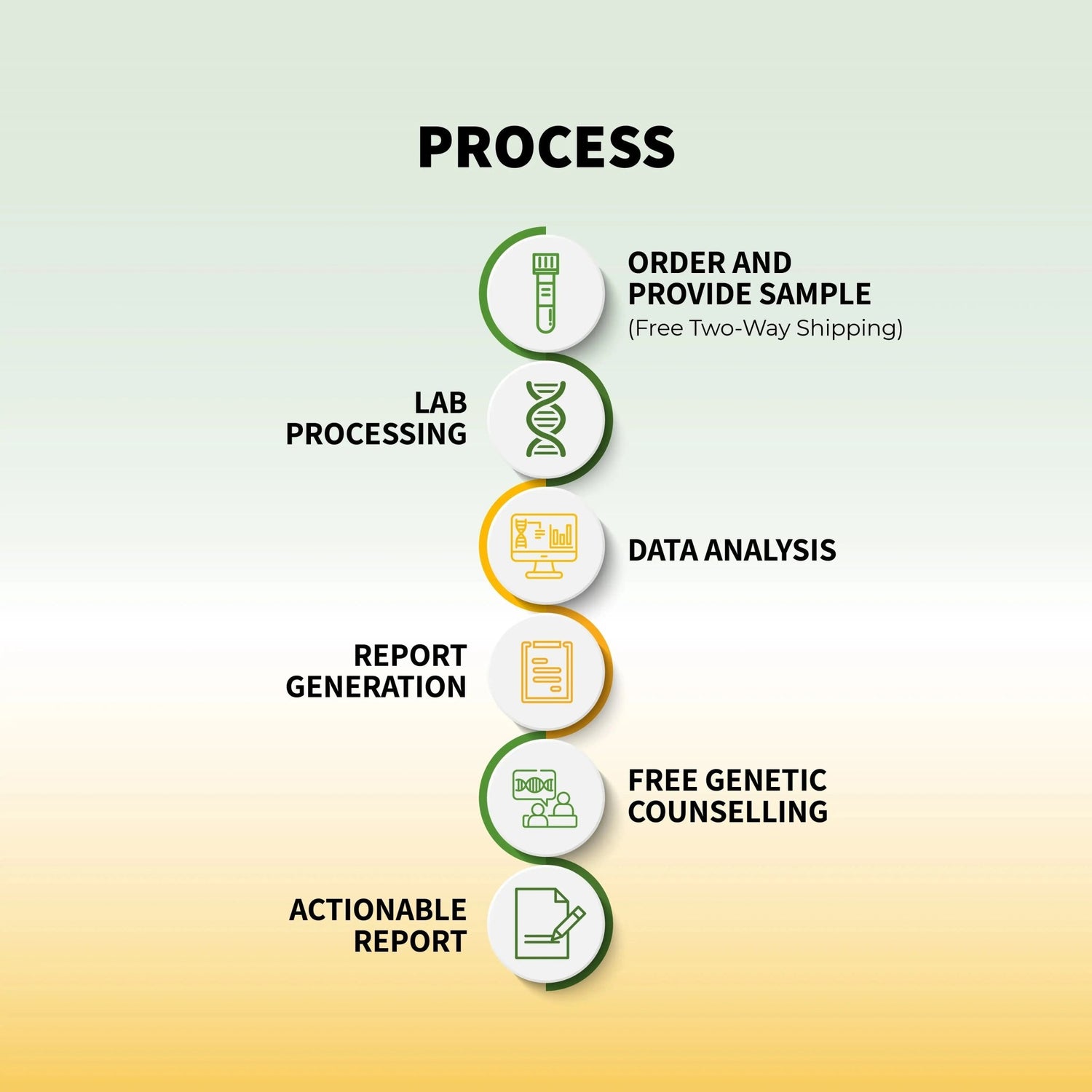
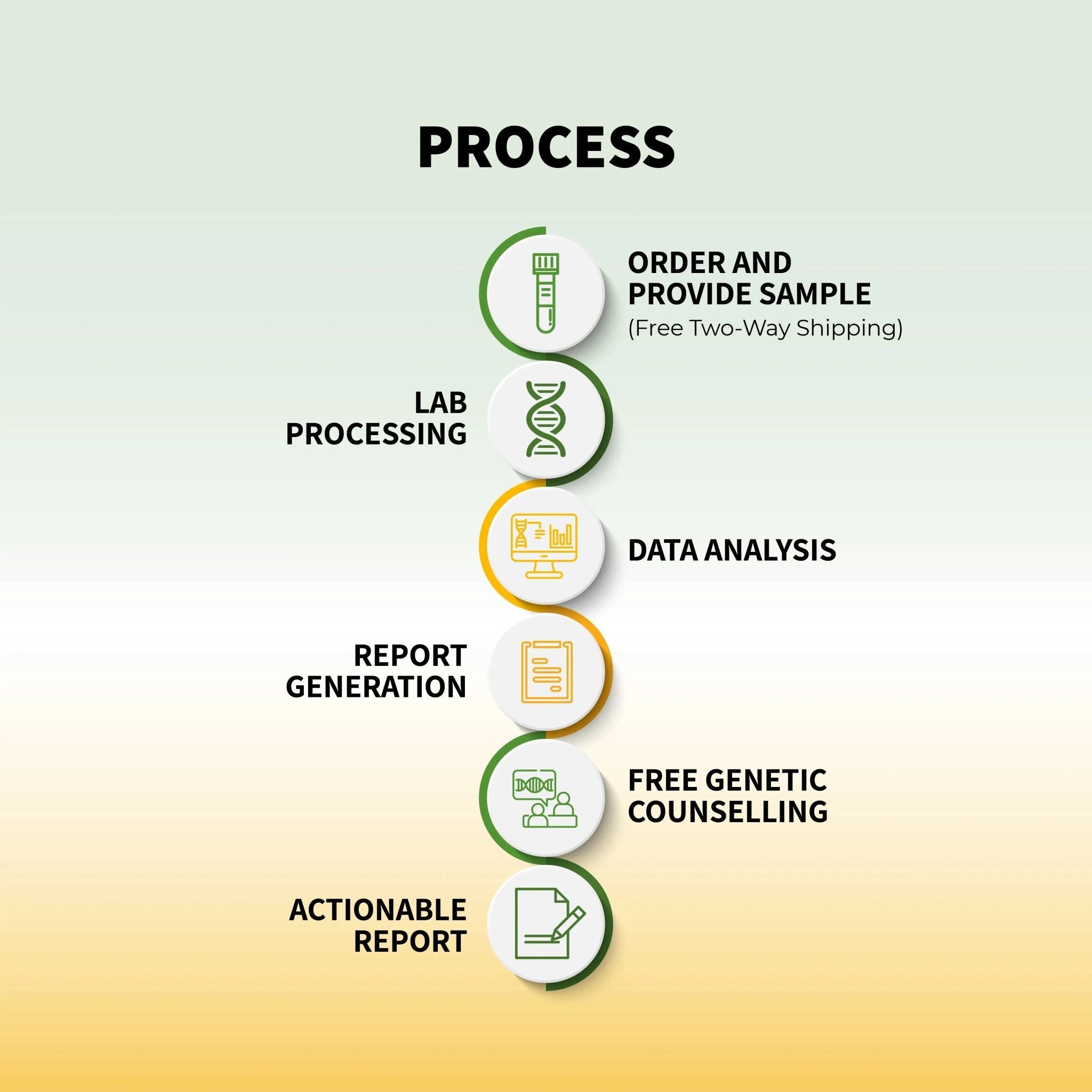
- Consultation: Start with a genetic counsellor who will discuss your family history, personal health concerns, and the potential benefits of testing.
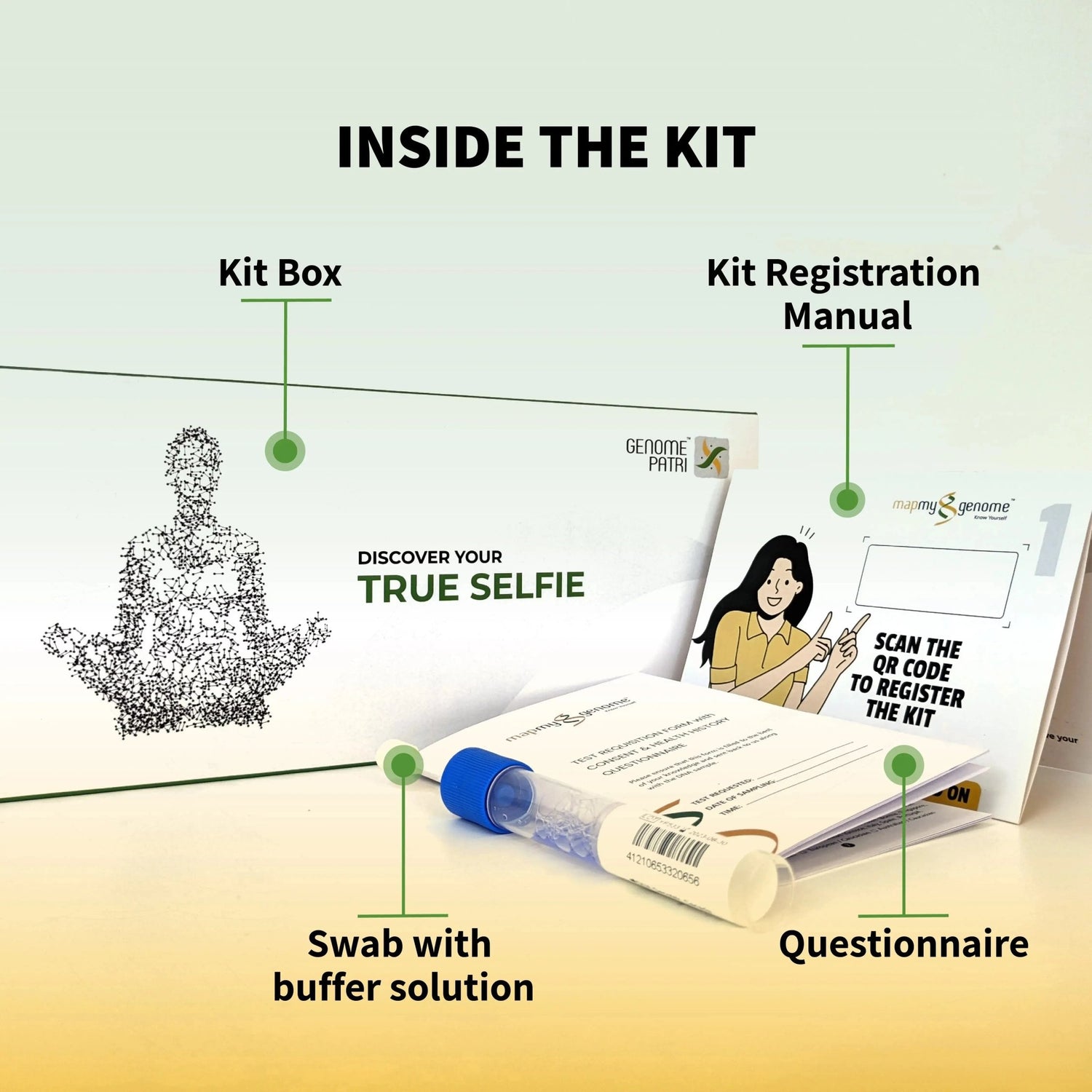
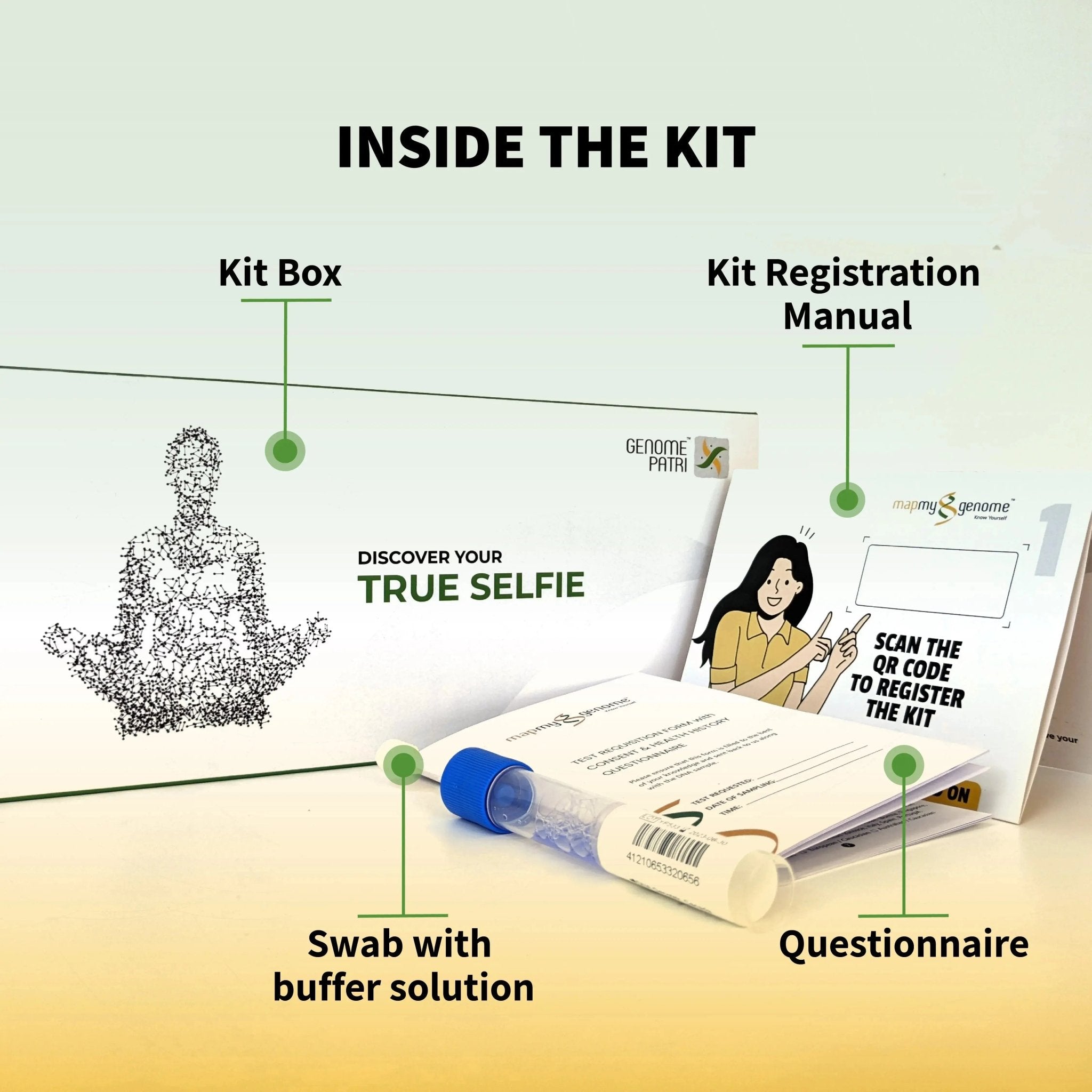
- Sample Collection: A simple saliva swab, blood draw, or cheek swab is used to collect your DNA sample.
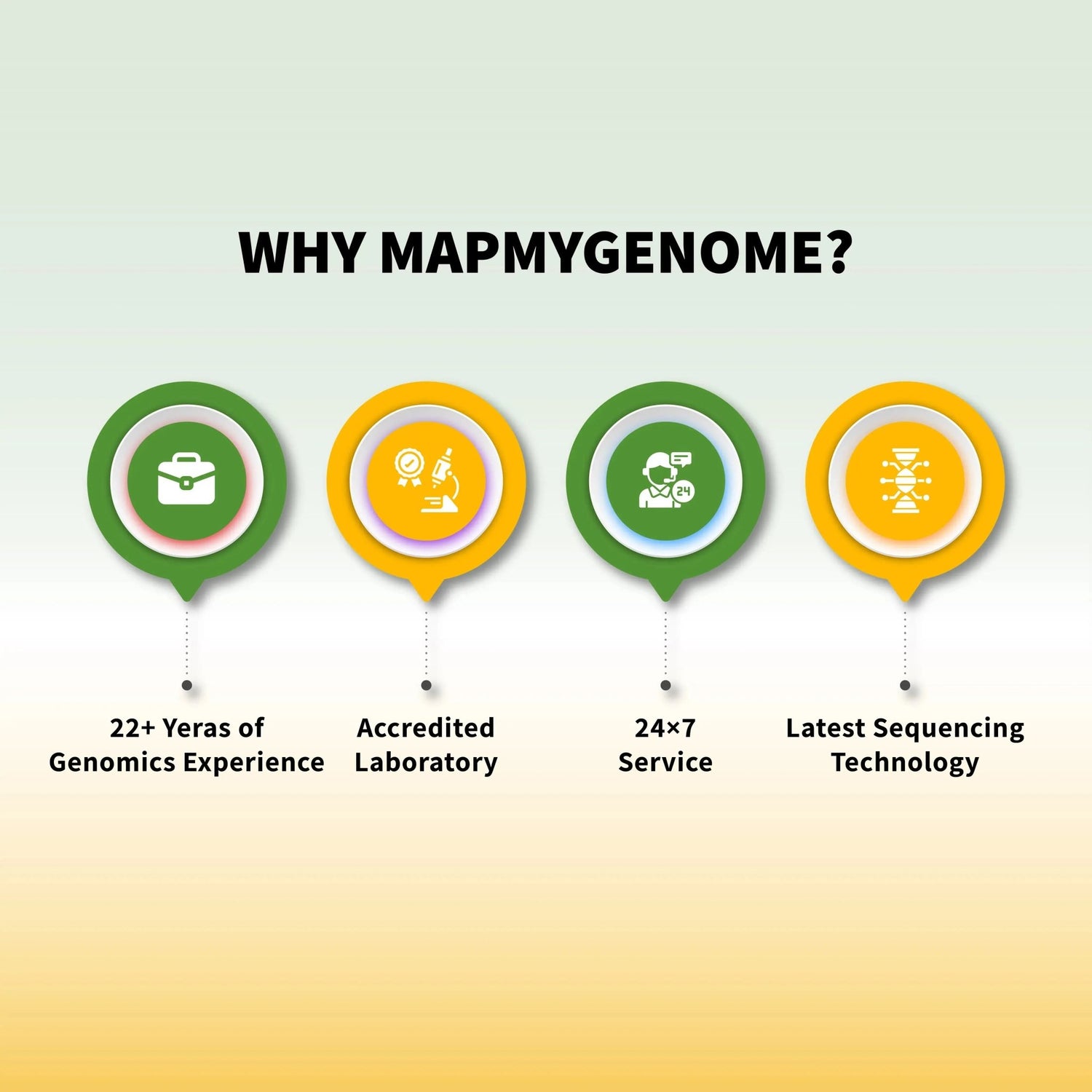
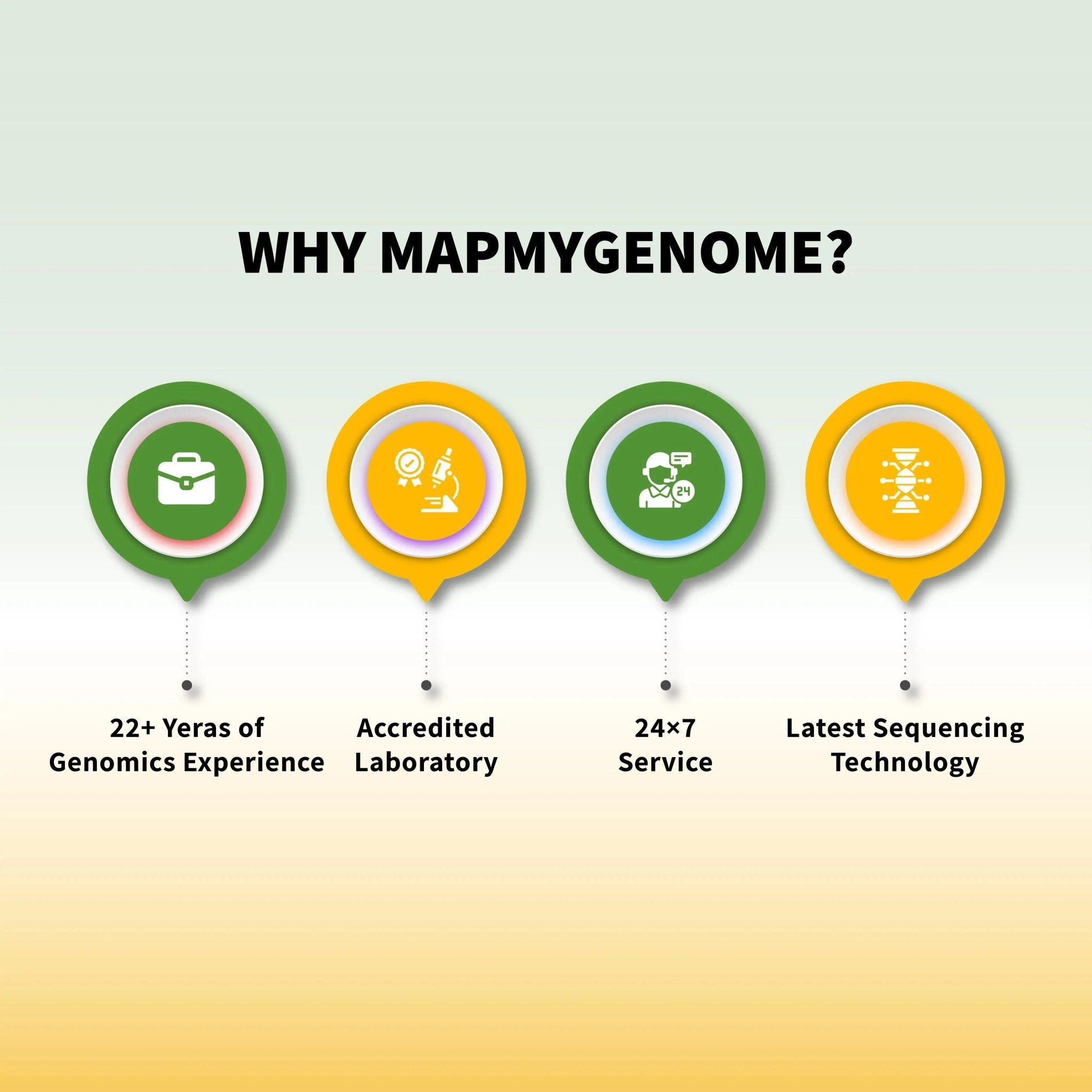
- DNA Analysis: Your DNA is analysed in a NABL & CAP accredited laboratory to identify specific genetic mutations or variations.
- Results and Interpretation: Your genetic counsellor explains the findings and recommends any necessary preventive measures or further testing.
- Follow-Up: Based on the results, a personalised preventive plan is implemented — including lifestyle changes, regular screenings, or medications.
Ethical Considerations and Limitations
- Privacy and Data Security: Choose a reputable provider that adheres to strict privacy and security standards to protect your genetic information.
- Interpretation of Results: Not all genetic mutations are fully understood. Genetic counselling is essential to help individuals understand and act on their results.
- Cost and Accessibility: The cost of genetic testing can be a barrier for some individuals. Ensuring equitable access to genetic testing is crucial for its widespread adoption.
Conclusion
Preventive healthcare is about taking control of your health before problems arise, and genetic testing is a powerful tool in this proactive approach. By understanding your genetic risks, you can work with your healthcare provider to develop a personalised plan that addresses potential health issues before they become serious.
Take the First Step in Preventive Healthcare
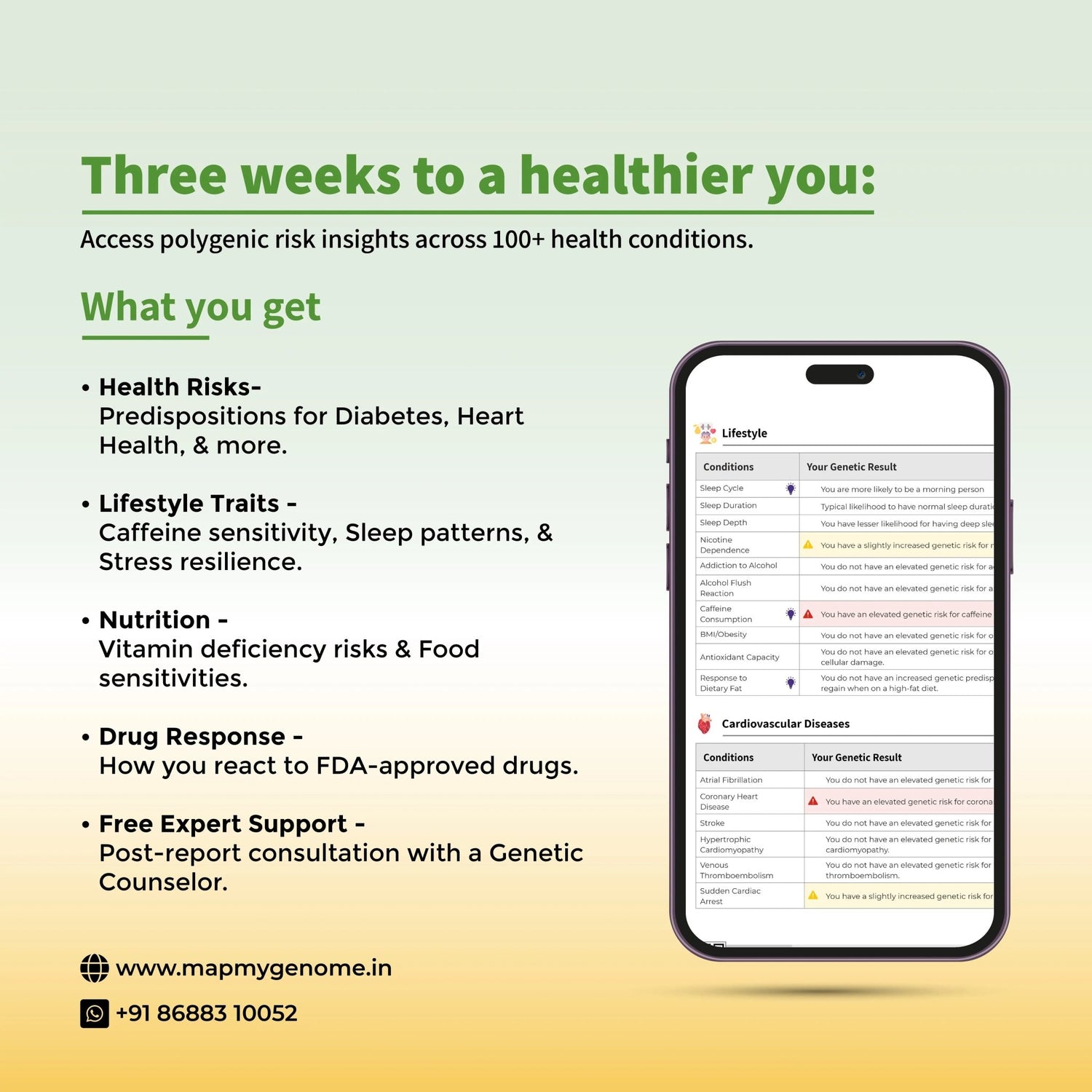
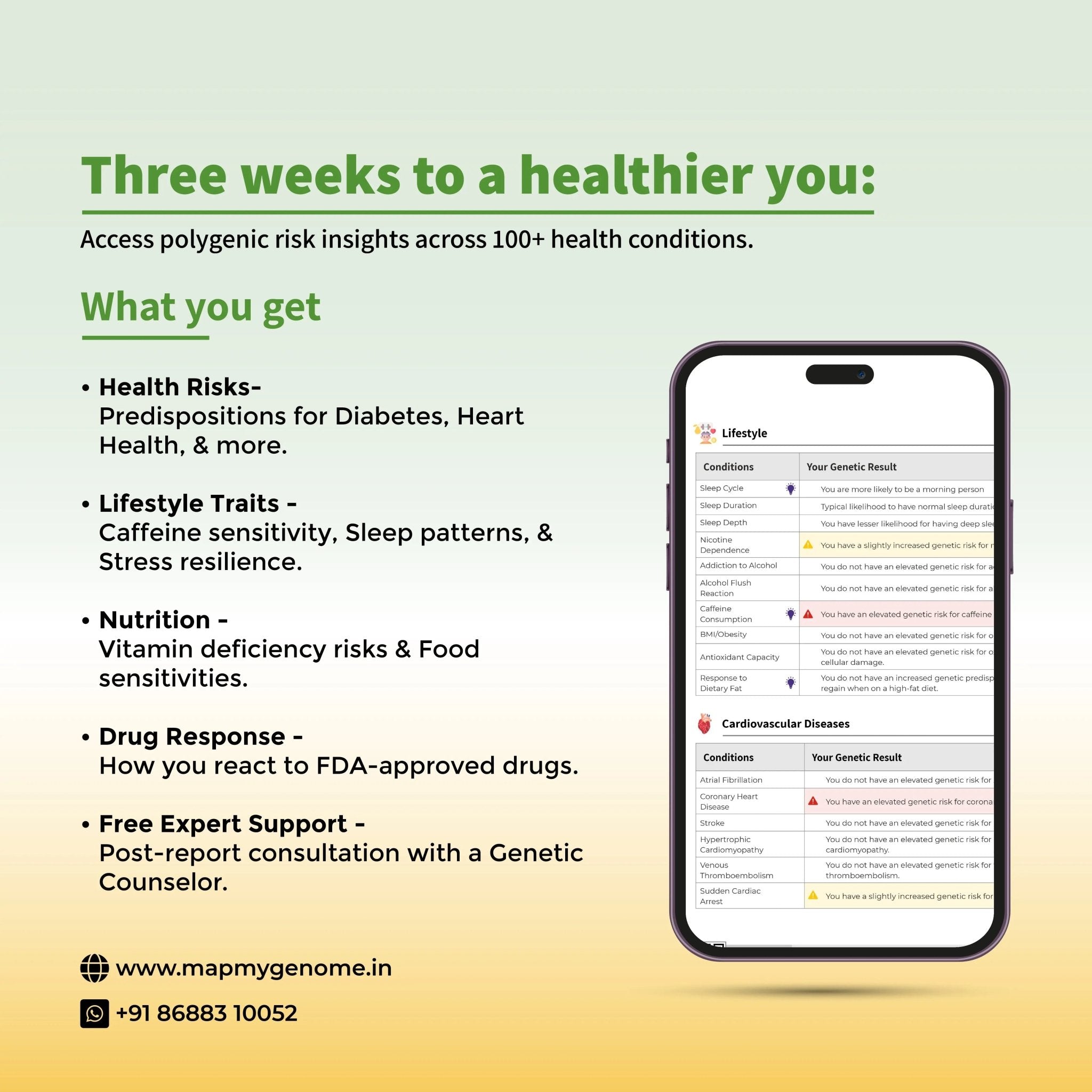
Genomepatri by MapmyGenome screens 100+ health conditions — from cardiovascular risk and cancer predisposition to diabetes and drug response — in a single at-home saliva test. NABL & CAP accredited. Genetic counselling included.