

Sleep is one of the most fundamental pillars of health — and insomnia is one of the most common conditions undermining it. If you're lying awake at night, waking too early, or feeling unrefreshed despite hours in bed, you're not alone. Insomnia affects an estimated 30% of adults globally, and in India, the prevalence is rising rapidly alongside urbanization and lifestyle changes.
What Is Insomnia?
Insomnia is a sleep disorder characterized by persistent difficulty falling asleep, staying asleep, or achieving restorative sleep — despite adequate opportunity and circumstances for sleep. It's not just about the number of hours you sleep; it's about the quality and restorative value of that sleep.
Types of Insomnia
- Acute insomnia — Short-term, often triggered by a specific stressor (exam, job change, bereavement). Usually resolves on its own within days to weeks.
- Chronic insomnia — Occurs at least 3 nights per week for 3 months or more. Requires active treatment.
- Onset insomnia — Difficulty falling asleep at the beginning of the night.
- Maintenance insomnia — Difficulty staying asleep, with frequent night wakings.
- Early morning awakening — Waking significantly earlier than desired and being unable to return to sleep.
Common Causes of Insomnia
- Stress and anxiety — The most common trigger; an overactive stress response keeps the brain in alert mode
- Poor sleep hygiene — Irregular sleep schedules, screen exposure before bed, caffeine late in the day
- Medical conditions — Chronic pain, sleep apnea, restless legs syndrome, thyroid disorders
- Medications — Certain antidepressants, blood pressure medications, and stimulants can disrupt sleep
- Genetics — Sleep traits including chronotype (morning vs. evening preference), sleep duration needs, and insomnia susceptibility all have significant genetic components
- Shift work and jet lag — Disruption of the circadian rhythm
Treatment Options
Cognitive Behavioural Therapy for Insomnia (CBT-I)
The gold standard treatment for chronic insomnia. CBT-I addresses the thoughts and behaviours that perpetuate insomnia — including sleep restriction therapy, stimulus control, and cognitive restructuring. More effective than sleep medications in the long term.
Sleep Hygiene Improvements
- Maintain a consistent sleep and wake time — even on weekends
- Avoid screens for 60 minutes before bed
- Keep your bedroom cool, dark, and quiet
- Limit caffeine after 2 PM
- Avoid alcohol — it disrupts sleep architecture despite inducing drowsiness
Natural Remedies
Magnesium glycinate, L-theanine, and ashwagandha have evidence for supporting sleep quality. Melatonin is most effective for circadian rhythm disruption (jet lag, shift work) rather than primary insomnia.
Medications
Short-term use of sleep medications may be appropriate in some cases. Pharmacogenomic testing can identify which sleep medications are most likely to be effective and safe for your genetic profile.
The Genetic Component of Sleep
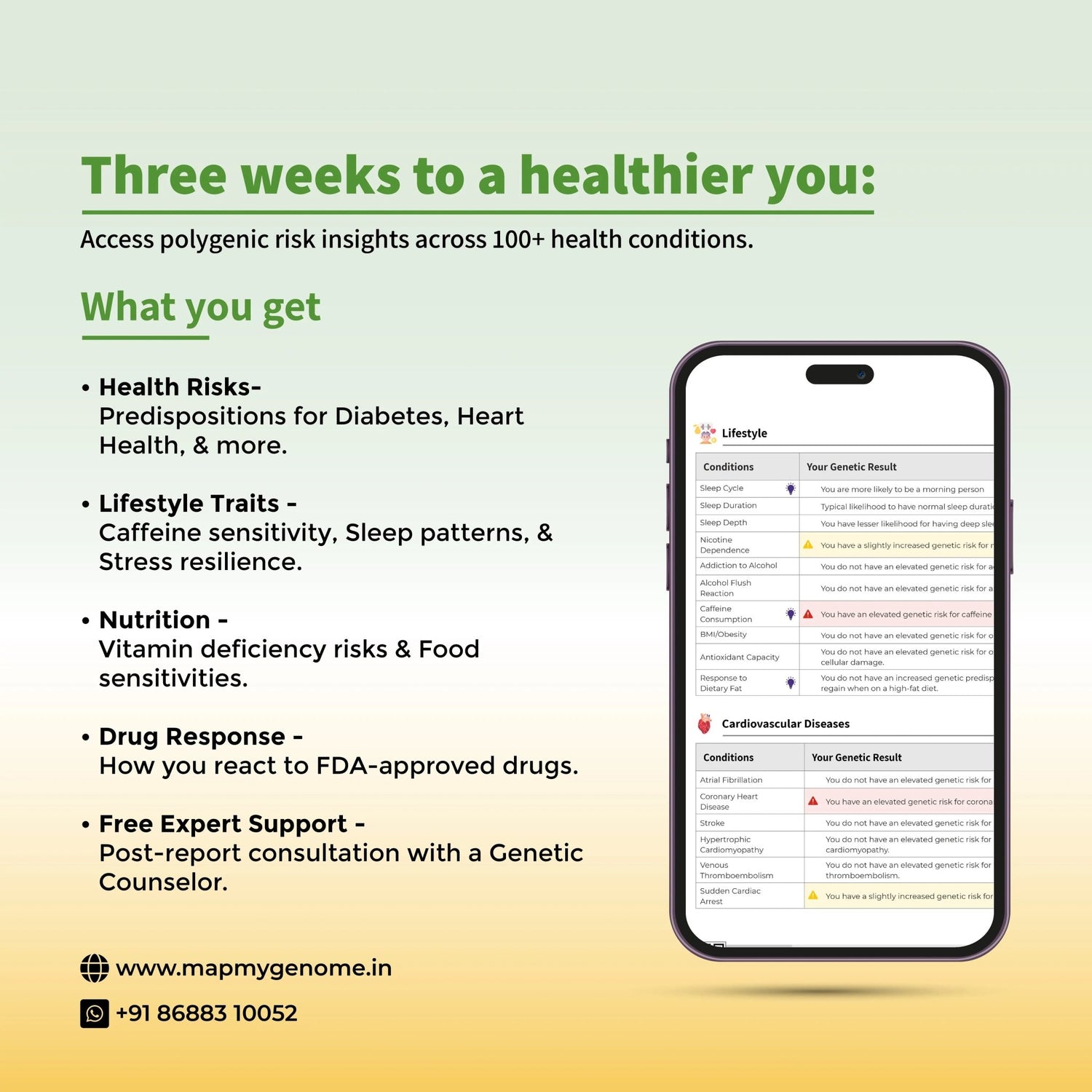
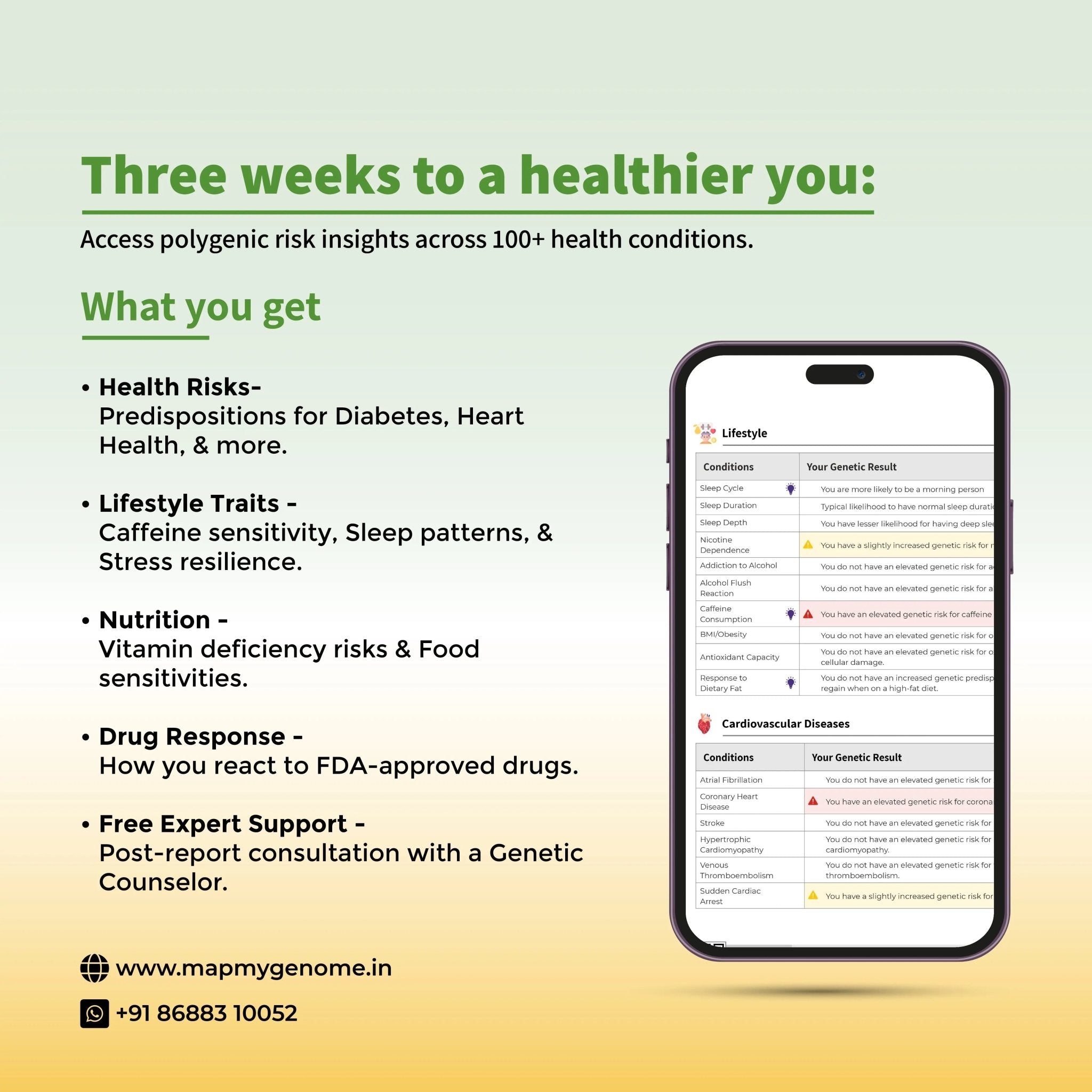
Your chronotype (whether you're naturally a morning person or night owl), your sleep duration needs, and your susceptibility to insomnia all have significant genetic components. Understanding your genetic sleep profile can help you work with your biology rather than against it.
FAQs
How many hours of sleep do I actually need?
Most adults need 7–9 hours, but genetic variation means some people function optimally on 6 hours while others need 9+. Your genetic sleep profile can help identify your personal optimal sleep duration.
Is insomnia a mental health condition?
Insomnia has both psychological and physiological components. It frequently co-occurs with anxiety and depression, and the relationship is bidirectional — insomnia worsens mental health, and mental health conditions worsen insomnia.
Understand Your Genetic Sleep Profile
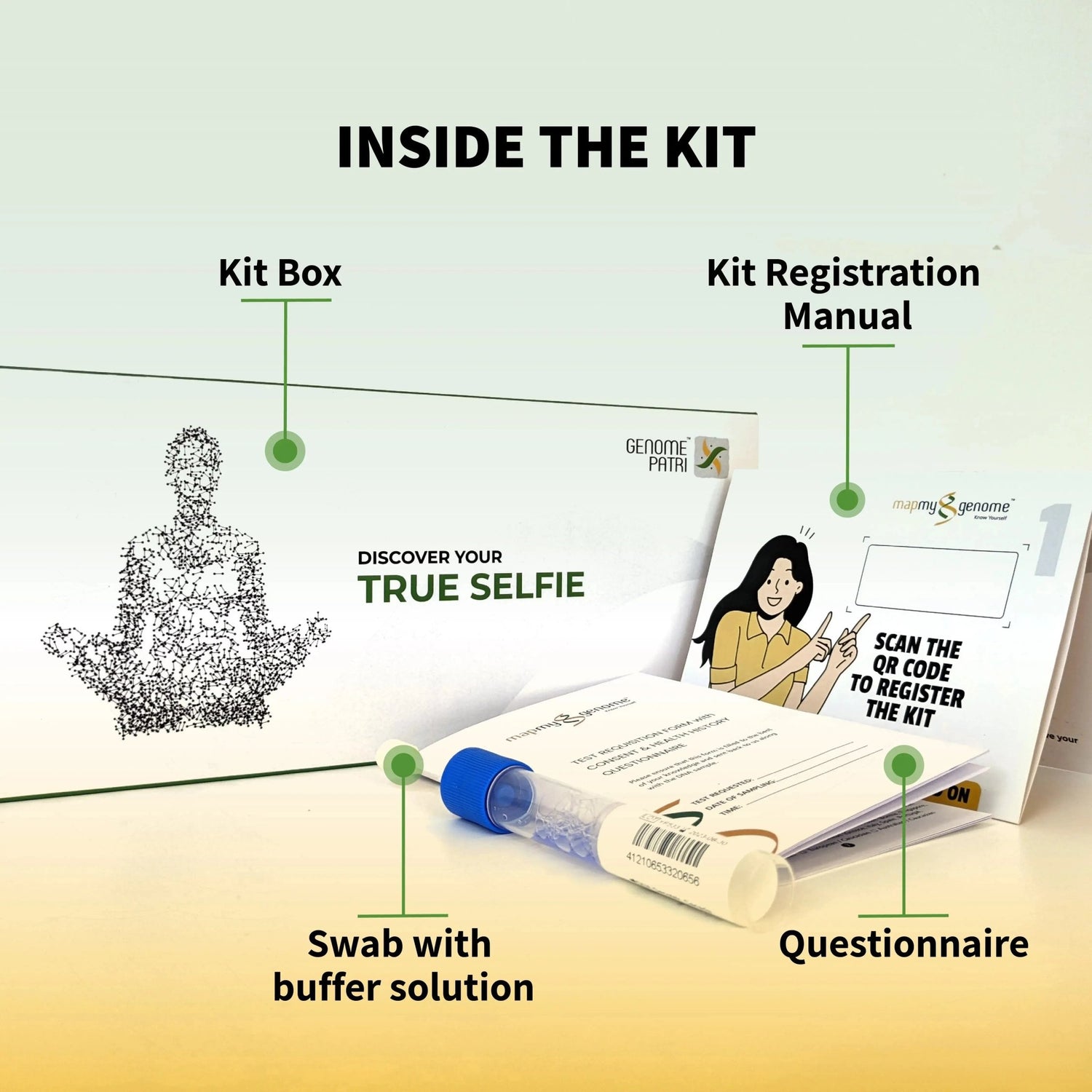
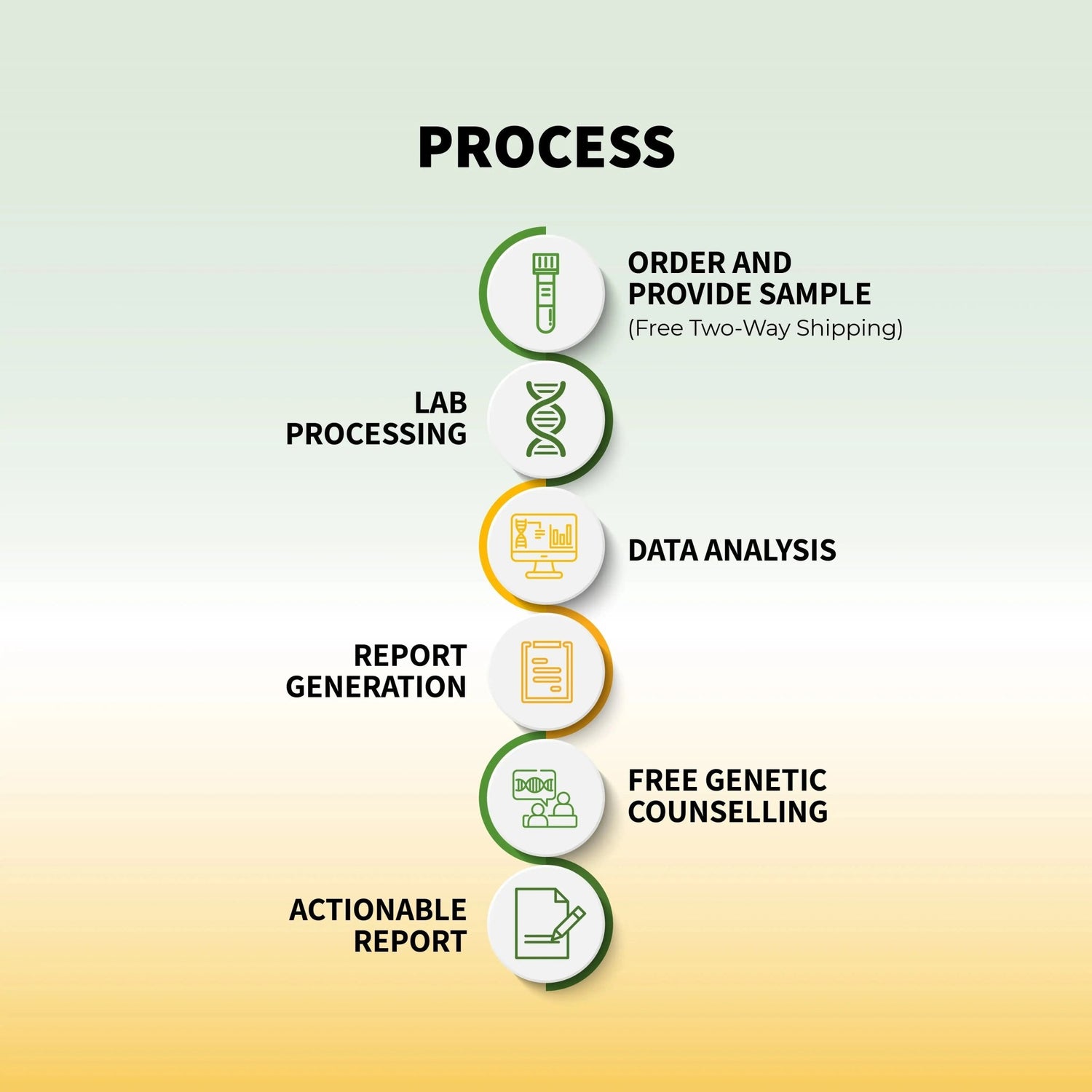
Genomepatri by MapmyGenome includes genetic insights into your sleep traits — chronotype, sleep duration needs, and insomnia susceptibility — helping you build a sleep strategy that works with your biology. Backed by NABL-certified labs and expert genetic counsellors.