

Have you ever wondered why some people seem to age gracefully while others develop wrinkles, pigmentation, or acne despite following the same skincare routine? The answer often lies in your DNA. Your genetic makeup plays a profound role in determining your skin type, how quickly it ages, its sensitivity to sun damage, and its tendency toward conditions like acne, eczema, or hyperpigmentation.
Understanding the link between genetics and skin health can help you build a skincare routine that's truly personalized — not just based on generic advice, but on what your body is actually wired to need.
How Your Genes Influence Your Skin
Your skin is your body's largest organ, and like every other organ, its structure and function are shaped by your genetic blueprint. Key skin characteristics influenced by genetics include:
- Collagen production and skin elasticity — Genes regulate how much collagen your skin produces and how quickly it breaks down, directly affecting wrinkle formation and skin firmness.
- Melanin production — Your genetic profile determines your skin tone and how your skin responds to UV exposure, influencing your risk of sunburn, tanning, and hyperpigmentation.
- Skin hydration and barrier function — Variants in genes like FLG (filaggrin) affect your skin's ability to retain moisture, which is closely linked to conditions like eczema and dry skin.
- Antioxidant capacity — Some people are genetically better equipped to neutralize free radicals that cause oxidative stress and accelerate skin aging.
- Inflammation response — Genetic variants influence how your skin responds to irritants, allergens, and UV damage — affecting your susceptibility to acne, rosacea, and sensitivity.
Key Genetic Factors That Affect Skin Health
1. Collagen Genes and Skin Aging
Collagen is the structural protein that keeps skin firm and youthful. Variants in genes such as COL1A1 and COL3A1 influence how efficiently your body produces and maintains collagen. People with certain variants may experience faster collagen breakdown, leading to earlier wrinkle formation and loss of skin elasticity.
What you can do: If you have a genetic predisposition to lower collagen production, prioritizing vitamin C (which supports collagen synthesis), retinoids, and sun protection becomes even more important.
2. Melanin and Pigmentation Genes
Genes like MC1R and TYR regulate melanin production — the pigment that gives skin its colour and provides natural UV protection. Variants in these genes can affect your risk of sunburn, freckling, hyperpigmentation, and even skin cancer.
What you can do: Understanding your melanin genetics helps you choose the right SPF level and identify whether you're at higher risk for UV-related skin damage.
3. Skin Hydration and Barrier Genes
The FLG gene encodes filaggrin, a protein essential for maintaining the skin's moisture barrier. Variants in FLG are strongly associated with eczema (atopic dermatitis), dry skin, and increased sensitivity to environmental irritants. If you've always struggled with dry or reactive skin, your genetics may be a significant contributing factor.
4. Antioxidant and Detoxification Genes
Genes like SOD2 and GPX1 govern your body's antioxidant defenses. People with less efficient variants may be more susceptible to oxidative stress — a key driver of premature skin aging, dullness, and uneven skin tone.
What you can do: A diet rich in antioxidants (vitamins C and E, polyphenols) and targeted antioxidant skincare can help compensate for lower genetic antioxidant capacity.
5. Inflammation and Acne Susceptibility
Inflammatory genes such as IL-6 and TNF-alpha influence how strongly your skin reacts to bacteria, hormones, and environmental triggers. People with pro-inflammatory genetic variants may be more prone to acne, rosacea, and skin sensitivity.
Can You Change Your Skin Genetics?
Your DNA is fixed — but how your genes are expressed is not. Lifestyle factors like diet, sun protection, sleep, stress management, and skincare choices can significantly influence how your genetic predispositions manifest. This is the principle of epigenetics: your environment and habits can switch genes on or off, modifying their impact on your skin over time.
The key is knowing your genetic starting point so you can make targeted, evidence-based choices rather than guessing.
How DNA-Based Skincare Works
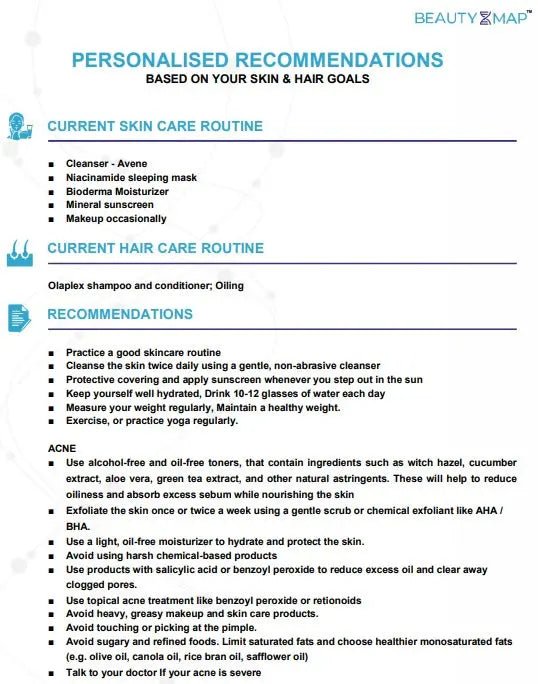
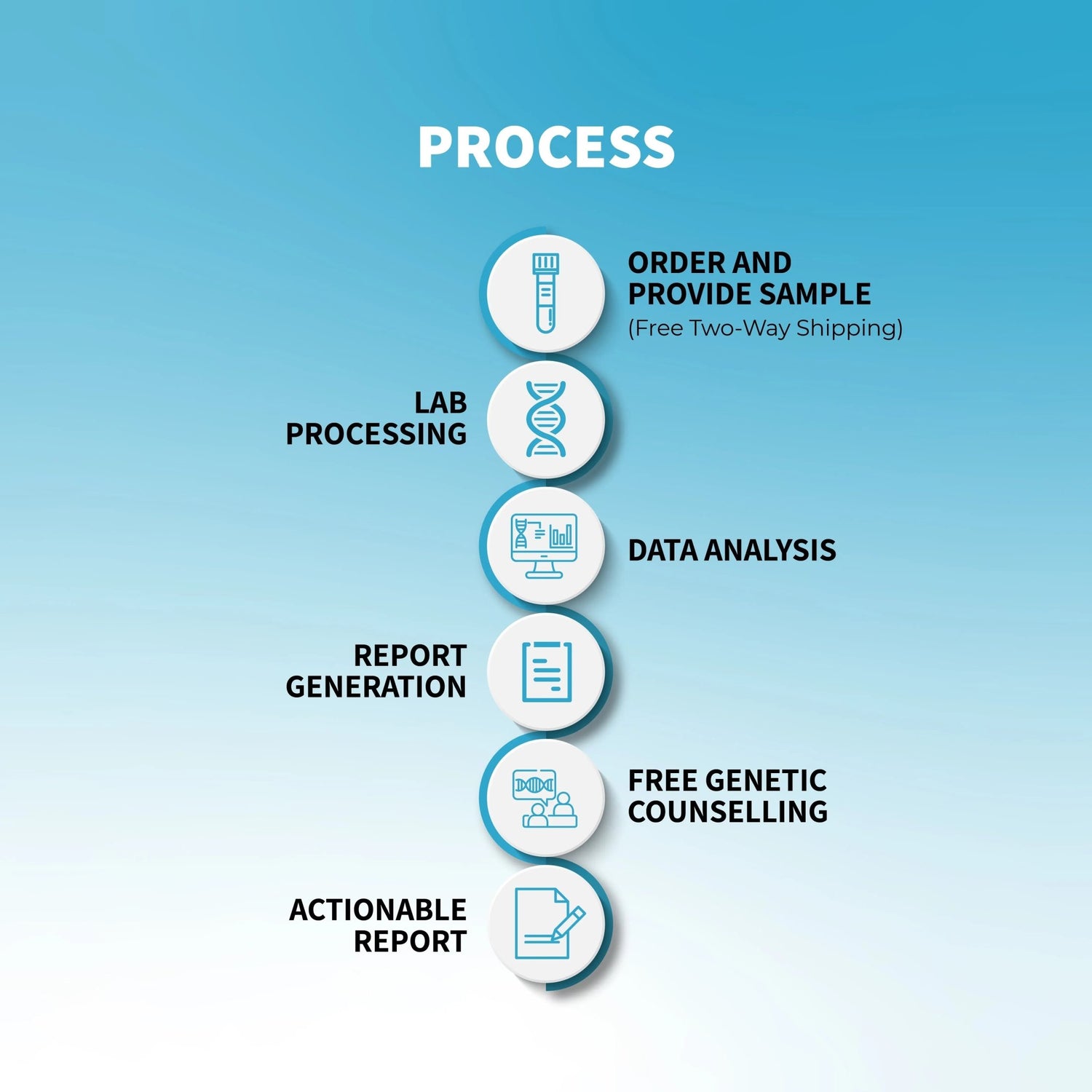
DNA-based skincare starts with a genetic test that analyzes the specific variants in your skin-related genes. Based on your results, you receive personalized recommendations for:
- The right moisturizers and barrier-support ingredients for your skin type
- The level of sun protection your skin actually needs
- Anti-aging ingredients most likely to be effective for your collagen profile
- Dietary changes to support your skin's antioxidant and hydration needs
- Targeted treatments for acne, pigmentation, or sensitivity based on your inflammatory profile
FAQs About Genetics and Skin Health
Can genetics cause acne?
Yes. Genetic variants affecting sebum production, inflammation, and hormonal sensitivity all contribute to acne susceptibility. If acne runs in your family, there's a strong genetic component.
Is skin aging mostly genetic?
Research suggests genetics accounts for roughly 60% of skin aging, with the remaining 40% influenced by lifestyle factors like sun exposure, diet, sleep, and smoking. Both matter — but knowing your genetic profile helps you focus on the right interventions.
Can a DNA test tell me what skincare products to use?
Yes. DNA-based skincare tests analyze your skin-related genetic variants and provide personalized ingredient and product recommendations based on your unique profile.
Conclusion
Your skin tells a story — and much of that story is written in your DNA. Understanding your genetic predispositions for collagen production, pigmentation, hydration, antioxidant capacity, and inflammation gives you the power to build a skincare routine that works with your biology, not against it. Generic skincare advice is a starting point; personalized, DNA-informed skincare is the future.
🧬 Discover Your Skin's Genetic Blueprint
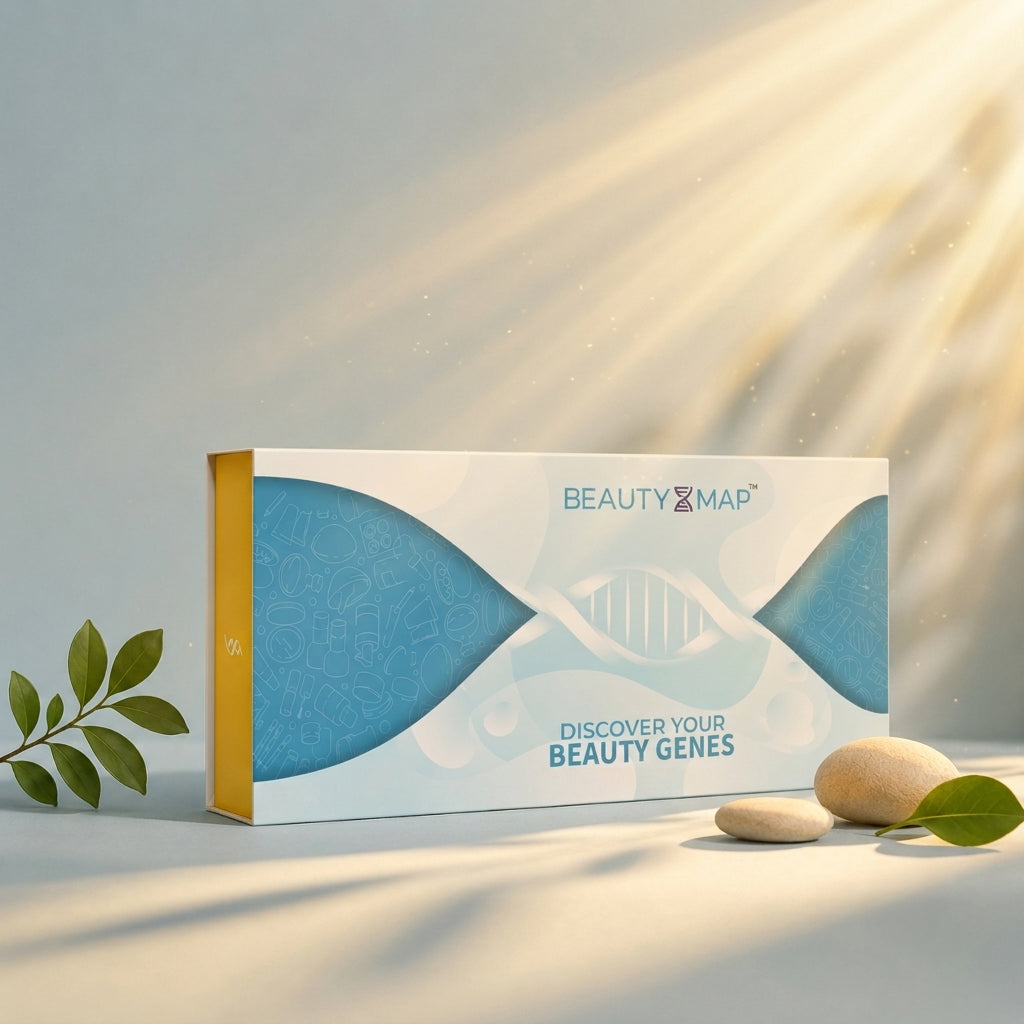
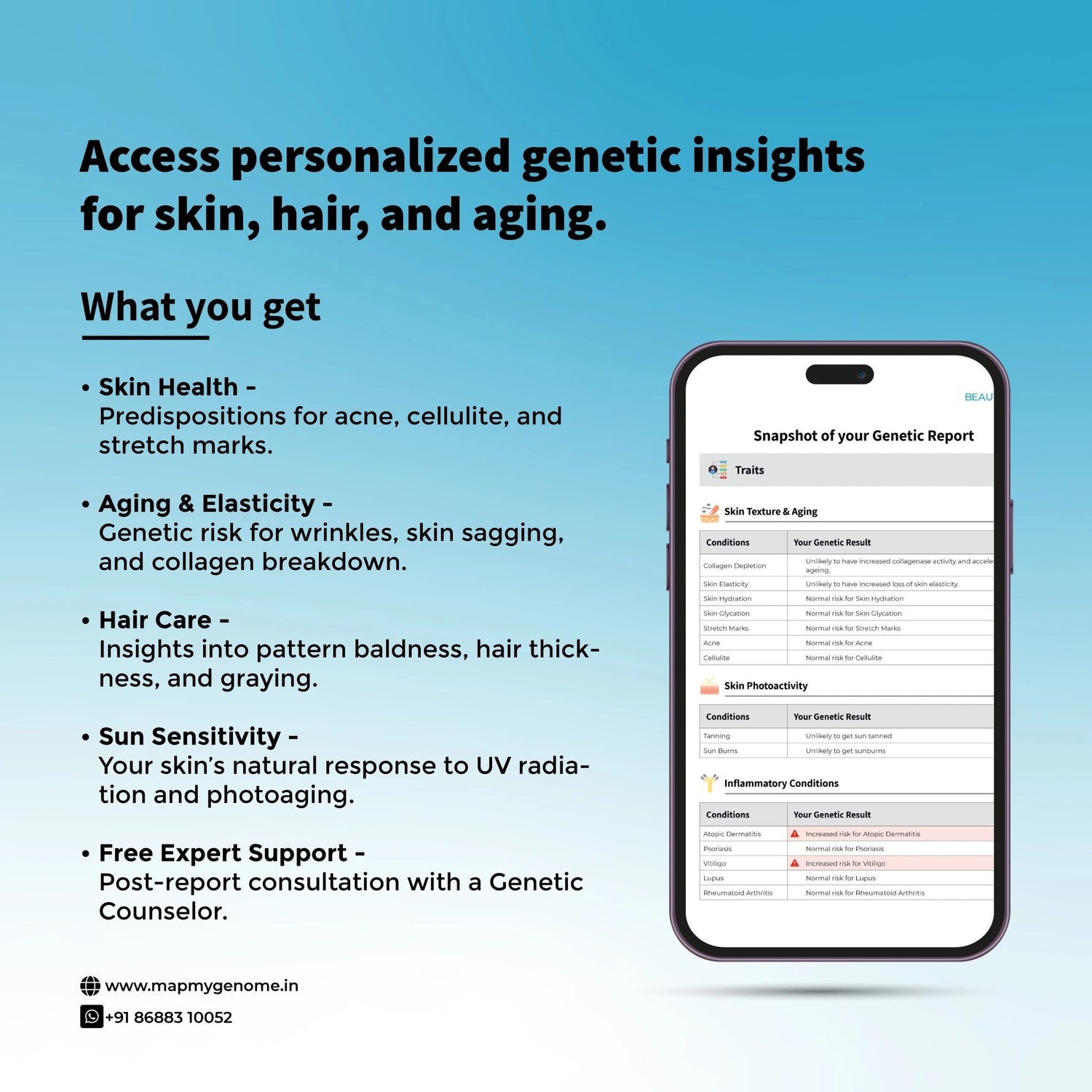
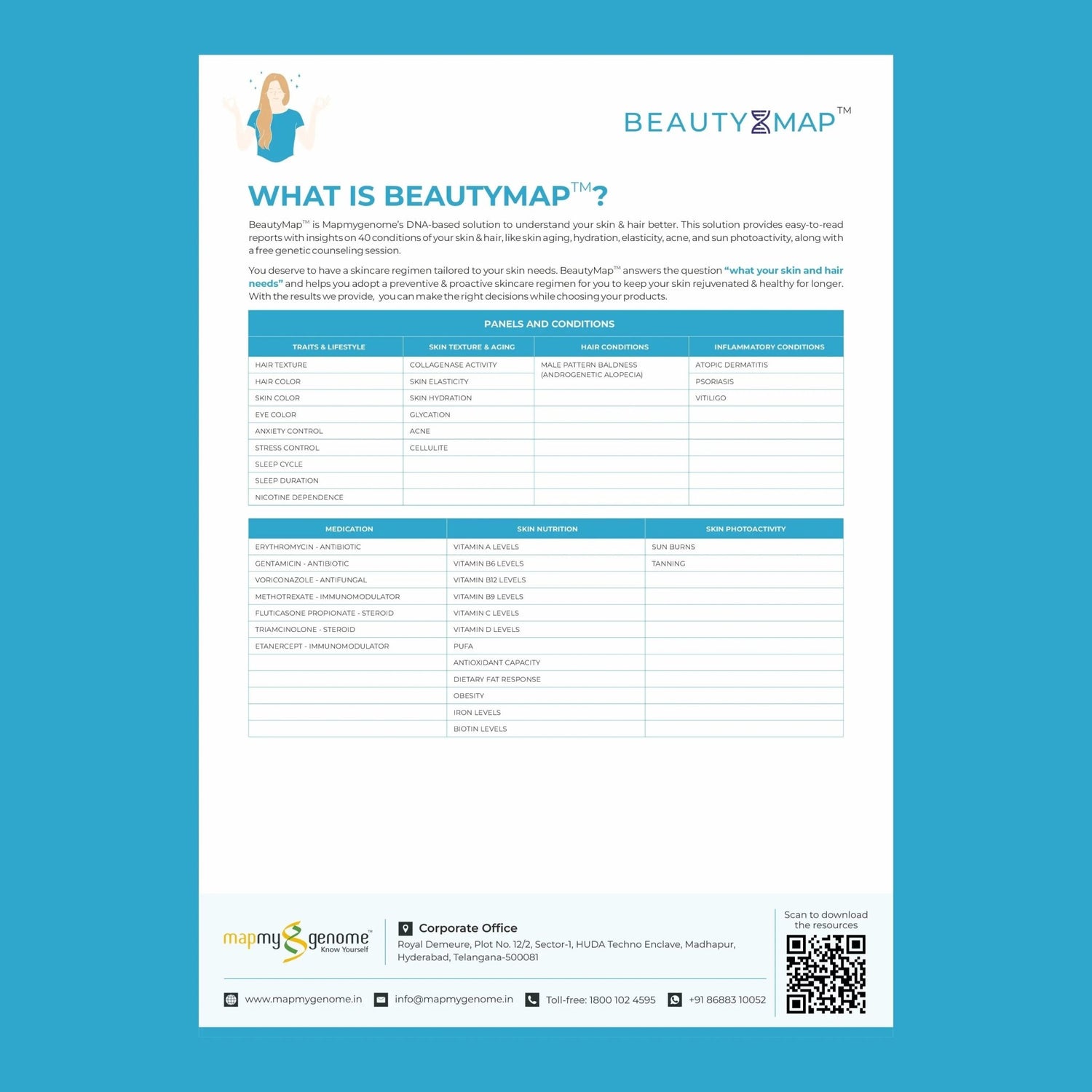
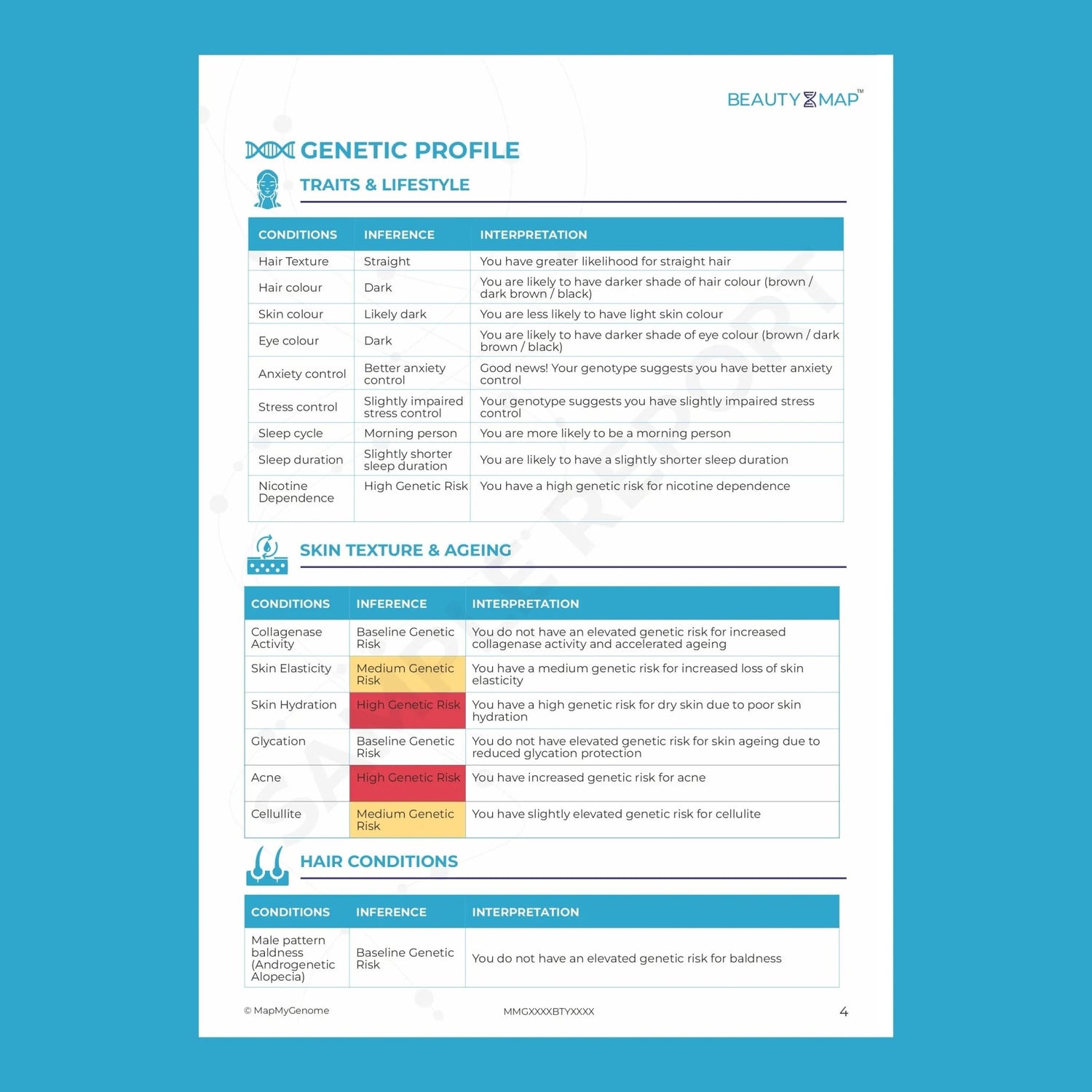
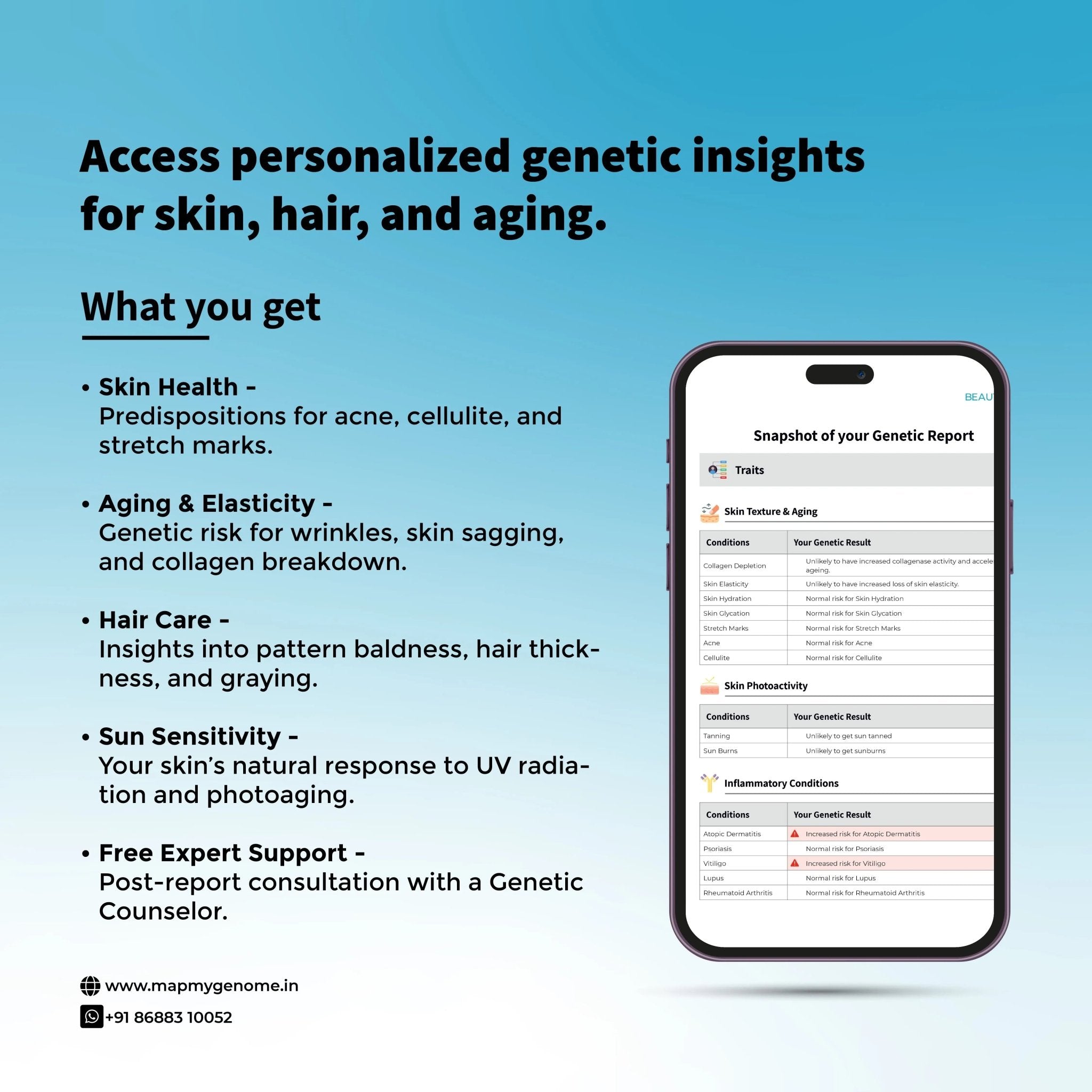
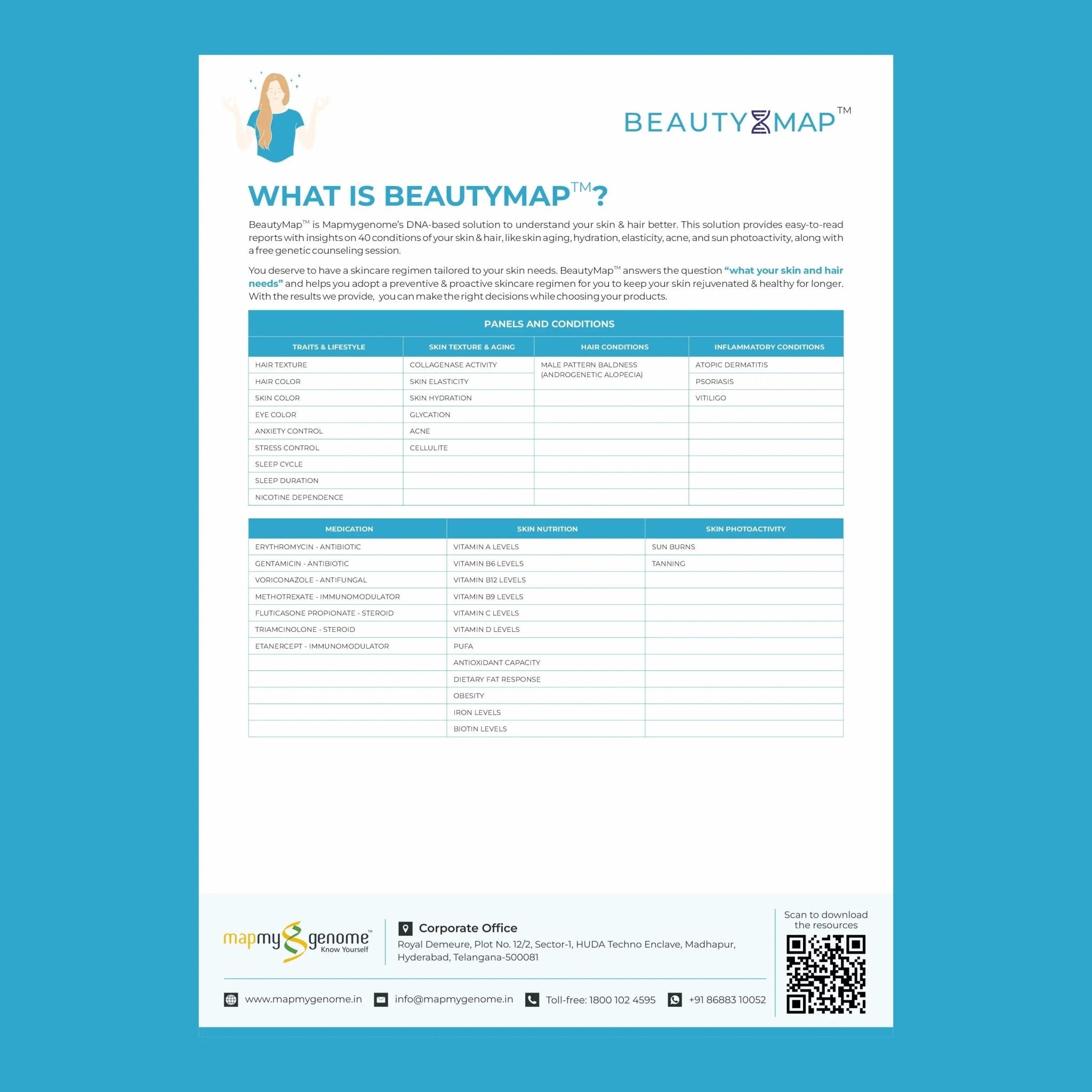
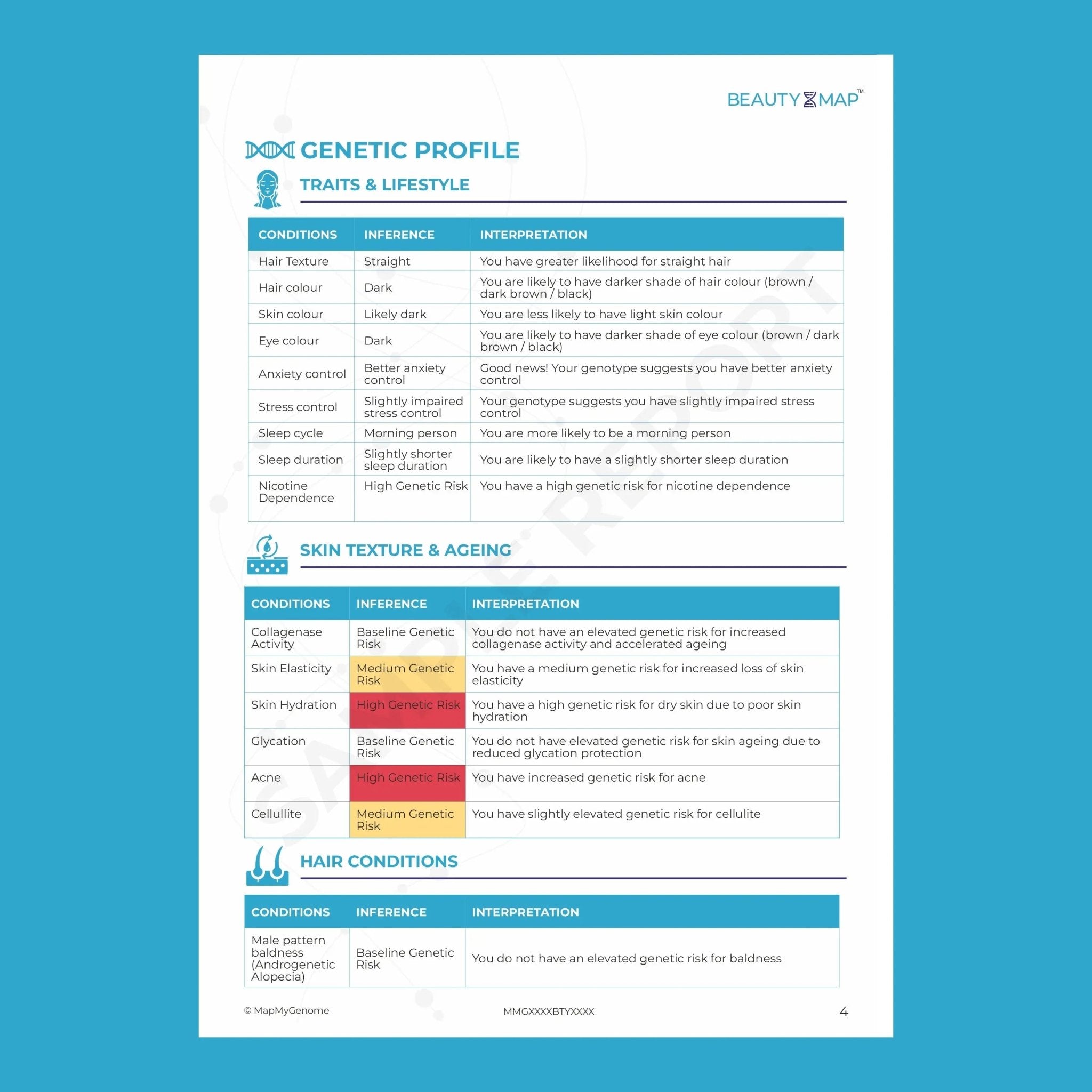
Your skin is unique — and your skincare should be too. Beautymap by MapmyGenome is India's leading DNA-based beauty and skincare test, analyzing your genetic variants for skin aging, hydration, pigmentation, collagen production, and hair health — with personalized recommendations for ingredients, products, and lifestyle changes.
Want a broader health picture alongside your skin insights? Genomepatri covers 100+ health traits including skin health, nutrition, metabolism, and disease risk in one comprehensive test.
⭐⭐⭐⭐⭐ Rated 4.97/5 by 143+ customers
- → Beautymap — DNA-Powered Skincare & Beauty Test (₹6,999)
- → Genomepatri — Comprehensive DNA Wellness Test (₹7,999)
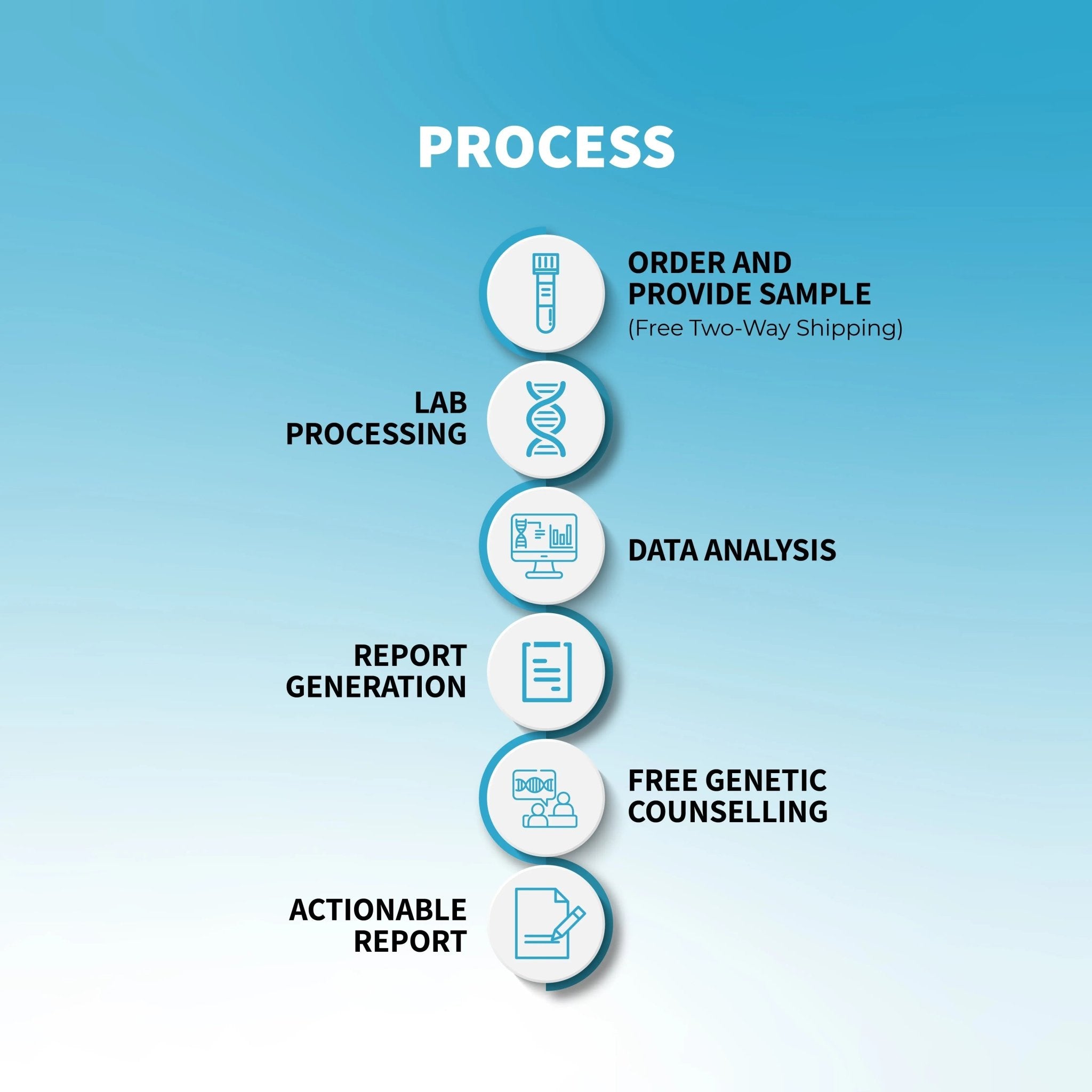
Both tests are done at home with a simple saliva sample. Results delivered digitally with expert-backed, personalized recommendations.