

Lung cancer is a prevalent and serious disease worldwide, accounting for a significant number of cancer-related deaths. Understanding its causes, available treatments, and how genetic testing can aid in its management is essential for proactive health management.
What is Lung Cancer?
Lung cancer starts in the tissues of the lungs, typically in the cells lining the airways. It is classified into two main types:
- Non-Small Cell Lung Cancer (NSCLC): The most common type, accounting for about 85% of cases. Includes adenocarcinoma, squamous cell carcinoma, and large cell carcinoma.
- Small Cell Lung Cancer (SCLC): Less common but more aggressive, often spreading quickly to other parts of the body.
Causes and Risk Factors
- Smoking: The leading risk factor. Both smokers and those exposed to secondhand smoke are at risk.
- Radon Exposure: A naturally occurring radioactive gas found in high concentrations in some homes.
- Asbestos and Other Chemicals: Exposure in industrial settings increases risk.
- Air Pollution: Long-term exposure to polluted air elevates risk.
- Genetic Predisposition: A family history of lung cancer can increase an individual's risk.
Symptoms of Lung Cancer
Early-stage lung cancer often doesn't cause symptoms. As the disease progresses, symptoms may include persistent cough, chest pain, shortness of breath, wheezing, coughing up blood, unexplained weight loss, and fatigue. If you experience any of these symptoms, consult a healthcare provider promptly.
Treatment Options
- Surgery: Lobectomy, pneumonectomy, or segmentectomy to remove cancerous tissue.
- Radiation Therapy: High-energy radiation to kill cancer cells, used alone or in combination with other treatments.
- Chemotherapy: Drugs to kill cancer cells, often combined with surgery and radiation.
- Targeted Therapy: Drugs that specifically target cancer cells with certain genetic mutations, minimizing damage to healthy cells.
- Immunotherapy: Boosts the body's immune system to fight cancer using checkpoint inhibitors.
The Role of Genetic Testing in Lung Cancer
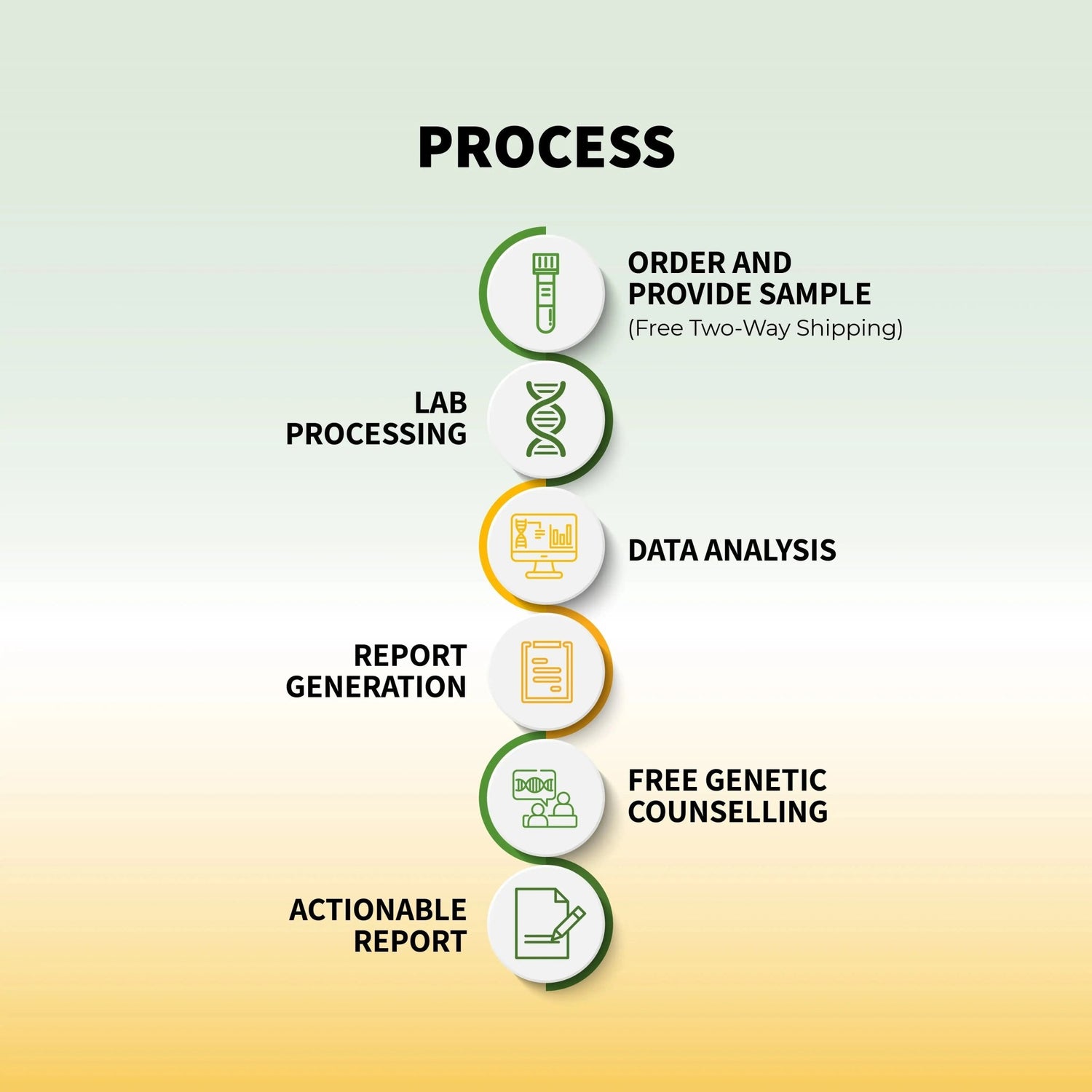
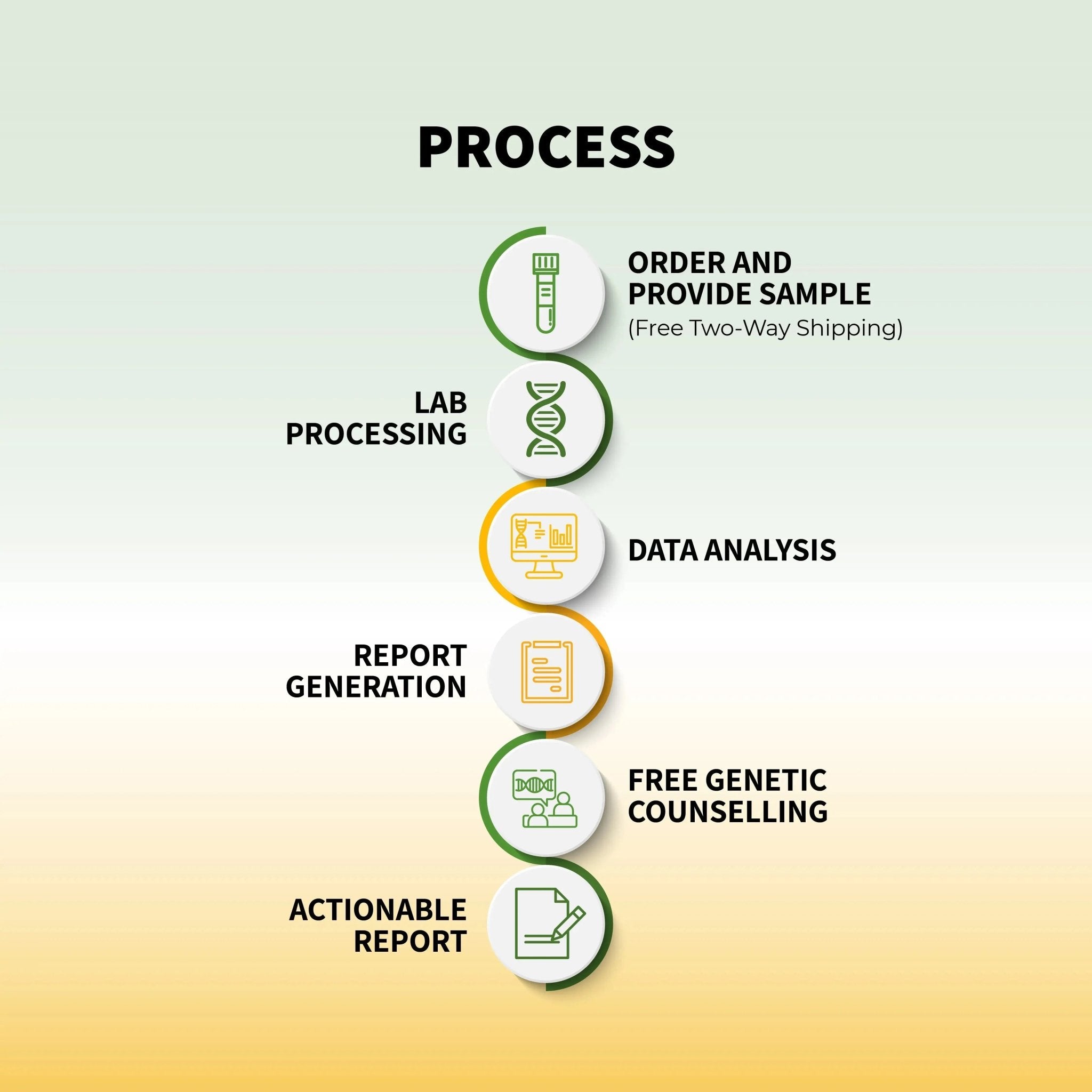
Genetic testing has revolutionized cancer treatment by enabling personalized medicine. Understanding the genetic mutations driving cancer can help tailor treatments to the individual's specific condition. For example, if a mutation in the EGFR gene is detected, targeted therapies like erlotinib or gefitinib can be used. Genomepatri by MapmyGenome identifies genetic markers associated with increased risk of lung cancer, enabling proactive screening and personalized prevention strategies.
FAQs
Can genetic testing predict lung cancer?
Genetic testing can identify inherited risk factors for lung cancer, particularly in people with a family history. It cannot predict with certainty whether you will develop cancer, but it can guide more targeted screening and preventive action.
Who should consider genetic testing for lung cancer risk?
People with a family history of lung cancer, those with significant smoking history, or individuals with other known risk factors should discuss genetic testing with their doctor or a genetic counsellor.
Know Your Genetic Cancer Risk — Before Symptoms Appear
Genomepatri by MapmyGenome includes genetic risk assessment for lung cancer and 100+ other health conditions — backed by NABL-certified labs and expert genetic counsellors who help you build a personalised prevention plan.