

Maintaining strong and healthy bones is crucial for overall well-being. As we age, our bones can become more fragile, making it essential to focus on nutrients that support bone health. Calcium and Vitamin D are two key players in this process — and your genes determine how efficiently your body uses both.
The Role of Calcium in Bone Health
Calcium is a vital mineral that plays a crucial role in building and maintaining strong bones and teeth. About 99% of the calcium in our bodies is stored in the bones and teeth. The recommended daily intake varies by age: children (1–8 years) need 700–1,000 mg; adolescents (9–18 years) need 1,300 mg; adults (19–50 years) need 1,000 mg; and women over 50 and men over 70 need 1,200 mg.
Excellent sources of calcium include dairy products (milk, cheese, yogurt), leafy green vegetables (kale, broccoli, bok choy), fish with edible bones (sardines, salmon), and fortified foods (orange juice, cereals, plant-based milk).
Vitamin D: The Sunshine Vitamin
Vitamin D is essential for the absorption of calcium in the intestines. Without adequate vitamin D, your body cannot effectively absorb calcium, regardless of how much you consume. The recommended daily intake is 600 IU for adults (19–70 years) and 800 IU for adults over 70.
Sources include sunlight (10–30 minutes several times a week), fatty fish (salmon, mackerel, tuna), fortified foods, and supplements.
Tips for a Bone-Healthy Diet and Lifestyle
- Balance your meals: Include proteins, healthy fats, and carbohydrates alongside calcium and vitamin D-rich foods.
- Stay hydrated: Water supports nutrient transportation throughout the body.
- Limit processed foods: Often high in sodium and low in essential nutrients.
- Exercise regularly: Weight-bearing exercises like walking, jogging, and strength training build and maintain bone density.
- Get adequate magnesium, phosphorus, and vitamin K: These nutrients also play important roles in bone health.
The Genetic Component of Bone Health
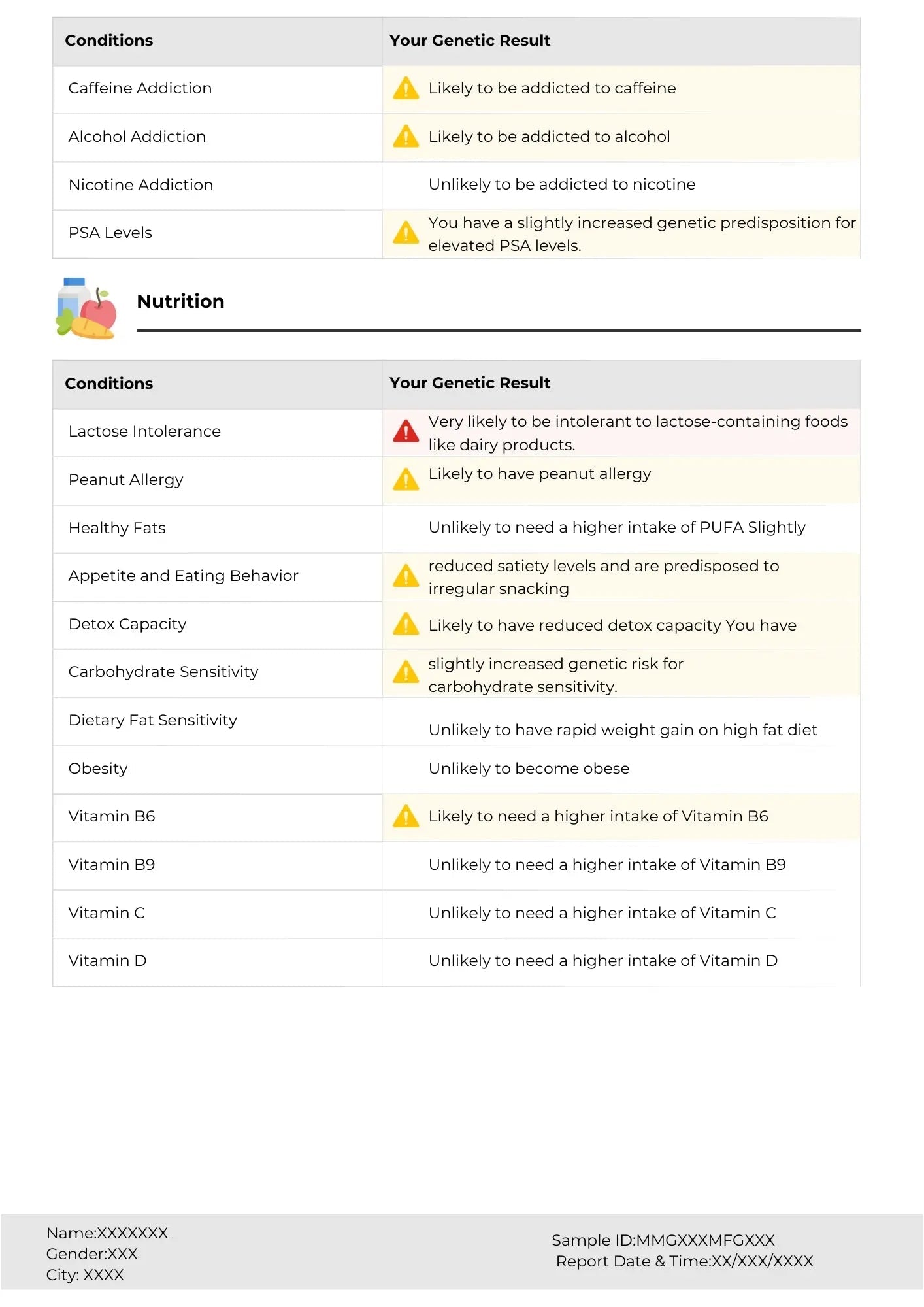
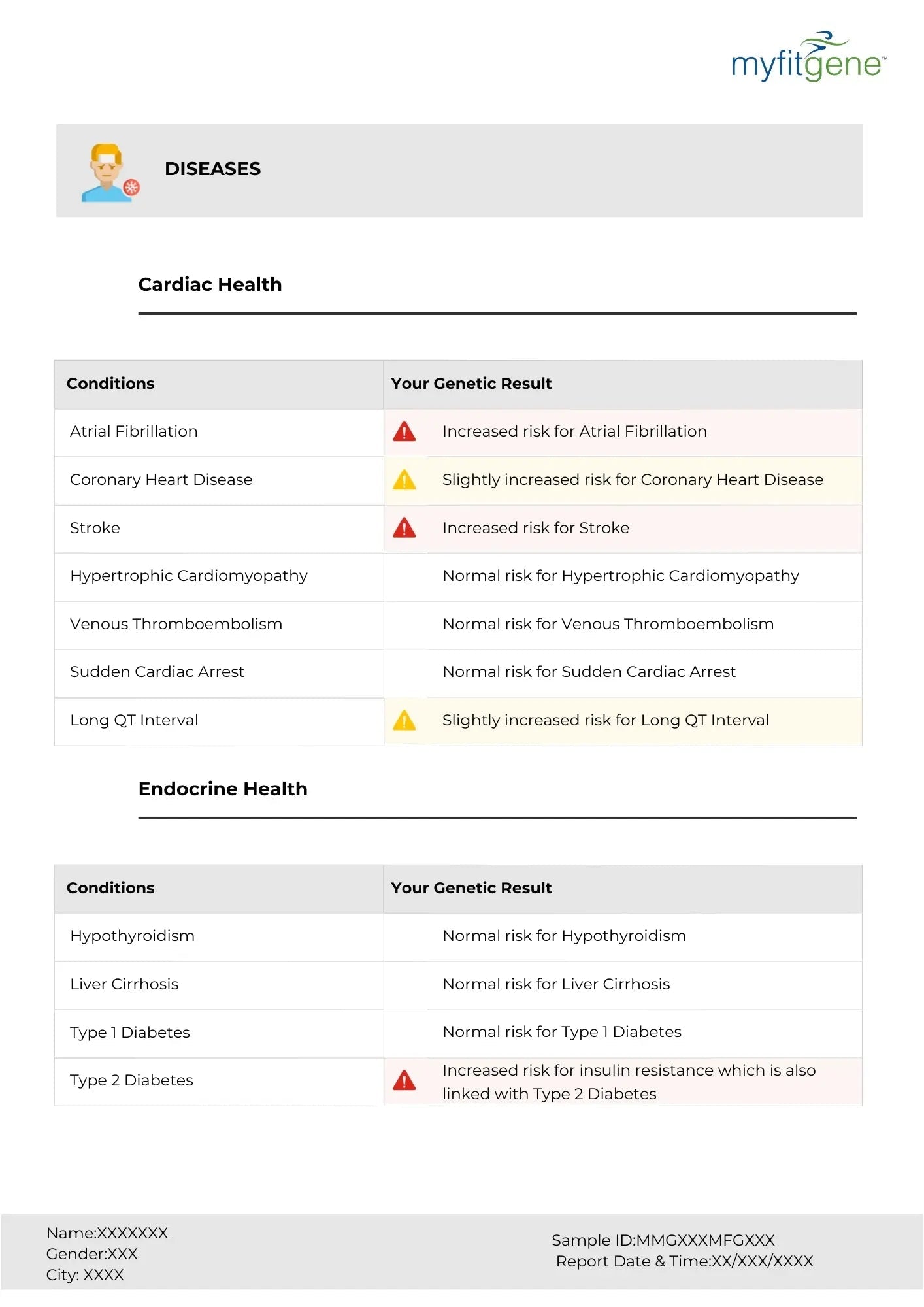
Genetic factors significantly influence bone density, calcium absorption efficiency, vitamin D metabolism, and fracture risk. Some people have genetic variants that reduce their ability to absorb calcium or activate vitamin D — meaning they need higher dietary intake or supplementation to achieve the same bone health outcomes as others. Understanding your genetic profile allows you to personalize your approach to bone health rather than following generic guidelines.
FAQs
Can I get enough vitamin D from sunlight in India?
Despite abundant sunshine, vitamin D deficiency is surprisingly common in India — due to indoor lifestyles, air pollution, and darker skin pigmentation (which reduces UV absorption). Regular testing and supplementation are often necessary.
Should I take calcium supplements?
Whole food sources of calcium are preferable to supplements. If supplementation is needed, calcium citrate is better absorbed than calcium carbonate, especially in people with lower stomach acid. Consult your doctor before supplementing.
Know Your Genetic Nutritional Needs — Including Calcium and Vitamin D
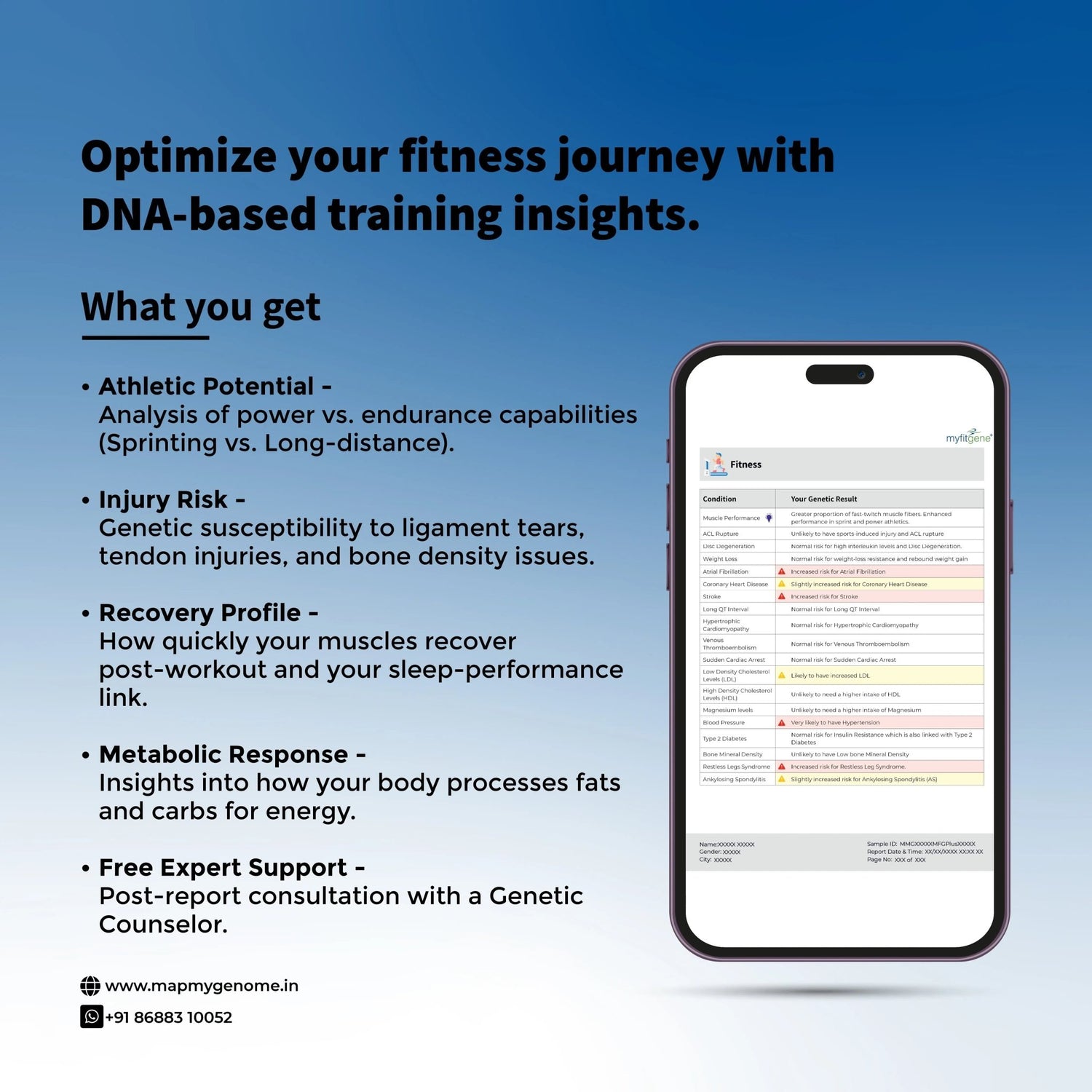
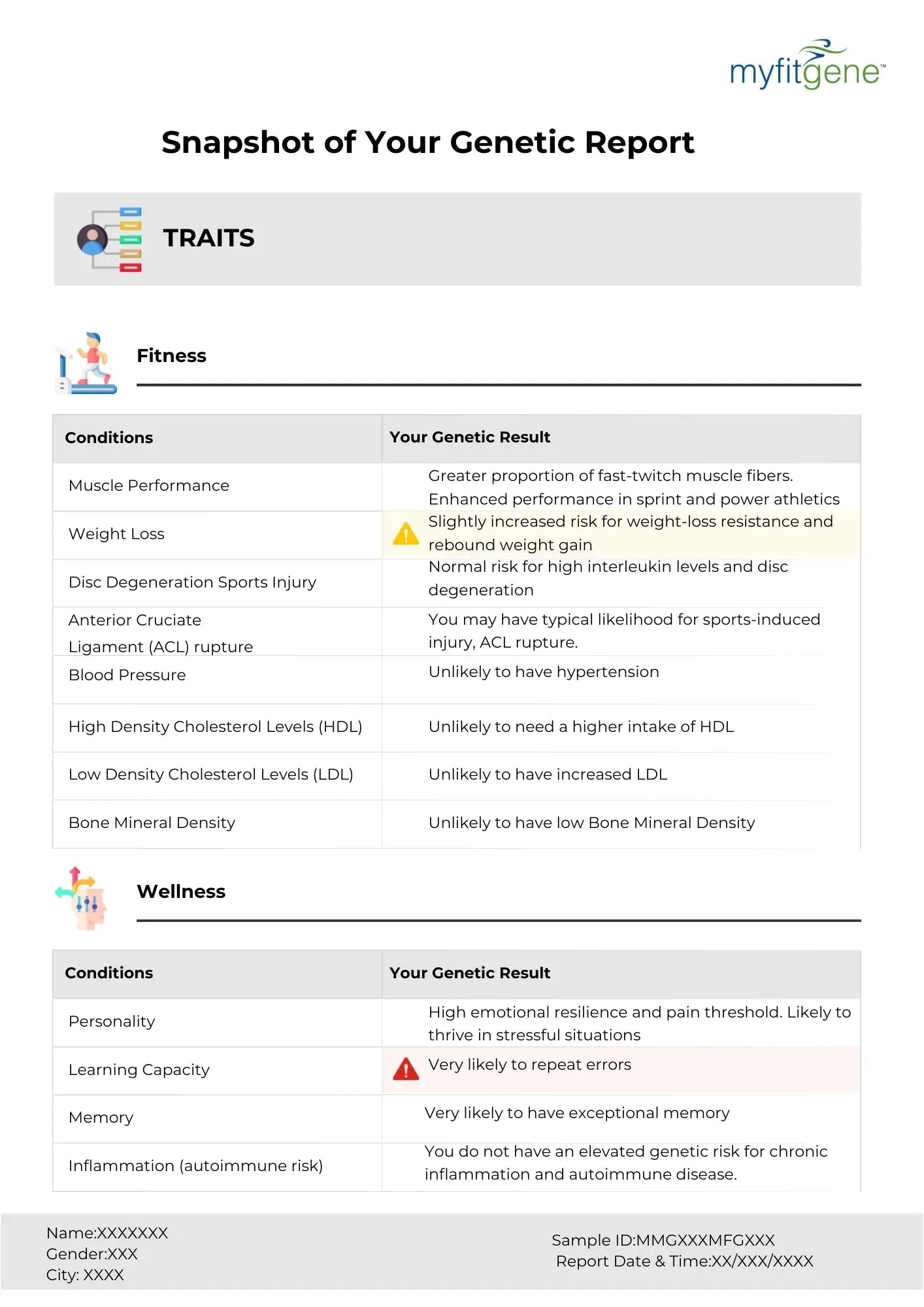
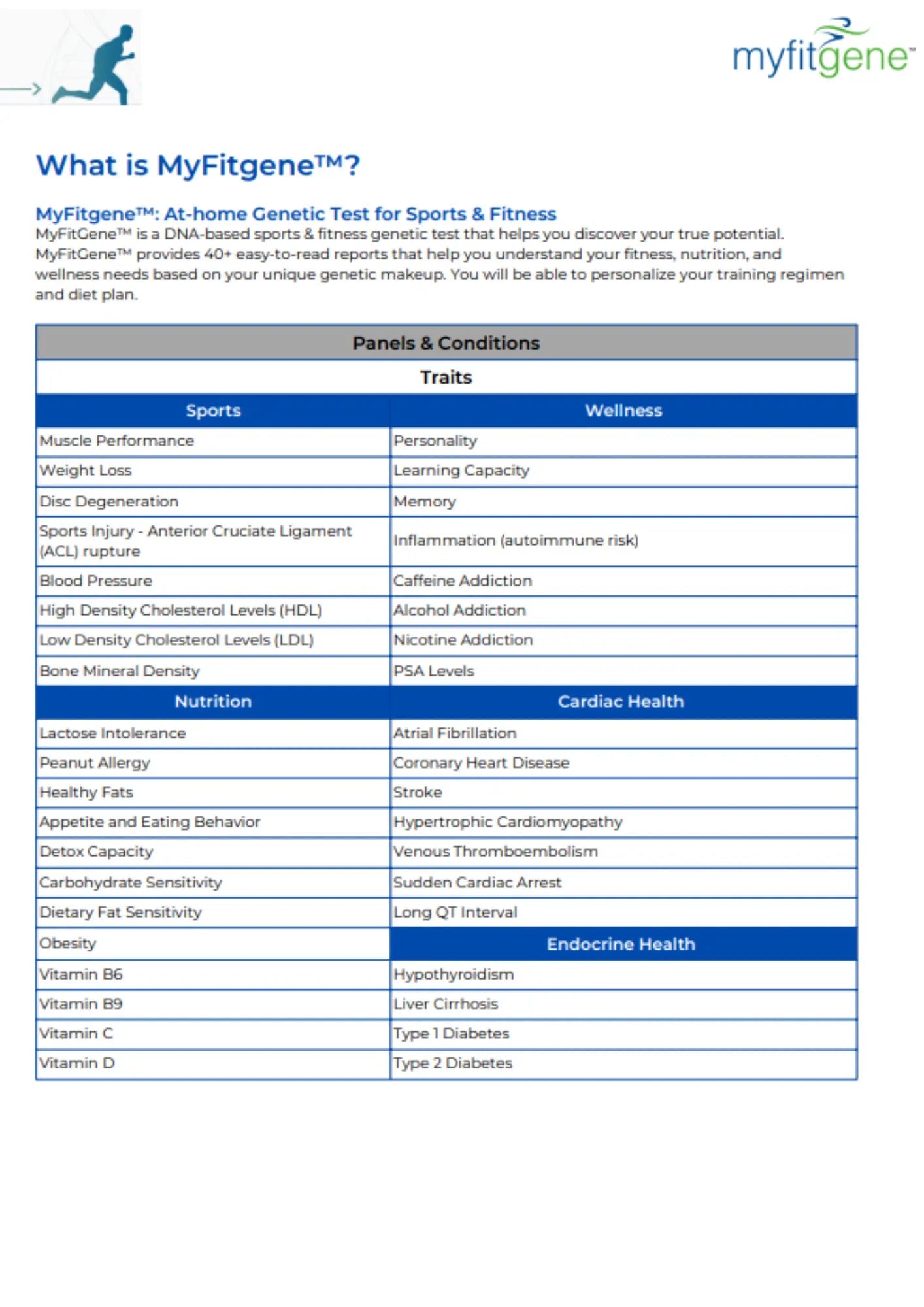
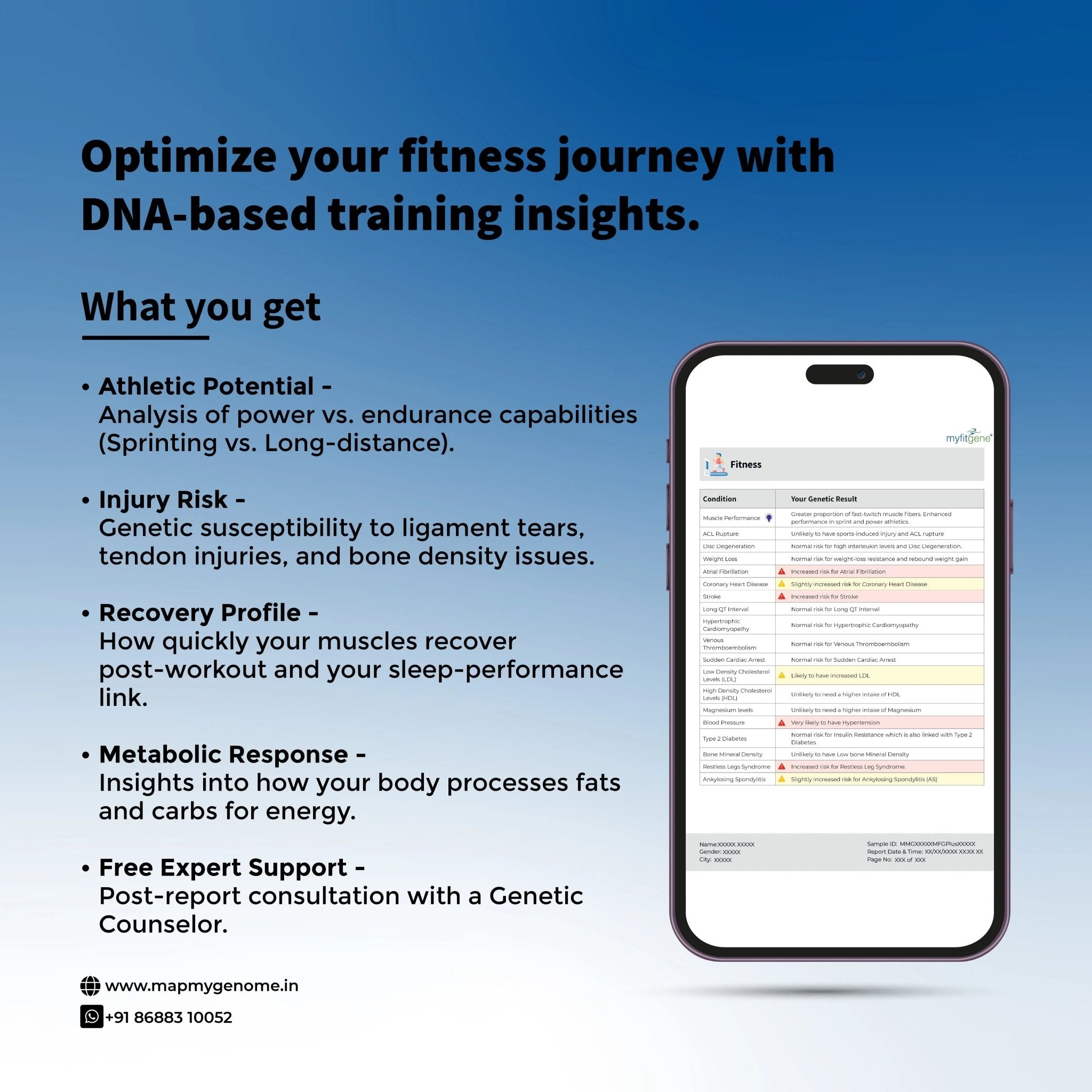
MyFitGene and Genomepatri by MapmyGenome include genetic insights into your calcium absorption efficiency, vitamin D metabolism, and bone health predispositions — so you can personalize your nutrition and supplementation strategy based on your actual DNA.