

You've taken your MapmyBiome gut microbiome test — and now you have a report in front of you. But what does it all mean? Here's a guide to understanding the key sections of your MapmyBiome results and how to use them to improve your gut health.
1. Microbial Diversity Score
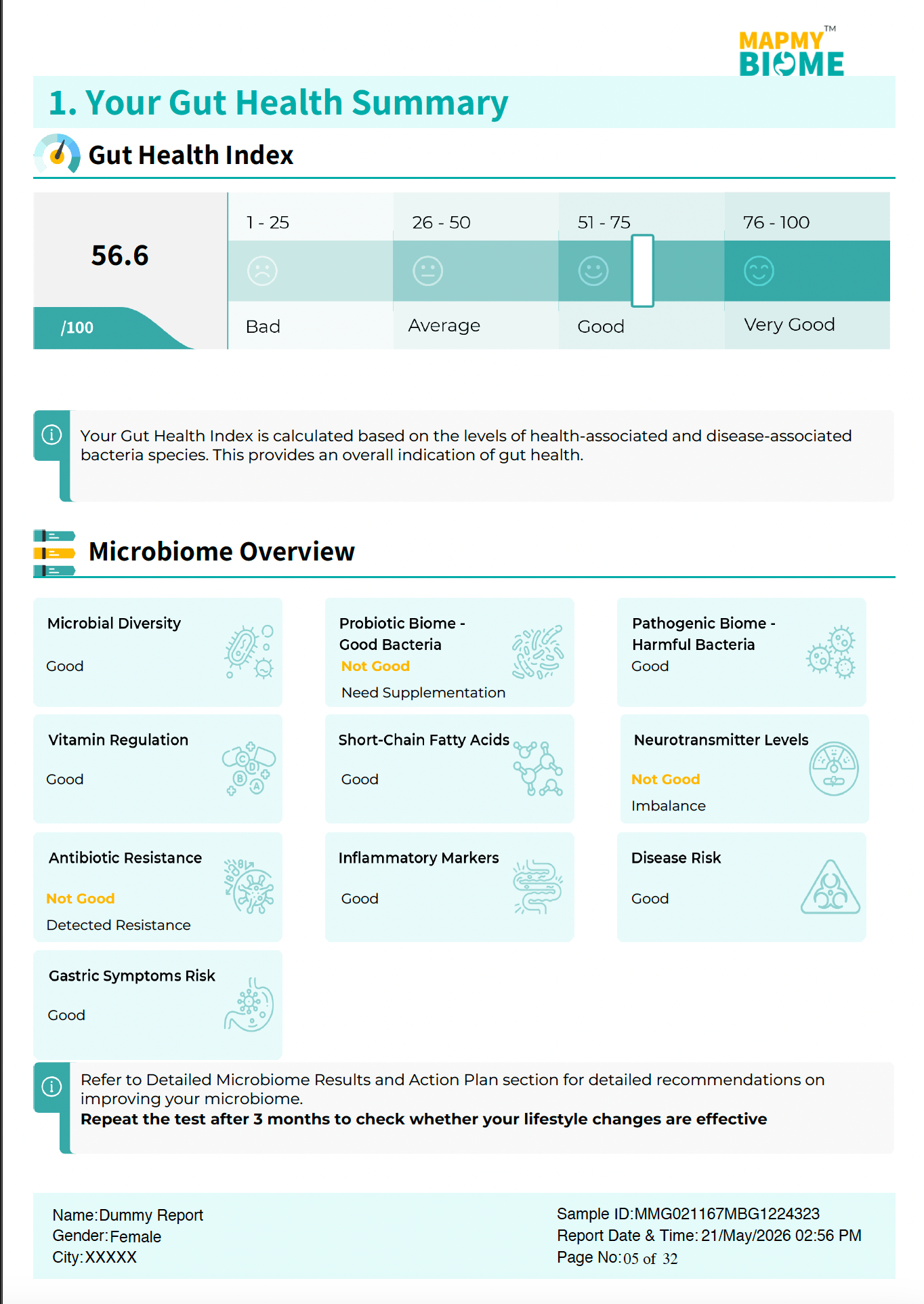
Your diversity score is one of the most important indicators in your report. A higher diversity score generally indicates a healthier, more resilient gut microbiome. Low diversity is associated with digestive issues, weakened immunity, and increased risk of metabolic conditions. Your report will show how your diversity compares to healthy reference populations.
2. Key Bacteria Identified
Your report identifies the specific bacterial species and strains present in your gut, including their relative abundance. Key bacteria to look for include:
- Lactobacillus and Bifidobacterium — Beneficial bacteria associated with digestive health, immunity, and mood regulation
- Faecalibacterium prausnitzii — One of the most important anti-inflammatory bacteria; low levels are associated with IBD and metabolic conditions
- Akkermansia muciniphila — Supports gut lining integrity and metabolic health
- Bacteroidetes:Firmicutes ratio — An imbalance in this ratio is associated with obesity and metabolic dysfunction
3. Functional Pathways
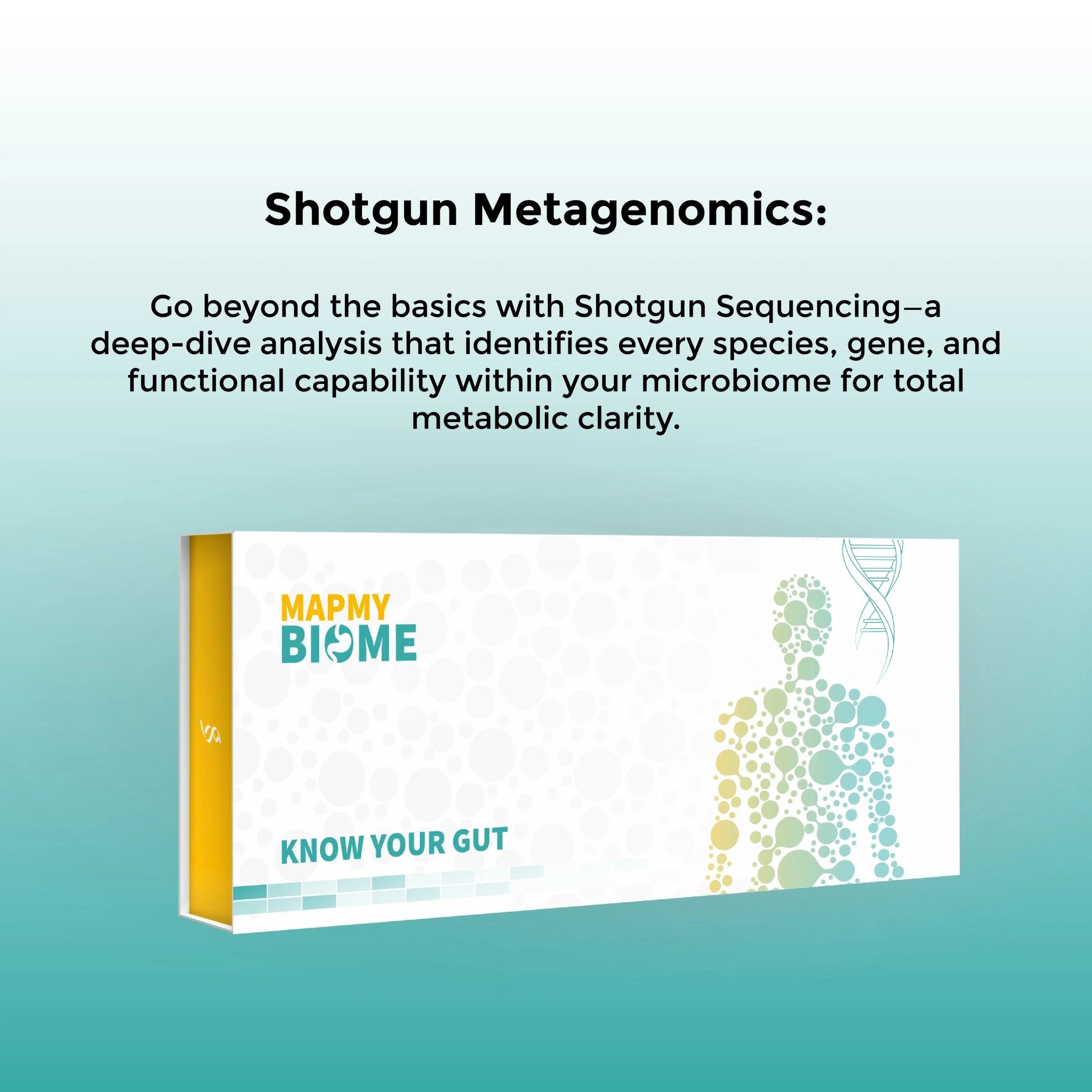
Beyond identifying which bacteria are present, MapmyBiome's shotgun sequencing reveals what your gut bacteria are doing — their functional activity. This includes short-chain fatty acid (SCFA) production (important for gut lining health and immunity), vitamin synthesis, and metabolic functions like carbohydrate and protein fermentation.
4. Health Risk Assessment
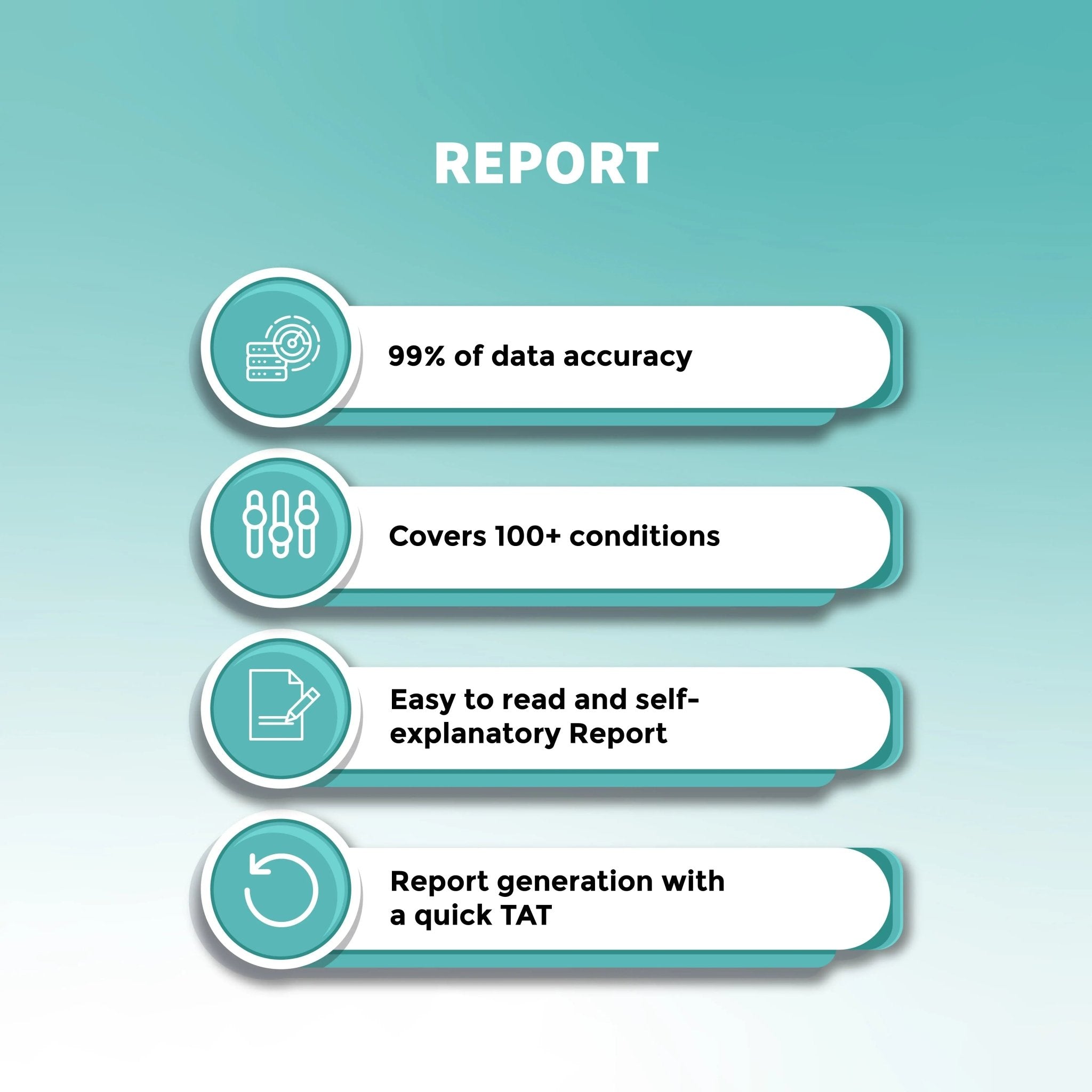
Your report includes an assessment of how your microbiome profile relates to specific health conditions — including digestive disorders, metabolic health, immune function, and mental wellness via the gut-brain axis.
5. Personalized Recommendations
The most actionable part of your report: specific food, probiotic, and lifestyle recommendations tailored to your unique gut profile. This includes which probiotic strains are most relevant for your microbiome, which prebiotic foods to prioritize, dietary changes to address specific imbalances, and lifestyle factors (sleep, stress, exercise) that will most benefit your gut.
Why Results Differ Between People
No two gut microbiomes are identical — even identical twins have different microbiomes. Your results are shaped by your genetics, diet, lifestyle, antibiotic history, environment, and more. This is why personalized recommendations based on your actual gut profile are far more effective than generic gut health advice.
FAQs
How often should I retest my gut microbiome?
Retesting every 6–12 months — or after a significant dietary change, illness, or antibiotic course — allows you to track how your microbiome is responding to interventions.
Can I share my MapmyBiome results with my doctor?
Yes. Your report is designed to be shared with healthcare professionals. A genetic counsellor or nutritionist can help you interpret and act on your results.
Map Your Gut — Heal with Precision
MapmyBiome uses advanced shotgun sequencing to identify exactly what's living in your gut — with species-level precision and functional insights that generic tests can't provide. Get personalised food, probiotic, and lifestyle recommendations based on your actual gut profile.