

The gut microbiome is increasingly recognized as a key driver of health — influencing digestion, immunity, metabolism, and even mental wellness. But here's what most global gut health research misses: the Indian gut microbiome is fundamentally different from the Western microbiomes that dominate the scientific literature. And those differences have profound implications for how Indians should approach gut health.
What Makes the Indian Gut Microbiome Unique?
Diet-Driven Differences
The traditional Indian diet is predominantly plant-based, high in dietary fiber, fermented foods, and spices — and this shapes a distinctly different microbial ecosystem. Studies comparing Indian and Western gut microbiomes consistently find higher abundance of fiber-fermenting bacteria like Prevotella in Indian populations, compared to the Bacteroides-dominant profiles typical of Western, meat-heavy diets.
Prevotella-dominant microbiomes are associated with efficient carbohydrate fermentation and short-chain fatty acid (SCFA) production — beneficial for gut lining integrity and metabolic health. However, they may also be associated with different inflammatory profiles than Bacteroides-dominant microbiomes.
Fermented Food Heritage
India has one of the world's richest traditions of fermented foods — idli, dosa, kanji, curd, dhokla, and more. Regular consumption of these foods introduces diverse probiotic bacteria and supports microbial diversity. Research consistently links higher fermented food consumption to greater gut microbiome diversity — a key marker of gut health.
Spice-Microbiome Interactions
Indian cuisine's extensive use of spices — turmeric, cumin, coriander, fenugreek, ginger, and more — has significant prebiotic and antimicrobial effects on the gut microbiome. Curcumin (from turmeric) has been shown to modulate gut microbiome composition, increasing beneficial bacteria and reducing pathogenic species.
Urbanization and the Changing Indian Gut
As India urbanizes rapidly, traditional diets are being replaced by processed foods, refined carbohydrates, and reduced fiber intake. Studies show that urban Indians are losing the microbial diversity that characterized traditional Indian gut profiles — with corresponding increases in metabolic conditions like obesity, type 2 diabetes, and inflammatory bowel conditions.
Why Western Gut Health Research May Not Apply to You
Most gut microbiome research has been conducted on Western populations with very different dietary patterns, genetic backgrounds, and environmental exposures. Reference ranges, "healthy" microbiome profiles, and probiotic recommendations derived from this research may not be appropriate for Indian individuals. This is why India-specific gut microbiome data — like that generated by MapmyBiome — is so important for meaningful, personalized insights.
FAQs
Should Indians take Western probiotic supplements?
Not necessarily. Many Western probiotic supplements are formulated for Lactobacillus and Bifidobacterium strains that may not be the most relevant for Indian gut profiles. Understanding your specific microbiome composition allows you to choose targeted interventions rather than generic supplements.
Is the traditional Indian diet good for gut health?
Yes — the traditional Indian diet is exceptionally well-suited for gut health, with its high fiber content, fermented foods, and diverse spices. The challenge is that many Indians are moving away from traditional diets toward processed Western-style foods, with negative consequences for gut microbiome diversity.
Map Your Indian Gut — With India-Relevant Insights
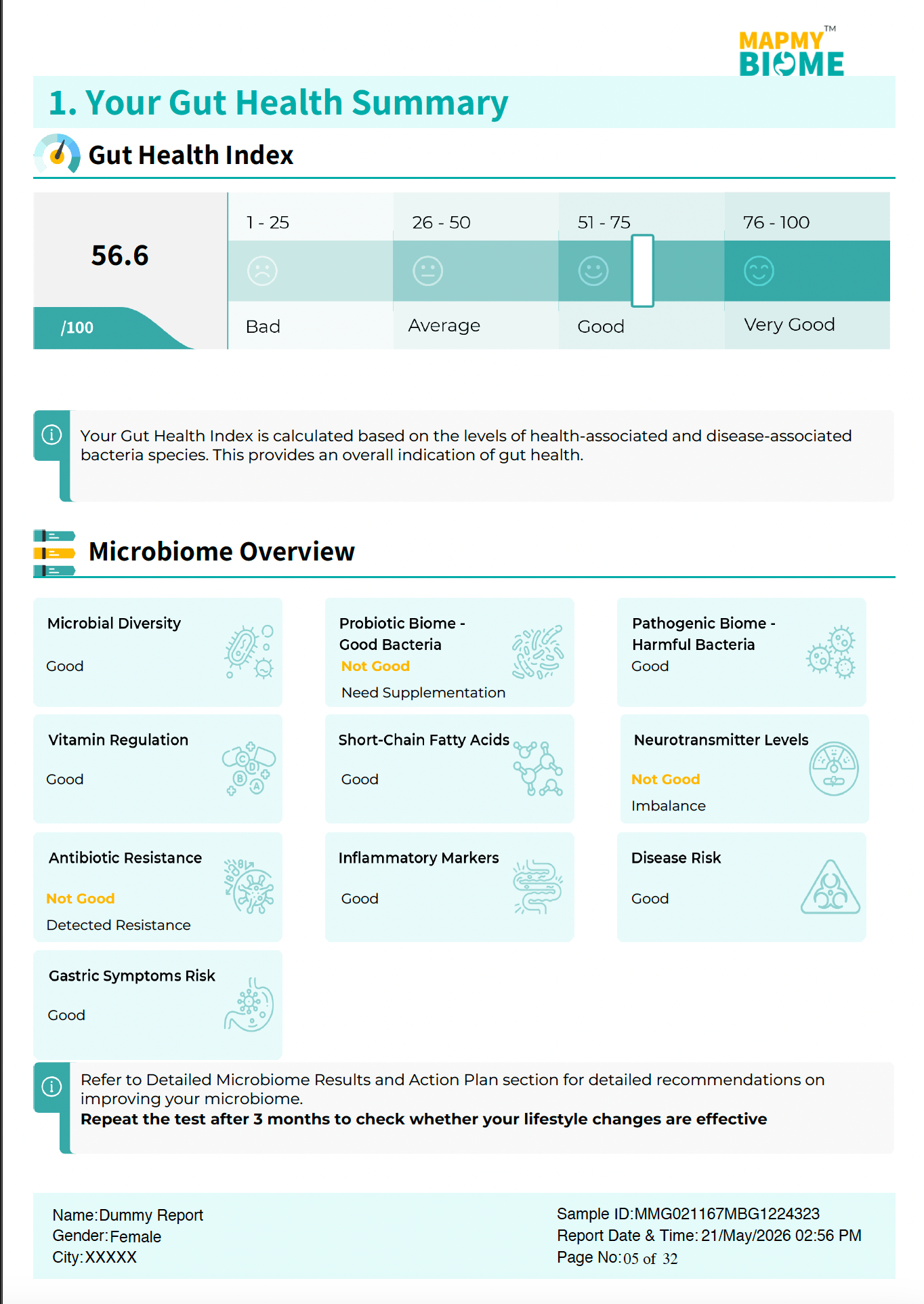
MapmyBiome uses advanced shotgun sequencing to map your unique gut microbiome — with personalised food, probiotic, and lifestyle recommendations relevant to the Indian diet and lifestyle. Not generic Western advice.