

Every year on April 2nd, the world observes World Autism Awareness Day — a day to raise awareness, promote acceptance, and celebrate the unique strengths of autistic individuals. Autism Spectrum Disorder (ASD) is one of the most common neurodevelopmental conditions globally, and its prevalence is rising. Understanding autism — including its genetic basis — is essential for early identification, appropriate support, and a more inclusive society.
What Is Autism Spectrum Disorder?
ASD is a neurodevelopmental condition characterized by differences in social communication and interaction, and restricted or repetitive patterns of behavior, interests, or activities. The word "spectrum" reflects the enormous diversity of autism — from individuals who are non-speaking and require significant support, to those who are highly verbal and live independently. Autism is not a disease to be cured; it is a different way of experiencing and interacting with the world.
The Rising Prevalence of Autism
The prevalence of autism has increased dramatically over recent decades. In the United States, the CDC now estimates 1 in 36 children has ASD — up from 1 in 150 in 2000. In India, estimates suggest approximately 1 in 100 children is autistic, though significant underdiagnosis means the true prevalence is likely higher. This rise reflects improved awareness and diagnostic criteria, broader diagnostic boundaries, and possibly some genuine increase in prevalence.
The Genetics of Autism
Autism has a strong genetic component. Twin studies show concordance rates of 70–90% in identical twins — among the highest heritabilities of any neurodevelopmental condition. Key genetic findings include:
- De novo mutations: New mutations not inherited from either parent account for a significant proportion of autism cases, particularly in families with no prior history
- Copy number variants (CNVs): Deletions or duplications of chromosomal segments — including 16p11.2, 15q11-13, and 22q11.2 — are found in approximately 10% of autism cases
- Single-gene disorders: Fragile X syndrome, Rett syndrome, Tuberous Sclerosis Complex, and PTEN hamartoma syndrome all have high rates of autism
- Polygenic risk: Hundreds of common genetic variants each contribute small amounts of risk, collectively accounting for a significant proportion of autism heritability
Why Genetic Diagnosis Matters in Autism
Identifying a genetic cause in autism has important clinical implications. It guides medical monitoring (some genetic causes have associated medical conditions requiring surveillance), informs prognosis, enables family counselling and cascade testing, and increasingly guides targeted treatment. For example, mTOR pathway inhibitors are being studied for autism associated with TSC and PTEN mutations.
Early Identification and Intervention
Early identification of autism — ideally before age 3 — allows access to early intervention services that significantly improve outcomes. Warning signs include limited eye contact, not responding to name by 12 months, limited pointing or waving by 12 months, no single words by 16 months, and loss of previously acquired language or social skills at any age.
FAQs
Is autism caused by vaccines?
No. This claim has been thoroughly and repeatedly debunked by large-scale studies involving millions of children. Vaccines do not cause autism. The original study making this claim was fraudulent and retracted.
Can genetic testing diagnose autism?
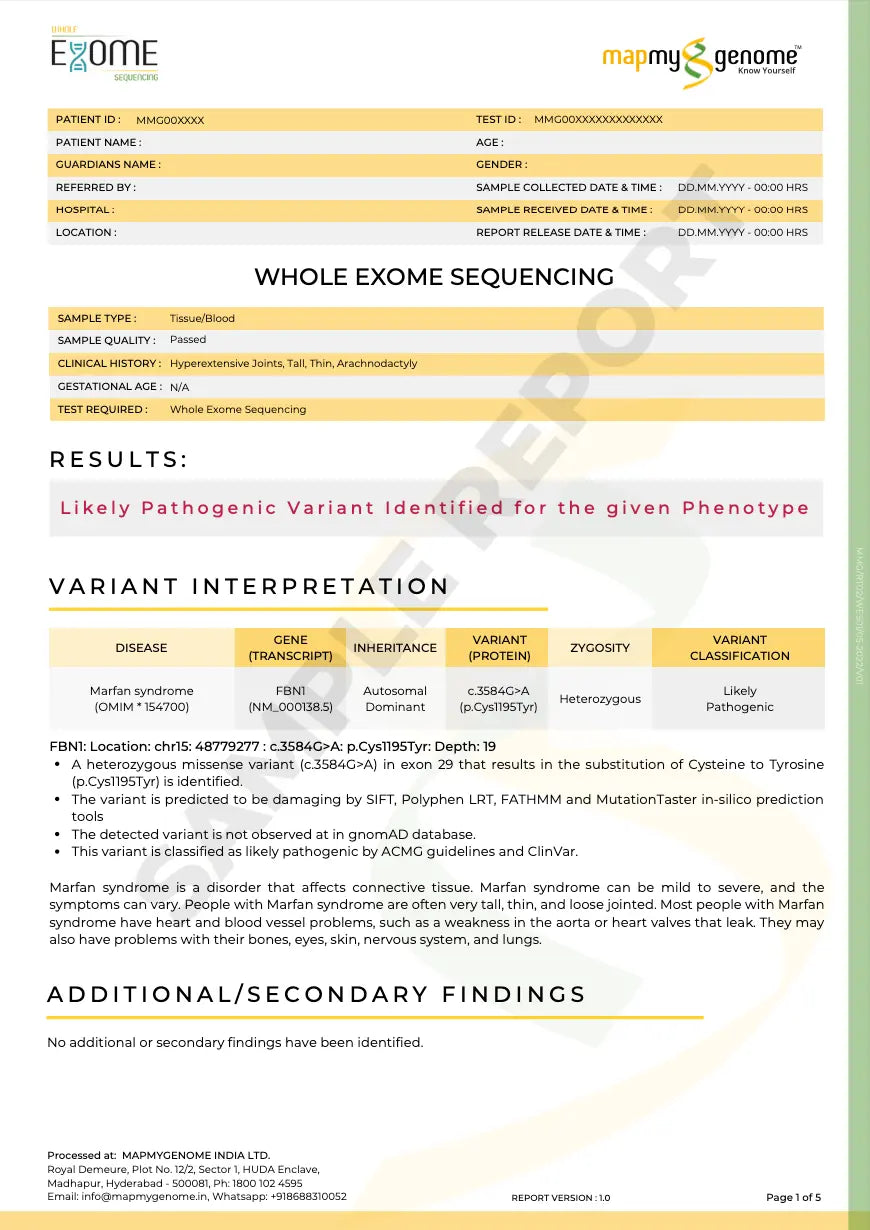
Genetic testing cannot diagnose autism — autism is a clinical diagnosis based on behavior and development. However, genetic testing can identify an underlying genetic cause in approximately 20–25% of autistic individuals, which has important implications for medical management and family counselling.
Get Genetic Answers for Neurodevelopmental Conditions
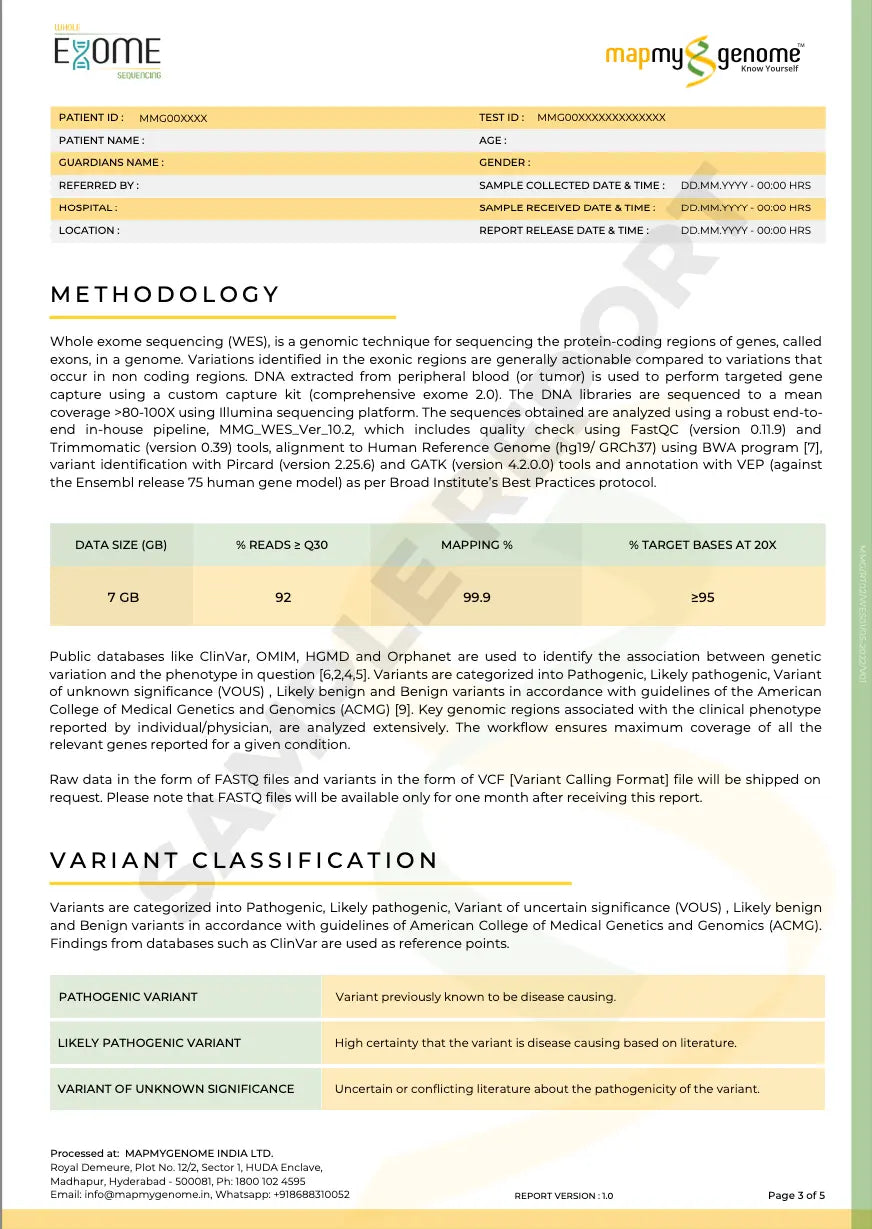
MapmyGenome offers Whole Exome Sequencing and chromosomal microarray for children with autism and other neurodevelopmental conditions — backed by NABL-certified labs and expert genetic counsellors who guide families from testing through results interpretation.