

180+ Cellular Biomarkers to Master Longevity: A Deep Dive into MapmyEpigenome
Chronological age records how many times you have traveled around the sun, but it reveals surprisingly little about your cellular health. Epigenetics—the study of how environmental factors, diet, and habits influence gene expression—has shifted how biological health and longevity are measured.
By evaluating over 1,000,000 DNA methylation sites (CpG sites) using high-density array technology and tracking 180+ epigenetic biomarkers, MapmyEpigenome delivers a detailed snapshot of biological aging, system-level performance, and underlying nutritional patterns.
What Makes MapmyEpigenome Unique?
Standard diagnostic panels usually evaluate basic blood biomarkers that fluctuate daily based on diet or stress. In contrast, epigenetic profiling maps chemical modifications directly on top of your DNA, measuring long-term cellular health rather than temporary spikes.
Core Testing Pillars
-
180+ Epigenetic Biomarkers: Evaluates nutrition, inflammation, cellular health, and metabolic pathways.
-
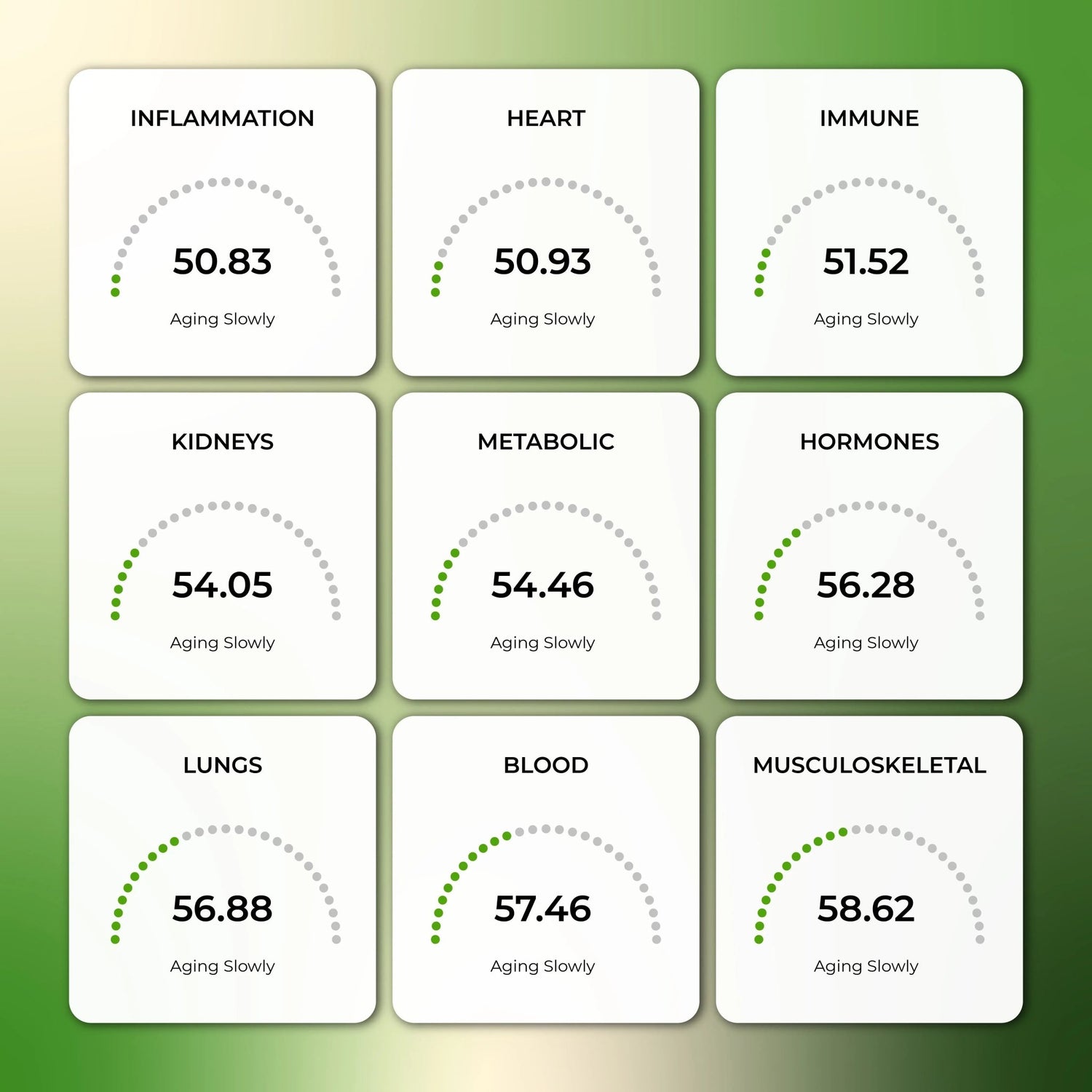
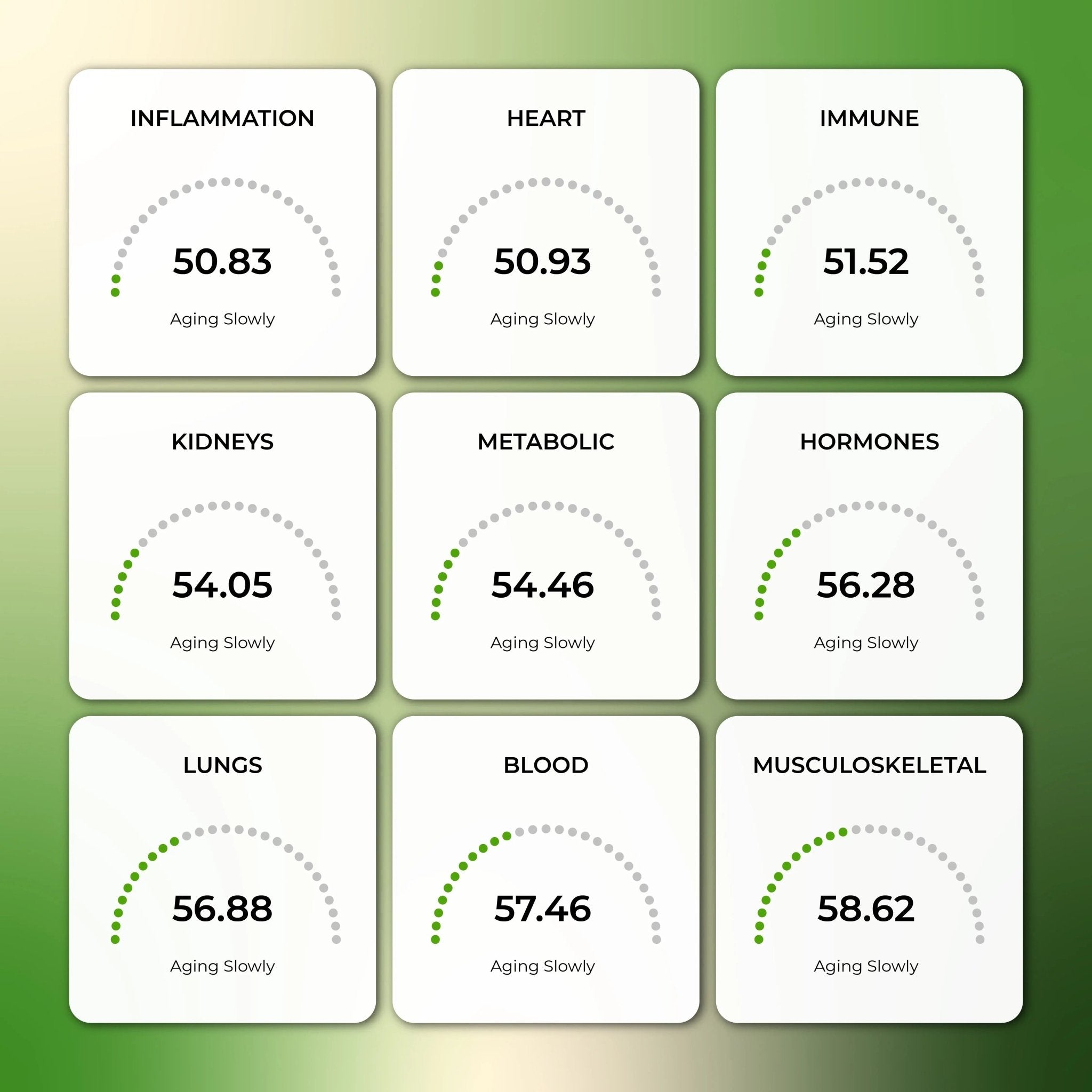
11 System-Specific Biological Ages: Measures localized aging across distinct internal organs and systems.
-
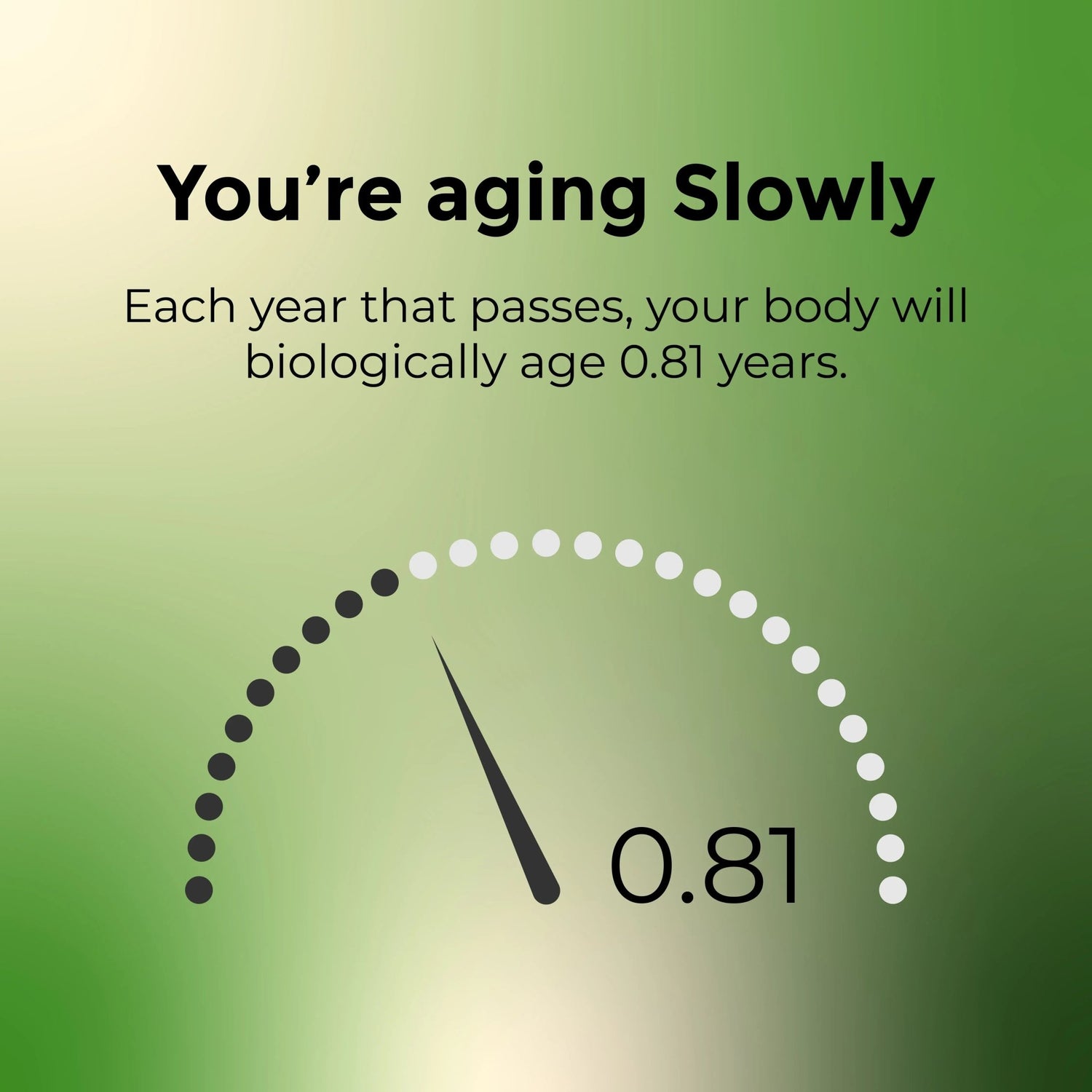
Pace of Aging Analysis: Tracks your real-time rate of cellular aging using the validated DunedinPACE algorithm.
-
Multi-Omic Biological Age: Employs advanced algorithms (like Harvard-backed OMICmAge) to identify specific cellular drivers of age acceleration.
5 Essential Insights Included in Your Report
1. Overall Biological Age & Pace of Aging
-
OMICmAge™: Developed alongside Harvard researchers, this multi-omic algorithm integrates proteomic, metabolomic, and clinical epigenetic proxies to quantify your true biological age. Rather than just returning a single number, it isolates individual methylation risk scores driving age acceleration.
-
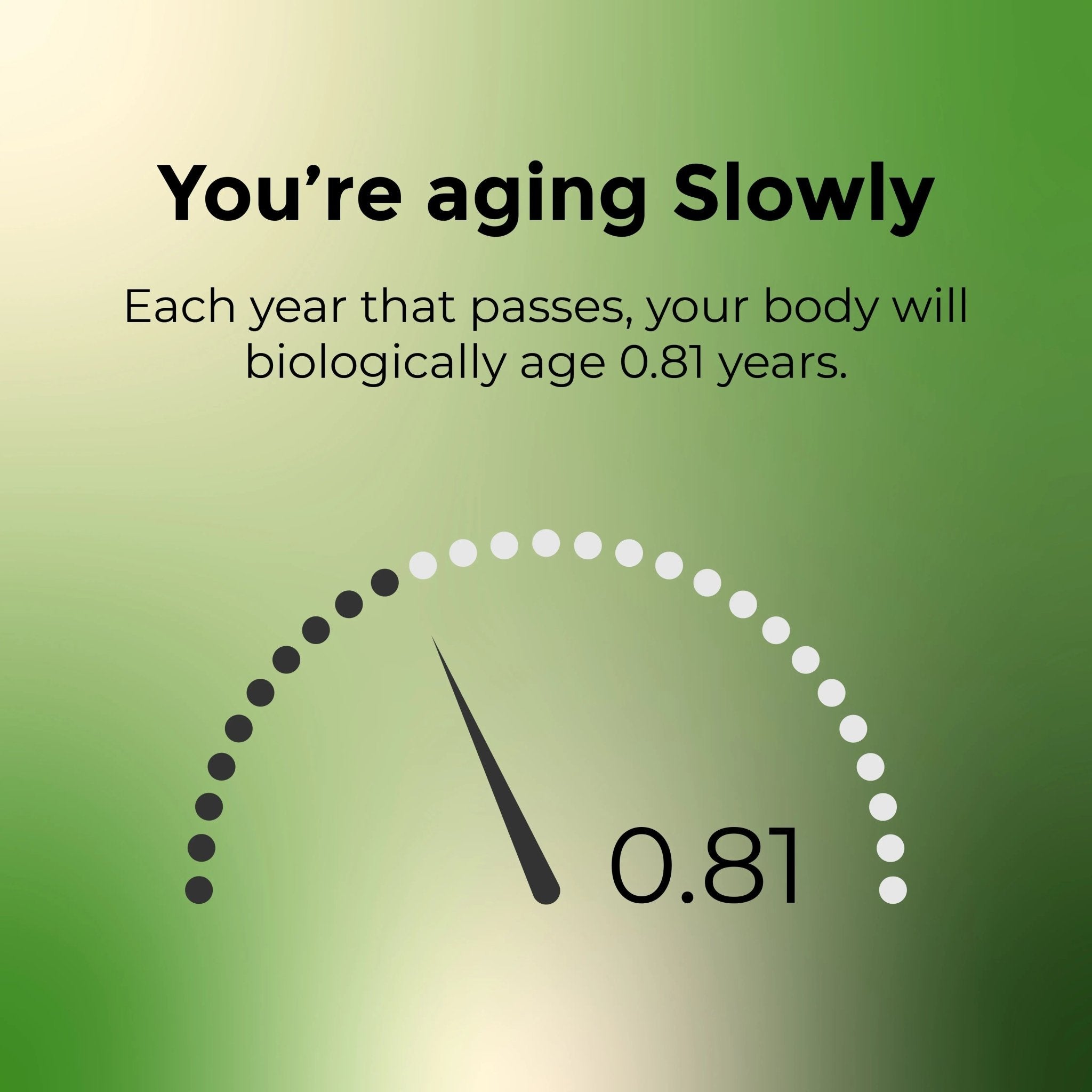
DunedinPACE™: Developed by researchers at Duke and Columbia Universities, this 3rd-generation "speedometer" measures your current rate of aging relative to calendar time. A score of 0.85 means your body is aging at a rate of 0.85 biological years for every calendar year.
2. Organ-Specific Aging (SYMPHONYAge™)

Biological aging does not affect every tissue equally. Developed by Yale University researchers, epigenetic tracking isolates cellular age across 11 key systems:
|
Organ / System |
What Epigenetics Measures |
|
Brain |
Neurocognitive biological wear and tissue-level methylation trends |
|
Heart & Blood |
Cardiovascular tissue integrity and vascular biological markers |
|
Liver & Kidneys |
Metabolic processing and filtration efficiency over time |
|
Immune & Inflammation |
Adaptive immune capacity and systemic inflammatory burden |
|
Metabolic & Endocrine |
Long-term glycemic regulation, insulin sensitivity, and hormone pathways |
|
Lungs & Musculoskeletal |
Respiratory cellular status and structural/connective tissue aging |
3. Long-Term Nutritional & Metabolic Profiling
Because DNA methylation captures long-term patterns, the report highlights persistent physiological trends:
-
Micronutrients & Amino Acids: Key methylation markers for Vitamin D, B-vitamins, NAD+ precursor pathways (nicotinamide), Glutamine, Taurine, and Arginine.
-
Lipid & Fatty Acid Ratios: Ratios across essential fatty acids, including Omega-3s (EPA, DHA), Omega-6 balance, and saturated fatty acid burdens.
-
Glycemic Health: Epigenetic signals corresponding to long-term insulin sensitivity and metabolic flexibility.
4. Immune Resilience & Cellular Senescence
-
Immune Cell Deconvolution: Breaks down proportions of T-cells, B-cells, and macrophages to assess immune system age and detect signs of immunosenescence.
-
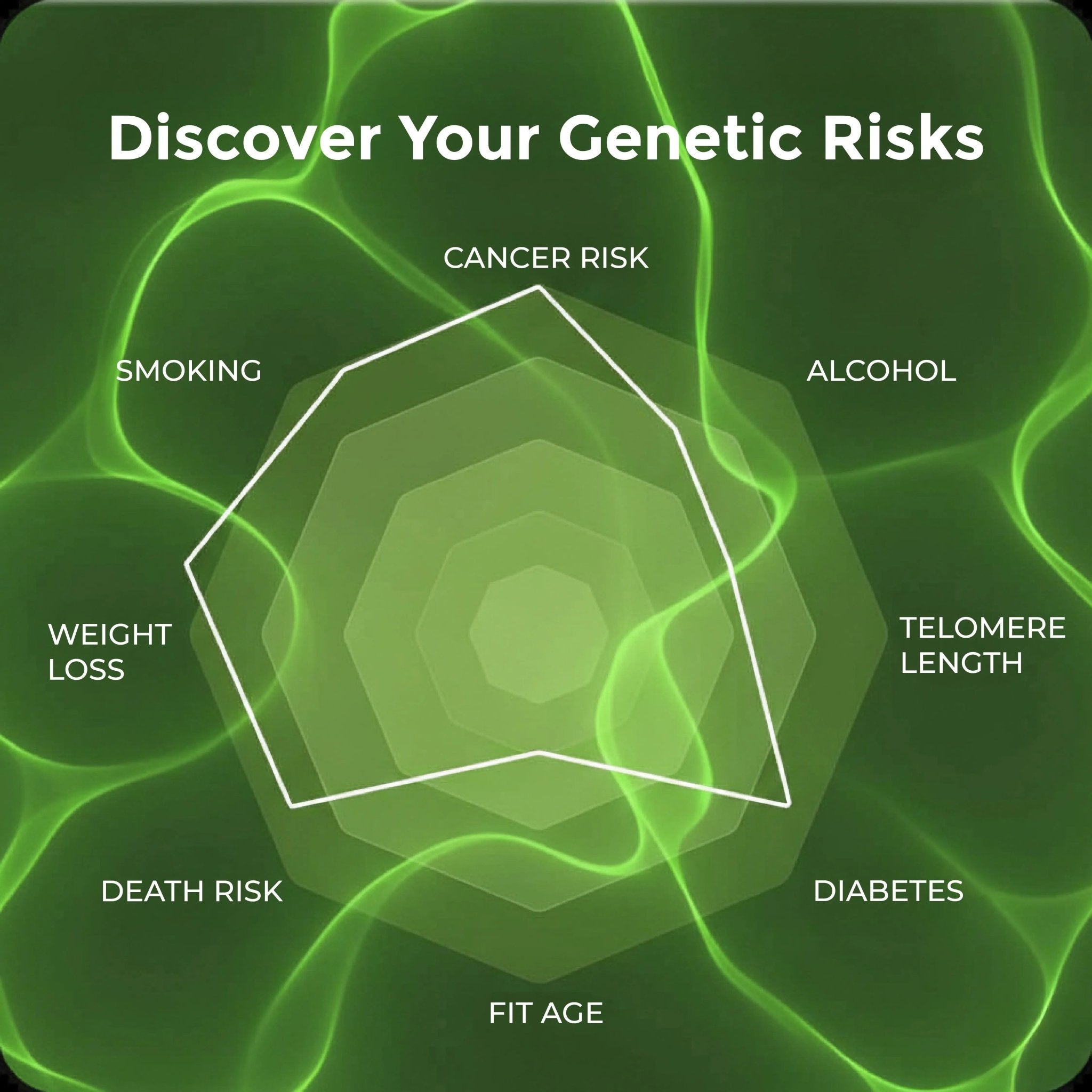
Telomere Length Status: Evaluates cellular replication capacity and chromosome end-cap preservation to assess cellular lifespan potential.
5. Historical Environmental & Lifestyle Impact
-
Smoking & Alcohol Biomarkers: Quantifies the cumulative biological impact of historical or current alcohol consumption and smoking exposure on DNA expression.
-
Reversal Timelines: Provides actionable estimates on how long lifestyle modifications, abstinence, or targeted interventions take to reverse cellular damage.
How the Testing Process Works
1. Sample Collection ➔ 2. Lab Processing ➔ 3. DNA Methylation Analysis ➔ 4. Comprehensive Report
-
Sample Collection: Perform a quick finger-prick blood collection at home—no hospital or clinic visit required.
-
Lab Processing: Your sample is processed in a CLIA-certified laboratory using research-grade microarrays measuring over 1,000,000 CpG sites across your genome.
-
Data Processing: Algorithms decode DNA methylation patterns against massive multi-omic clinical reference databases.
-
Digital Insights: Receive an actionable, multi-page report breaking down your systemic health, biological age, and personalized longevity focus areas within 3 to 4 weeks.
Reclaiming Control of Your Healthspan
Understanding cellular data gives health optimizers and longevity enthusiasts a clear baseline. Instead of guessing which lifestyle changes, supplements, or exercise routines work best, tracking epigenetic markers through MapmyEpigenome provides concrete feedback on whether your daily choices are slowing down your biological clock.