ప్రస్తుతం, మీ జీర్ణవ్యవస్థ లోపల, సుమారుగా 30-40 ట్రిలియన్ల బ్యాక్టీరియా చురుకుగా సంభాషిస్తున్నాయి. అవి నిష్క్రియాత్మకంగా జీవించవు. నిశ్శబ్దంగా తేలియాడవు. అవి సంభాషిస్తాయి.
అవి రసాయన సంకేతాలను పంపుతున్నాయి, వాటి పొరుగువారిని లెక్కిస్తున్నాయి, పనులను సమన్వయం చేస్తున్నాయి, పొత్తులు ఏర్పరుచుకుంటున్నాయి, మరియు ఒకదానికొకటి బెదిరింపుల గురించి హెచ్చరిస్తున్నాయి.
శాస్త్రవేత్తలు ఈ ప్రక్రియను కోరం సెన్సింగ్ అని పిలుస్తారు — మరియు ఇది మనం ప్రేగు ఆరోగ్యాన్ని అర్థం చేసుకునే విధానాన్ని మారుస్తుంది.
పేగులో బాక్టీరియా సంభాషణ అంటే ఏమిటి?
బాక్టీరియా సంభాషణ అనేది ఒక జీవ వ్యవస్థ, దీనిలో సూక్ష్మజీవులు వాటి పరిసరాలలోకి చిన్న రసాయన అణువులను విడుదల చేస్తాయి. తగినంత బ్యాక్టీరియా ఒకే సంకేతాన్ని విడుదల చేసినప్పుడు, గాఢత పెరుగుతుంది. అది ఒక పరిమితిని చేరుకున్న తర్వాత, బ్యాక్టీరియా గుర్తిస్తుంది: "మనలో తగినంత మంది ఉన్నారు. కలిసి పనిచేయడానికి సమయం వచ్చింది."
వివిక్త కణాల వలె ప్రవర్తించకుండా, అవి అత్యంత వ్యవస్థీకృత సమాజం వలె పనిచేస్తాయి. దీనిని సూక్ష్మ సమూహ చాట్ లాగా ఆలోచించండి - సందేశాలు రసాయనాలతో కూడుకున్నవి తప్ప.
పేగులోని బ్యాక్టీరియా ఎందుకు సంభాషిస్తాయి?
మీ గట్ మైక్రోబయోమ్ వందలాది జాతులను కలిగి ఉంది మరియు సుమారు 1-2 కిలోగ్రాముల బరువు ఉంటుంది - ఇది మీ మెదడు బరువుతో దాదాపు సమానం. మీరు జీవించడానికి మరియు వృద్ధి చెందడానికి సహాయపడటానికి, అవి ముఖ్యమైన పనులను సమన్వయం చేస్తాయి:
1. సమర్థవంతమైన జీర్ణక్రియ
సంక్లిష్ట ఫైబర్లను విచ్ఛిన్నం చేయడానికి సమన్వయం అవసరం. ఏ ఒక్క బ్యాక్టీరియా కూడా దానిని ఒంటరిగా చేయలేదు. అవి సంభాషించినప్పుడు, అవి పనులను విభజించి, పోషకాలను మరింత సమర్థవంతంగా సంగ్రహిస్తాయి.
2. రోగనిరోధక నియంత్రణ
మీ రోగనిరోధక వ్యవస్థలో దాదాపు 70% మీ ప్రేగులో నివసిస్తుంది. బాక్టీరియా సంకేతాలు మంటను నియంత్రించడంలో సహాయపడతాయి మరియు రోగనిరోధక కణాలకు స్నేహితుడు మరియు శత్రువుల మధ్య తేడాను నేర్పుతాయి.
3. హానికరమైన సూక్ష్మజీవుల నుండి రక్షణ
రోగకారక క్రిములు కనిపించినప్పుడు, ప్రయోజనకరమైన బ్యాక్టీరియా సమిష్టిగా రక్షణలను బలోపేతం చేయగలదు లేదా ఆక్రమణదారులు ప్రేగు పొరకు అతుక్కోకుండా నిరోధించగలదు.
4. స్థిరమైన పర్యావరణ వ్యవస్థను నిర్వహించడం
అవి pH స్థాయిలను సమతుల్యం చేస్తాయి, పోషకాలను పంచుకుంటాయి మరియు గందరగోళాన్ని నిరోధించడానికి నిర్మాణాత్మక సంఘాలను ఏర్పరుస్తాయి. సంభాషణ లేకుండా, మీ ప్రేగు సూక్ష్మజీవుల అరాచకం అవుతుంది.
పేగులోని బ్యాక్టీరియా ఎలా "మాట్లాడుతుంది"?
అవి మాట్లాడవు లేదా టెక్స్ట్ మెసేజ్లు పంపవు. అవి సిగ్నలింగ్ అణువులను విడుదల చేస్తాయి. వివిధ బ్యాక్టీరియా వివిధ రసాయన "భాషలను" ఉపయోగిస్తాయి:
ఎశ్చిరిచియా కోలి (ఇ. కోలి) AHLs (యాసిల్-హోమోసెరిన్ లాక్టోన్స్) అనే అణువులను ఉపయోగిస్తుంది.
లాక్టోబాసిల్లస్ (పెరుగులో కనిపించే స్నేహపూర్వక బ్యాక్టీరియా) పెప్టైడ్స్ అని పిలువబడే చిన్న ప్రోటీన్ శకలాలను ఉపయోగిస్తుంది.
ఇండోల్ సార్వత్రిక సంకేతం వలె పనిచేస్తుంది, ఇది వివిధ బాక్టీరియా జాతులు — మరియు మీ స్వంత కణాలు కూడా — ప్రతిస్పందించడానికి అనుమతిస్తుంది.
సిగ్నల్ స్థాయిలు తగినంతగా పెరిగినప్పుడు, బ్యాక్టీరియా రక్షణ బయోఫిల్మ్లను ఏర్పరుస్తుంది, జీర్ణ ఎంజైమ్ ఉత్పత్తిని పెంచుతుంది, రక్షణ వ్యవస్థలను సక్రియం చేస్తుంది లేదా వనరులను ఆదా చేయడానికి వృద్ధిని నెమ్మదిస్తుంది.

సంభాషణ విచ్ఛిన్నమైనప్పుడు
యాంటీబయాటిక్స్, దీర్ఘకాలిక మంట లేదా సరైన ఆహారం లేకపోవడం వల్ల బ్యాక్టీరియా సంకేతాలకు అంతరాయం కలిగితే, మొత్తం వ్యవస్థ పనిచేయకపోవచ్చు. హానికరమైన బ్యాక్టీరియా సంకేతాలను హైజాక్ చేయవచ్చు, ప్రయోజనకరమైన బ్యాక్టీరియా సమన్వయం కోల్పోవచ్చు మరియు ఉబ్బరం, అలసట, బ్రెయిన్ ఫాగ్ మరియు రోగనిరోధక సమస్యల వంటి లక్షణాలు సంభవించవచ్చు.
ఇది మీ ఆరోగ్యానికి ఏమి సూచిస్తుంది
మీ ప్రేగులోని బ్యాక్టీరియా సంభాషణలు మీరు వాటిని పట్టించుకున్నా లేకపోయినా జరుగుతూనే ఉంటాయి. ప్రశ్న ఏమిటంటే: ఆ సంభాషణలు ఆరోగ్యకరమైనవా? ఒక విచ్ఛిన్నమైన సూక్ష్మజీవి కేవలం జీర్ణక్రియను మాత్రమే ప్రభావితం చేయదు — ఇది మీ మెదడు, రోగనిరోధక వ్యవస్థ మరియు జీవక్రియకు ప్రమాద సంకేతాలను పంపుతుంది.
శుభవార్త: మీరు ఆహారం, ప్రోబయోటిక్స్, నిద్ర మరియు ఒత్తిడి నిర్వహణ ద్వారా ఈ సంభాషణలను ప్రభావితం చేయవచ్చు. మరియు ఇప్పుడు, మీరు వాటిని నిజంగా వినవచ్చు.
మీ ప్రేగు సంభాషణలను వినండి
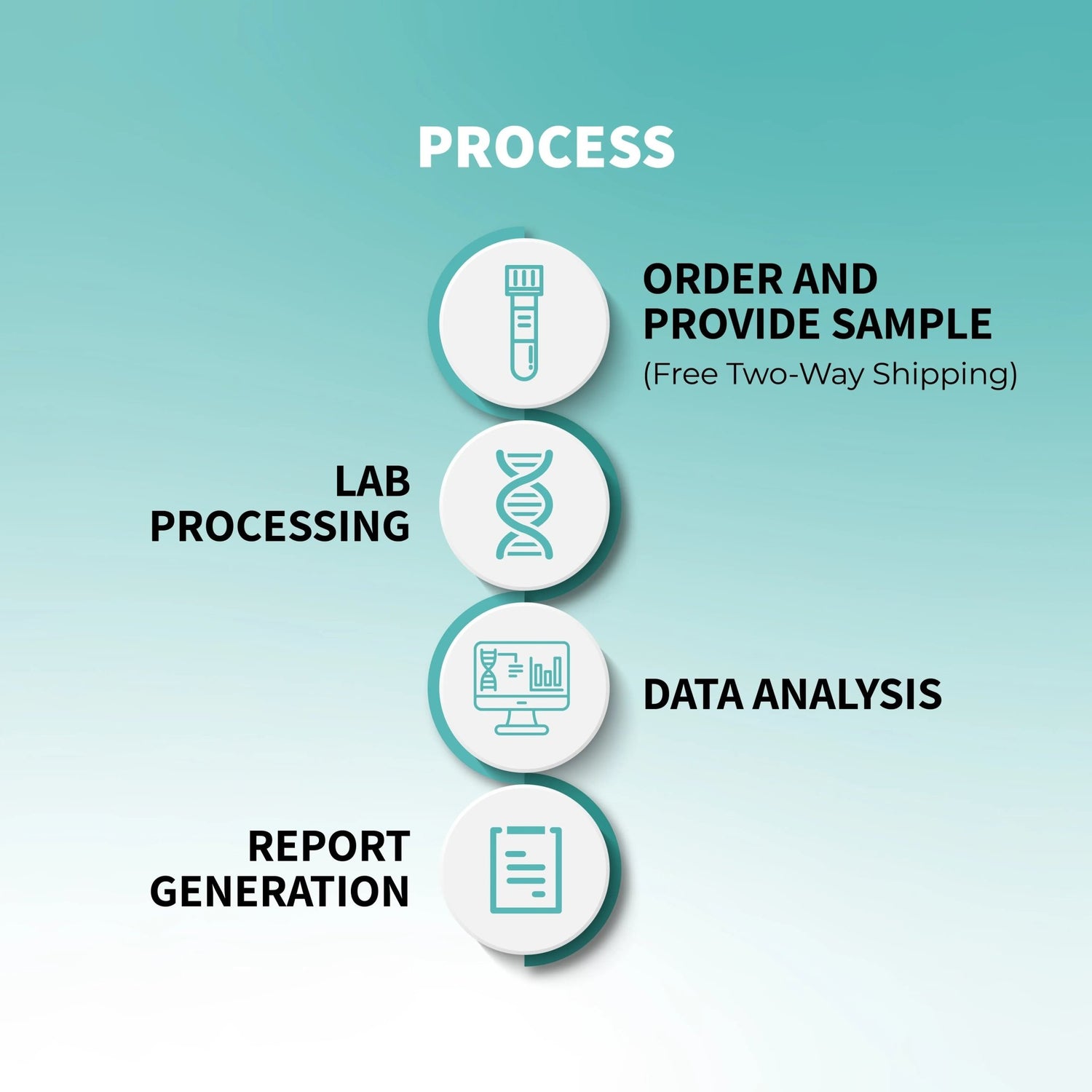
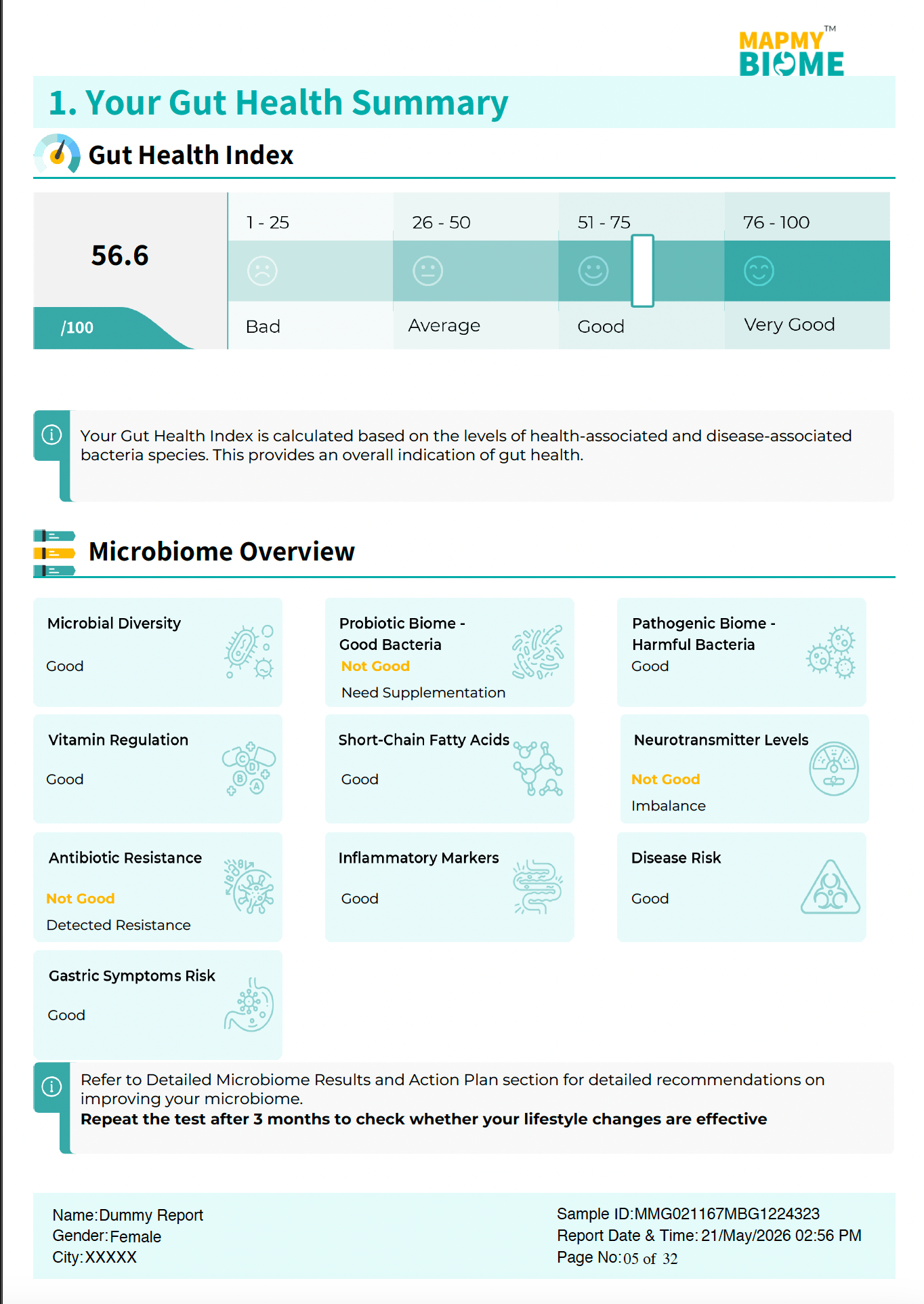
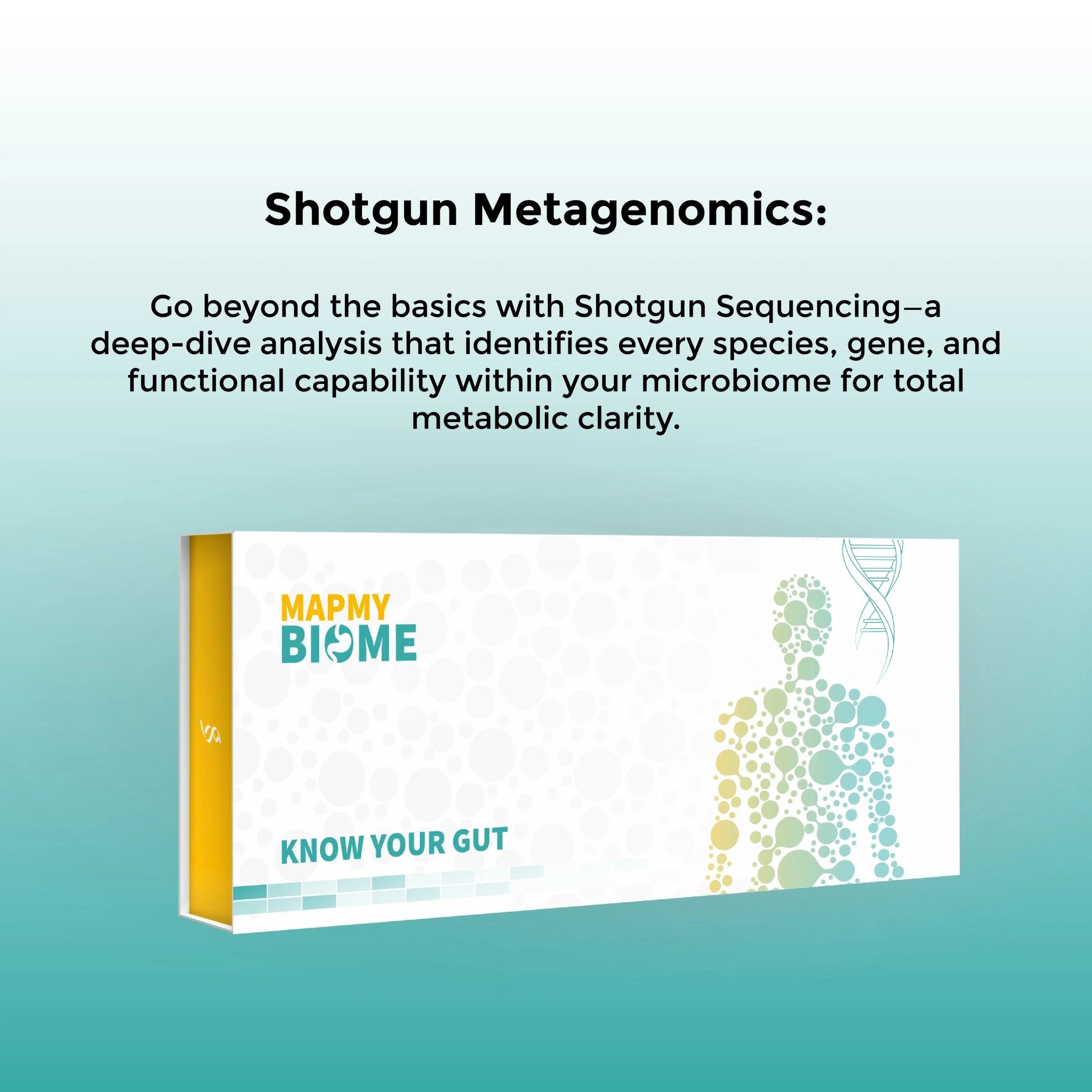
MapmyBiome అధునాతన షాట్గన్ సీక్వెన్సింగ్ను ఉపయోగించి మీ ప్రత్యేకమైన గట్ మైక్రోబయోమ్ను మ్యాప్ చేస్తుంది — ఏ బ్యాక్టీరియా ఉందో గుర్తించి, అవి సమర్థవంతంగా కమ్యూనికేట్ చేస్తున్నాయో లేదో తెలుసుకుని, సమతుల్యతను పునరుద్ధరించడానికి మీకు వ్యక్తిగతీకరించిన ఆహారం, ప్రోబయోటిక్ మరియు జీవనశైలి సిఫార్సులను అందిస్తుంది.
MapmyBiome ని అన్వేషించండి → స్టే యంగ్ బండిల్ను అన్వేషించండి →