

46% of Karnataka Was Covid Infected by August: Sero Survey Report
A seroprevalence survey conducted in Karnataka revealed that approximately 46% of the population had been infected with SARS-CoV-2 by August 2020 — a finding that highlighted the true scale of COVID-19 spread in India, far beyond what official case counts suggested.
What Is a Seroprevalence Survey?
A seroprevalence survey (or sero survey) tests a representative sample of the population for antibodies against SARS-CoV-2 — proteins produced by the immune system in response to infection. Unlike RT-PCR tests that detect active infection, antibody tests reveal past infection, including asymptomatic cases that were never officially counted. Sero surveys are a powerful tool for understanding the true burden of COVID-19 in a population.
Key Findings
Approximately 46% of Karnataka’s population showed evidence of past SARS-CoV-2 infection by August 2020
The true number of infections was far higher than official case counts — reflecting the large proportion of asymptomatic and mild cases that were never tested
Sero surveys help public health authorities understand herd immunity levels, plan vaccination strategies, and allocate healthcare resources
The Genetic Angle
Sero surveys reveal population-level infection patterns, but individual susceptibility to COVID-19 — and the severity of disease — is significantly influenced by genetic factors. Variants in immune genes (HLA, interleukin family, ACE2) influence susceptibility, immune response, and the risk of severe outcomes including cytokine storm.
Know Your Genetic Immune Profile
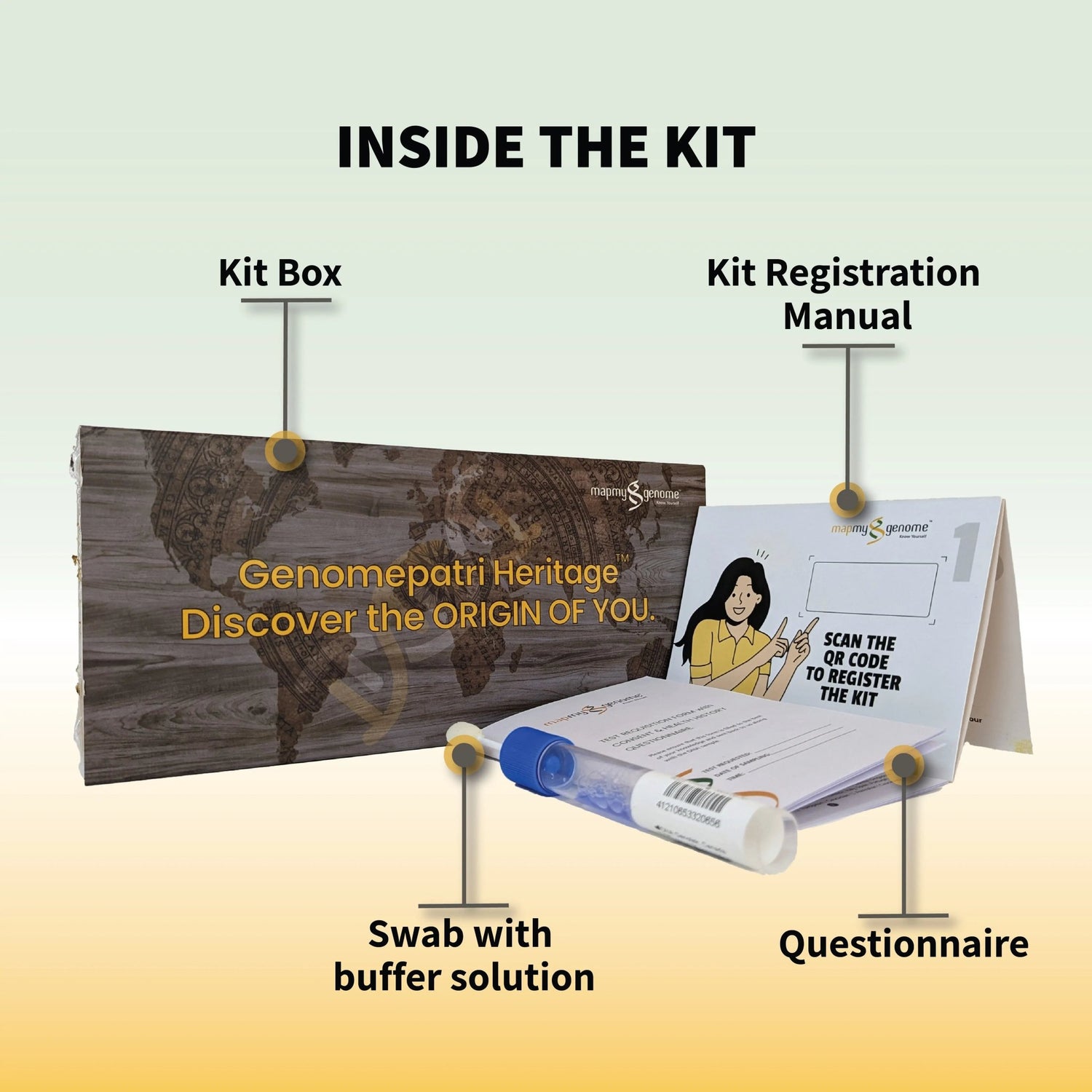
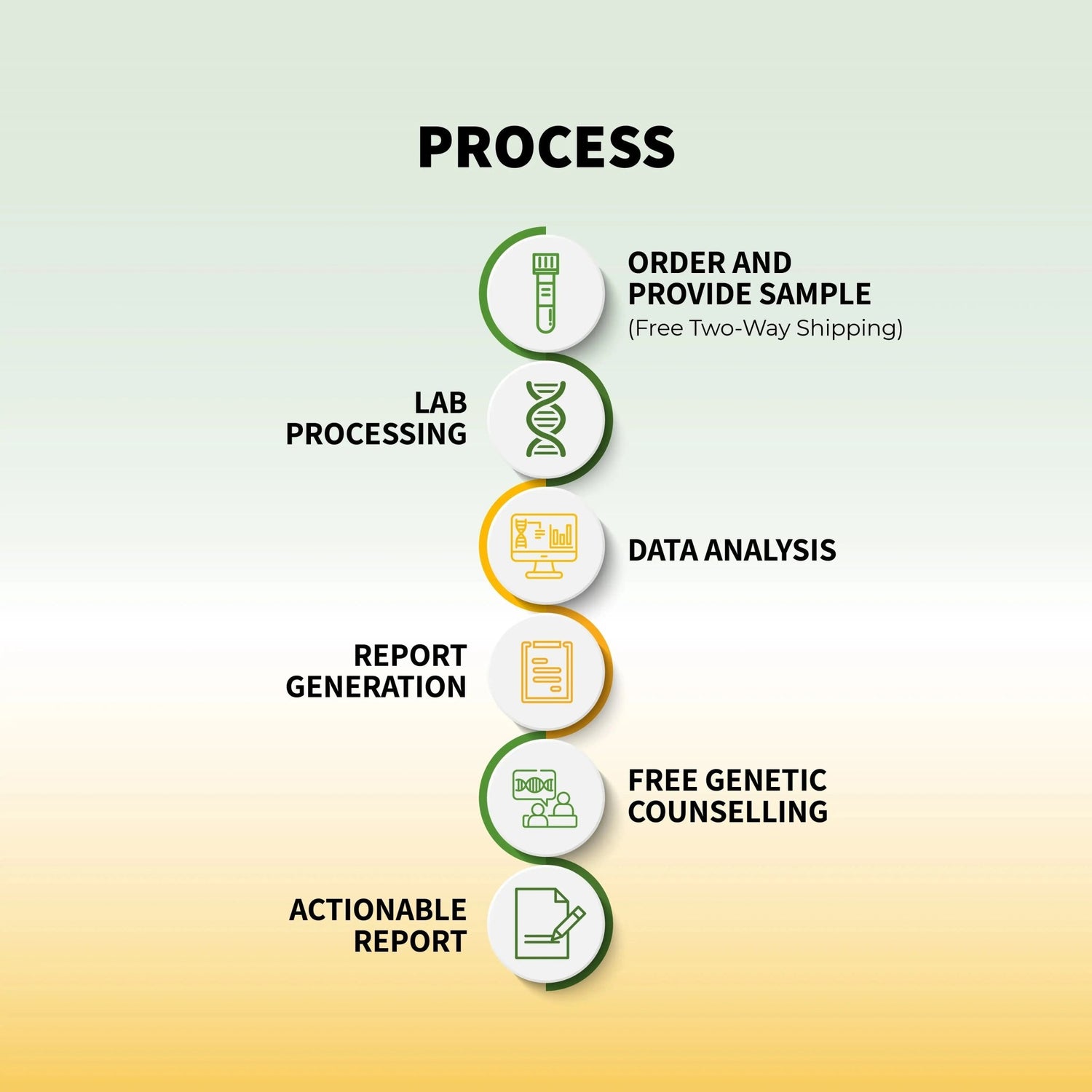
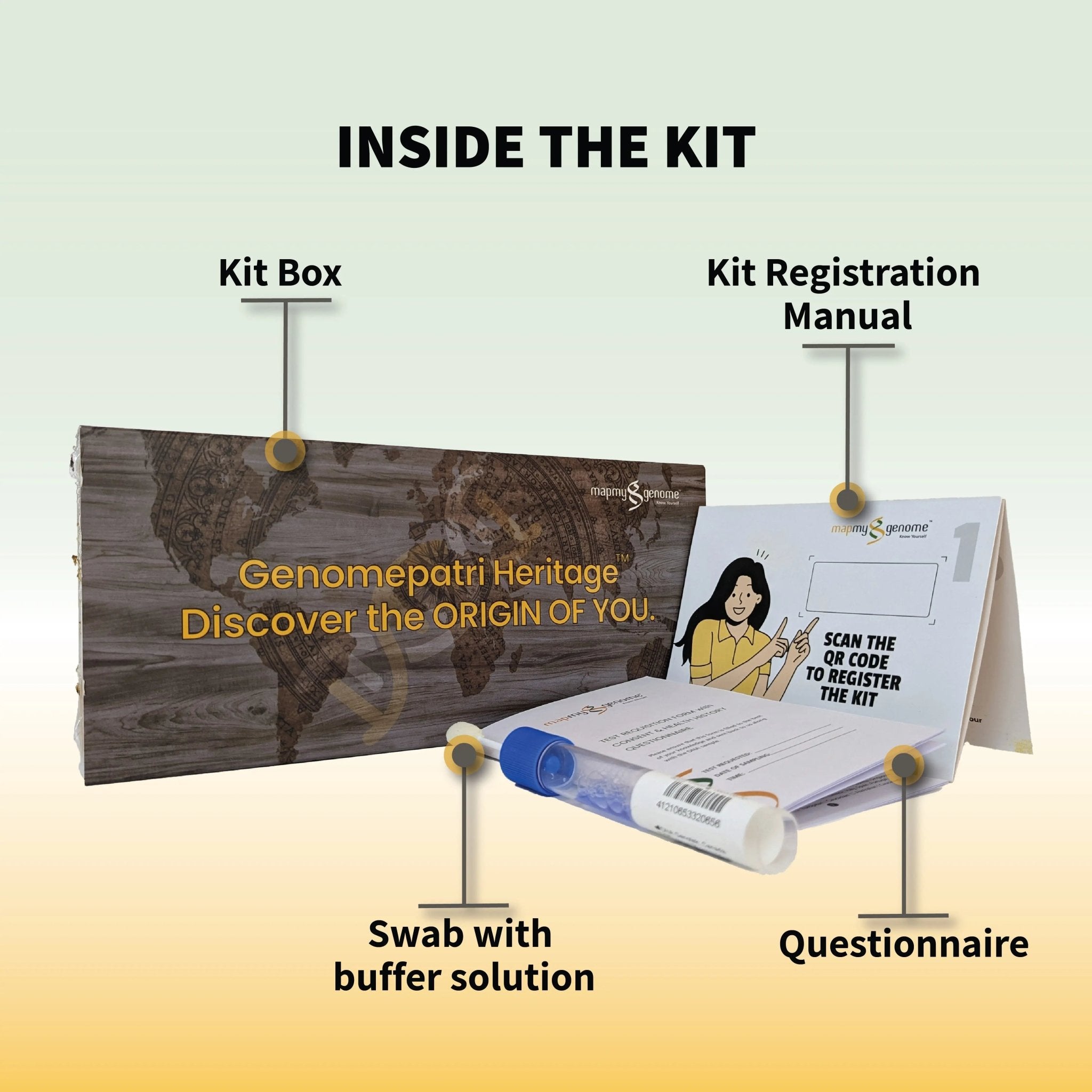
Genomepatri by MapmyGenome analyses your genetic predisposition to immune-related conditions, vitamin deficiencies, inflammatory response, and comorbidities that affect COVID-19 severity — helping you personalise your prevention and health plan.