

Top 7 Gut-Friendly Foods That Cause Severe Digestive Issues When Eaten at the Wrong Time
Curd rice is an exceptional natural probiotic for gut health, but metabolic timing dictates its physiological impact. Consuming healthy, microbial-rich superfoods at improper hours or in over-fermented states can transform beneficial fibers and bacteria into acute drivers of bloating, hyperacidity, and digestive distress.

1. Curd and Curd Rice
- Nutritional Benefit: Delivers dense concentrations of live Lactobacillus and Bifidobacterium strains that synthesize short-chain fatty acids (SCFAs), reinforce the intestinal mucosal barrier, and suppress pathogenic microbes.
- The Timing & Fermentation Trap: Gastric acid production naturally decreases at night as metabolic motility slows. Eating curd late in the evening causes milk casein and lactic acid to pool in the stomach, fueling nocturnal acid reflux, mucus hyper-secretion, and trapped gas. Over-fermented, sour curd drastically increases gastric acidity.
-
Optimal Window: Breakfast or mid-day lunch when circadian stomach acid secretion and digestive energy peak.

2. Bananas
- Nutritional Benefit: Packed with soluble pectin fiber and resistant starch that nourish beneficial gut microbes and maintain smooth peristaltic motility.
- The Timing & Fermentation Trap: Eating bananas on an empty morning stomach disrupts serum magnesium-potassium balances while triggering stomach acid surges. When eaten right before sleep, high-carbohydrate prebiotic fibers undergo slow microbial fermentation in stationary intestines, causing morning distension and heartburn.
-
Optimal Window: Mid-morning snack or post-workout, ideally paired with healthy fats to buffer sugar release.

3. Kombucha and Fermented Drinks
- Nutritional Benefit: Provides organic acids (acetic, gluconic), natural yeasts, and probiotic strains that enhance digestive enzyme synthesis and diversify gut microflora.
- The Timing & Fermentation Trap: Consuming raw kombucha first thing in the morning forces concentrated organic acids against an unprotected gastric lining, causing immediate stomach cramps. Batches left to ferment too long accumulate harsh acid levels and micro-alcohol byproducts that irritate bowel membranes.
-
Optimal Window: Early afternoon, roughly 30 minutes after a meal to buffer stomach acidity.

4. Raw Cruciferous Vegetables
- Nutritional Benefit: Rich in glucosinolates, sulforaphane, and prebiotic fibers that fuel butyrate-producing bacteria and suppress intestinal inflammation.
- The Timing & Fermentation Trap: Cruciferous plants contain raffinose—a complex trisaccharide that humans cannot digest without microbial assistance. Consuming raw cruciferous salads late in the evening forces colonic bacteria to ferment raffinose overnight, producing heavy methane and hydrogen gas buildup.
-
Optimal Window: Cooked or lightly steamed during lunch; avoid raw consumption past 6 PM.

5. Apples
- Nutritional Benefit: High pectin content acts as a selective prebiotic for Akkermansia muciniphila, a bacterium essential for maintaining a strong intestinal mucosa.
- The Timing & Fermentation Trap: Nighttime apple intake forces pectin and fructose to sit stagnant in the nocturnal gastrointestinal tract. Extended microbial fermentation produces overnight gas, sour stomach, and lower abdominal pressure.
-
Optimal Window: Mid-morning or early afternoon, consumed whole and thoroughly chewed.
 6. Sprouted Pulses
- Nutritional Benefit: Sprouting neutralizes antinutrients like phytic acid while multiplying the bioavailability of essential enzymes, zinc, and B-vitamins.
- The Timing & Fermentation Trap: Leaving sprouts at room temperature for over 24 hours encourages bacterial contamination. Eating raw sprouts at dinner introduces complex oligosaccharides that ferment during rest, resulting in painful stomach cramps and flatulence.
-
Optimal Window: Lightly steamed or boiled, eaten during breakfast or lunch.

7. Garlic and Raw Onions
- Nutritional Benefit: Loaded with inulin and fructooligosaccharides (FOS), high-potency prebiotic fibers that fuel healthy Bifidobacteria populations.
- The Timing & Fermentation Trap: Inulin ferments rapidly in the gastrointestinal tract. Consuming raw garlic or onions on an empty stomach or late at night releases concentrated allicin and sulfur compounds, irritating the stomach lining and triggering severe GERD or heartburn.
-
Optimal Window: Sautéed into warm daytime meals; avoid raw consumption near bedtime.

Personalizing Your Gut Strategy with the Mapmybiome Test
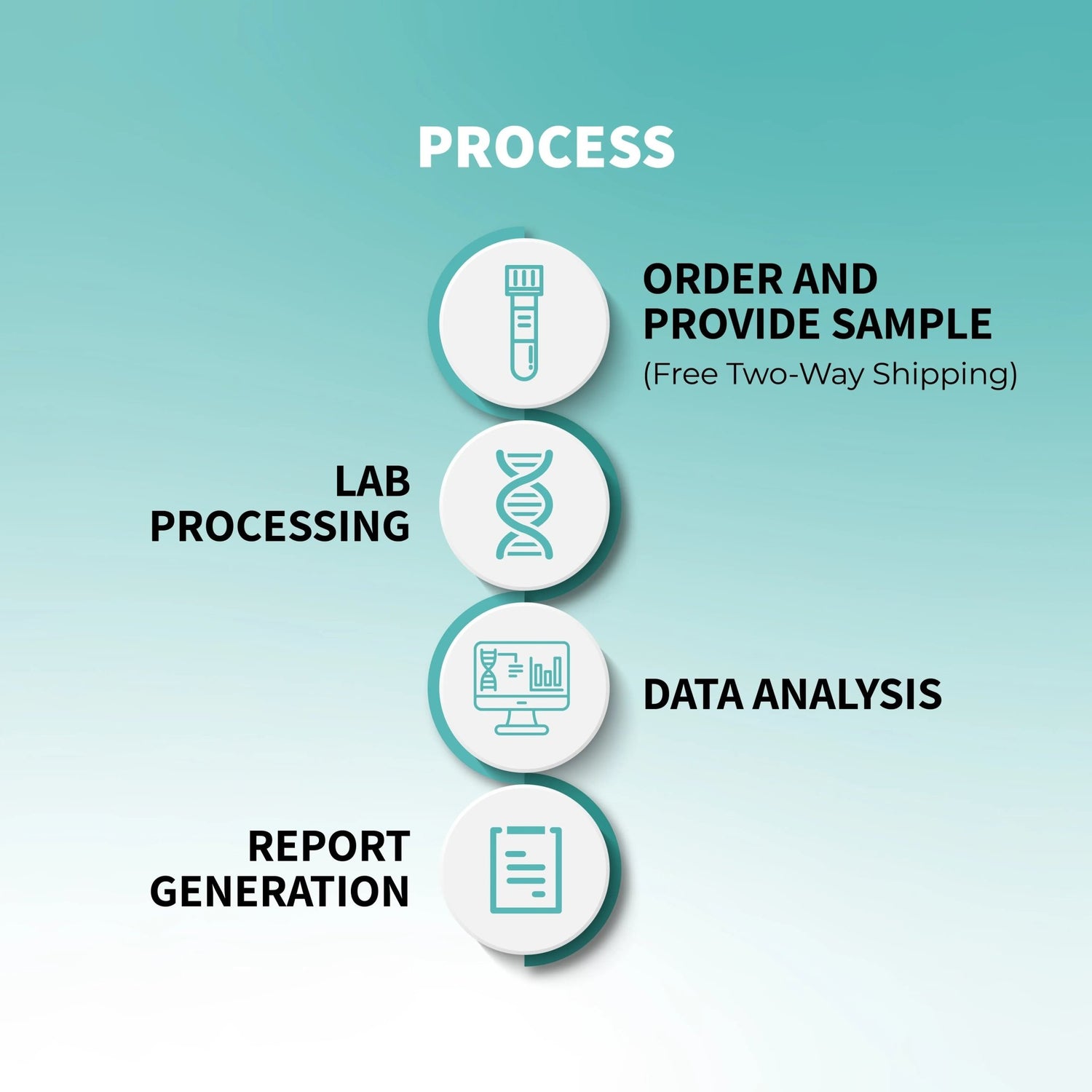
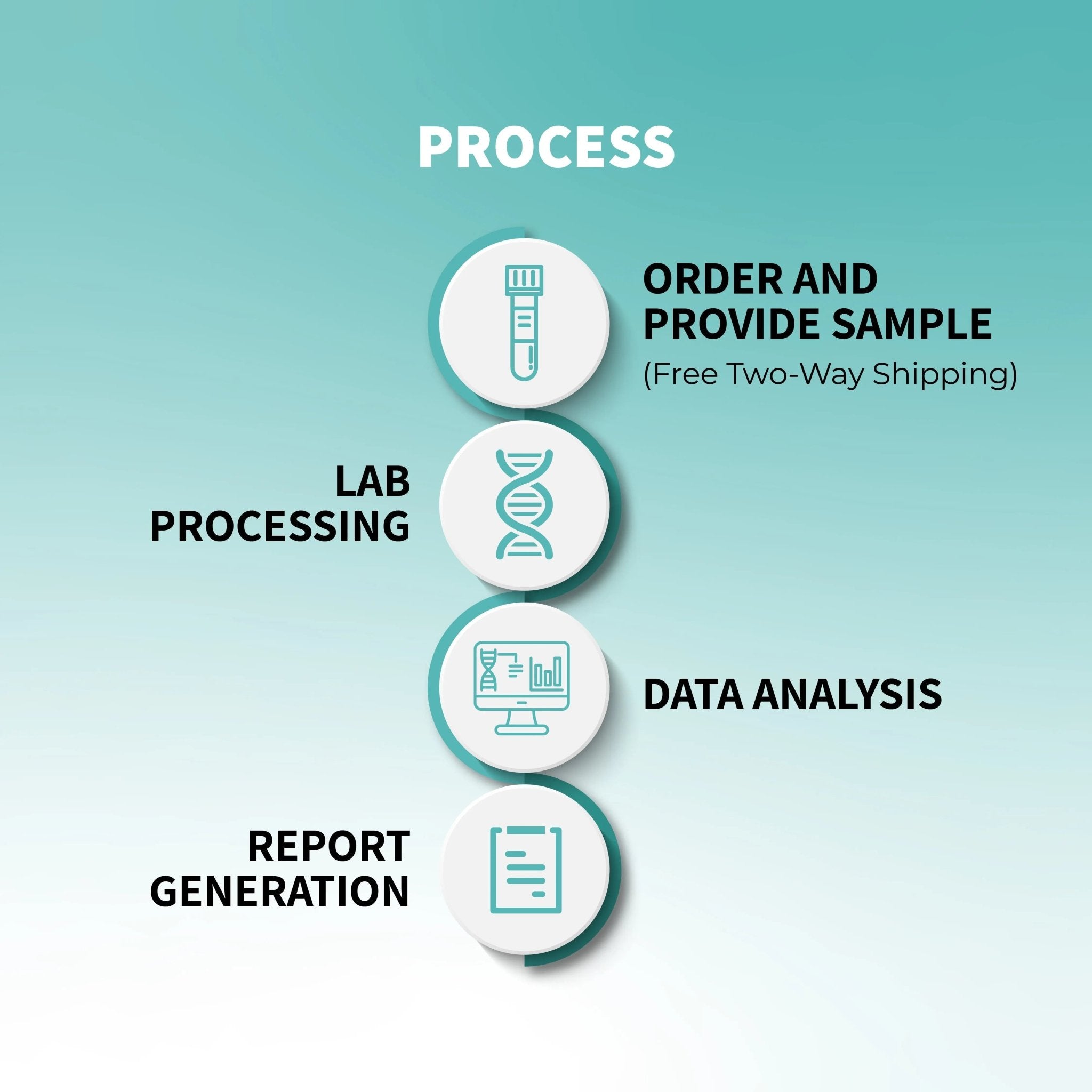
Even healthy foods can trigger severe digestive issues if your baseline microbiome is out of balance. The Mapmybiome Test by Mapmygenome is an advanced, at-home gut microbiome test that uses Metagenomic Shotgun Sequencing to map the precise genetic profile of your gut ecosystem.
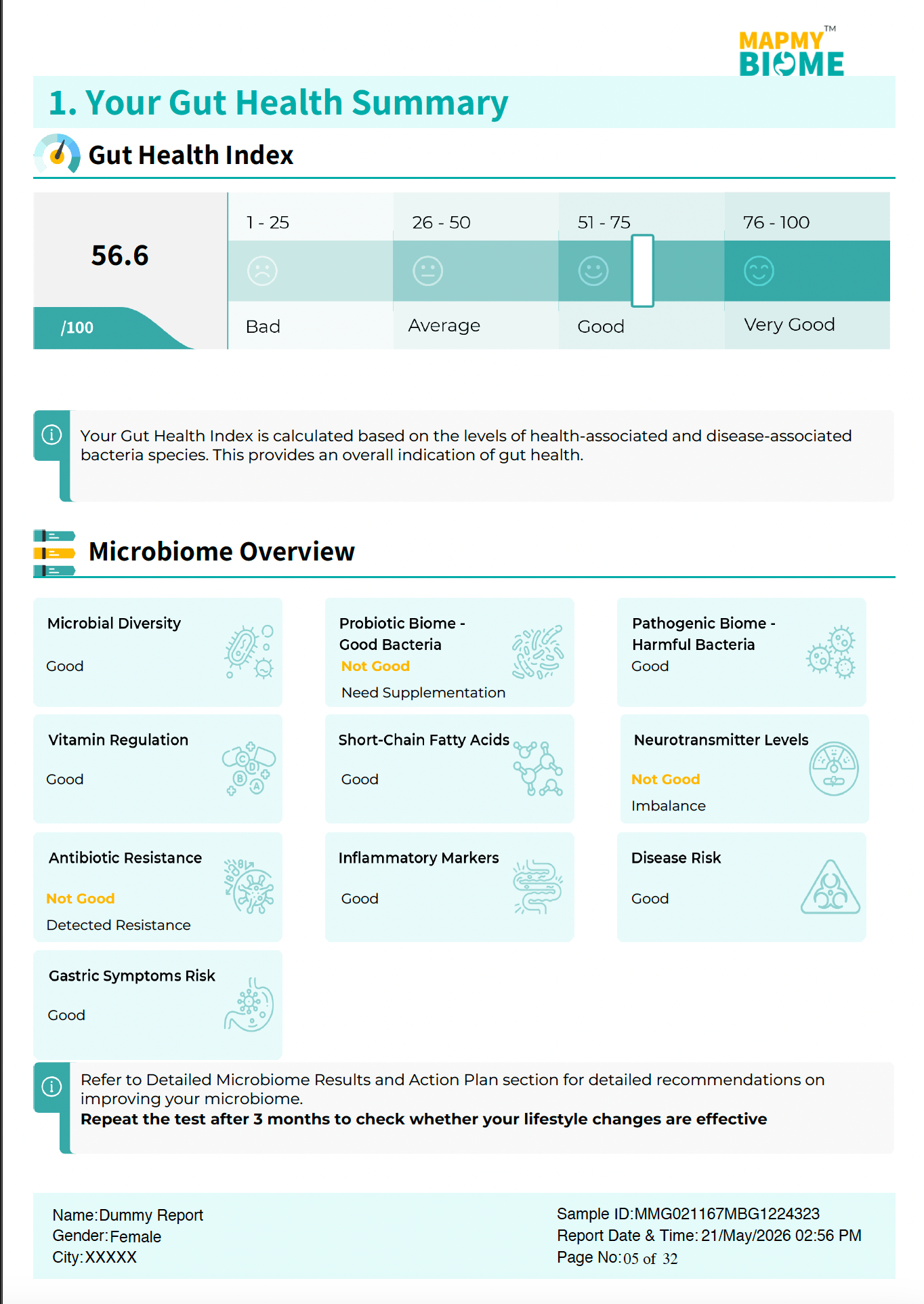
Instead of guessing why healthy foods like curd rice, raw sprouts, or garlic cause unexpected bloating, Mapmybiome analyzes a simple stool sample to evaluate:
- Microbial Diversity & Composition: Identifies exact species and strain ratios of beneficial vs. pathogenic bacteria, fungi, and viruses.
- Digestive Pathways: Measures your gut's ability to produce short-chain fatty acids (SCFAs), break down prebiotics, and process dietary fibers.
- Personalized Recommendations: Provides targeted nutritional, probiotic, and lifestyle guidance customized to your specific microbial profile, eliminating food sensitivities and optimizing digestive timing.
Testing your microbiome takes the trial-and-error out of gut health, ensuring every probiotic food you consume actively supports your metabolic digestion.