

You are 72 years old.
You wake up early, tie your walking shoes without struggling, take a brisk morning walk, and spend the day doing things you enjoy. Your memory is sharp. Your joints don't complain every time you stand up. You play with your grandchildren, travel when you want, and live independently.
Now imagine a different version. The same age. The same life.
But every step feels heavy. Climbing stairs is exhausting. Medications fill a kitchen drawer. Energy is limited, sleep is poor, and everyday activities require more effort than they should.
What separates these two futures?
Surprisingly, the answer may not lie in what happens at 70.
It may lie in the choices you make in your 30s.
The Decade Nobody Talks About

Most people think of ageing as something that starts much later in life.
But scientists now know that many of the biological changes associated with ageing begin decades before we notice them. Muscle mass gradually declines. Bone density slowly decreases. Metabolism changes. Recovery takes a little longer than it used to. These shifts are subtle, but they matter.
Your 30s are often the first decade where your body begins sending quiet signals.
The good news?
This is also the decade when small investments can create some of the biggest long-term returns.
Think of your health like a retirement fund. The earlier you start contributing, the more time those investments have to grow.
Building a Body That Lasts

Consider two people entering their 70s.
One spent years staying active, building strength, and maintaining cardiovascular fitness.
The other postponed movement, assuming there would always be time later.
As the decades pass, both lose some physical capacity—because ageing affects everyone. But the first person starts from a much higher peak.
That extra reserve can make the difference between independence and dependency.
Researchers studying highly active older adults consistently find that maintaining fitness earlier in life is associated with better mobility, strength, and function in later years.
You don't need to become a marathon runner.
Sometimes the most powerful habit is simply moving every day.
A brisk walk after meals.
Weekend cycling.
Swimming.
Tennis or badminton.
Strength training a few times each week.
These activities don't just help you today—they help create a stronger future version of yourself.
The Most Important Muscles You May Be Ignoring

When people think about fitness, they often focus on abs or weight loss.
But the muscles that matter most for healthy ageing are often the ones below your waist.
Strong legs support balance, mobility, and independence.
Falls are one of the biggest threats to health and quality of life in older adults. Maintaining strength, flexibility, and coordination throughout adulthood can help reduce that risk.
Every squat, every walk, every flight of stairs is an investment in your future mobility.
Protecting the Organ That Defines You

Your brain is ageing too.
That may sound alarming, but it shouldn't be.
Like muscles, the brain responds to how we treat it.
Consistent sleep, physical activity, stress management, social engagement, and good nutrition all contribute to long-term brain health. Researchers have also found links between chronic inflammation, poor oral health, and cognitive decline later in life.
In other words, protecting your brain doesn't start when memory problems appear.
It starts decades earlier.
The Power of Sleep

Many people sacrifice sleep to keep up with work, family, and endless responsibilities.
But sleep is not downtime.
It is maintenance time.
During sleep, the body repairs tissues, regulates hormones, consolidates memories, and supports immune function.
Consistently irregular sleep patterns have been associated with poorer health outcomes over time, while regular sleep schedules appear to support healthier ageing.
The simplest longevity tool may already be sitting in your bedroom.
Eating for the Next 40 Years

Healthy eating isn't about chasing the latest diet trend.
It's about creating a nutritional environment that supports your cells every day.
A diet rich in vegetables, fruits, fibre, healthy fats, and quality protein provides the building blocks your body needs for maintenance and repair.
Researchers have also highlighted the importance of reducing excessive intake of ultra-processed foods and added sugars while increasing consumption of nutrient-rich plant foods.
Every meal sends signals to your body.
The question is: what signals are you sending?
Your DNA Doesn't Decide Everything—But It Can Guide You

Two people can follow the same lifestyle and experience different outcomes.
Why?
Part of the answer lies in genetics.
Your DNA influences how your body processes nutrients, responds to exercise, metabolizes medications, manages inflammation, and predisposes you to certain health conditions.
That's why personalized health matters.
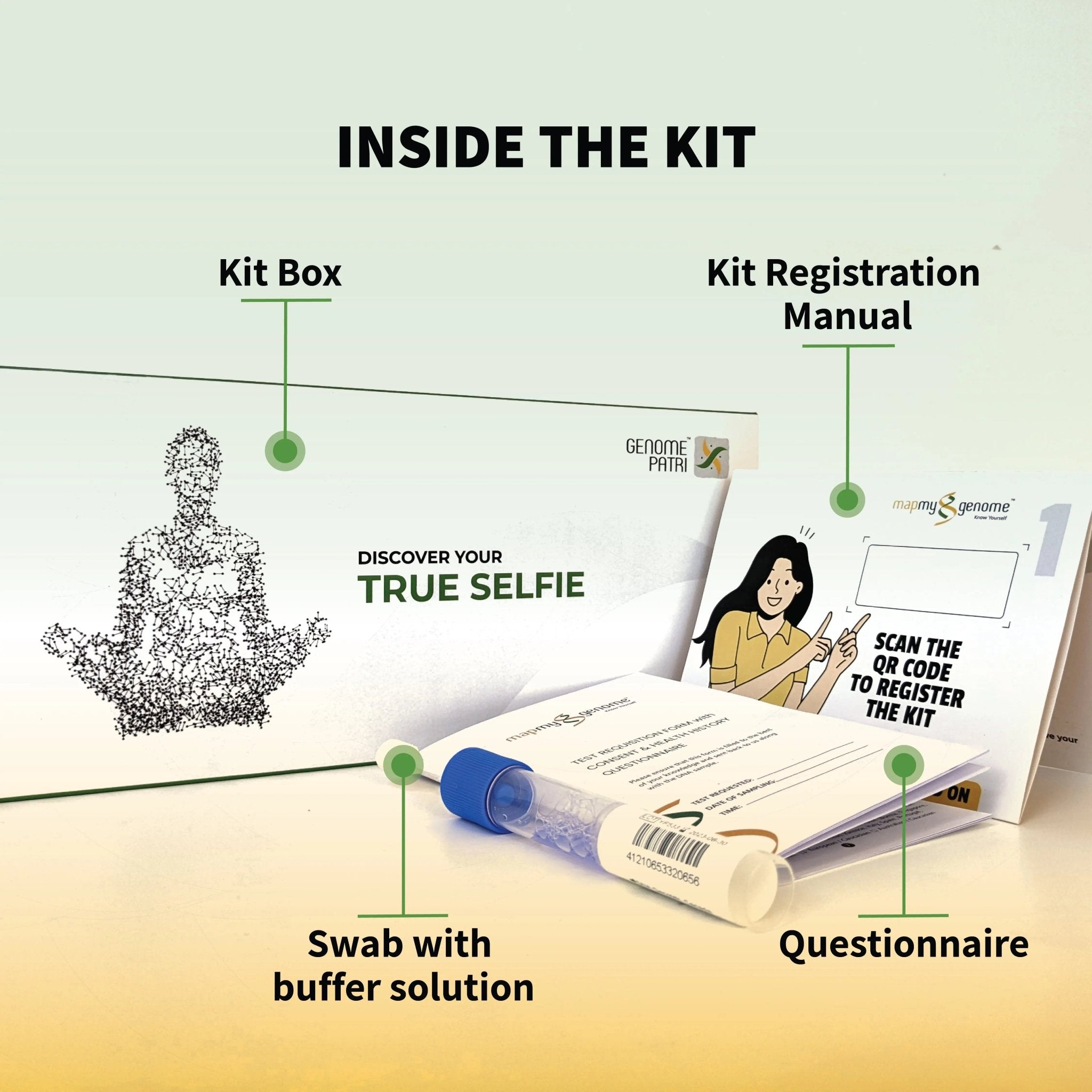
At MapmyGenome, we believe that understanding your genetic blueprint allows you to make more informed decisions about nutrition, fitness, preventive screening, and overall wellness.
The future isn't written in your genes.
But your genes can help you understand where to focus your efforts.
A Letter From Your Future Self

If your 70-year-old self could send you a message today, it probably wouldn't ask you to be perfect.
It wouldn't demand extreme diets or impossible workout routines.
Instead, it might say:
"Walk a little more."
"Sleep a little better."
"Build a little strength."
"Eat a little smarter."
"Learn about your body."
"Start now."
Because the healthiest people in their 70s aren't necessarily the ones who made one extraordinary decision.
They're often the ones who made thousands of ordinary decisions—and kept making them for decades.
The future version of you is being built today.
What will you give them?
Discover Your Genetic & Gut Health Blueprint
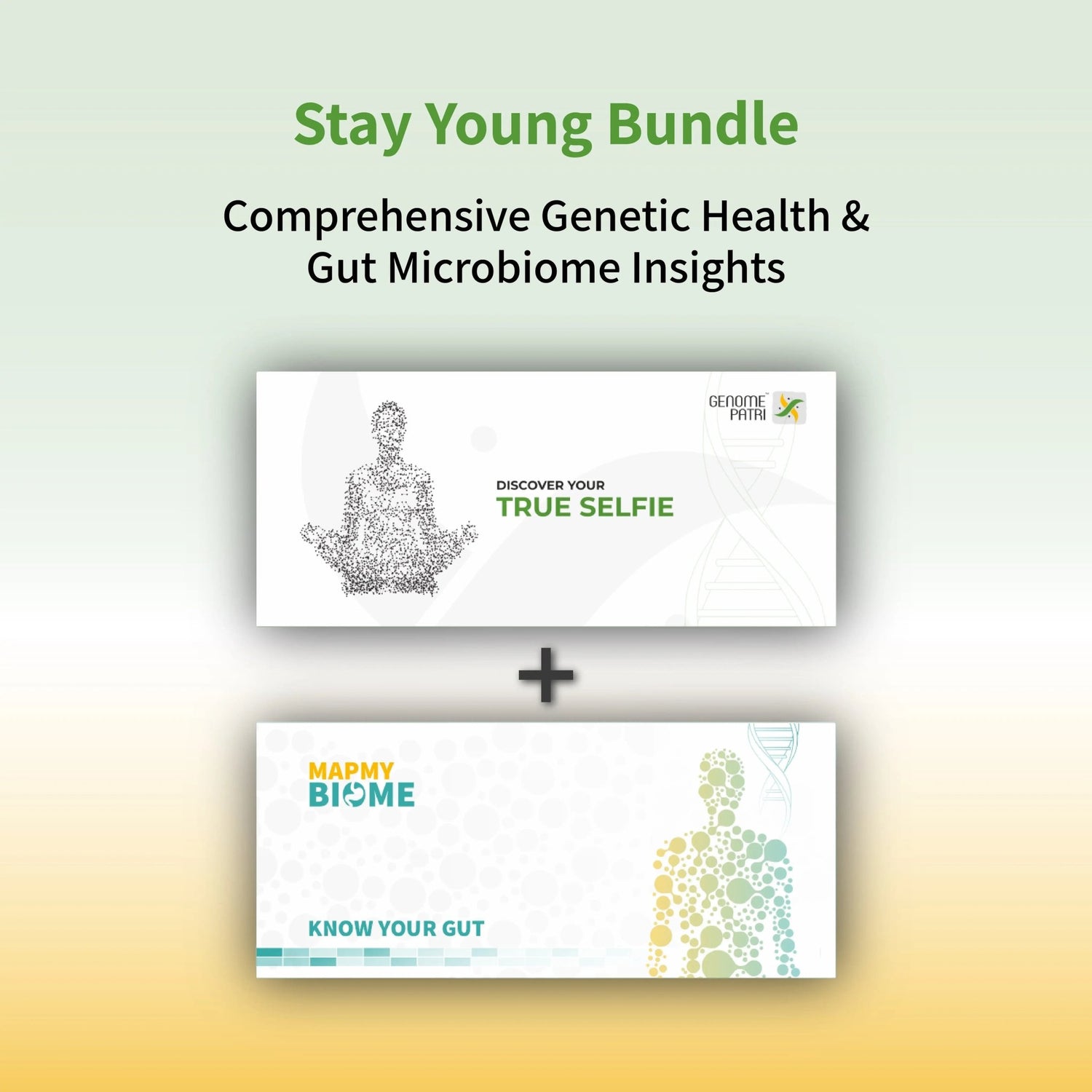
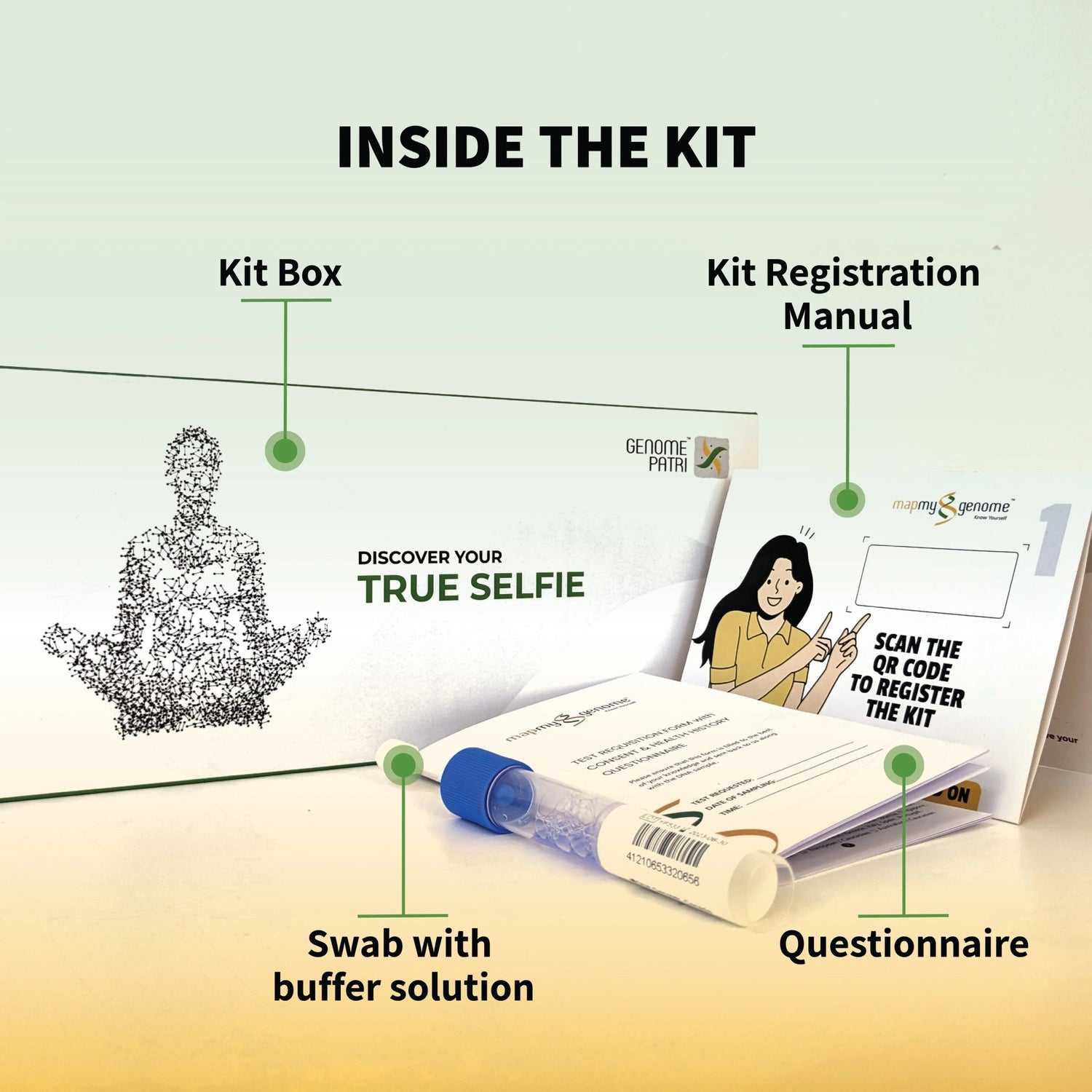
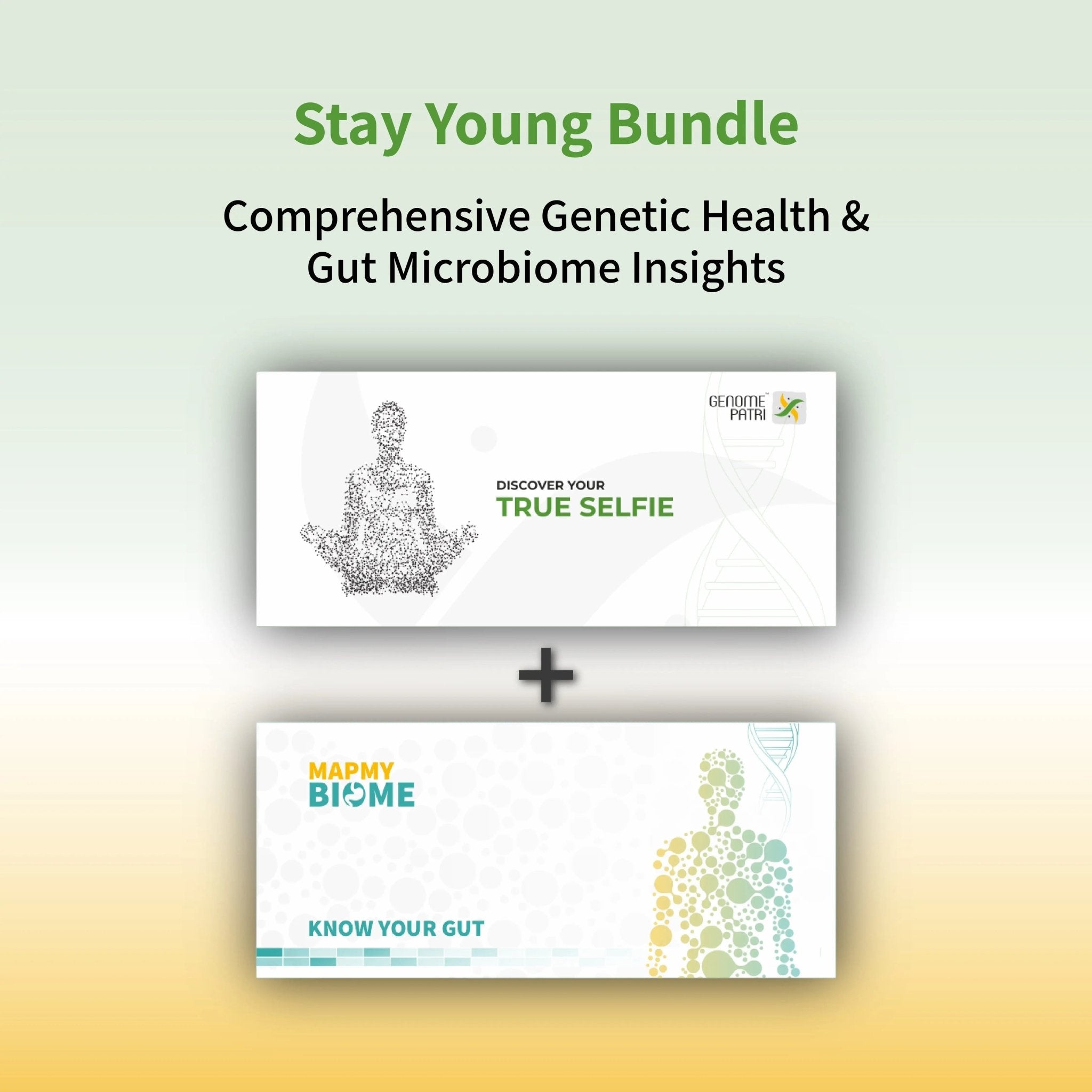
Your DNA reveals inherited health tendencies, while your gut microbiome offers insights into what’s happening in your gut today. Together, Genomepatri™ and MapmyBiome™ provide a more comprehensive view of your health, nutrition, lifestyle, and healthy ageing.
Explore Stay Young – Genomepatri & Microbiome Bundle and discover personalized insights to help you make more informed choices about nutrition, lifestyle, gut health, and preventive wellness.