

Pharmacogenomics — the study of how your genes affect your response to drugs — is transforming medicine. For certain medications, genetic testing before prescribing is not just helpful; it's essential for safety and efficacy. Here are 5 key drugs where pharmacogenomic testing makes a critical difference.
1. Clopidogrel (Plavix)
Clopidogrel is an antiplatelet drug widely used to prevent heart attacks and strokes in patients with cardiovascular disease. It's a prodrug — it must be converted to its active form by the CYP2C19 enzyme. Patients who are CYP2C19 poor metabolizers (approximately 2–5% of the population, but up to 15% in some Asian populations) cannot activate clopidogrel effectively, leaving them at significantly higher risk of cardiovascular events despite taking the medication. The FDA has added a black box warning recommending CYP2C19 testing before prescribing clopidogrel.
2. Warfarin
Warfarin is the most widely used anticoagulant globally, but it has a narrow therapeutic window — too little and it fails to prevent clots; too much and it causes dangerous bleeding. Two genes critically influence warfarin dosing: CYP2C9 (affects warfarin metabolism) and VKORC1 (the drug's target enzyme). Variants in these genes can cause 10-fold differences in the dose required for therapeutic anticoagulation. Pharmacogenomic-guided warfarin dosing significantly reduces the time to stable anticoagulation and reduces bleeding complications.
3. Codeine
Codeine is converted to morphine by CYP2D6. This conversion is essential for its analgesic effect — but it's also the source of its most dangerous side effect. CYP2D6 ultrarapid metabolizers convert codeine to morphine extremely rapidly, producing dangerously high morphine levels that can cause respiratory depression and death. This risk is particularly acute in children and breastfeeding mothers. The FDA has contraindicated codeine in children under 12 and in breastfeeding mothers, and recommends CYP2D6 testing before prescribing.
4. Abacavir (HIV treatment)
Abacavir is a key component of HIV treatment regimens. Approximately 5–8% of patients carrying the HLA-B*5701 allele develop a severe, potentially life-threatening hypersensitivity reaction to abacavir. HLA-B*5701 testing before prescribing abacavir is now standard of care globally — a landmark example of pharmacogenomics preventing serious drug harm. The prevalence of HLA-B*5701 varies by ethnicity, making testing particularly important in diverse populations.
5. Carbamazepine (Epilepsy/Bipolar disorder)
Carbamazepine is used for epilepsy, bipolar disorder, and trigeminal neuralgia. In patients carrying HLA-B*1502 (common in Han Chinese, Thai, and other Asian populations) or HLA-A*3101 (more common in European populations), carbamazepine can cause Stevens-Johnson syndrome (SJS) and toxic epidermal necrolysis (TEN) — severe, potentially fatal skin reactions. The FDA recommends HLA-B*1502 testing before prescribing carbamazepine in patients of Asian ancestry. In India, where HLA-B*1502 prevalence is significant, this testing is critically important.
FAQs
How do I get pharmacogenomic testing in India?
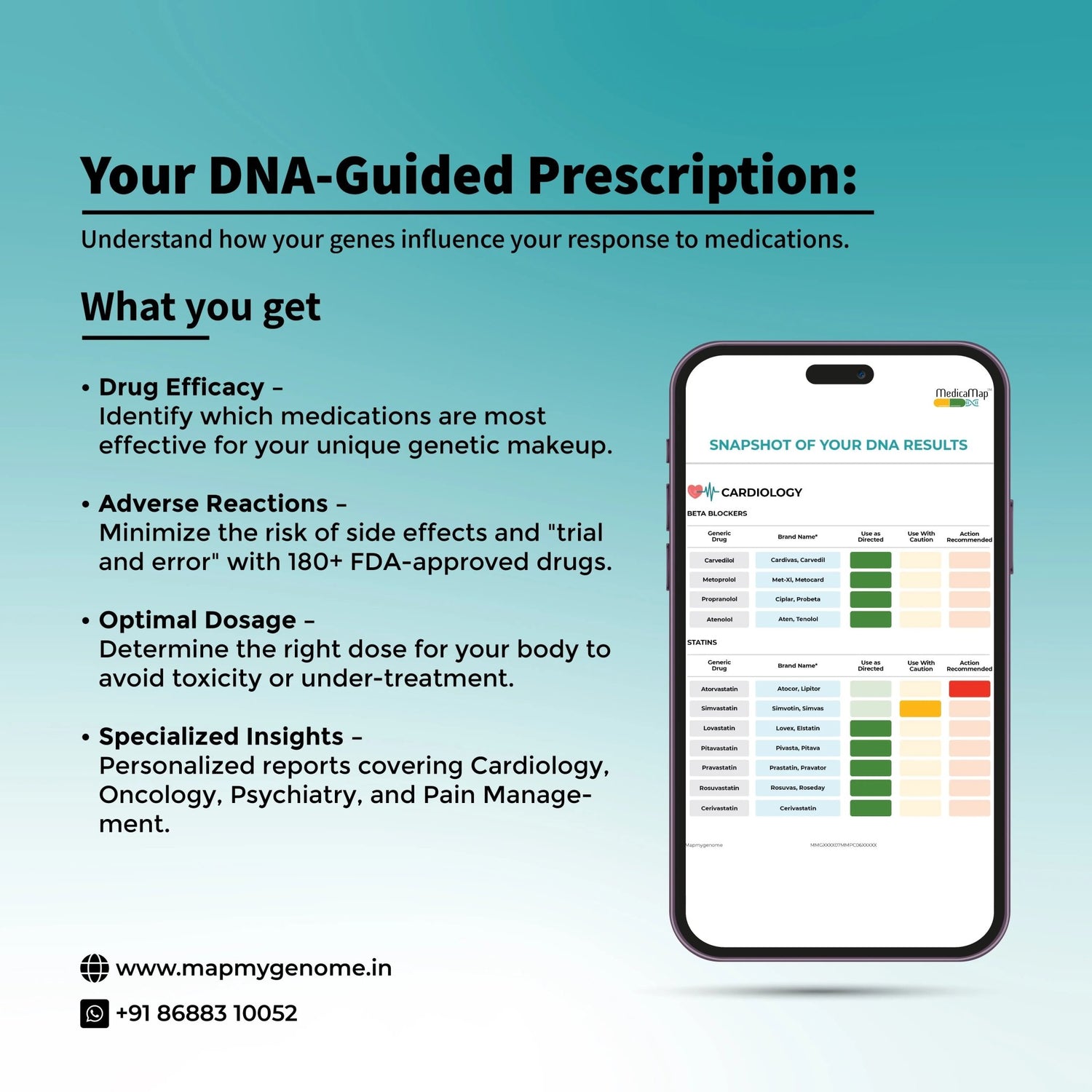
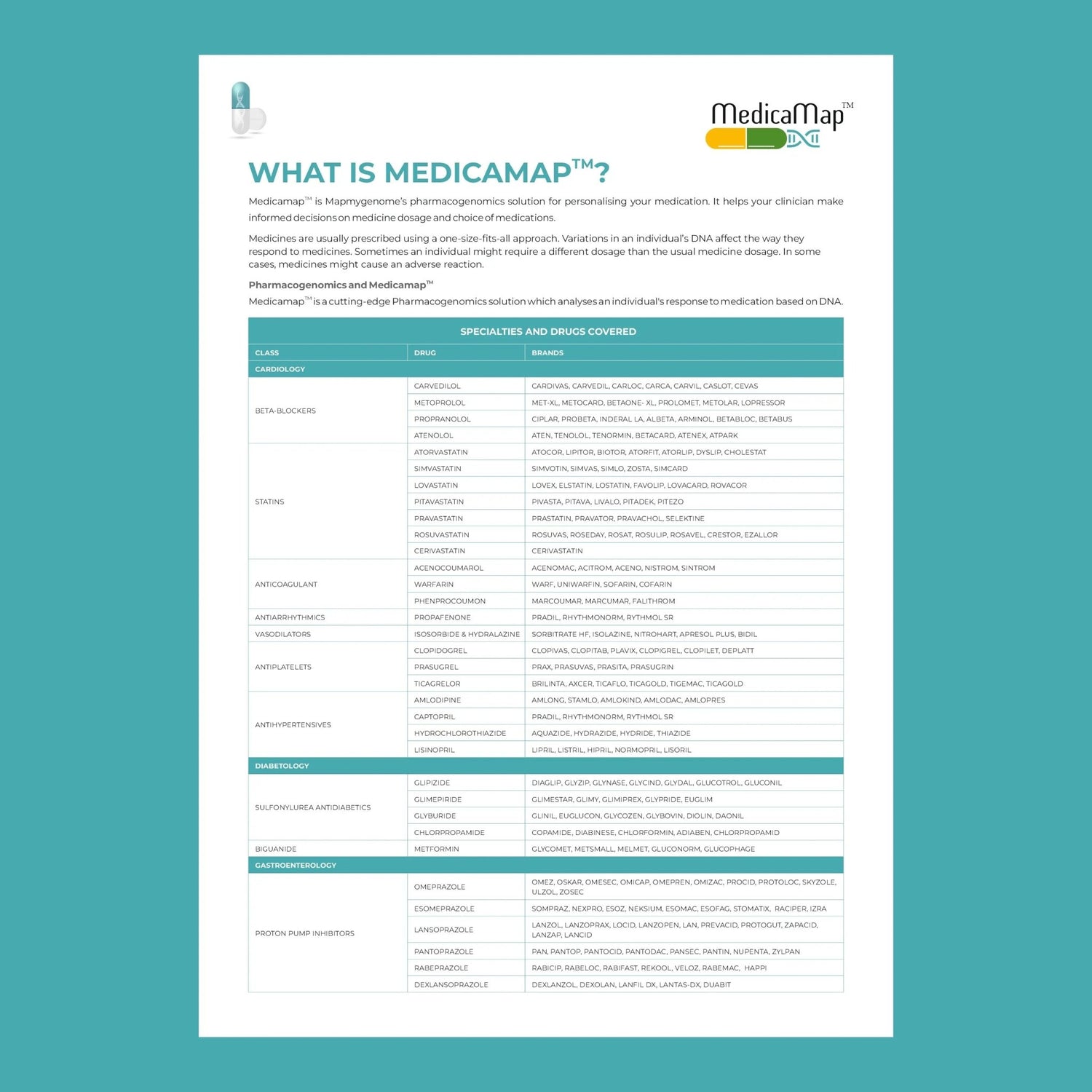
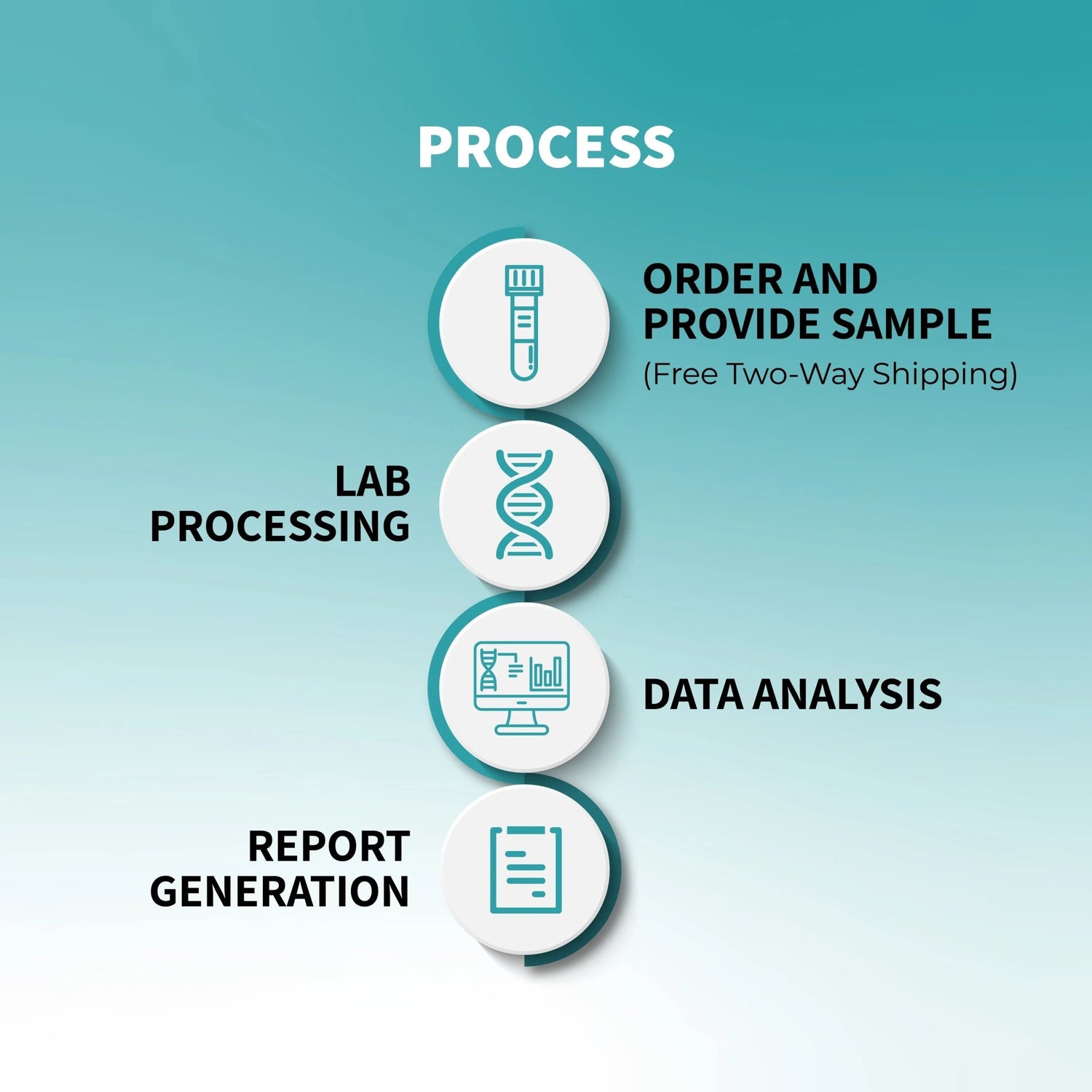
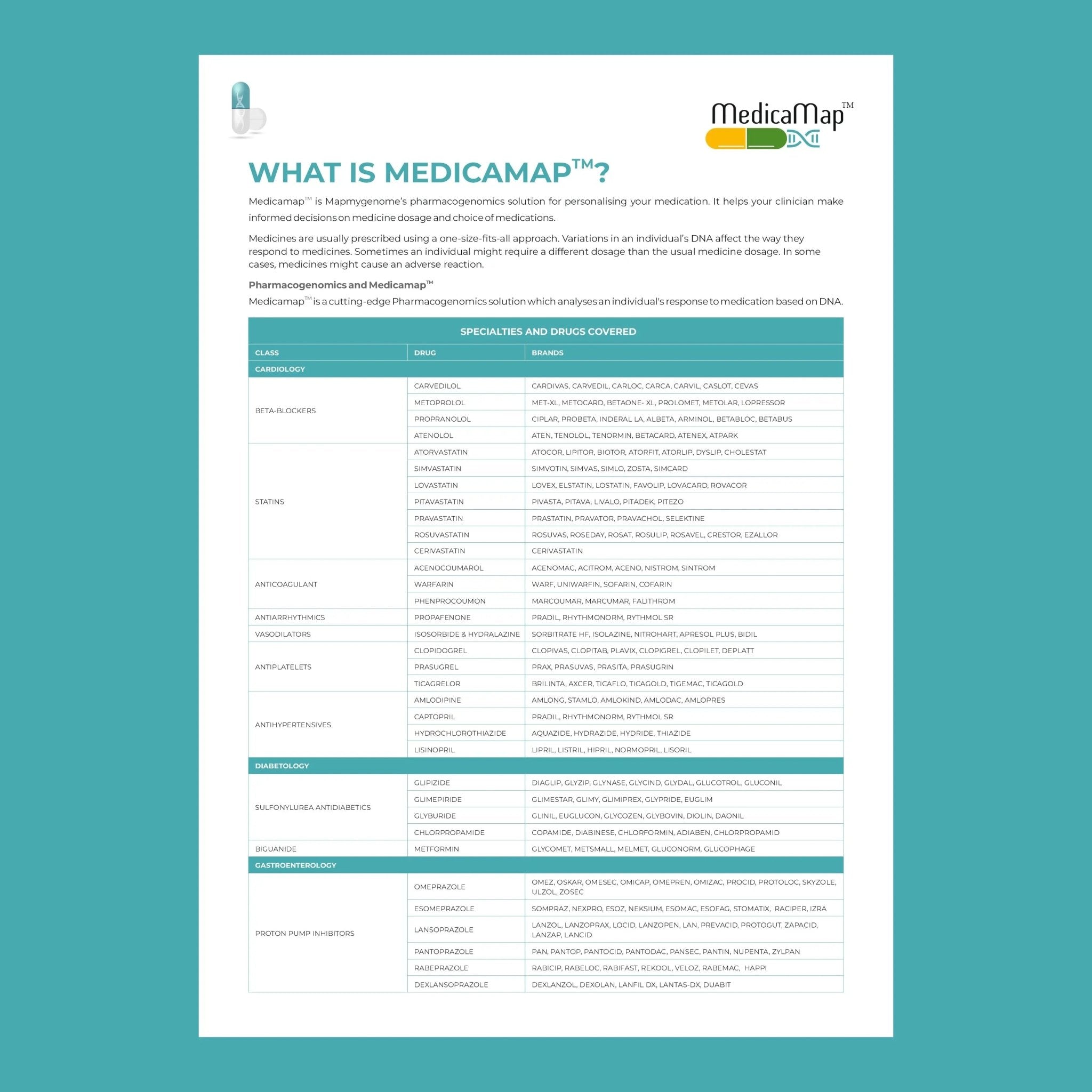
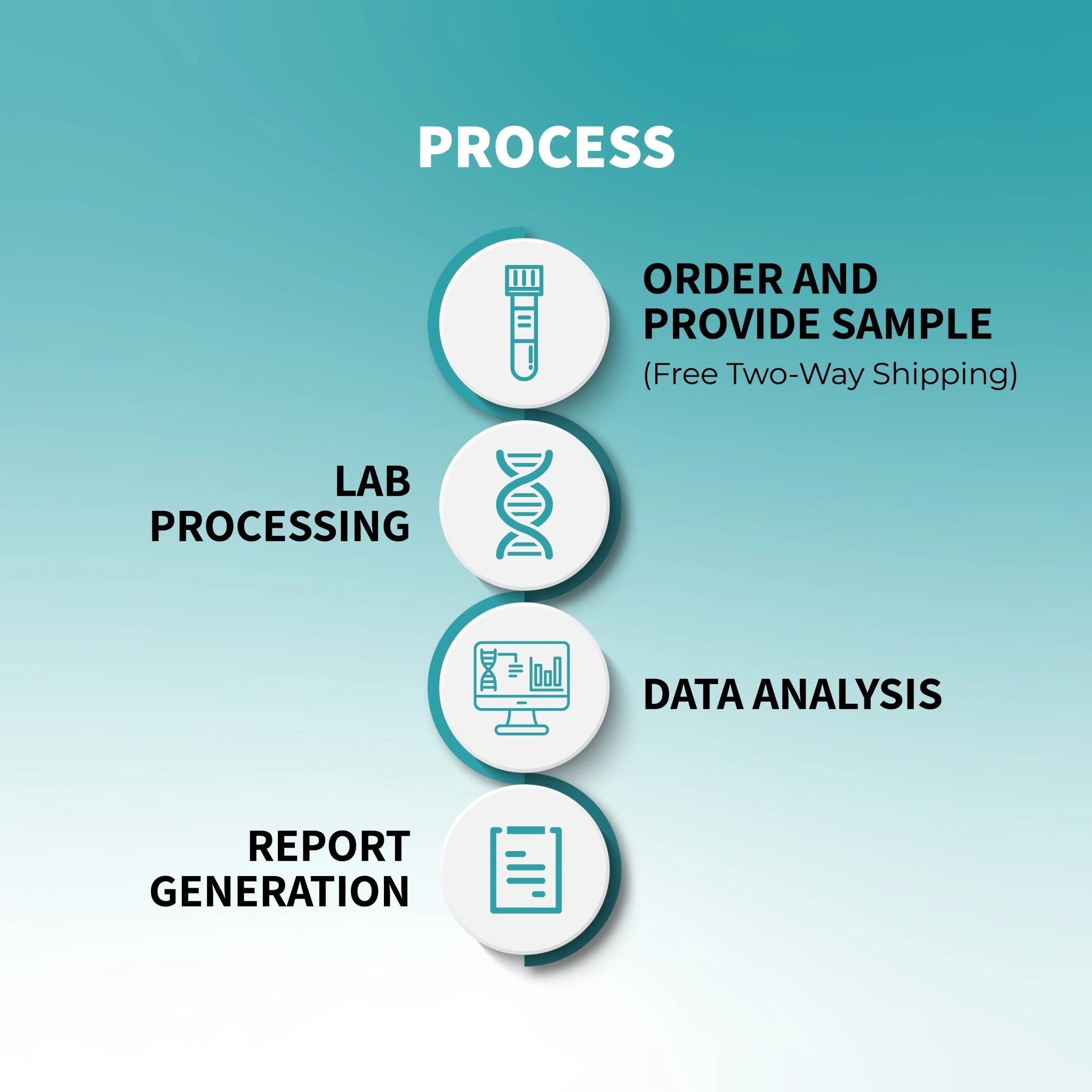
Pharmacogenomic testing is available through specialized genetic testing laboratories including MapMyGenome. MedicaMap covers pharmacogenomic variants for over 165 drugs across multiple therapeutic areas.
Should I get pharmacogenomic testing before starting any new medication?
Pharmacogenomic testing is most valuable for medications with known gene-drug interactions and narrow therapeutic windows. Discuss with your doctor whether testing is appropriate for your specific medication.
Find the Right Medicine for Your Genes
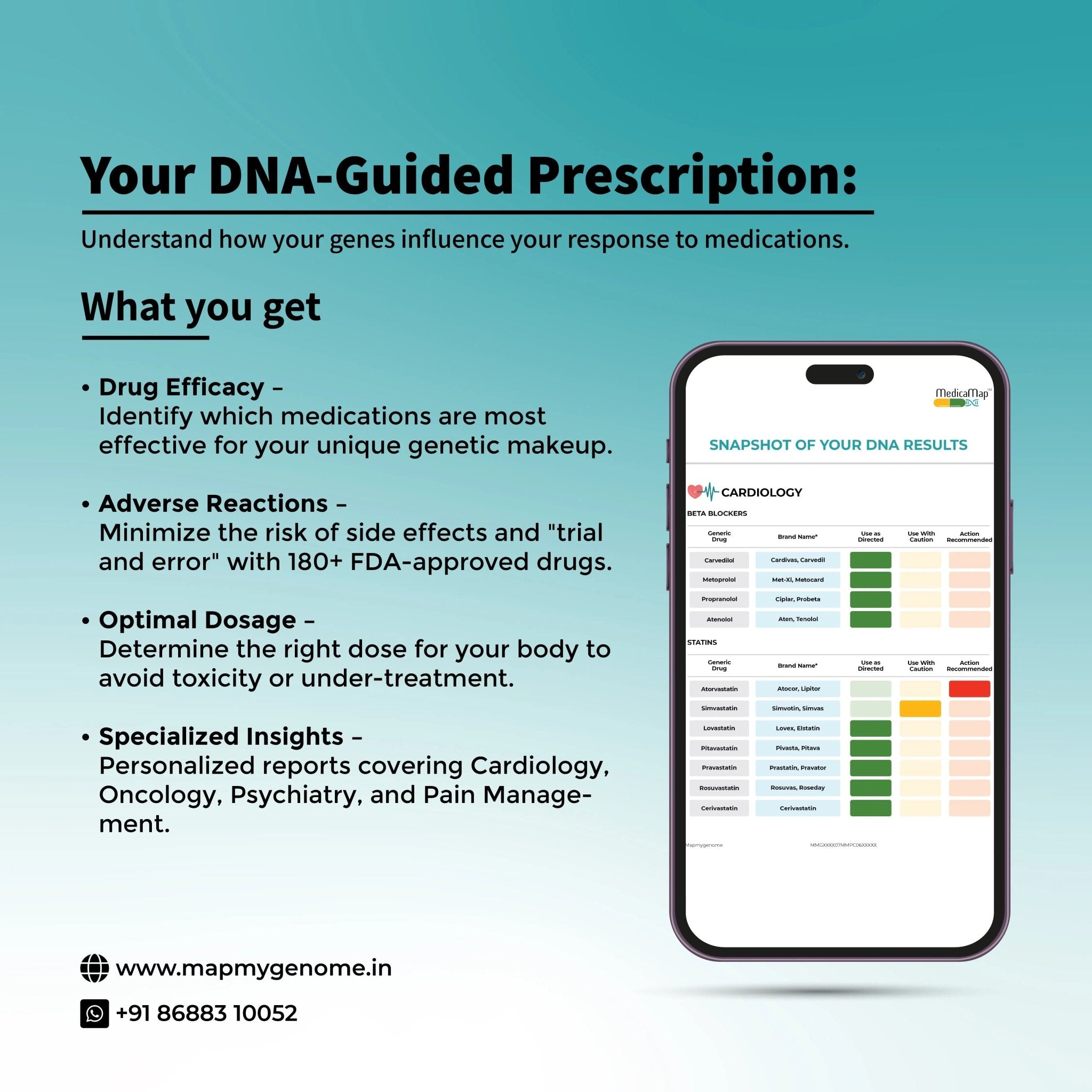
MedicaMap by MapmyGenome analyzes your pharmacogenomic profile across 165+ drugs — helping you and your doctor choose medications and doses that are most likely to work safely and effectively for your unique biology.