

Liquor has been a part of our culture and traditions since times immemorial. December is the month of festivities, parties, and cocktails. While little attention goes to what we eat and drink in the midst of all the socialising, the consequences often dawn upon us later — feeling too full, bloated, dizzy, headaches, or worse.
What Happens When We Consume Alcohol?
Within a few minutes of consumption, alcohol is rapidly absorbed into the blood and carried to the organs of the body within 30–90 minutes. The majority is broken down into water and carbon dioxide in the liver. The remaining is expelled through the lungs, sweat, and urine. Different parts of the brain are also impacted, translating into blurred vision, extreme emotional reactions, slurred speech, and weakened memory. The liver can break down a standard measure of liquor in about an hour — all the sensations arise from more alcohol being present than the liver can process at once.
Asian Glow: The Genetic Explanation
Also known as Alcohol Flush Reaction or Asian Flush Syndrome, Asian Glow is when the face turns red after a few sips of liquor. It is common among East Asian populations and has a clear genetic basis.
In the liver, alcohol is first broken down to acetaldehyde by the enzyme ADH (alcohol dehydrogenase), then further metabolised into harmless compounds by ALDH2 (aldehyde dehydrogenase). In many East Asians, a mutated version of the ALDH2 gene — ALDH2*2 — codes for an inactive form of ALDH2, causing acetaldehyde to accumulate in the blood. Another mutation, ADH1B*47His, causes rapid metabolism of alcohol into acetaldehyde, again leading to accumulation. Both mutations are observed almost exclusively in Asian populations.
This build-up of acetaldehyde causes facial flushing, headaches, nausea, and rapid heartbeats. Importantly, acetaldehyde is a well-known carcinogen and can put people at oesophageal cancer risk — even after the flush disappears with regular drinking.
Why People React Differently to Alcohol
Not all people react similarly to the same quantity of alcohol. This depends on sex, ethnicity, family history of alcoholism, frequency of drinking, concentration of alcohol, body type, and the presence or absence of food in the stomach. Men can generally digest higher levels of alcohol than women due to differences in metabolism and absorption. People from colder regions tend to have higher alcohol tolerance due to evolutionary patterns.
Whether or not to take that glass of cocktail should be a conscious personal choice. This festive season, say yes to just one goblet of wine and many goblets of memories!
Know Your Genetic Alcohol Response
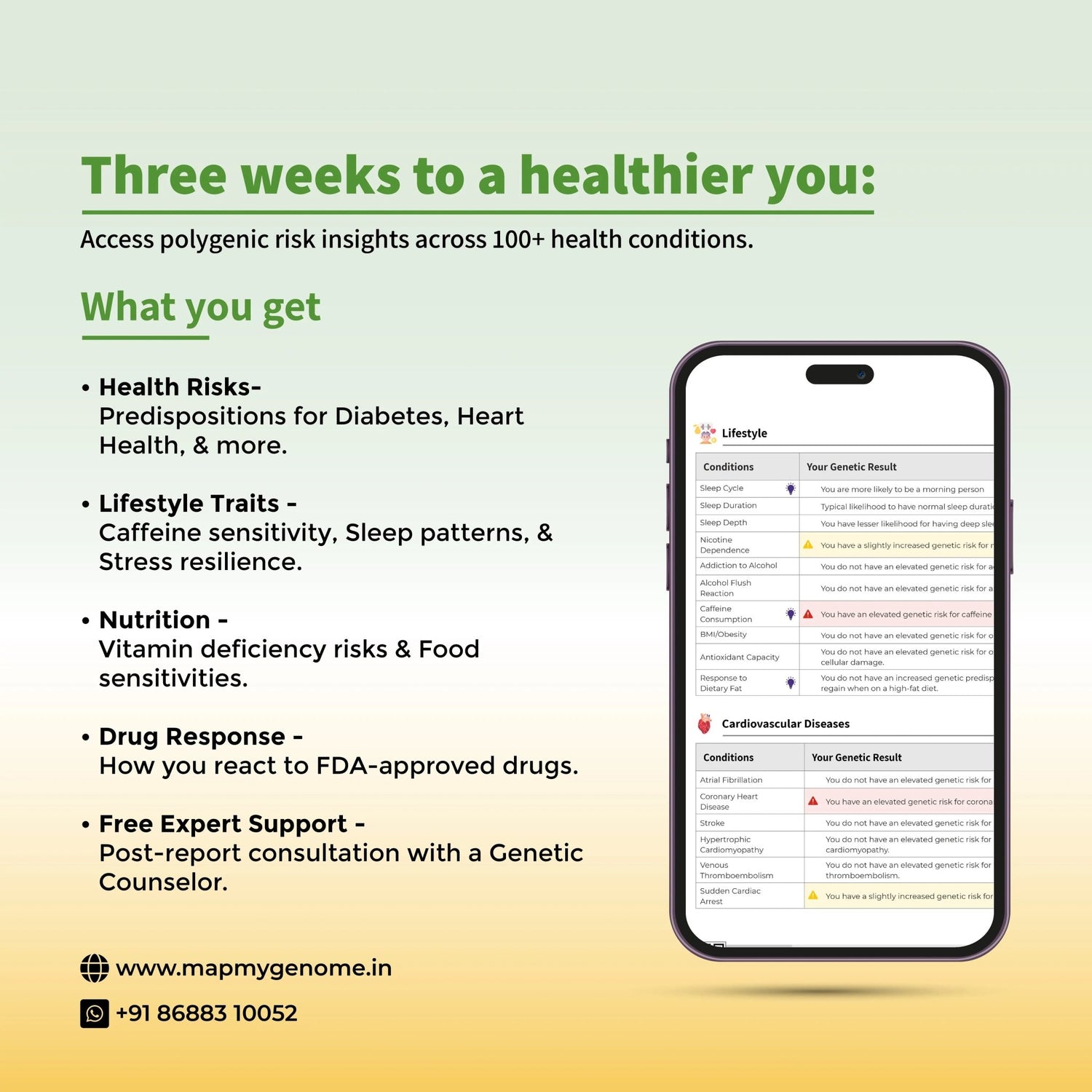
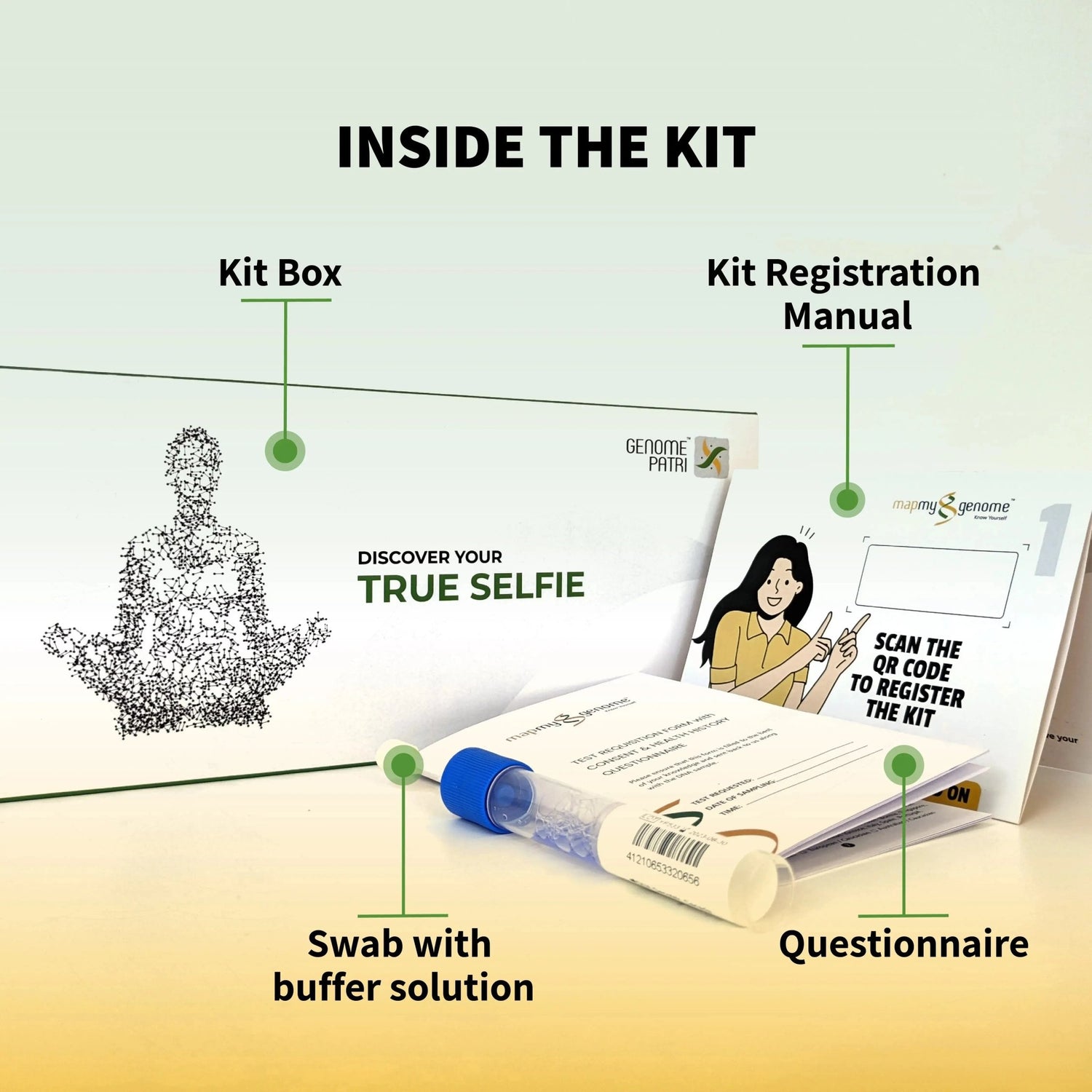
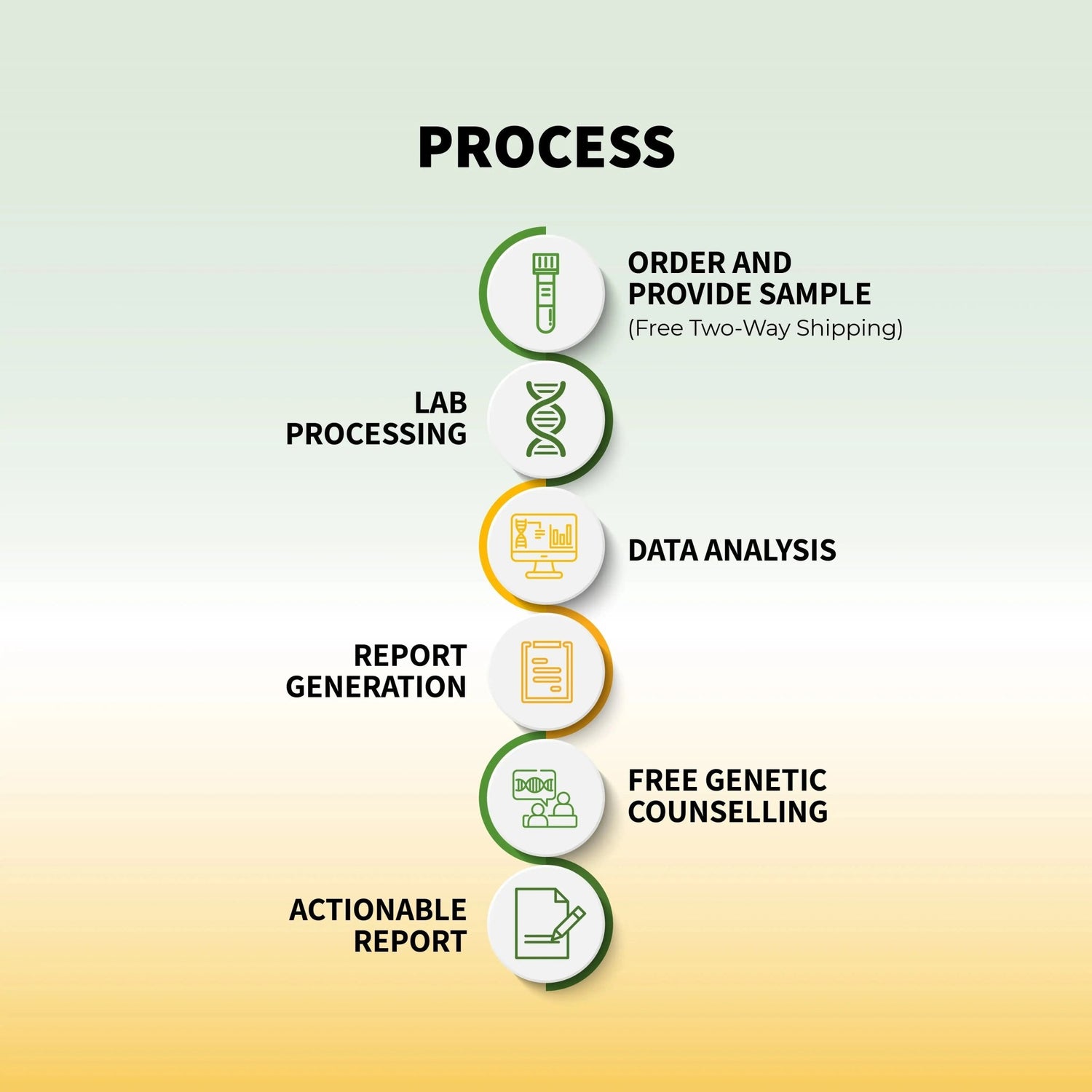
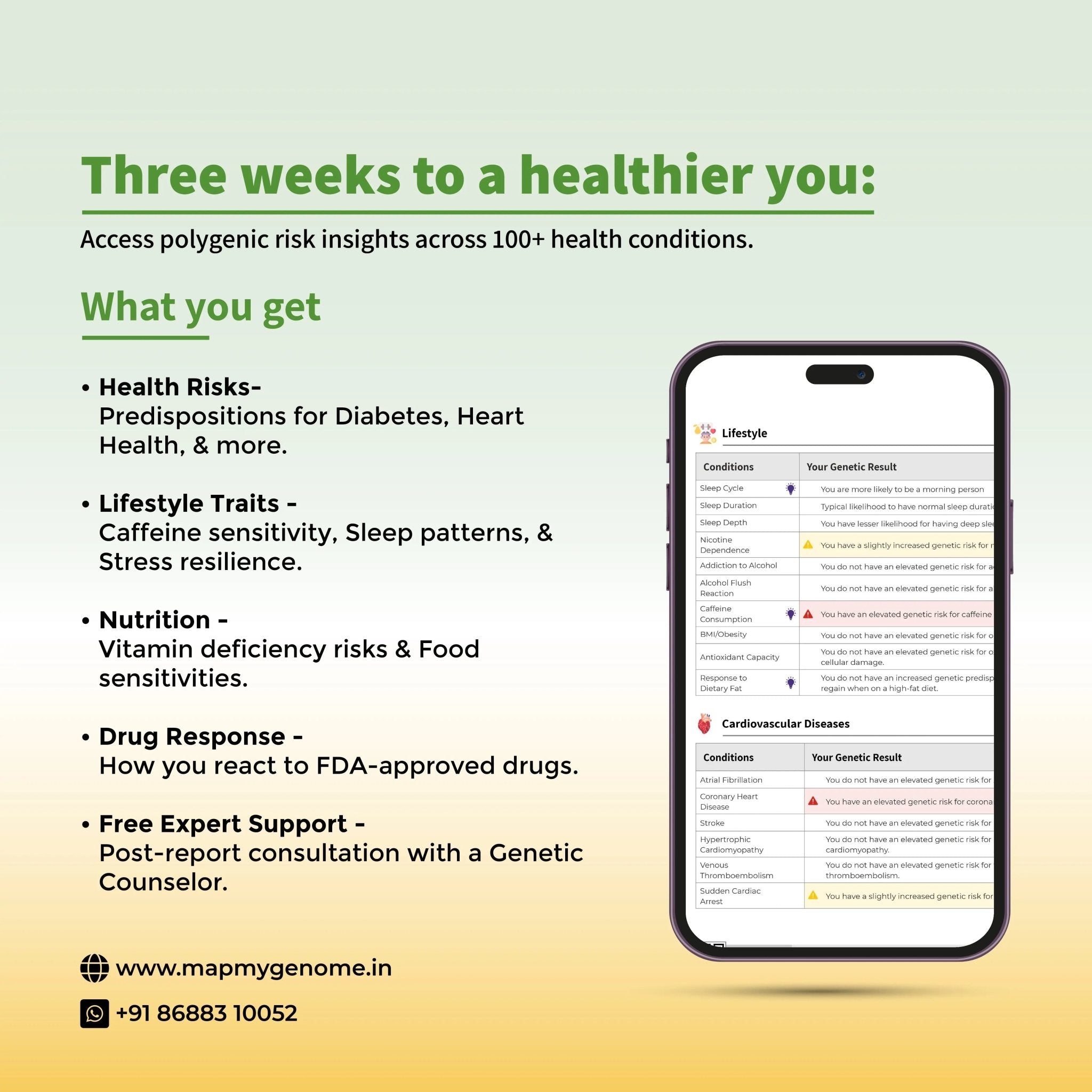
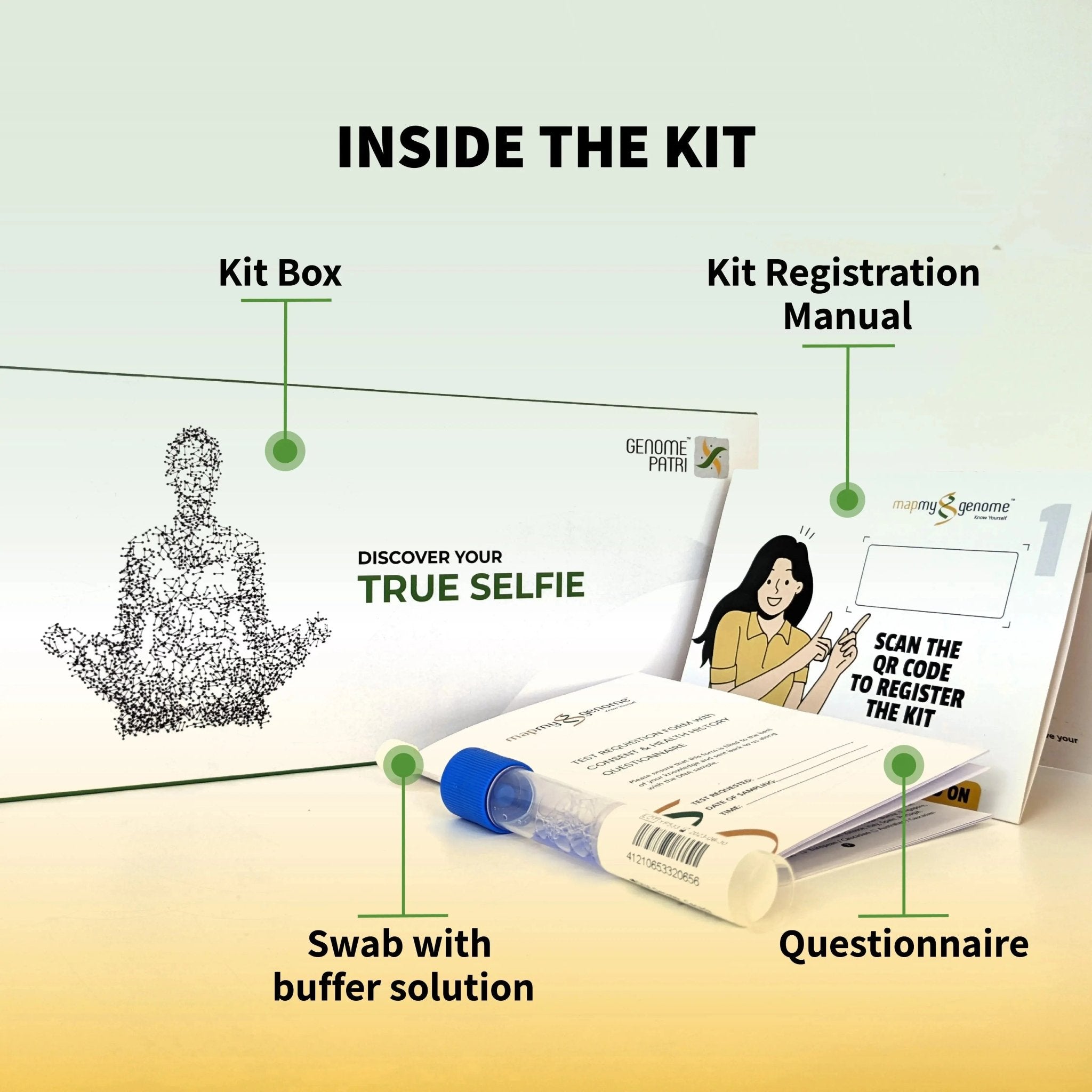
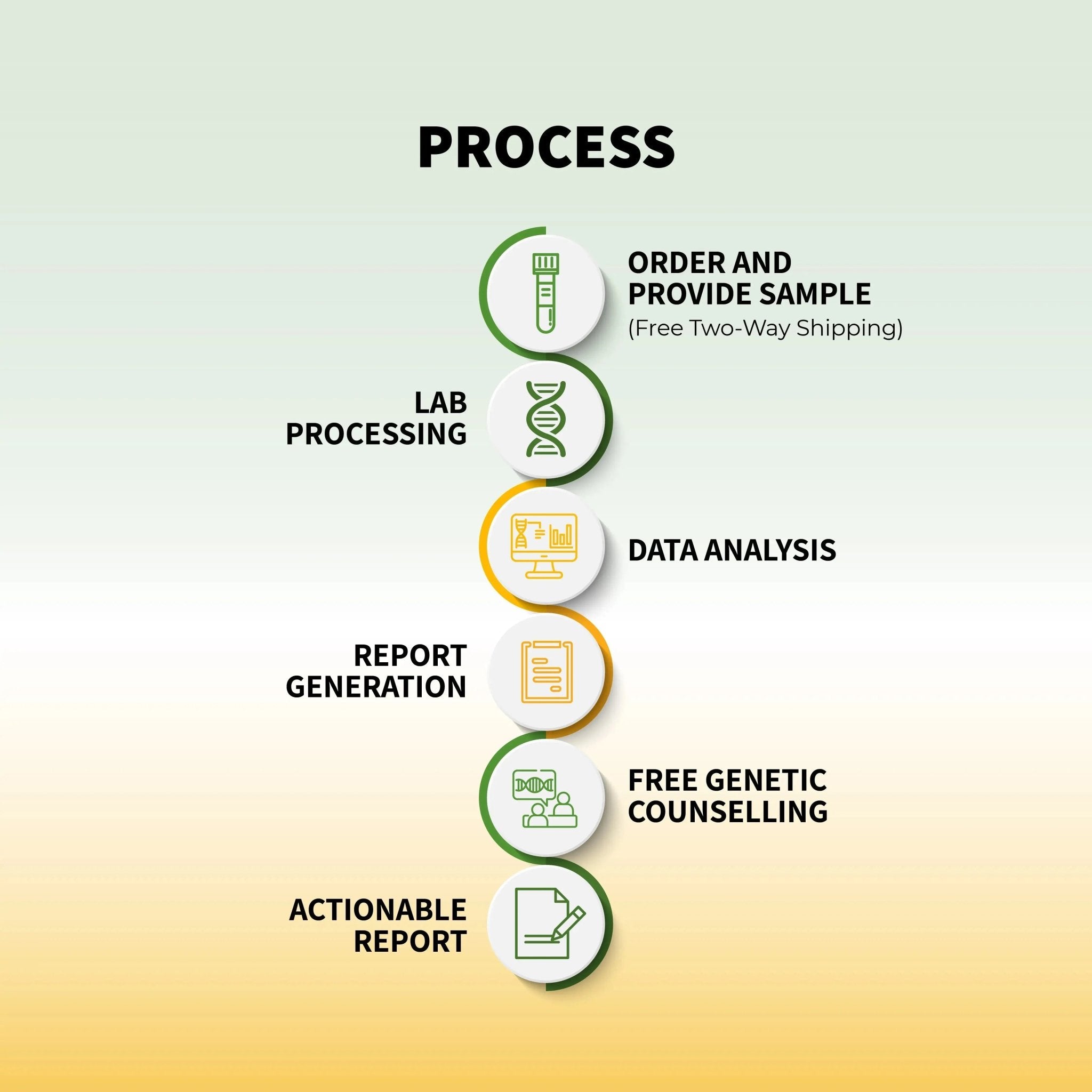
Genomepatri by MapmyGenome analyses your ALDH2, ADH1B, and other alcohol metabolism genes — telling you whether you carry variants linked to Asian Flush, elevated cancer risk from alcohol, or higher addiction susceptibility. Make informed choices about alcohol based on your DNA.