Answers to Your Questions on Spinal Muscular Atrophy — Let’s Spread Awareness
Spinal Muscular Atrophy (SMA) is a progressive medical condition that affects 1 in 10,000 children. It causes muscle weakness and atrophy because specialised nerve cells called motor neurons — which transmit signals from the brain and spinal cord to the skeletal muscles — are affected. SMA is progressive, meaning it gets more severe with age.
Types of SMA
SMA Type 0 — the most severe and rarest type; seen before birth; most infants do not survive past infancy due to respiratory failure
SMA Type 1 — the most common type; seen in the first few months of life; children cannot sit unassisted and most do not live beyond 2 years of age
SMA Type 2 — seen between 6–12 months; children can sit unassisted but may need help standing; life span varies but many live into their twenties or thirties
SMA Type 3 — affects children after early childhood; normal life expectancy; may become wheelchair-bound as muscle weakness progresses
SMA Type 4 — rare; affects adults in early adulthood; mild muscle weakness; normal life expectancy
What Causes SMA?
SMA is caused by mutations in the SMN1 gene, which provides instructions for making Survival Motor Neuron (SMN) protein — essential for the maintenance of motor neurons. When the SMN1 gene is mutated, insufficient SMN protein is produced, leading to motor neuron degeneration and progressive muscle weakness.
How Is SMA Inherited?
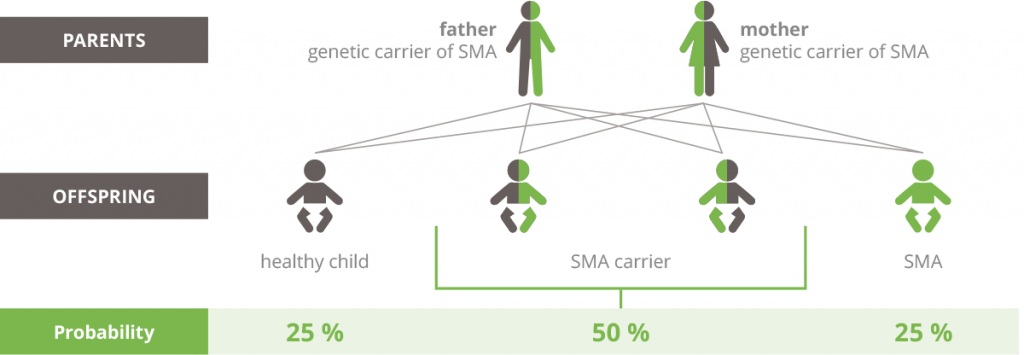
SMA is an autosomal recessive condition — both copies of the SMN1 gene must be mutated to cause the condition. Most parents of children with SMA are carriers (one mutated copy). There is a 25% chance with every pregnancy that a child will have SMA if both parents are carriers.
Treatment Advances
The FDA has approved gene replacement therapy (Zolgensma) for children below 2 years, and two drugs — Risdiplam (Evrysdi) and Nusinersen (Spinraza) — that help children regain muscle activity. Early diagnosis is critical to accessing these treatments.
Carrier Screening and Genetic Counselling for SMA
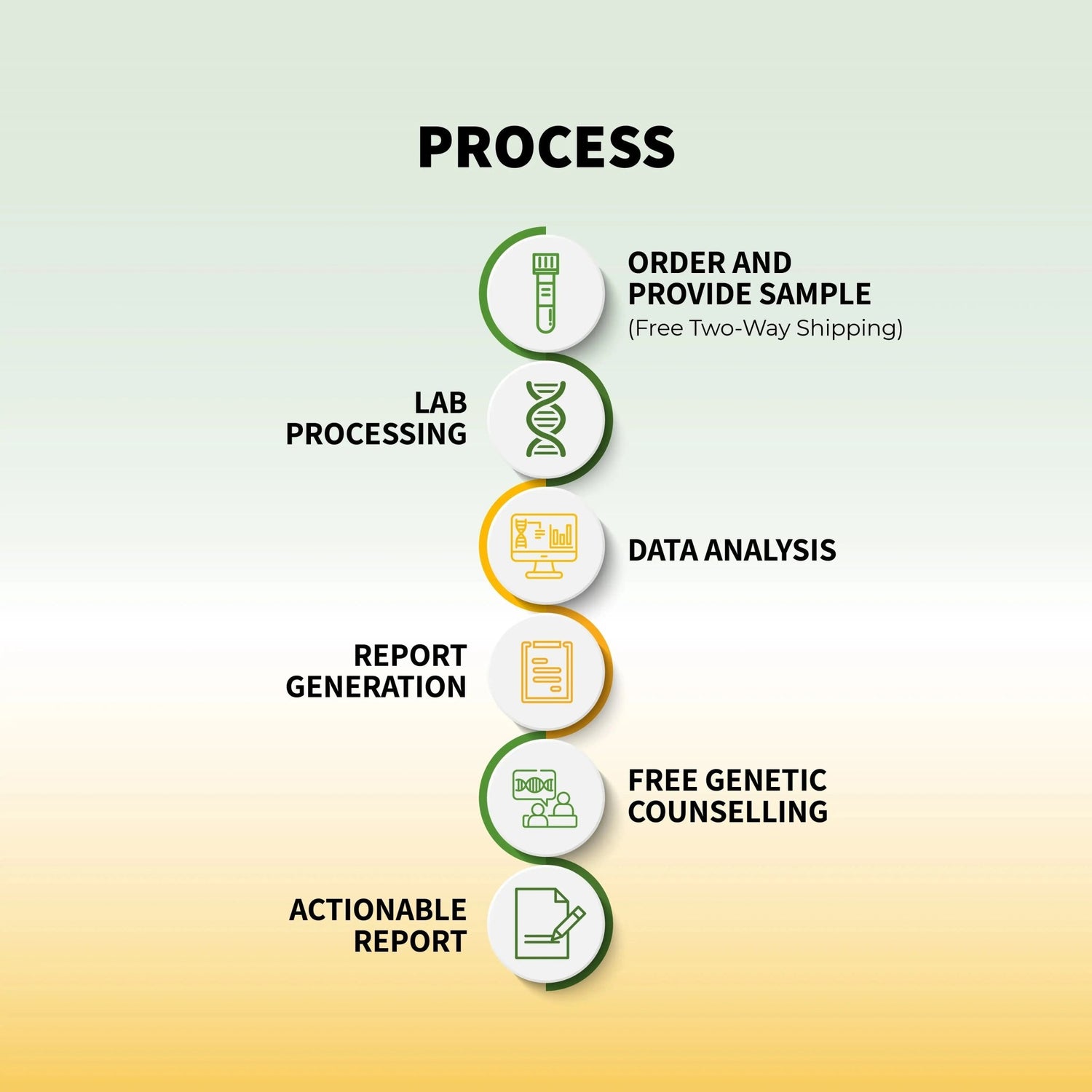
MapmyGenome’s certified genetic counsellors provide expert guidance for families navigating SMA carrier screening, recurrence risk assessment, and reproductive decision-making. Available online across India.