

Fermented foods have been celebrated for centuries across cultures — from Indian curd and idli to Korean kimchi and Japanese miso. But in recent years, the science behind their health benefits has become far more rigorous. So what does the evidence actually say? And are fermented foods right for everyone?
What Happens During Fermentation?
Fermentation is a metabolic process in which microorganisms — bacteria, yeasts, or fungi — convert sugars and starches into acids, gases, or alcohol. This process not only preserves food but also transforms its nutritional profile, creating beneficial compounds that weren't present in the original food.
The Science-Backed Benefits of Fermented Foods
1. Gut Microbiome Diversity
A landmark 2021 Stanford study published in Cell found that a high-fermented-food diet significantly increased gut microbiome diversity — a key marker of gut health — and reduced markers of systemic inflammation. This effect was more pronounced than a high-fiber diet alone.
2. Improved Digestive Health
The live bacteria in fermented foods (probiotics) help maintain the balance of beneficial bacteria in the gut, supporting regular bowel movements, reducing bloating, and improving overall digestive comfort.
3. Enhanced Nutrient Bioavailability
Fermentation breaks down antinutrients like phytic acid and oxalates that can block mineral absorption. Fermented foods are often richer in bioavailable iron, zinc, and B vitamins than their unfermented counterparts.
4. Immune Function
Approximately 70% of the immune system is located in the gut. A diverse, well-populated gut microbiome — supported by regular fermented food consumption — is associated with stronger immune responses and reduced susceptibility to infection.
5. Gut-Brain Connection
The gut produces over 90% of the body's serotonin. Fermented foods that support a healthy microbiome may improve mood, reduce anxiety, and support cognitive function via the gut-brain axis.
6. Metabolic Benefits
Regular fermented food consumption is associated with improved insulin sensitivity, reduced blood sugar spikes, and better weight management — likely through the production of short-chain fatty acids (SCFAs) by gut bacteria.
Are Fermented Foods Right for Everyone?
For most people, yes. However, individuals with histamine intolerance may react to fermented foods (which are high in histamine). Those with SIBO (small intestinal bacterial overgrowth) may experience worsening symptoms. And people with compromised immune systems should consult a doctor before consuming unpasteurized fermented products.
Best Fermented Foods for Indian Diets
- Curd (dahi) — Rich in Lactobacillus; excellent for gut health and calcium
- Idli and dosa — Fermented rice and lentil; probiotic-rich and highly digestible
- Kanji — Fermented carrot or beetroot drink; traditional probiotic beverage
- Buttermilk (chaas) — Cooling, probiotic-rich, and easy to digest
- Dhokla — Fermented chickpea flour; high in protein and probiotics
FAQs
How much fermented food should I eat daily?
The Stanford study used 6 servings of fermented foods per day to achieve significant microbiome benefits. For most people, 1–2 servings daily is a practical and beneficial starting point.
Are store-bought fermented foods as good as homemade?
Pasteurized fermented products (most commercial yogurts and pickles) have reduced or no live bacteria. Look for products labeled "contains live cultures" or make your own for maximum probiotic benefit.
Know What Your Gut Actually Needs
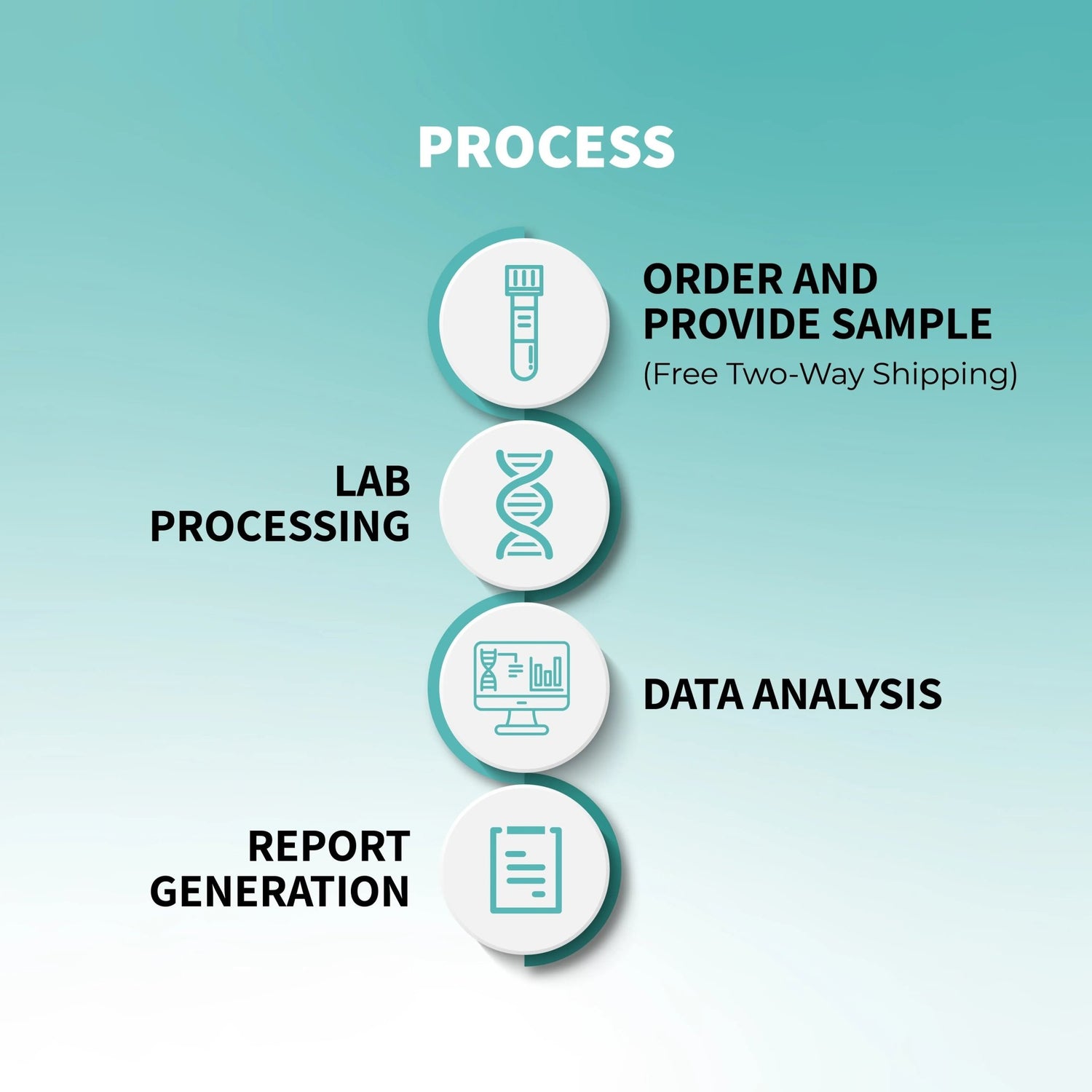
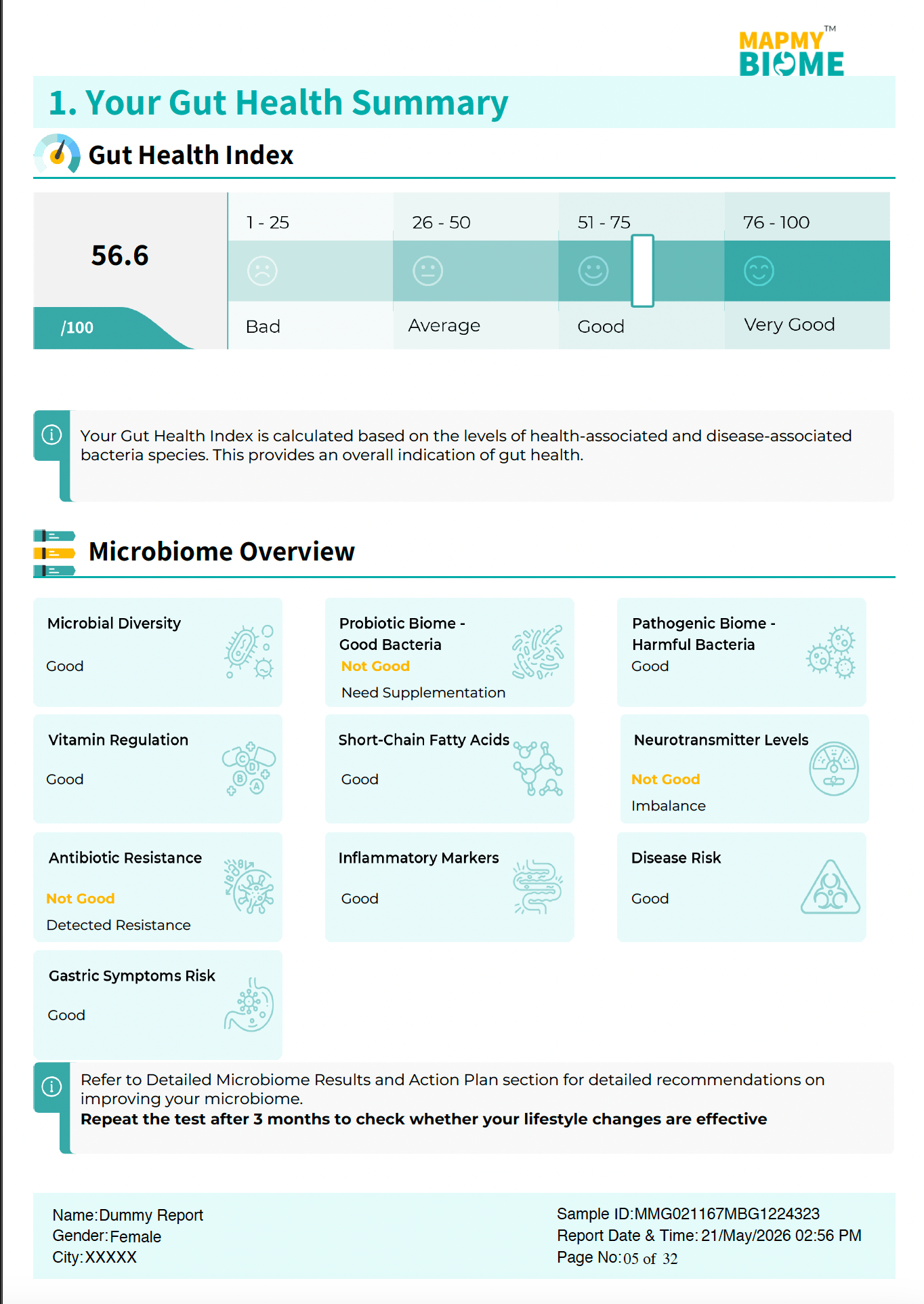
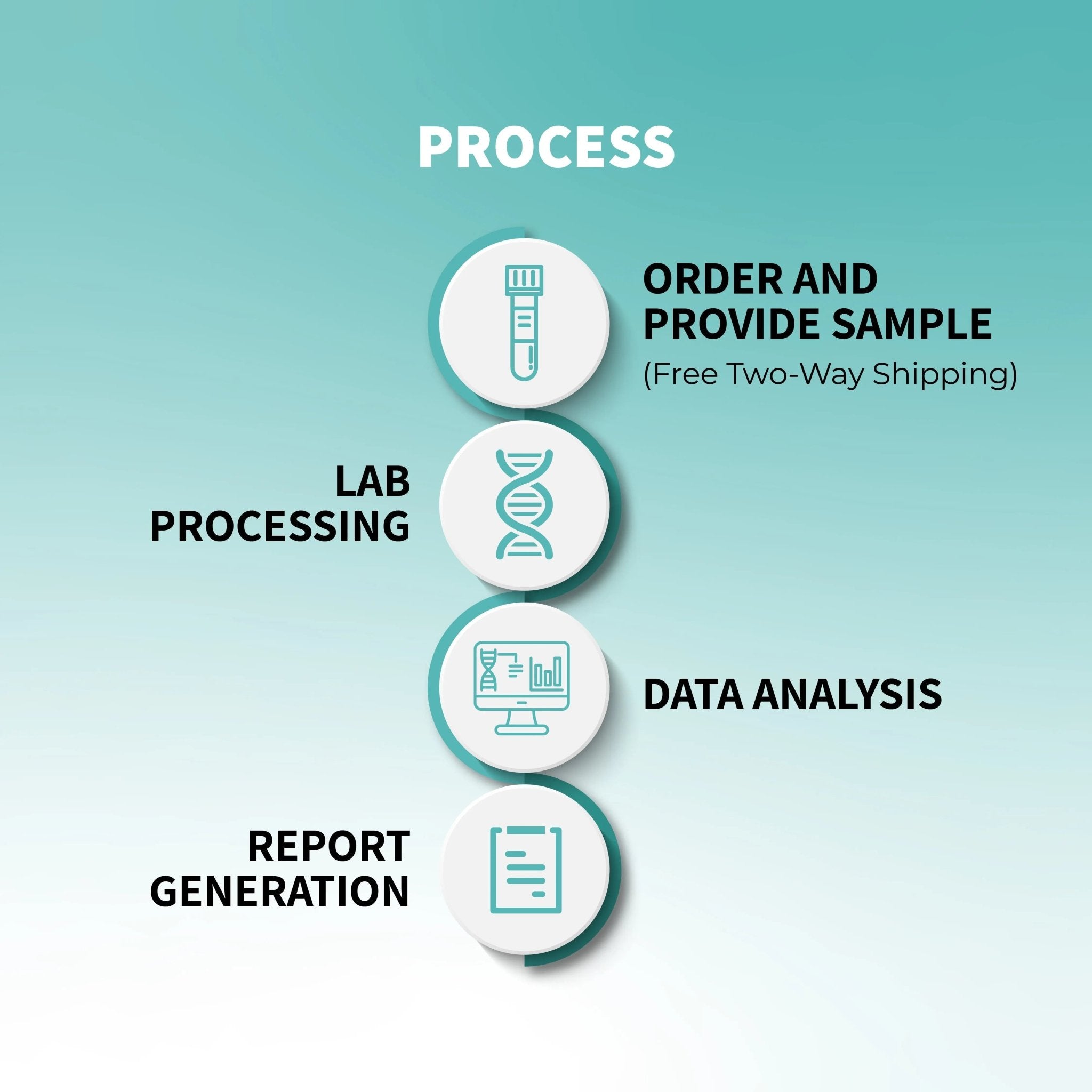
MapmyBiome uses advanced shotgun sequencing to map your unique gut microbiome — identifying which bacterial communities are thriving, which are missing, and giving you personalised food, probiotic, and lifestyle recommendations to restore balance.