

Basics of Down Syndrome
Down syndrome is one of the most common chromosomal conditions — occurring in approximately 1 in 700 births worldwide. It is caused by the presence of an extra copy of chromosome 21 (trisomy 21), resulting in a total of 47 chromosomes instead of the usual 46. Down syndrome is associated with characteristic physical features, intellectual disability of varying degrees, and an increased risk of certain health conditions.
Types of Down Syndrome
Trisomy 21 (95% of cases) — every cell in the body has three copies of chromosome 21; caused by a random error in cell division (non-disjunction) during the formation of the egg or sperm
Translocation Down syndrome (~4% of cases) — part of chromosome 21 attaches to another chromosome (usually chromosome 14); the total number of chromosomes may be 46, but the extra chromosomal material causes Down syndrome features
Mosaic Down syndrome (~1% of cases) — only some cells have trisomy 21; individuals with mosaic Down syndrome may have milder features
Common Features
Characteristic facial features: flat facial profile, upward-slanting eyes, small ears, protruding tongue
Low muscle tone (hypotonia) at birth
Intellectual disability (mild to moderate in most cases)
Developmental delays in speech, motor skills, and social development
Increased risk of congenital heart defects (present in ~50% of cases), thyroid disorders, hearing loss, and vision problems
Prenatal Screening and Diagnosis
Down syndrome can be detected prenatally through screening tests (NIPT, NT scan, double/triple/quadruple marker) and confirmed through diagnostic tests (amniocentesis, chorionic villus sampling). NIPT (Non-Invasive Prenatal Testing) has a sensitivity of over 99% for trisomy 21 and can be performed from 10 weeks of pregnancy. Genetic counselling is recommended for all couples with a positive screening result.
Living with Down Syndrome
With appropriate support, early intervention, and inclusive education, people with Down syndrome lead fulfilling, meaningful lives. Life expectancy has increased dramatically — from 25 years in the 1980s to over 60 years today. Early therapy (speech, occupational, physiotherapy) and regular medical monitoring make a significant difference to outcomes.
Prenatal Genetic Testing and Counselling
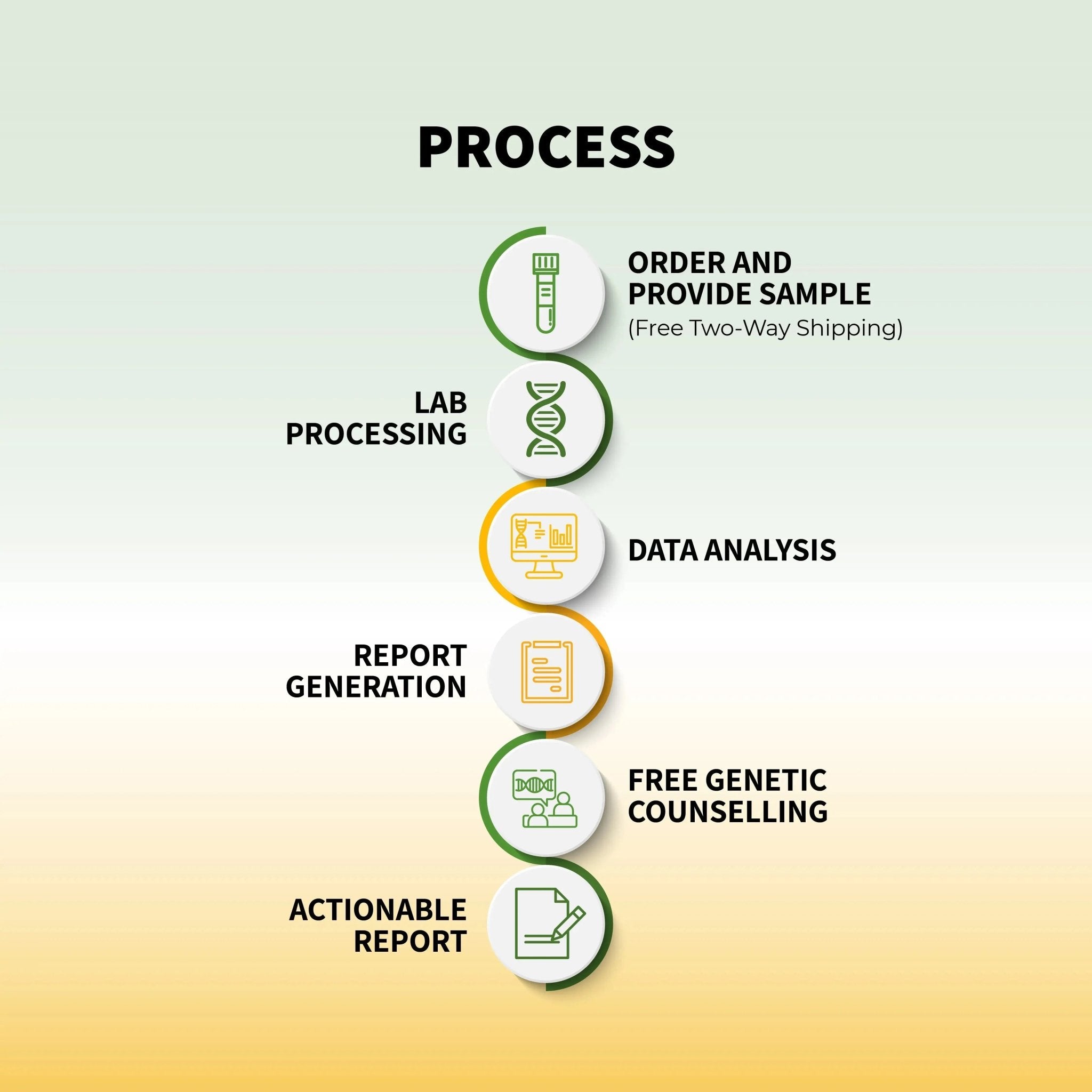
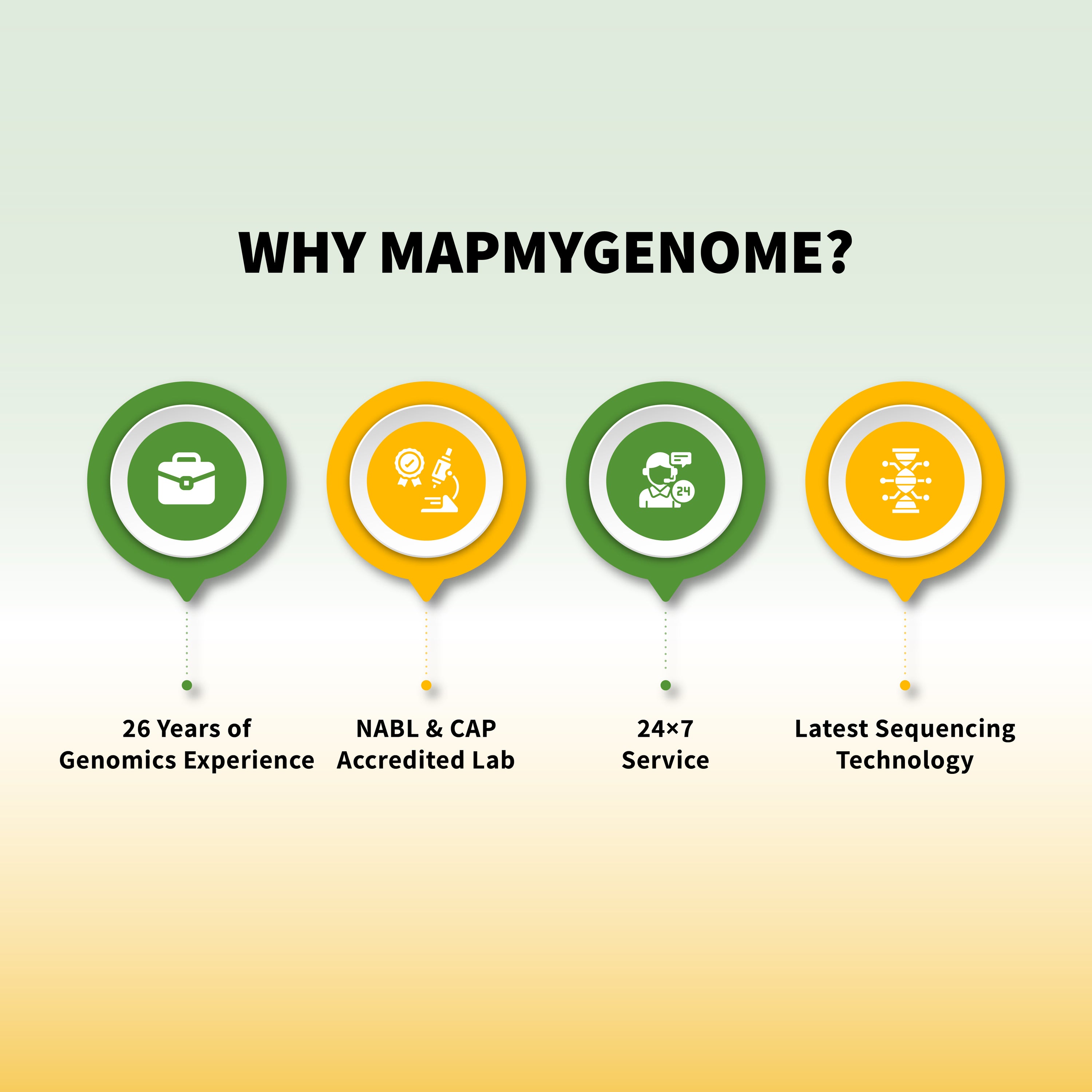
MapmyGenome offers NIPT (Non-Invasive Prenatal Testing) for chromosomal aneuploidies including Down syndrome, with certified genetic counselling to help you understand your results and make informed decisions.